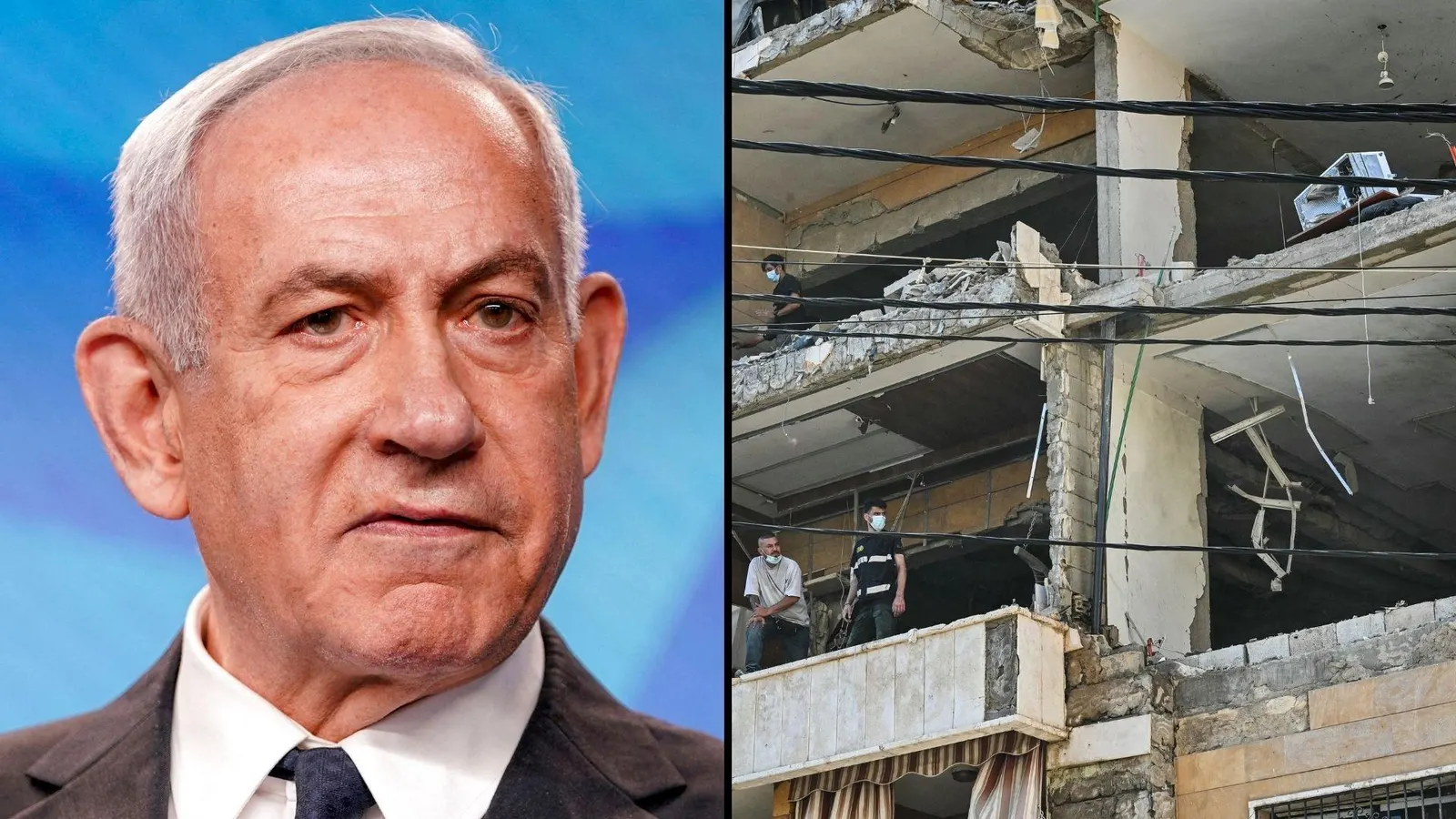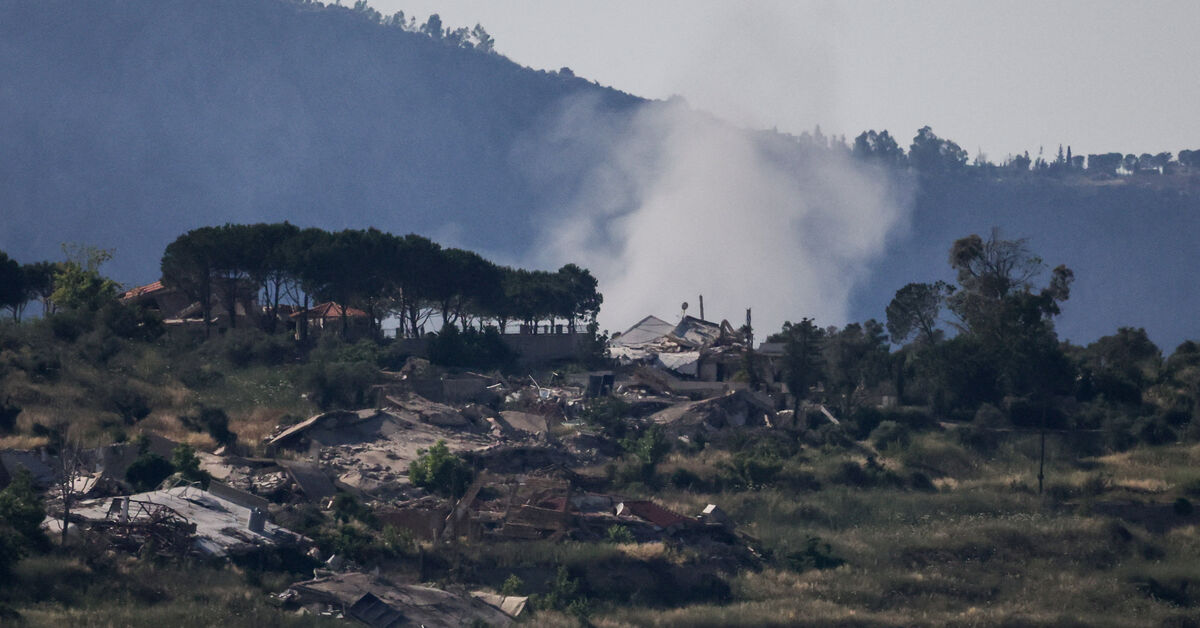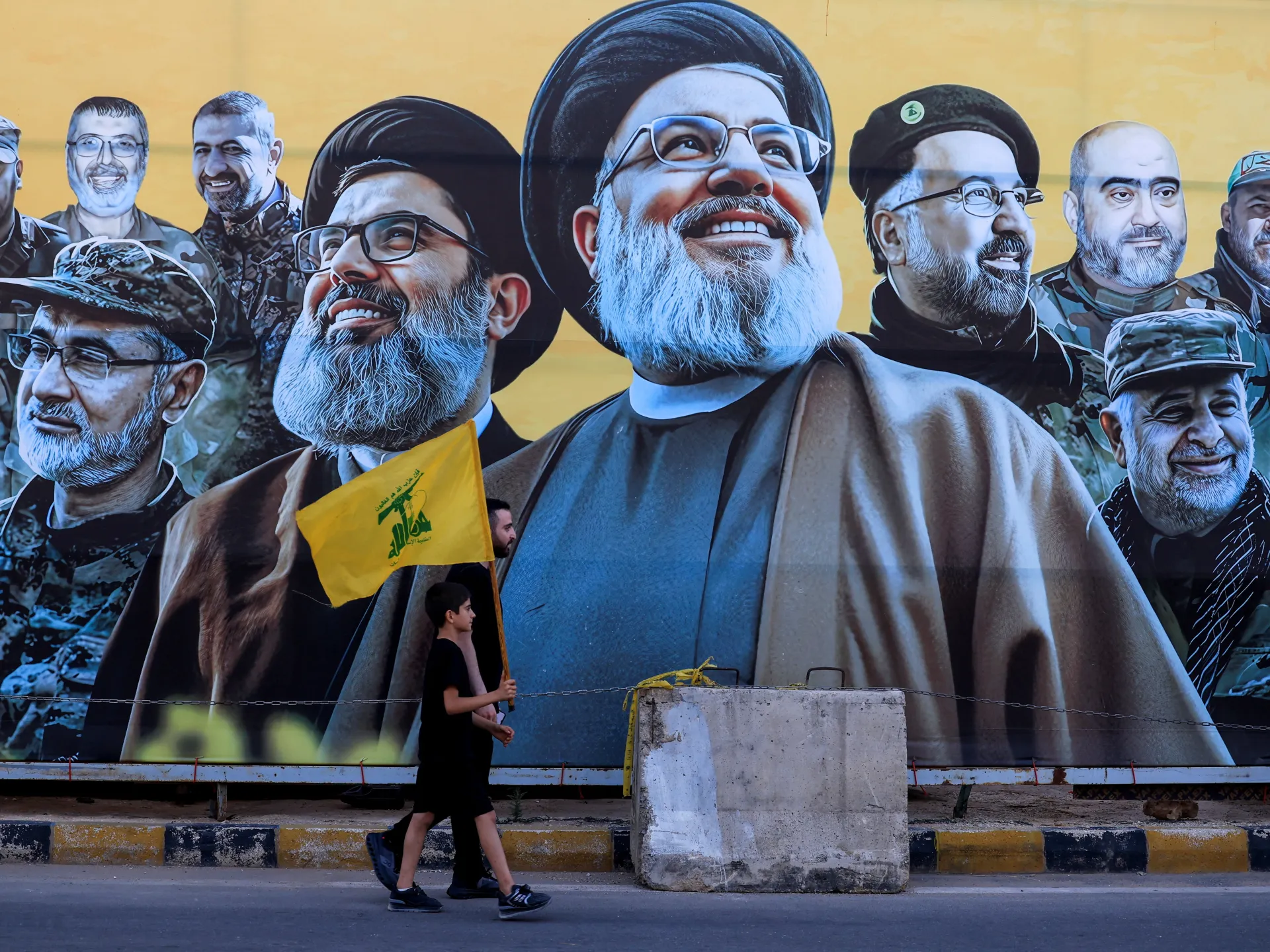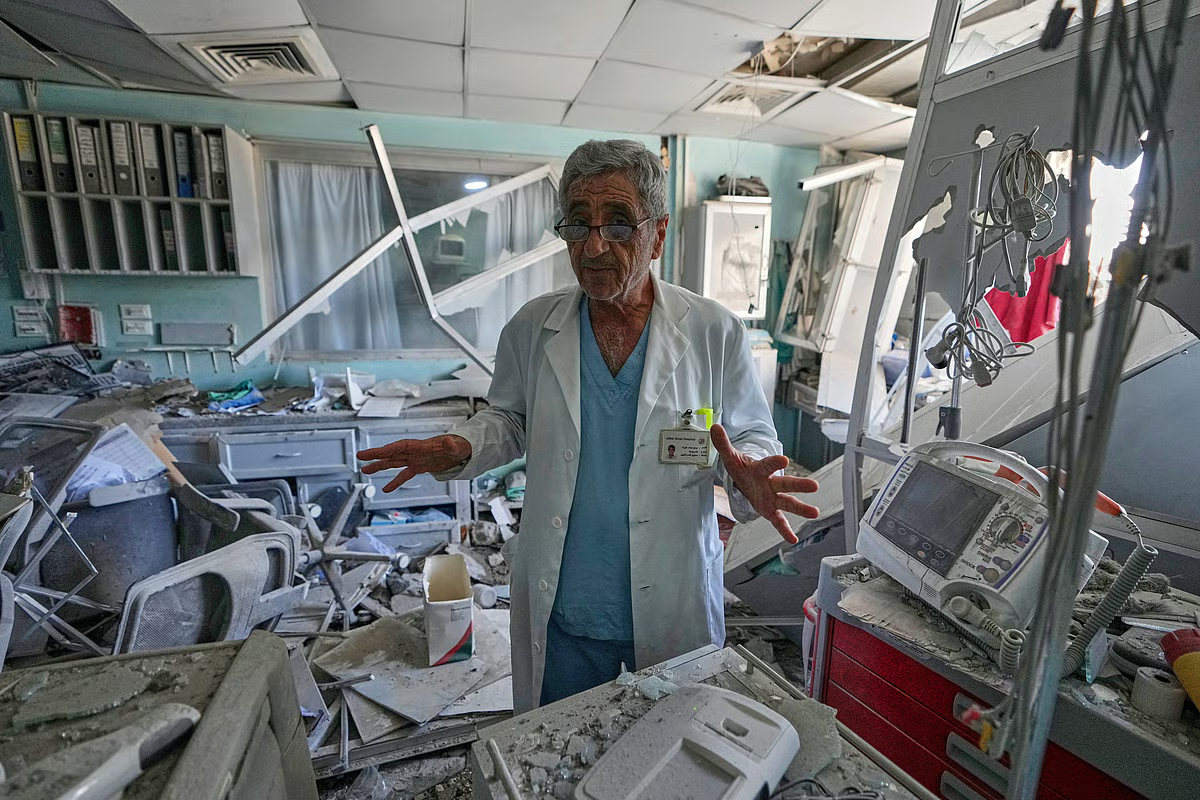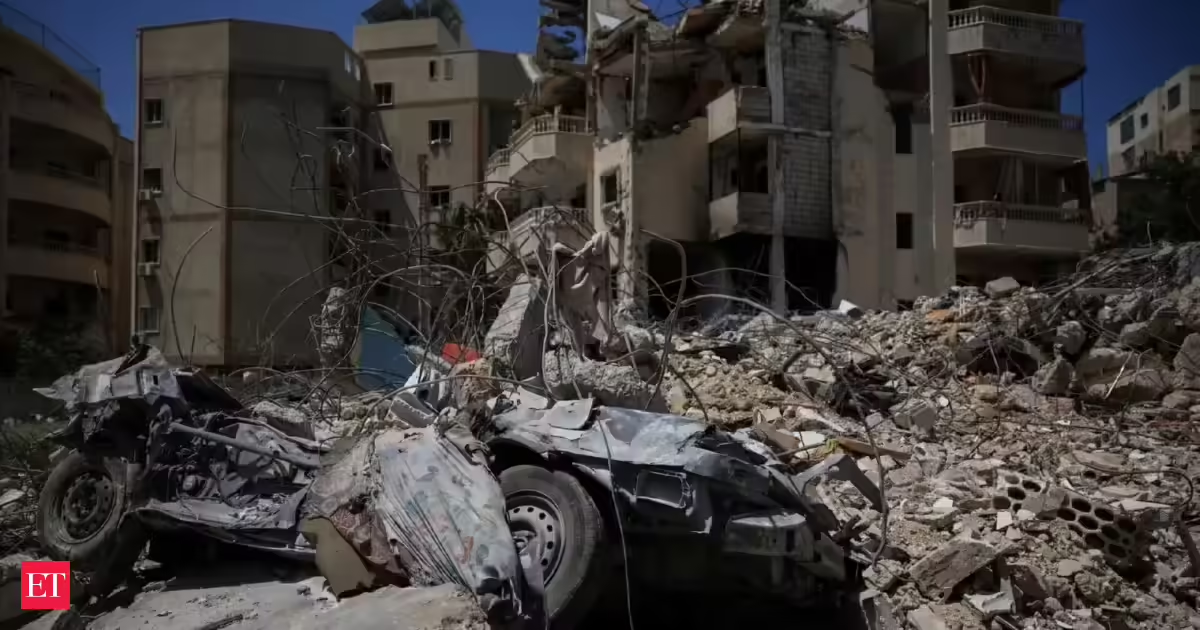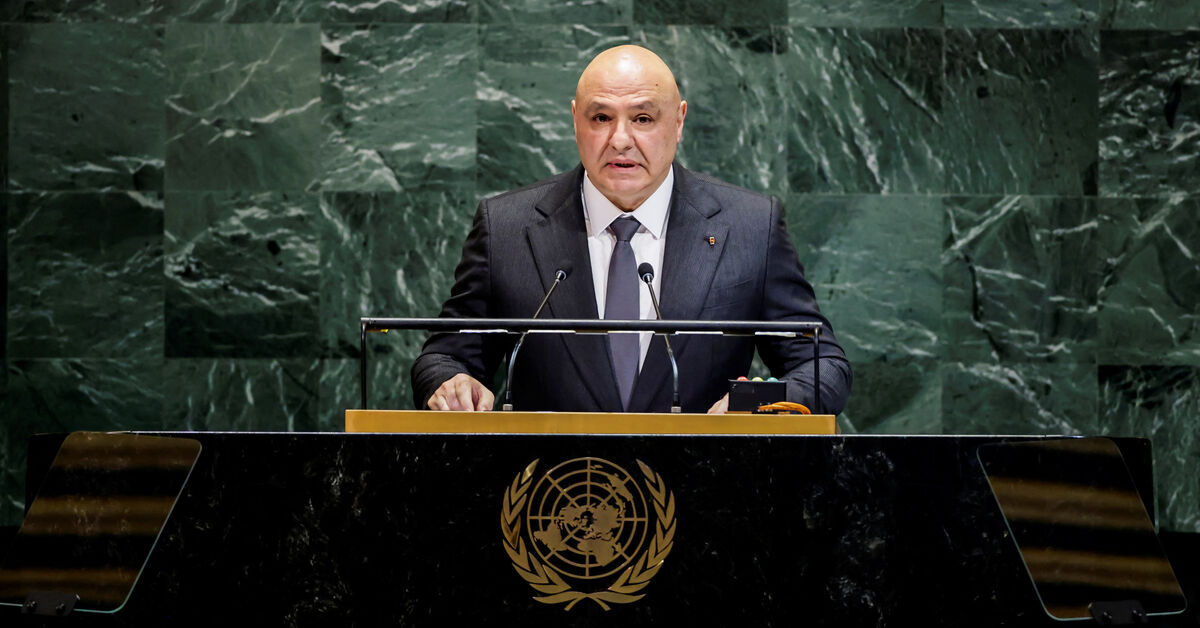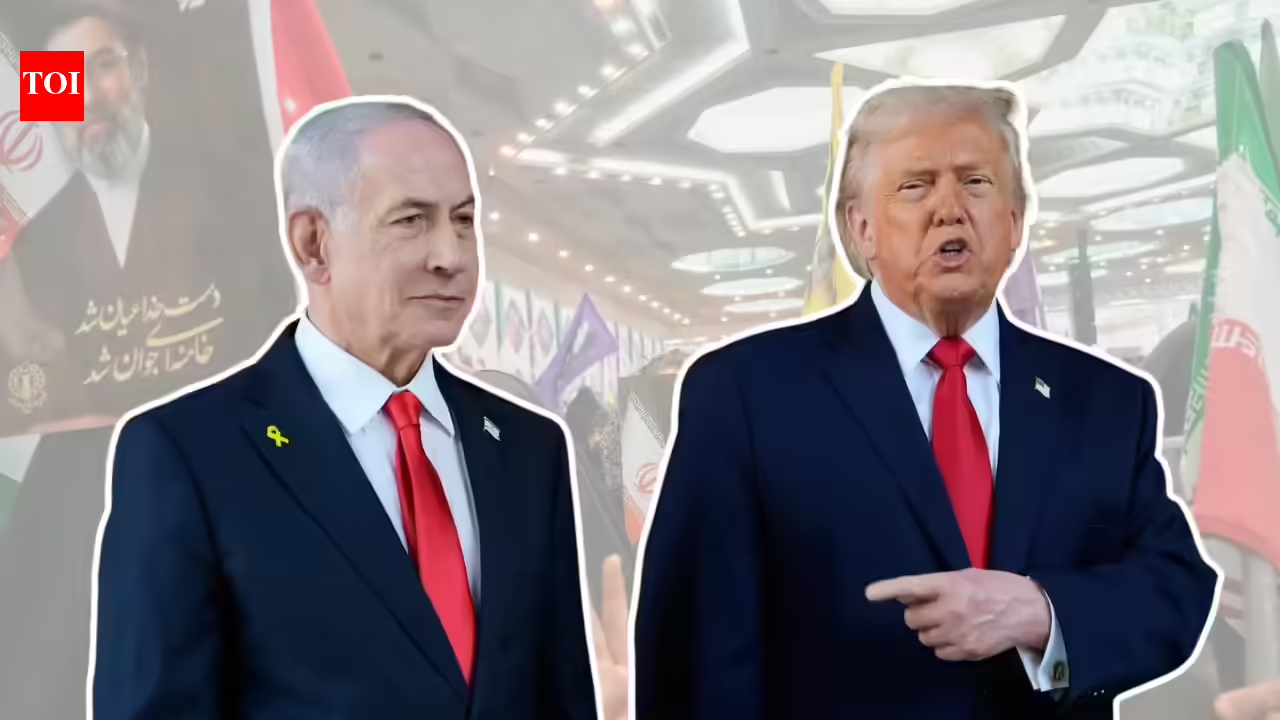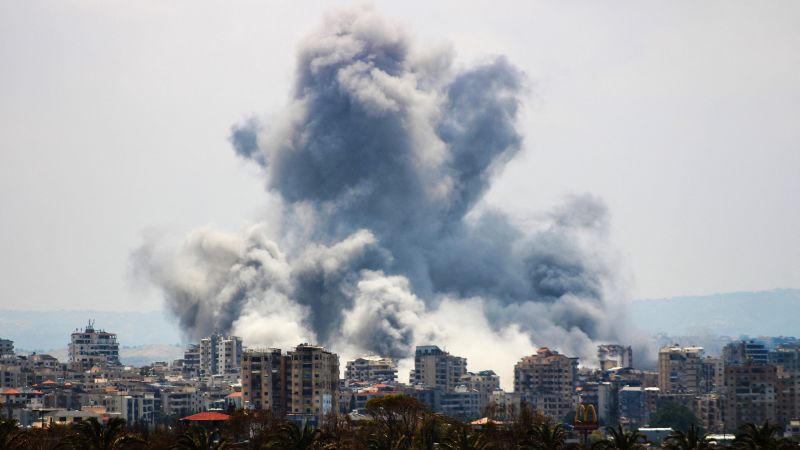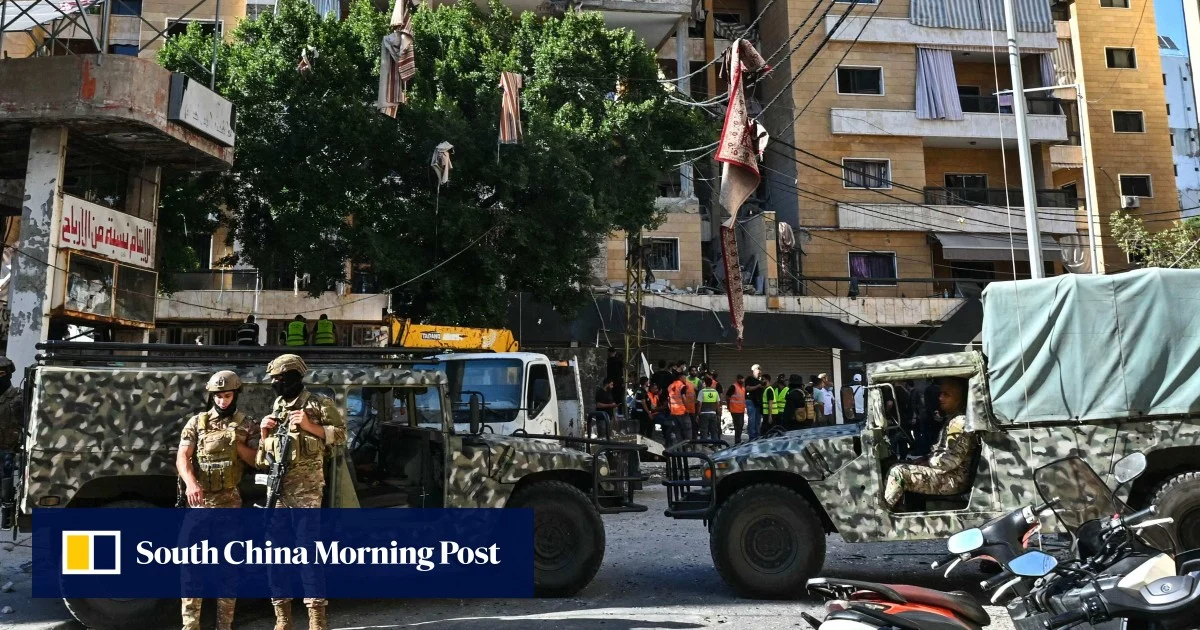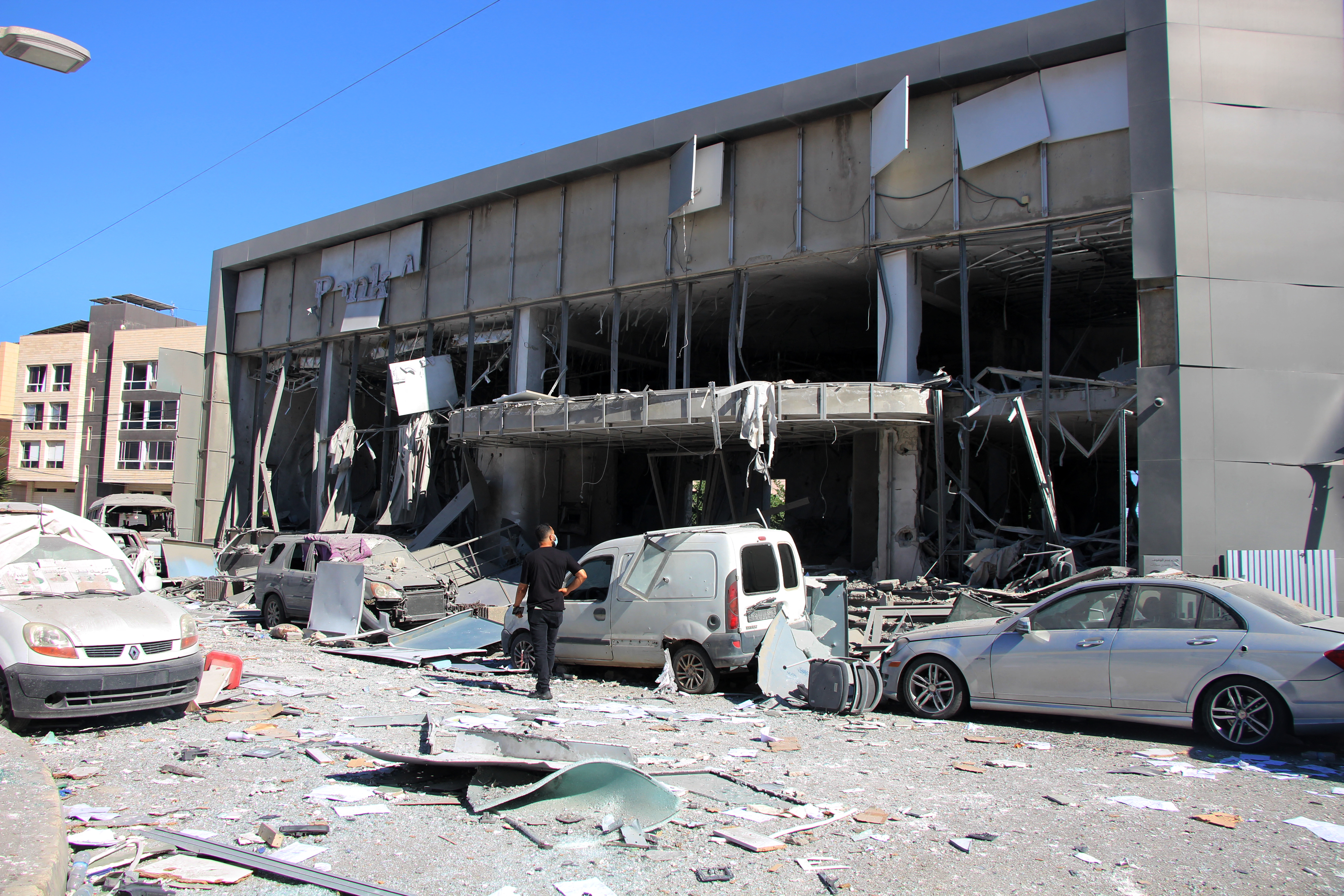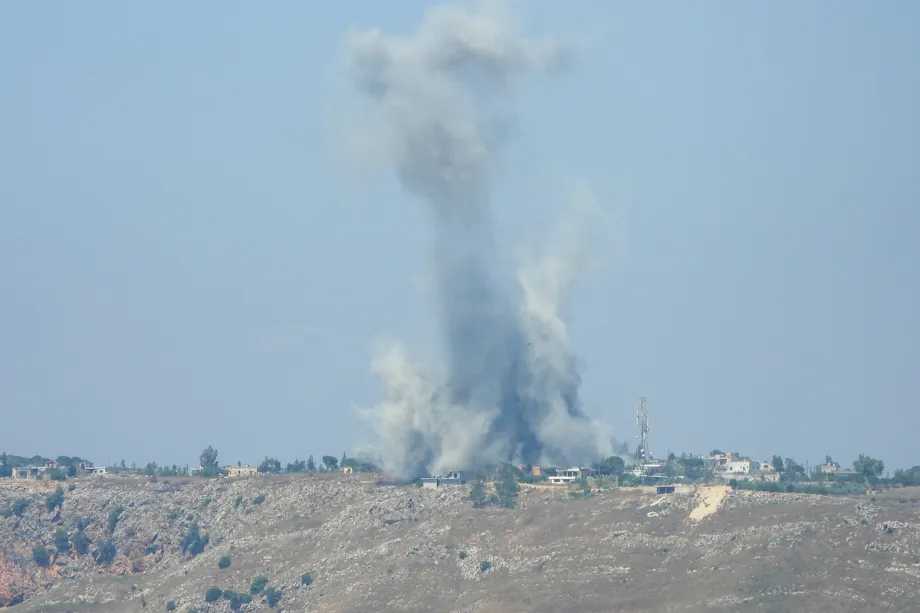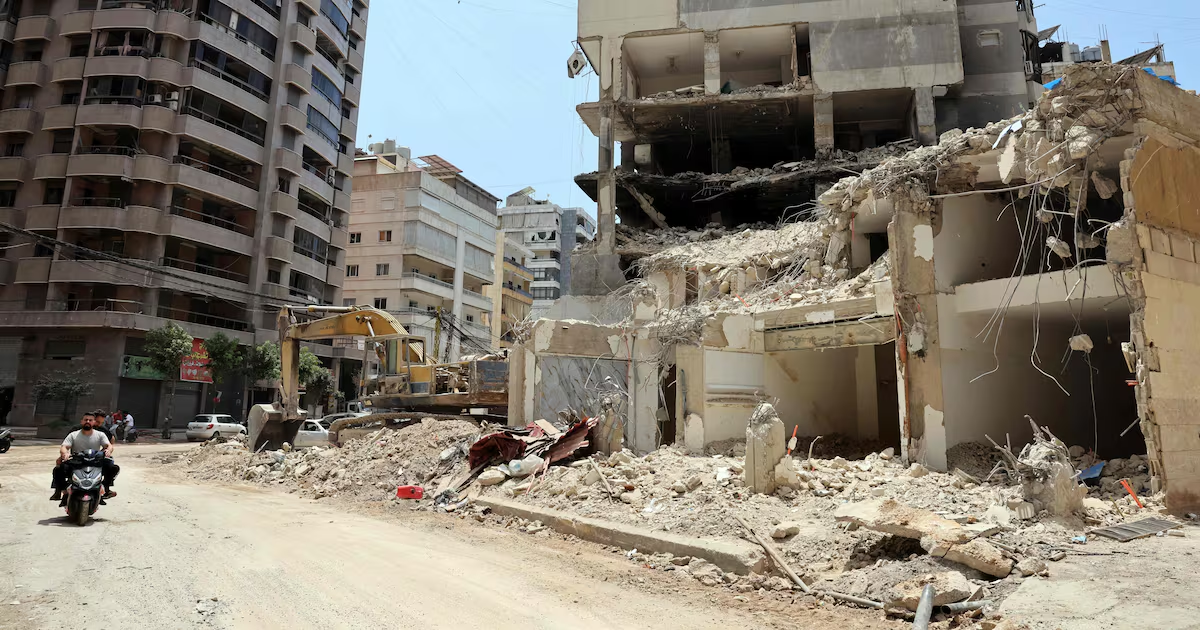
Israel halted a planned attack on Beirut on Monday after Iran threatened to end negotiations with the US if the Lebanese capital was targeted.This underscored how closely the fate of Lebanon has become intertwined with US-Iran diplomacy amid the Israel-Hezbollah war. The episode also illustrated Tehran’s leverage over Washington. Iran’s threat prompted a heated call from US President Donald Trump to Israeli Prime Minister Benjamin Netanyahu, during which he demanded the attack be called off over concerns it could derail efforts to reopen the Strait of Hormuz and extend a ceasefire between the US and Iran.Iran signalled that negotiations were back on track shortly after Israel’s drawdown on Beirut. “There will be no troops going to Beirut and any troops that are on their way, have already been turned back,” Mr Trump said in a post on Truth Social on Monday night. It was unclear which troops he was referring to, as Israel had not indicated it would deploy forces to Beirut.Mr Trump also claimed Hezbollah had agreed that “all shooting will stop – that Israel will not attack them, and they will not attack Israel”. The statement was widely interpreted as an agreement that Hezbollah would not fire at communities in northern Israel and, in turn, Israel would not attack Beirut.The announcement was “a continuation of the Beirut ceasefire”, according to analyst Karim Safieddine, a non-resident fellow at the Tahrir Institute for Middle Eastern Policy. “It’s already what we had, nothing really changed.”He was referring to a ceasefire declared by the US in April after hosting talks between Israel and Lebanon. Although Israel and Hezbollah continued hostilities in south Lebanon, Beirut remained largely untouched – apart from some instances of strikes on the capital’s southern suburbs. While the US intervention on Monday was driven by Iran’s leverage, the resulting continuation of the status quo had the effect of giving Israel “some kind of immunity for what's happening in south Lebanon, to ensure it becomes the norm outside of Iran's leverage”, Mr Safieddine said.But on the ground, little has changed. Israeli Defence Minister Israel Katz said on Tuesday that Israel had US permission to bomb Beirut’s Dahieh suburb if Hezbollah fired on northern Israeli communities, echoing the position Mr Netanyahu spelt out after Mr Trump's phone call.“We don’t have a game-changer. And I think everyone pretended that it was a game-changer yesterday and that it was politically beneficial to do so,” Mr Safieddine said.On Monday, Lebanon’s Parliament Speaker Nabih Berri, who maintains dialogue with Hezbollah, told The New York Times that the group was open to a “real ceasefire” and only Mr Trump could make it happen.“If there is a serious ceasefire, I guarantee Hezbollah will be committed to it,” he said.A Lebanese political source clarified what Mr Berri meant by “real ceasefire”.“He wants a ceasefire by air, by sea and on the ground. No bulldozing houses, no bombing homes or villages. End of the war. A cessation of hostilities. Ceasefire. Period,” the source told The National.They implied that when hostilities are paused, negotiations could take place over the withdrawal of Israeli troops from south Lebanon, the return of displaced people and much-needed reconstruction.“The ‘ceasefire’ we’re seeing now is incomprehensible,” the source said. Despite Hezbollah’s overtures, there is little indication from Israel or the US that a cessation of hostilities in south Lebanon is on the horizon.Israel intensified its campaign in the south last week, deepening its invasion, killing hundreds of people in air strikes and displacing thousands more.Despite Mr Trump’s announcement that “all shooting will stop”, both sides continued to clash on Tuesday.Israel continued its bombing campaign and issued several forced displacement orders, including in Nabatieh city – which was virtually emptied of all civilian residents except for healthcare workers last week.At least 35 people were killed across Monday and Tuesday, Lebanon’s Health Ministry said – including a family of six in the town of Marwanieh. Meanwhile, in Beirut, Israeli drones buzzed in the skies of the capital and its suburbs throughout the day. Hezbollah on Tuesday claimed responsibility for several attacks on Israeli troops in southern Lebanon, stopping short of targeting communities in northern Israel – the main concession the group has made in exchange for Israel not bombing Beirut. In recent weeks, Hezbollah had already focused most of its attacks on Israeli troops within the so-called yellow line – a belt of border villages occupied by Israel amounting to about 7 per cent of Lebanese territory.Israel has accelerated the demolition of villages within the yellow line since the so-called truce of April 16, banning anyone from returning to the devastated area. It has also expanded its invasion deeper into Lebanon, into areas north of the Litani.On Monday, a Hezbollah source accused the US of using diplomatic talks as a way to “drag out the process, to give Israel time to strengthen its presence on the ground and make further military advances”.“The lifting of Beirut's immunity from attack is being used as a pressure tactic,” the source said.The Hezbollah source added that the invasion of Lebanon “cannot be separated from wider regional developments. Iran remains invested in shaping the balance between settlement and conflict, and any Israeli escalation could be met with regional escalation.”It is the crux of the conflict in south Lebanon, as Tehran and Washington each try to gain the upper hand in negotiations, both hoping to end the wider regional conflict but in their own favour.
How Lebanon became a bargaining chip in US-Iran negotiations | The National
Although Iran’s leverage prevented an Israeli attack on Beirut, analysts say outcome has only preserved the status quo on the ground
TL;DRAI
Iran threatened to halt US negotiations if Israel attacked Beirut; Trump ordered Netanyahu to cancel the assault. Iran's demonstrated leverage signals how geopolitical tensions now shape strategic tech infrastructure and supply chain decisions for regional operations.
901 words~4 min read