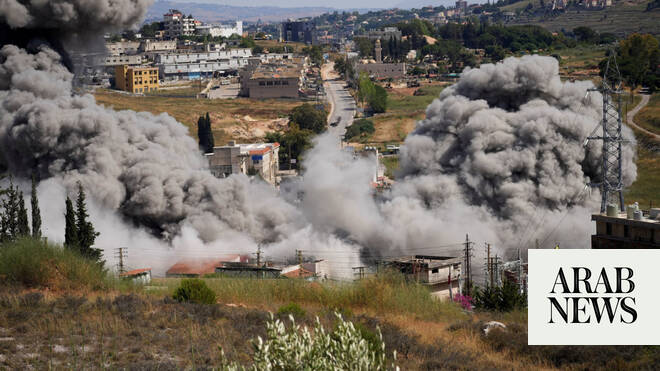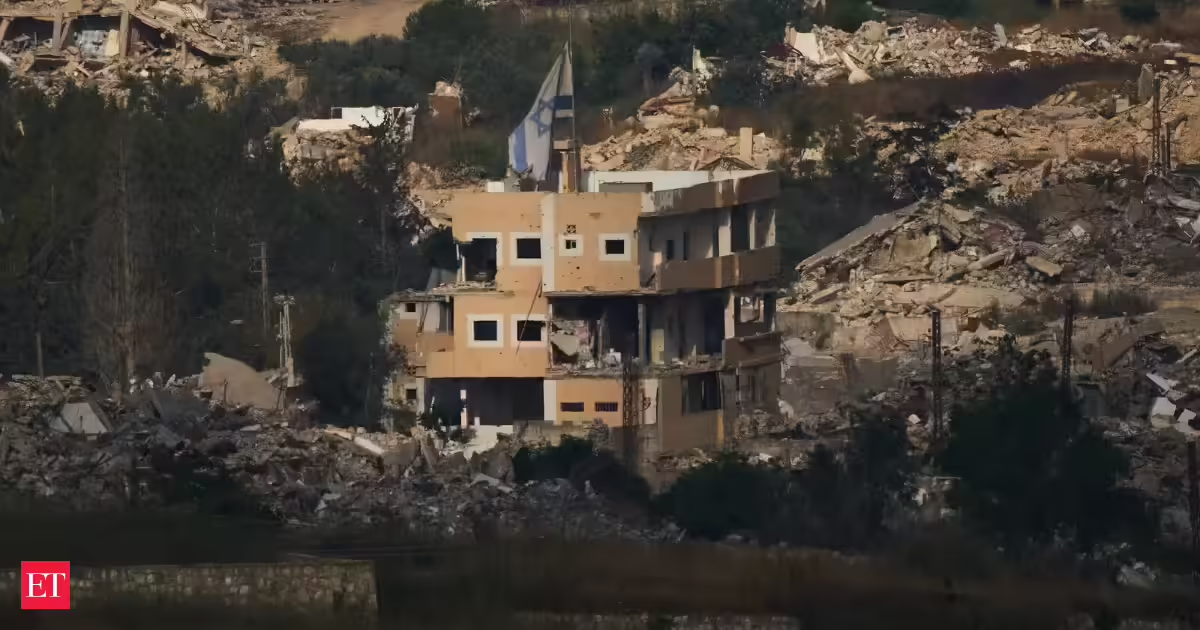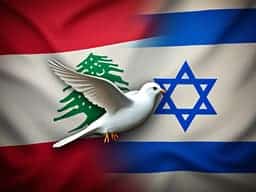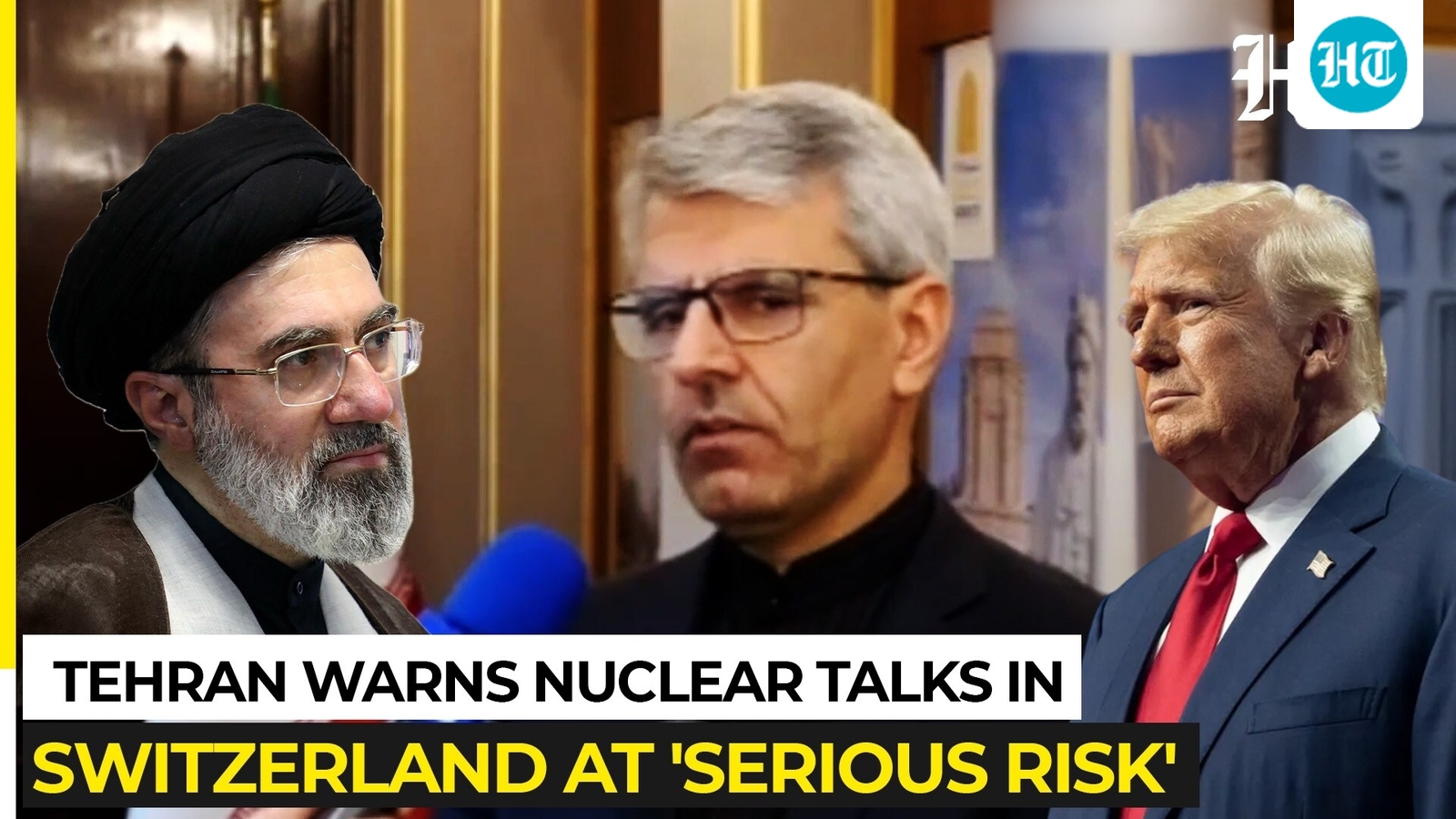
As the 60-day period of negotiations stipulated by the Memorandum of Understanding (MoU) agreed between Iran and the US gets under way in Switzerland, the issue of Lebanon is fast emerging as a central bone of contention between them. It is also revealing significant differences in the stances of America and Israel.
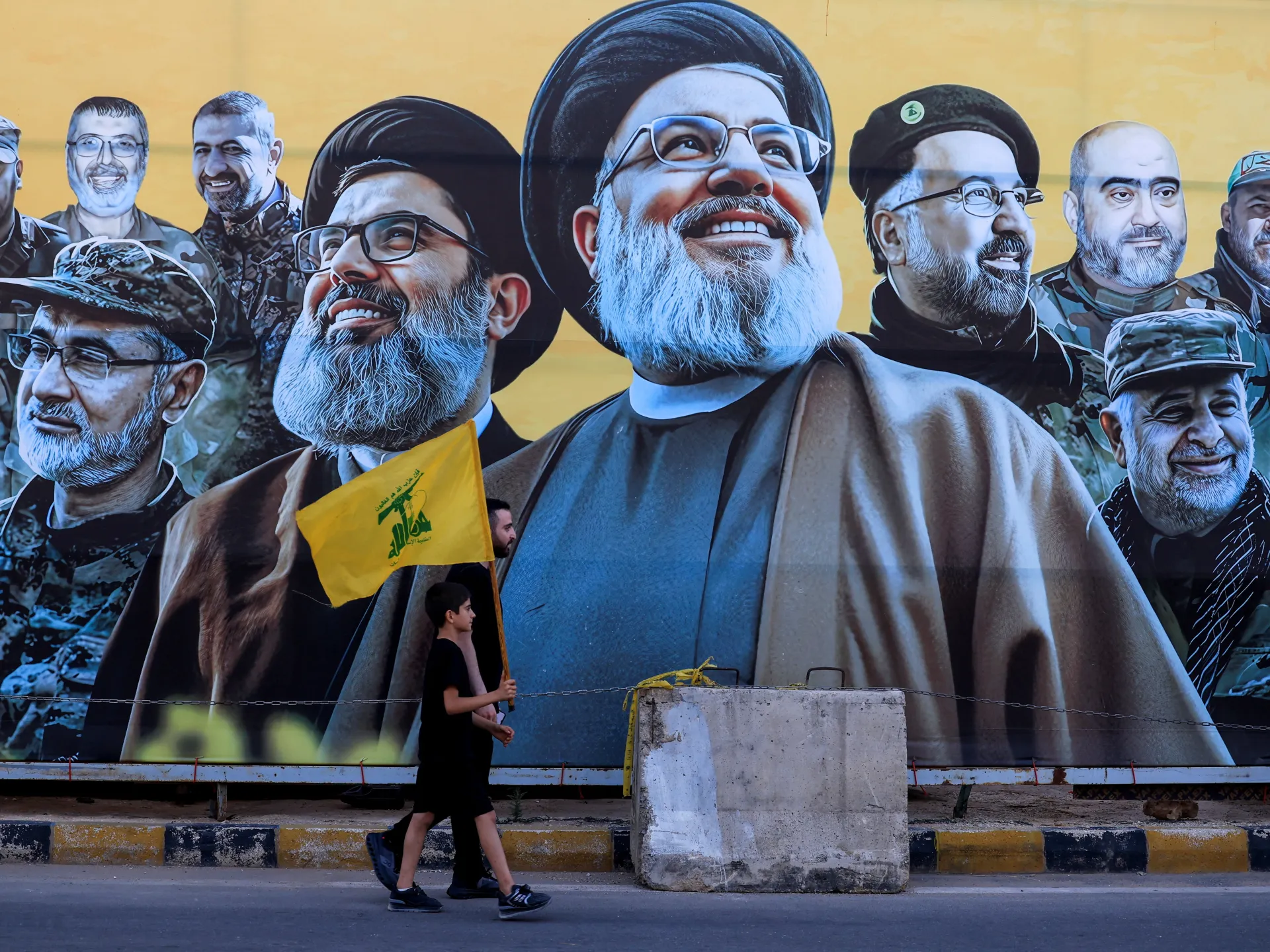
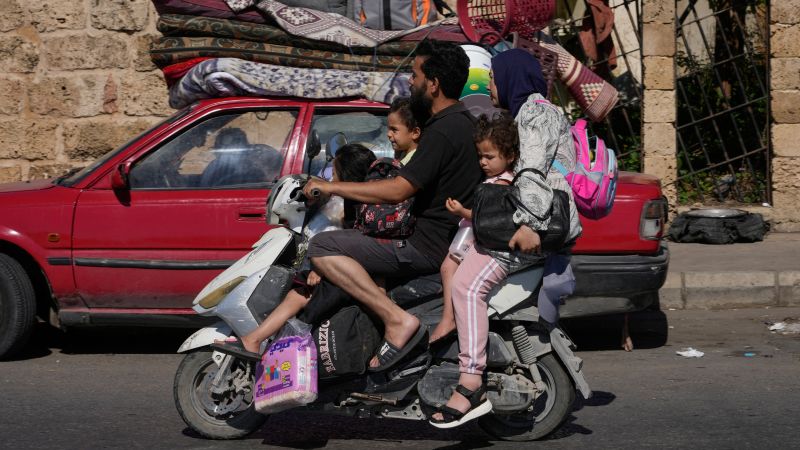
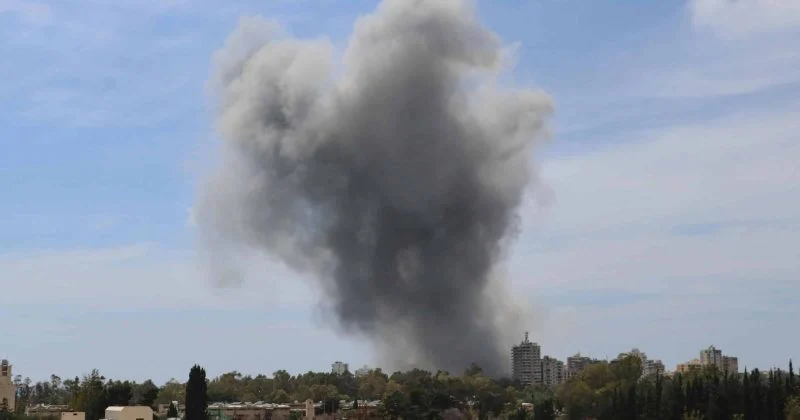
Israel has sought throughout to detach its battle with the Iranian proxy group Hezbollah in Lebanon from the negotiations and from the larger effort to settle the conflict between the US and Iran. The logic to this is as follows: Hezbollah intends to continue its war against Israel. Jerusalem is aware that the US administration very much wants the current negotiations to succeed, so the Israeli government is currently engaged in the difficult task of seeking not to lose ground in an ongoing fight with an Iranian proxy while simultaneously not coming across as a spoiler to a US administration keen to conclude its own conflict with Iran.
Iran, predictably, is keen that Israel should not succeed in this effort. As part of this, Tehran is determined to link the two fronts (i.e., Iran/Hormuz and Lebanon), insisting that failure in one means failure in both. Iran hopes by so doing to formalise a mechanism by which it can both protect its main Levantine proxy and create and widen divisions between Washington and Jerusalem.