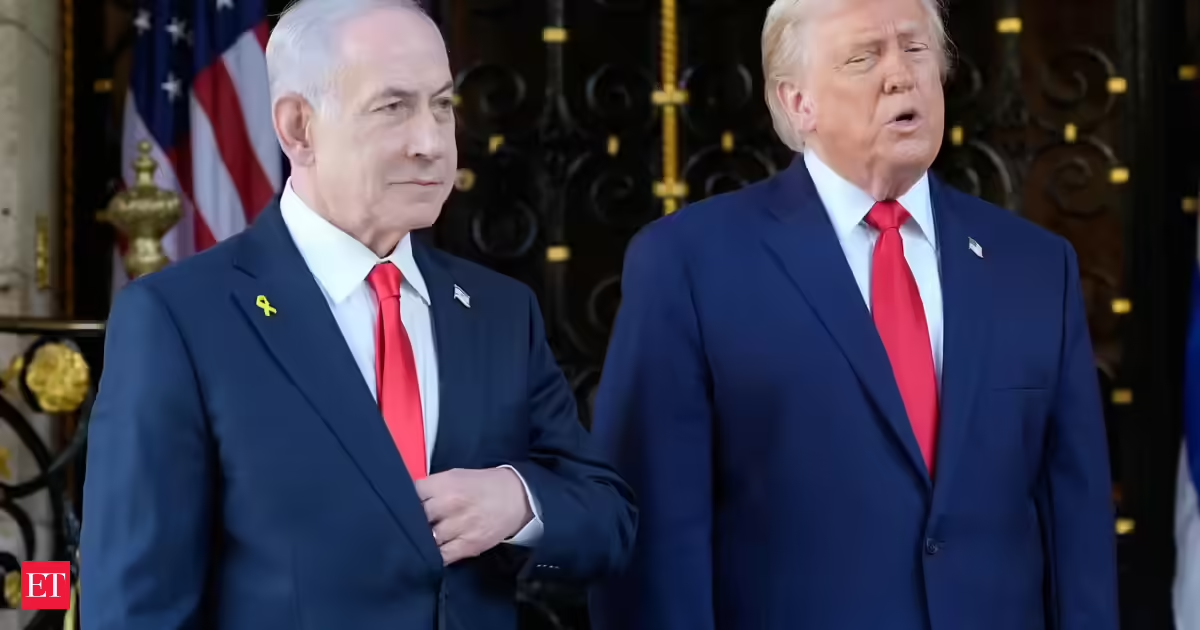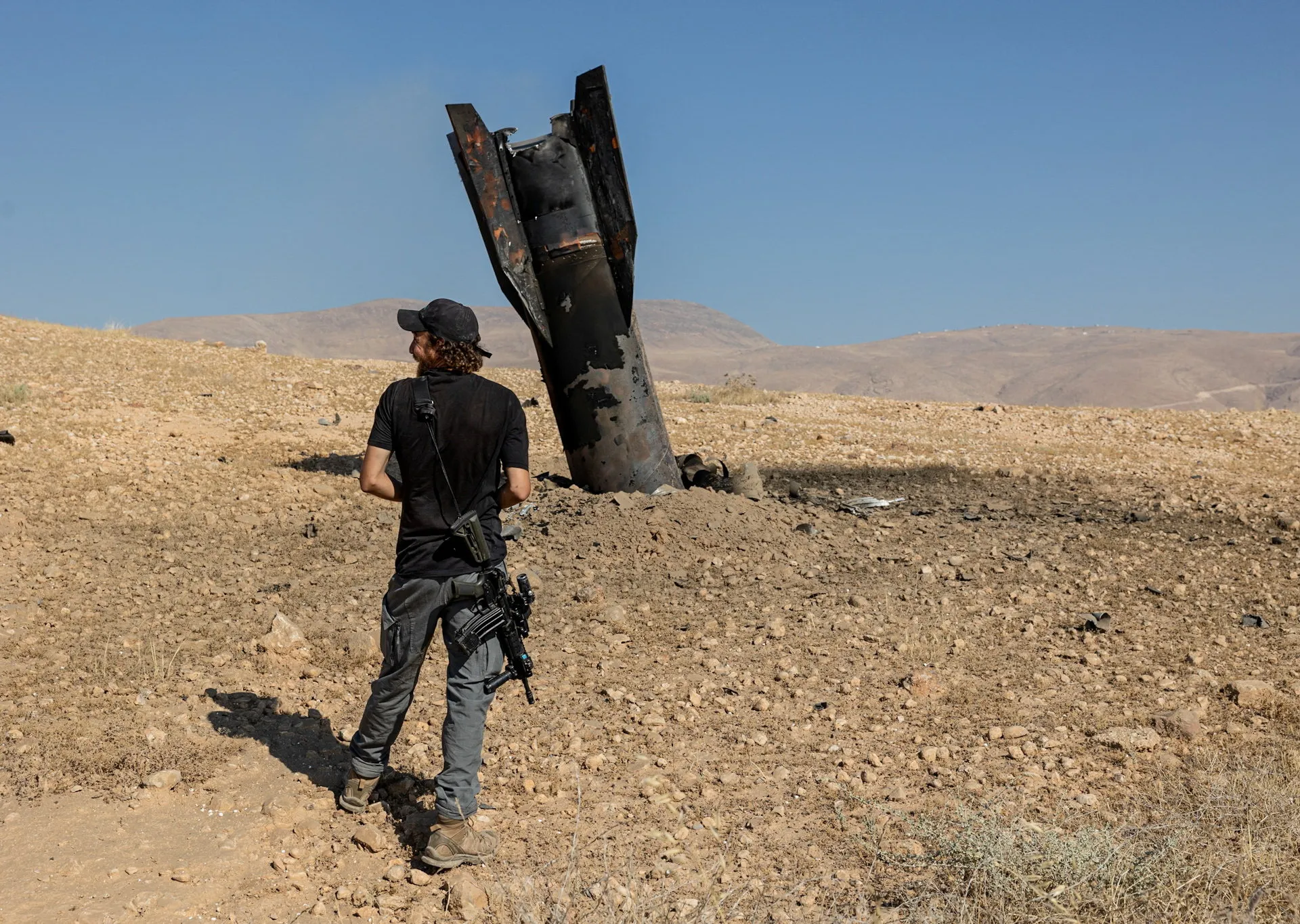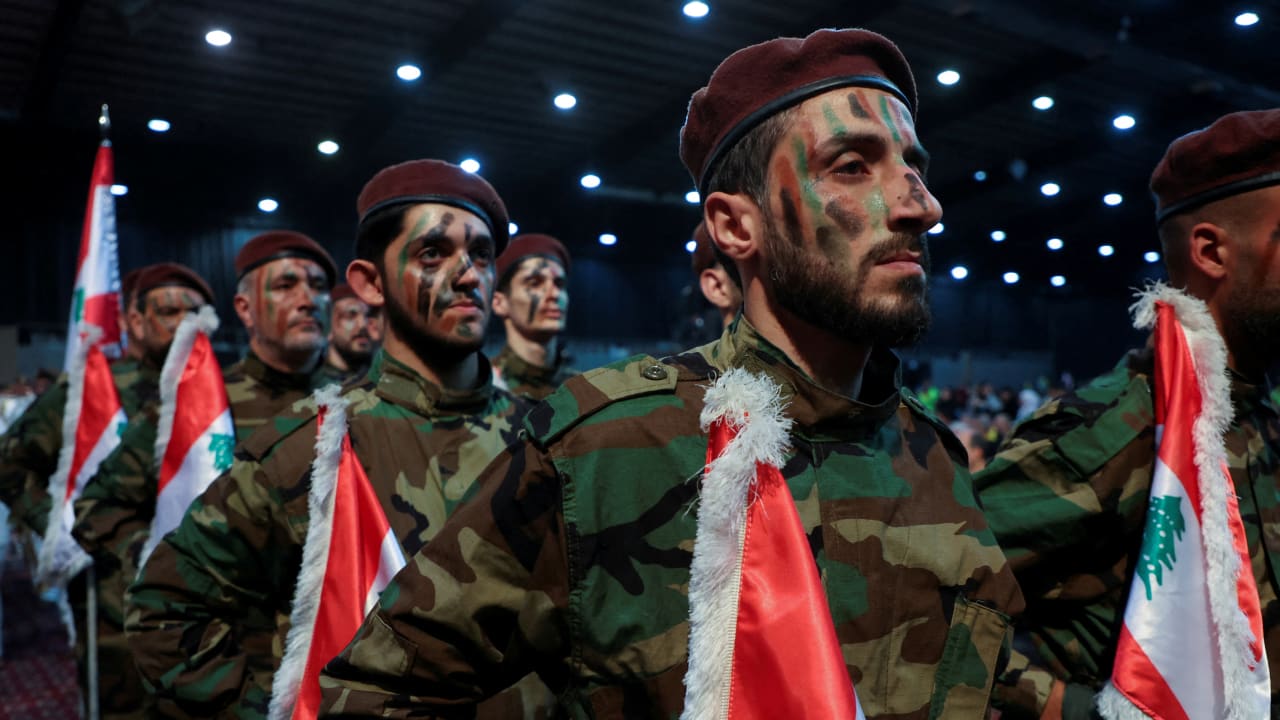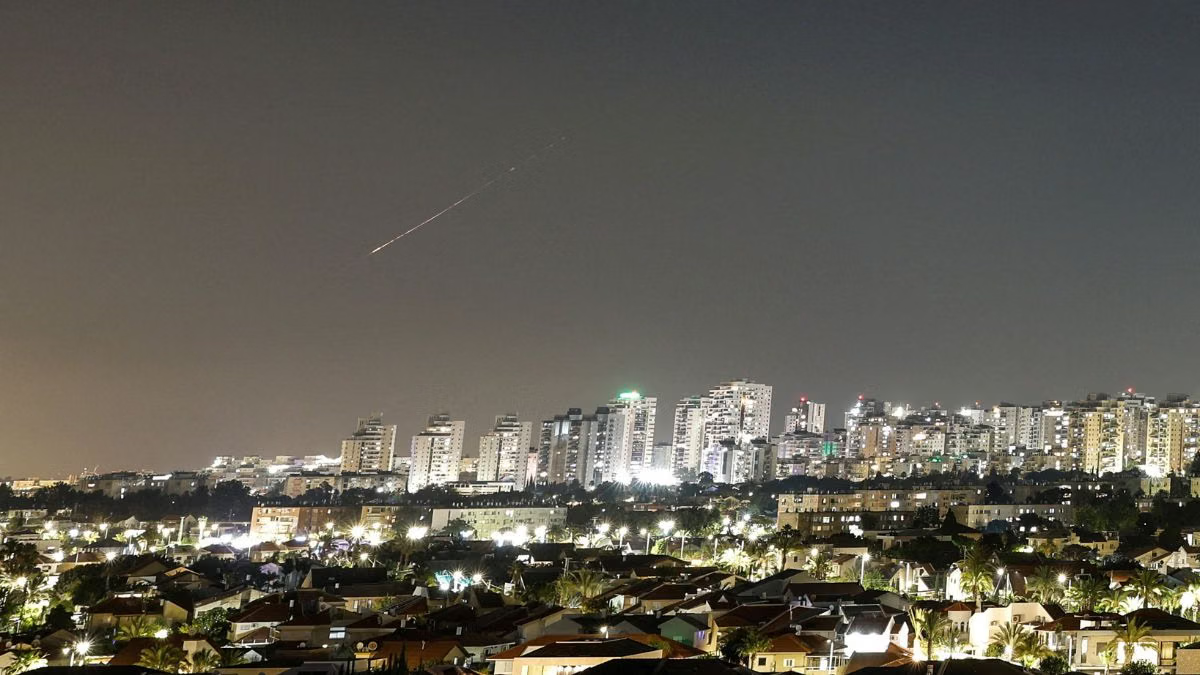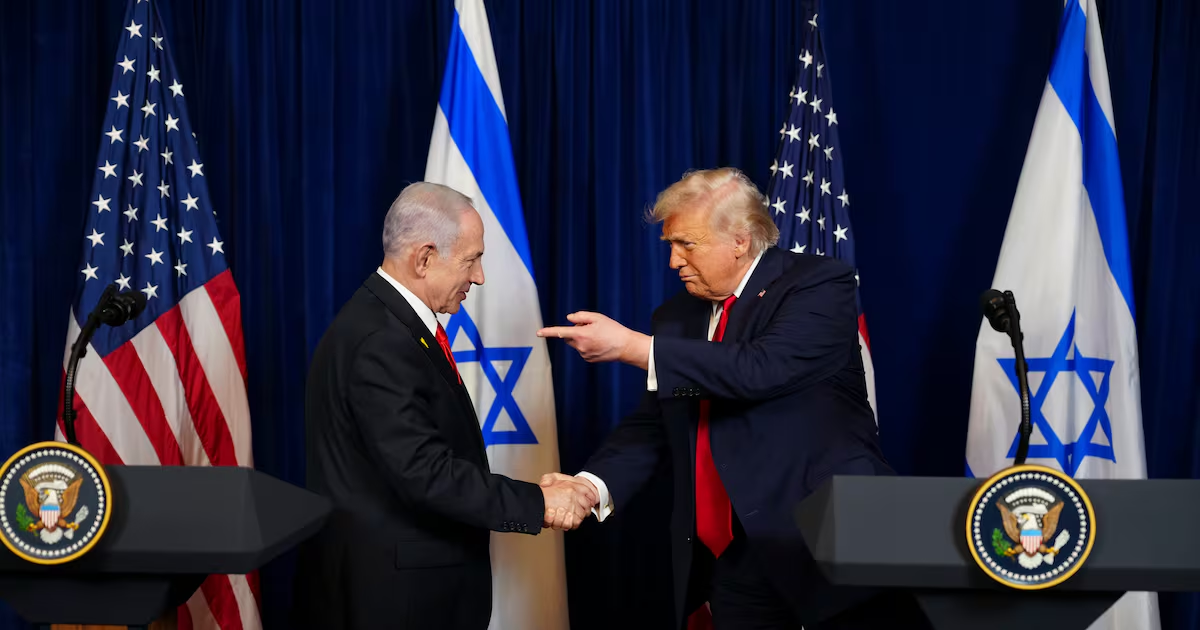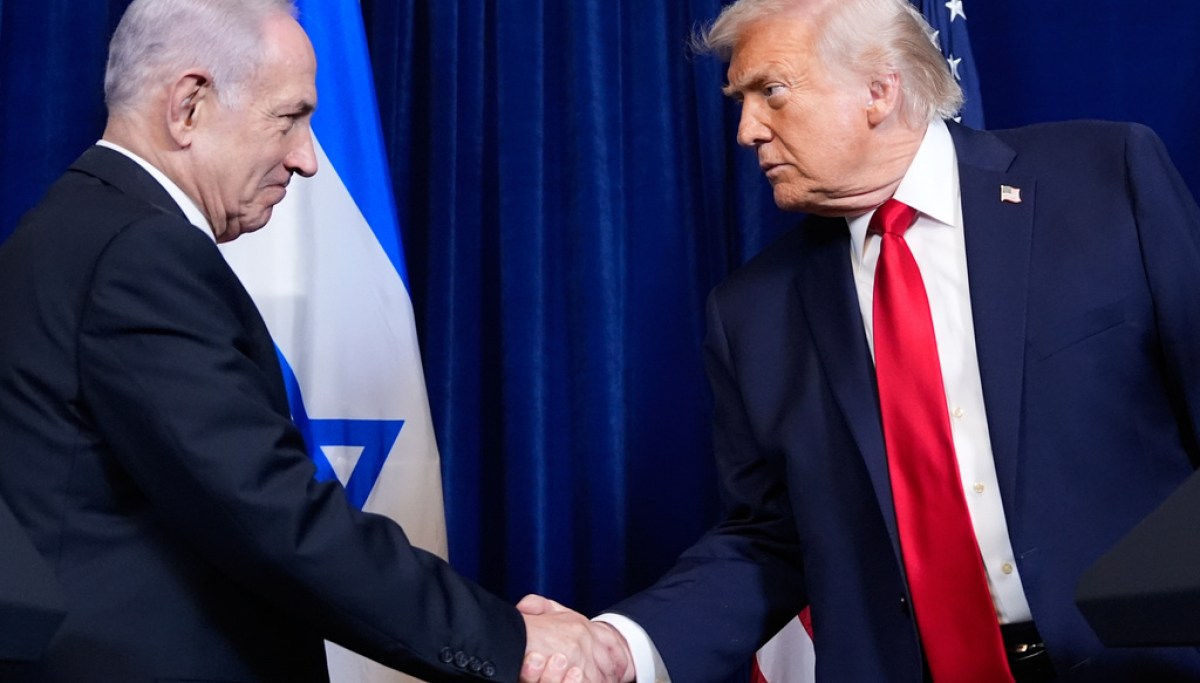
After Hezbollah launched rockets and drones at northern Israel on June 6, Israel bombed several terrorist targets in Beirut’s Dahieh district. Iran responded with roughly 10 ballistic missiles — the first since the April 2026 ceasefire — but all were intercepted by the Jewish state. President Donald Trump then ordered Israeli Prime Minister Benjamin Netanyahu to stand down. Facing domestic pressure, Netanyahu reversed course and struck about 15 Revolutionary Guard targets inside Iran. Undoubtedly, Israel’s strikes showed that no diplomatic breakthrough with Iran was imminent — contrary to Trump’s suggestion after Iran attacked Israel. When the Abraham Accords were being brewed, Israel showed restraint by suspending West Bank annexation because a real agreement was within reach. That is not the case this time. Thus, Washington’s pressure on Israel to absorb attacks without responding risks signaling to Tehran that escalation will not draw decisive American intervention.Late last year, the U.S. designation of Saudi Arabia as a Major Non-NATO Ally and advanced weapons transfers to Gulf states came without real conditions to curb Iranian arms to the Houthis or enforce Hormuz sanctions. Recipients gained cutting-edge hardware while Iran gained time to rebuild and probe limits.
America’s restraint is Iran’s best ally
Israel cannot rent security from America, which can't manage regional chaos forever. Iran uses missiles, proxies, and nuclear latency as blackmail.
640 words~3 min read