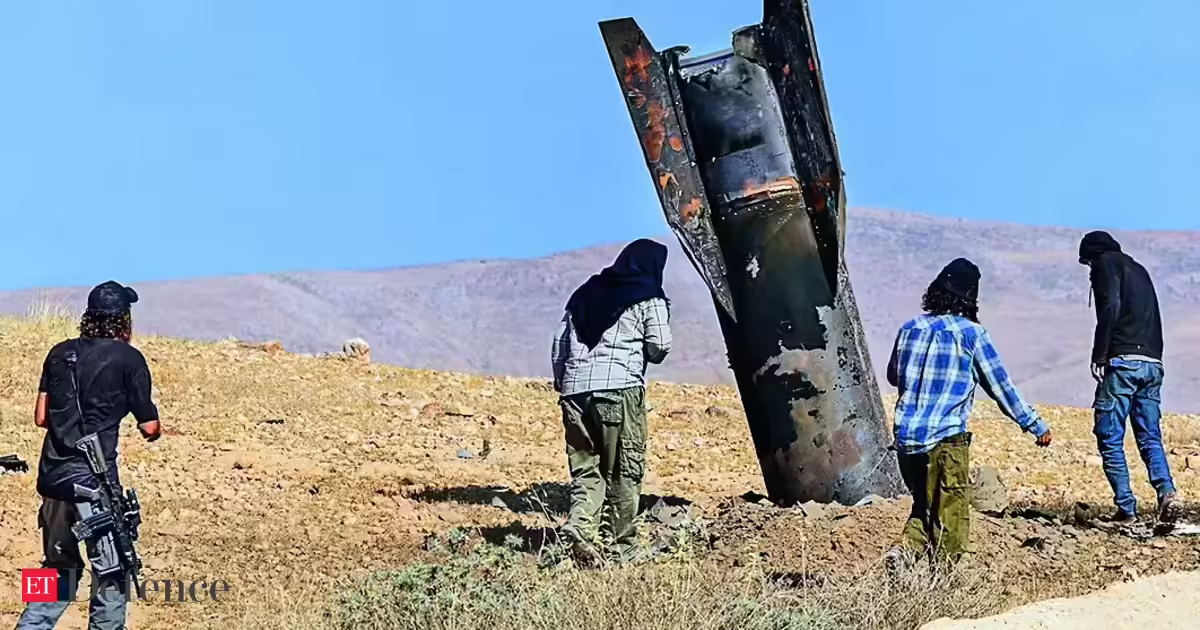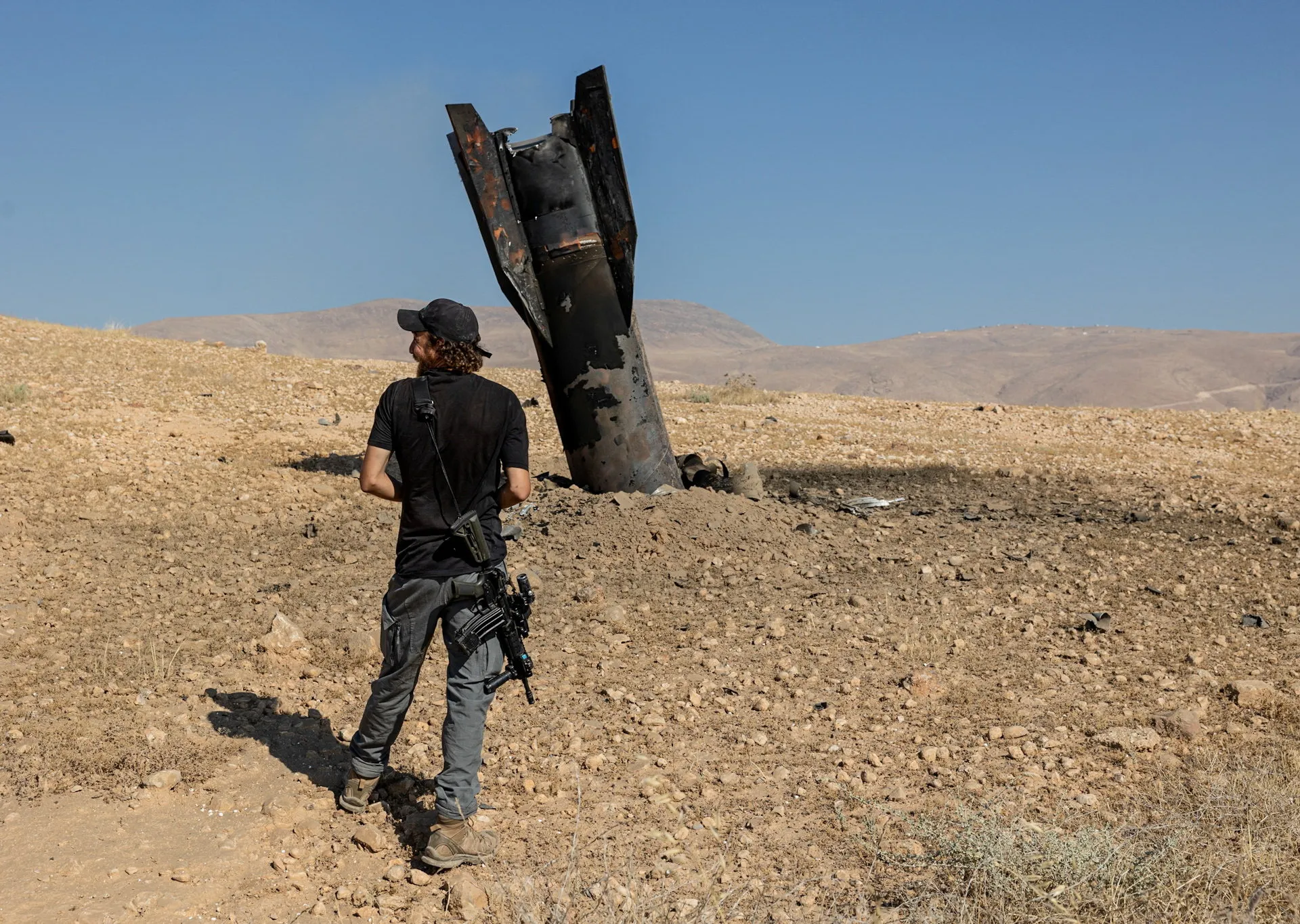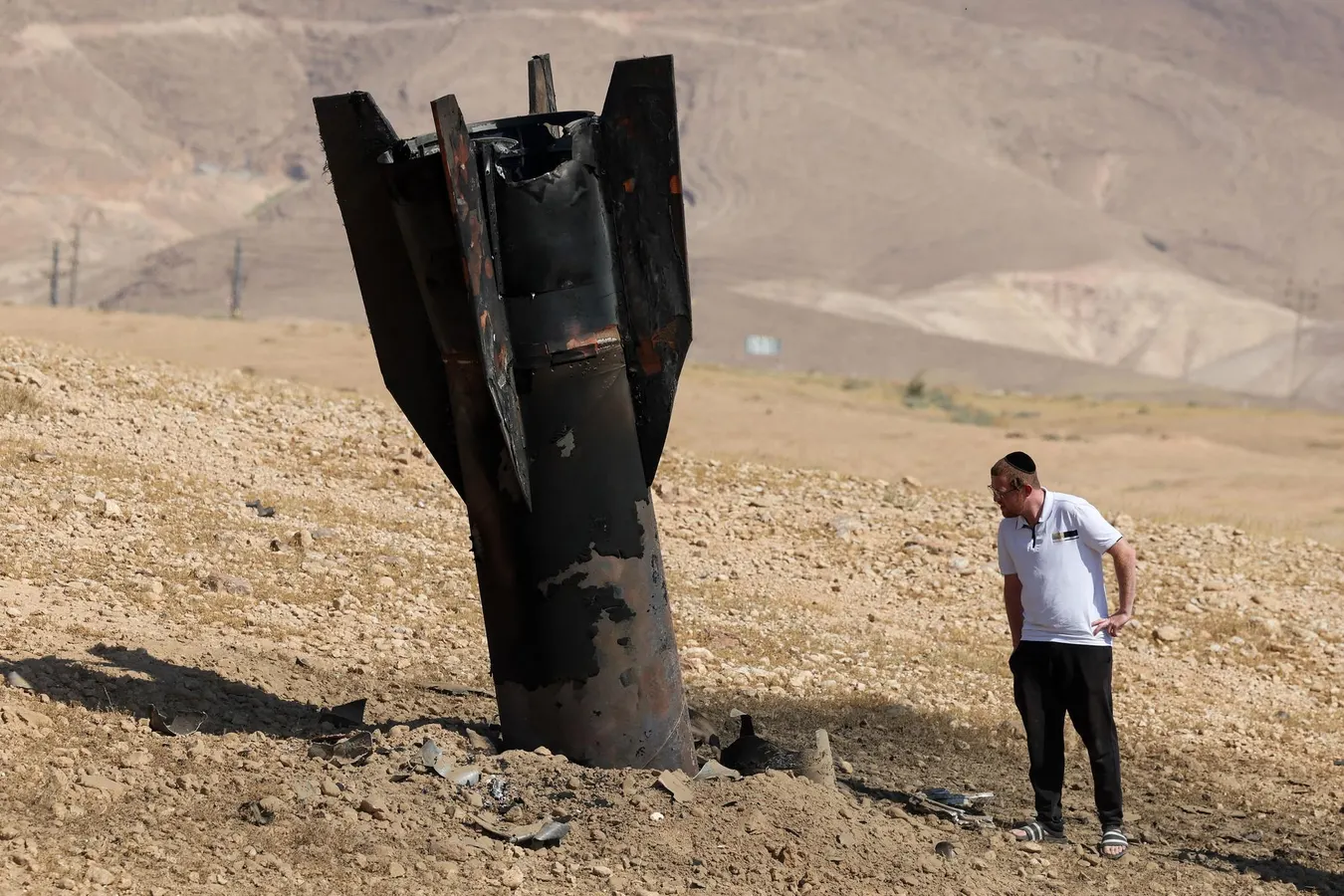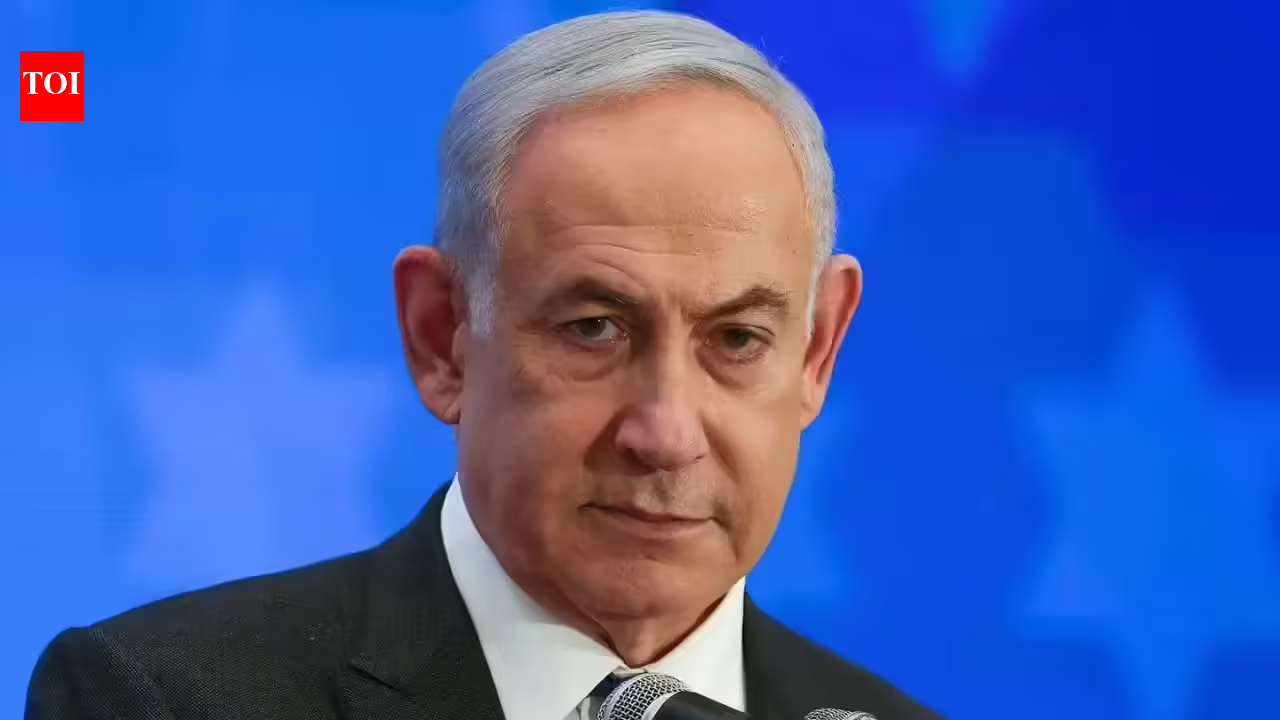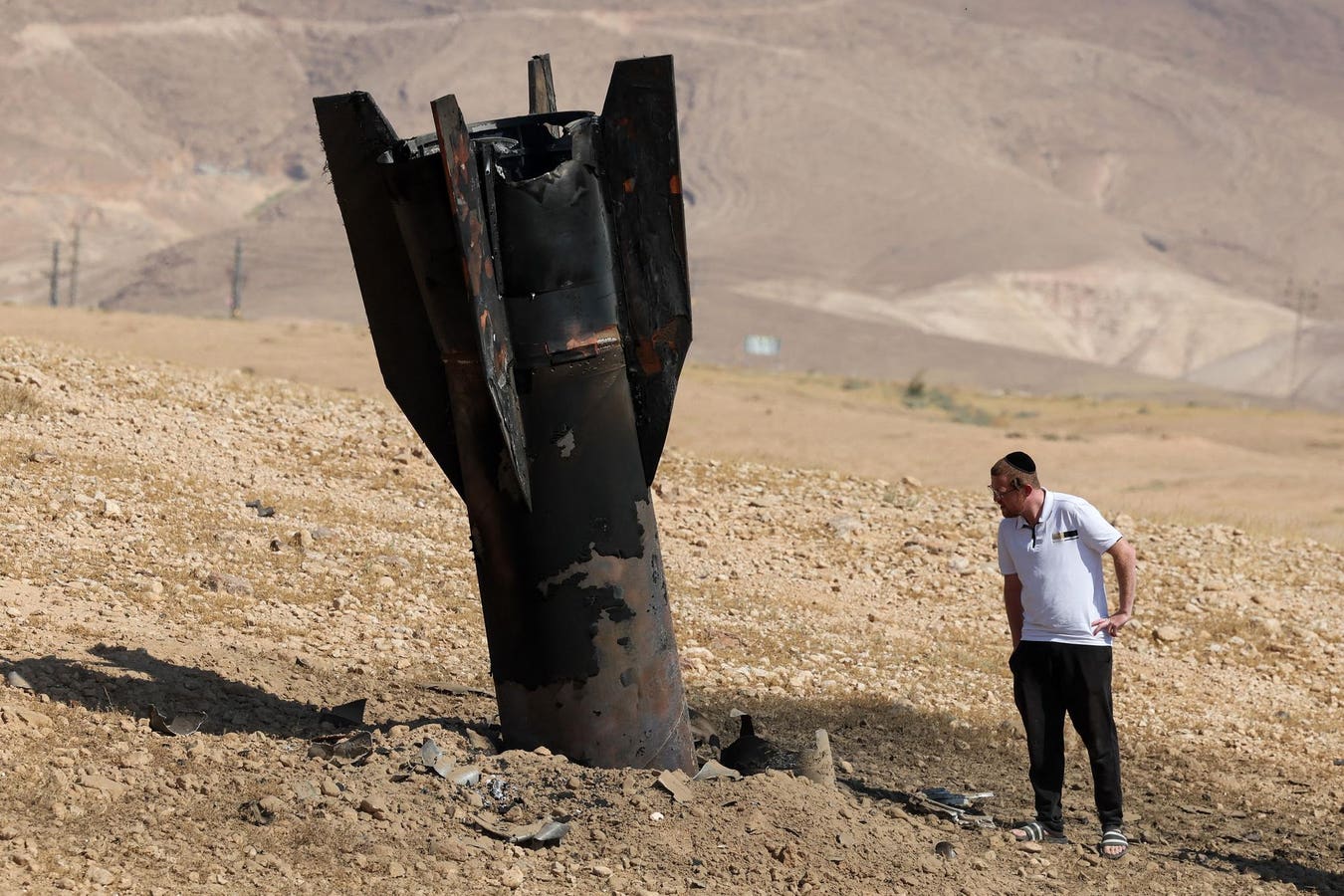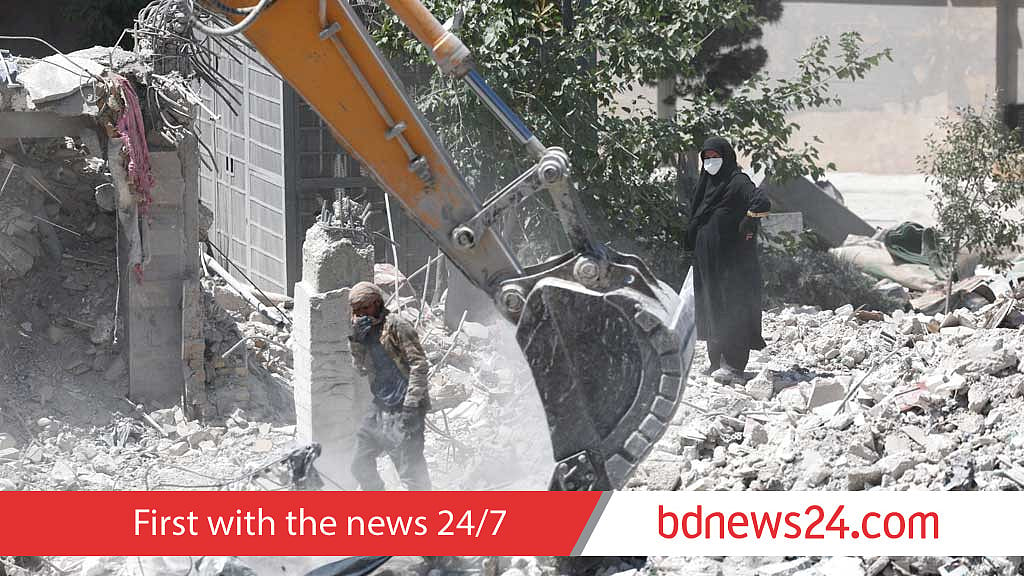
New Delhi: Iran and Israel Sunday exchanged strikes for the first time since the April ceasefire. US President Donald J. Trump had urged Prime Minister Benjamin Netanyahu to hold back from retaliation, following Tehran’s launch of ballistic missiles at northern Israel.
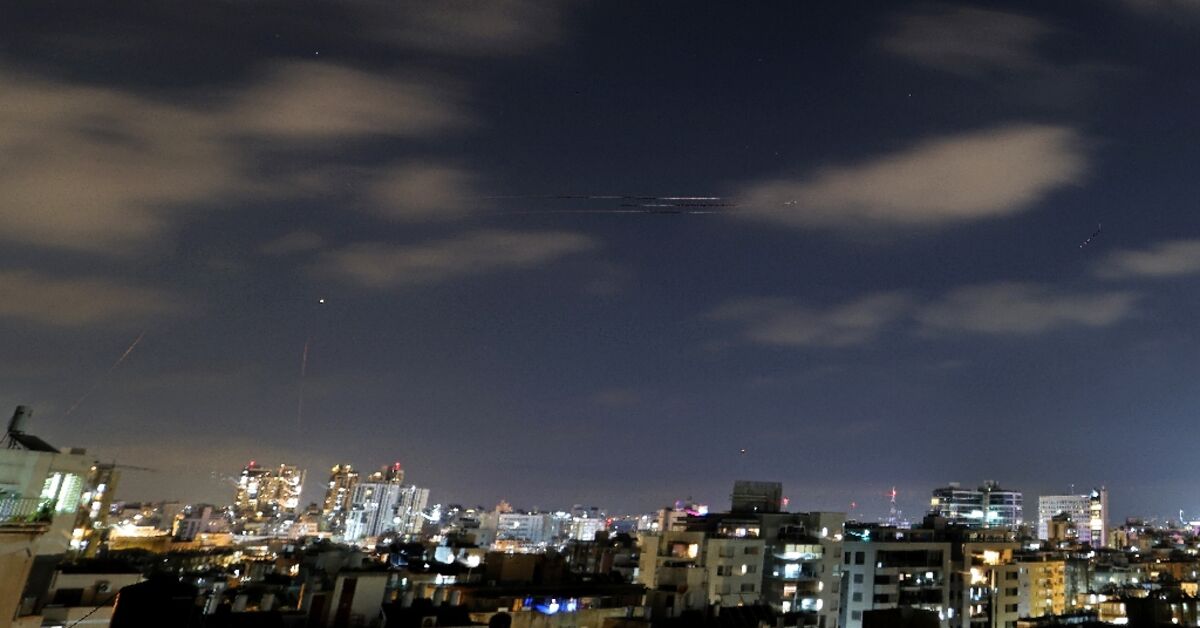
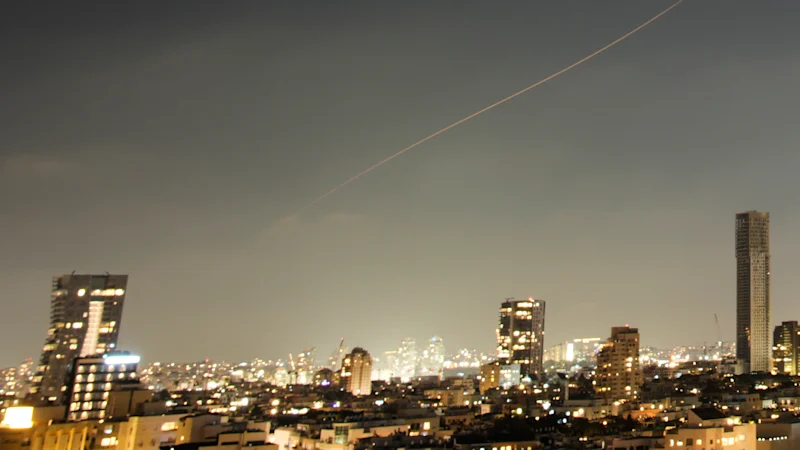
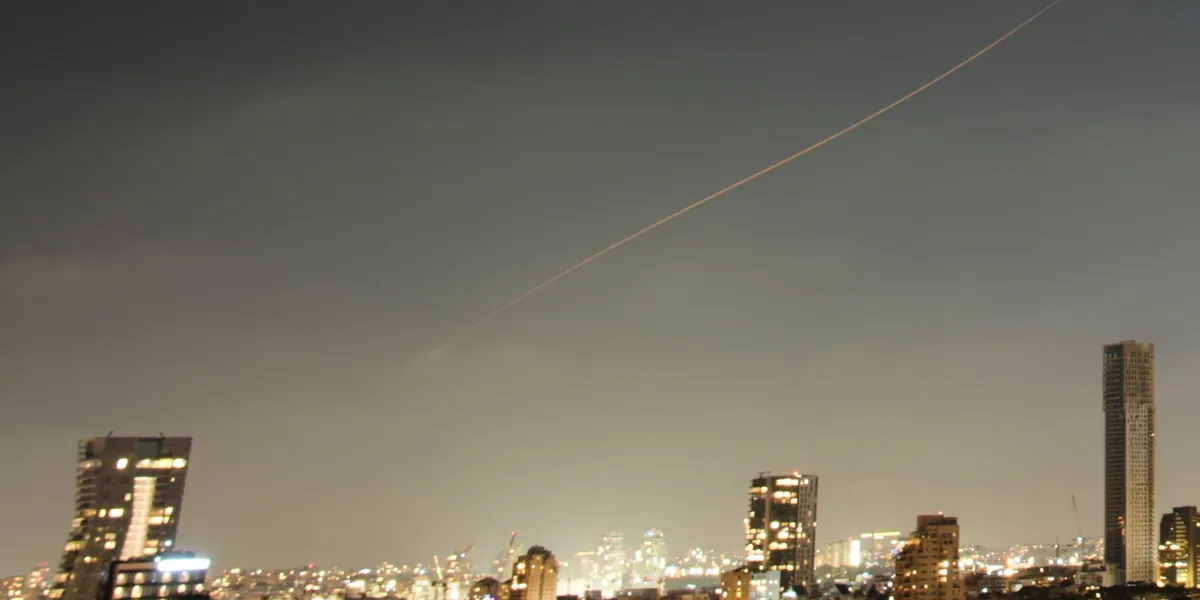
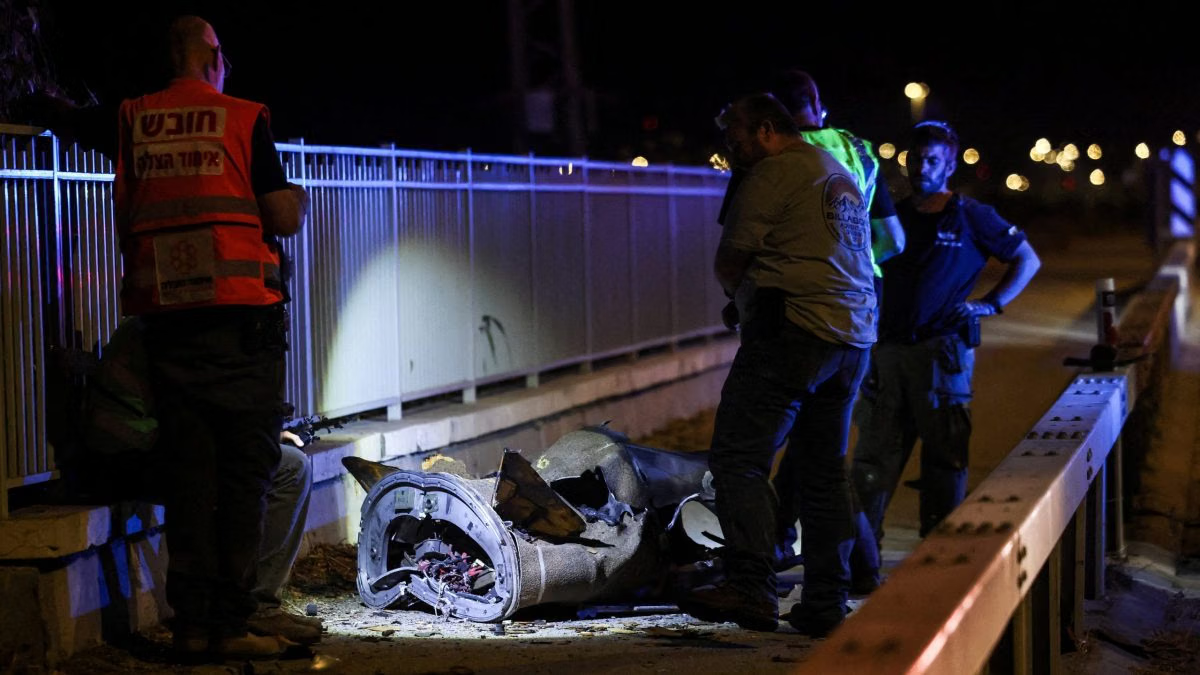
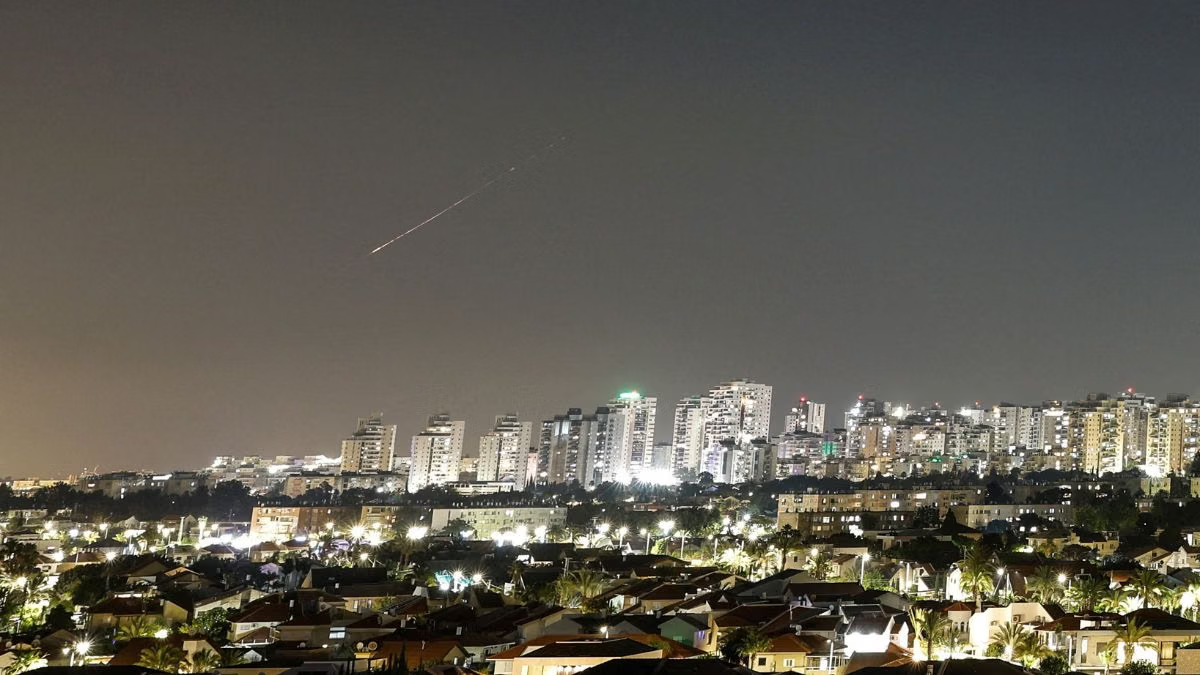
Iran’s attack late Sunday evening came after Tel Aviv struck Beirut. Israel announced that it “identified missiles launched from Iran toward Israel. Defensive systems are operating to intercept the threat”.An hour before that statement, the Israel Defense Forces (IDF) announced that it hit a Hezbollah command centre in the Dahieh area of Beirut, despite Trump’s earlier urging Tel Aviv to hold off strikes against the Lebanon capital.
Early Monday morning, the IDF announced that it “struck military targets belonging to the Iranian terror regime in Western and Central Iran”. Tel Aviv closed schools as a precautionary measure.The Islamic Revolutionary Guard Corps announced that its strikes against Israel were in response to Tel Aviv’s strikes on Hezbollah positions in the Lebanese capital. The latest exchanges between Israel and Iran are a setback to US efforts seeking a diplomatic end to the conflict that began on 28 February.The American President has of late sounded optimistic of finally arriving at a deal with Iran, even saying that he is looking forward to a meeting with Iranian Supreme Leader Mojtaba Khamenei at some point in the future.The deal being brokered by Pakistan has so far eluded Iranian and American negotiators as one of the sticking points remains an end to the conflict on all fronts including Lebanon. Israel has sought to negotiate directly with the Lebanese government, and split the discussions of ending its strikes on Hezbollah from the larger US-Iran negotiations.Around the time Iran launched its missile barrage at Israel, Iranian Foreign Minister Seyed Abbas Araghchi had posted an image of the Iranian and Lebanese flag on the social media platform X, while offering no other comment.In a call with the news website Axios, Trump had called on Israel to not retaliate. In a call with Netanyahu, Trump is said to have informed the Israeli Prime Minister to give diplomacy more time as the US and Iran are close to a deal.“I am going to call Bibi right now and tell him not to retaliate. Each of them had their fun. Israel had its strike, and Iran had its strike. We don’t need another one,” the US President said to Axios ahead of the call late Sunday evening.The call between the US leader and the Israeli leader was a lot less tense than the call last week. As Axios reported at the time, Trump had used expletives in a call with Netanyahu last week, as Israel looked to escalate its strikes in Lebanon.Tel Aviv and Hezbollah have been exchanging fire despite a ceasefire in place in Lebanon. Up until 25 May, Israel reported at least 1,500 ceasefire violations by the Hezbollah. The war between the US, Israel and Iran had had negative costs to the global economy. Iran effectively closed the Strait of Hormuz as a result of the war. The international waterway accounts for roughly a fifth of global energy exports.Since 8 April, a fragile ceasefire has been in place between Iran, the US and Israel. However, Tel Aviv has maintained that the Iranian ceasefire does not apply to Lebanon. On 17 April Lebanon and Israel announced a ceasefire had been reached, which Hezbollah rejected.Last week, Beirut and Tel Aviv once again said that it had arrived at a ceasefire. Despite the various announcements the Shia militia in Southern Lebanon and Israel have continued to exchange fire.For Netanyahu, the situation on the border with Lebanon is different from that with Iran. The Israeli Prime Minister has been facing a lot of domestic criticism for acquiescing to Trump’s demands on restraint. Israel goes to the polls in a few months.(Edited by Nardeep Singh Dahiya)