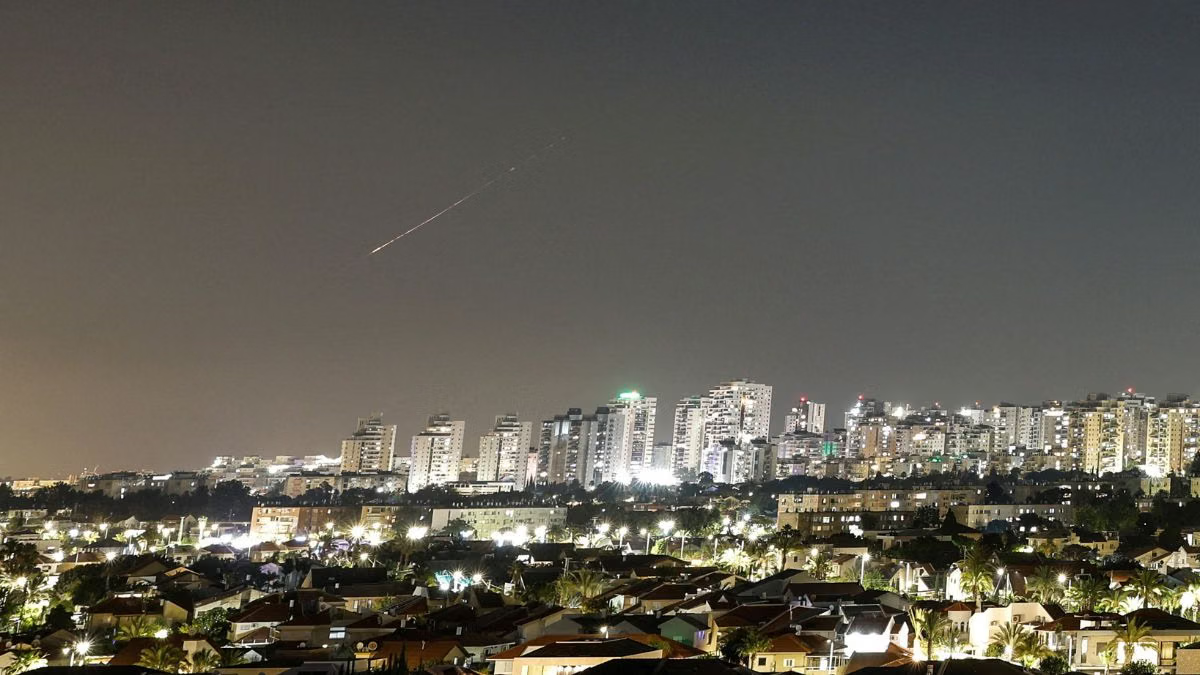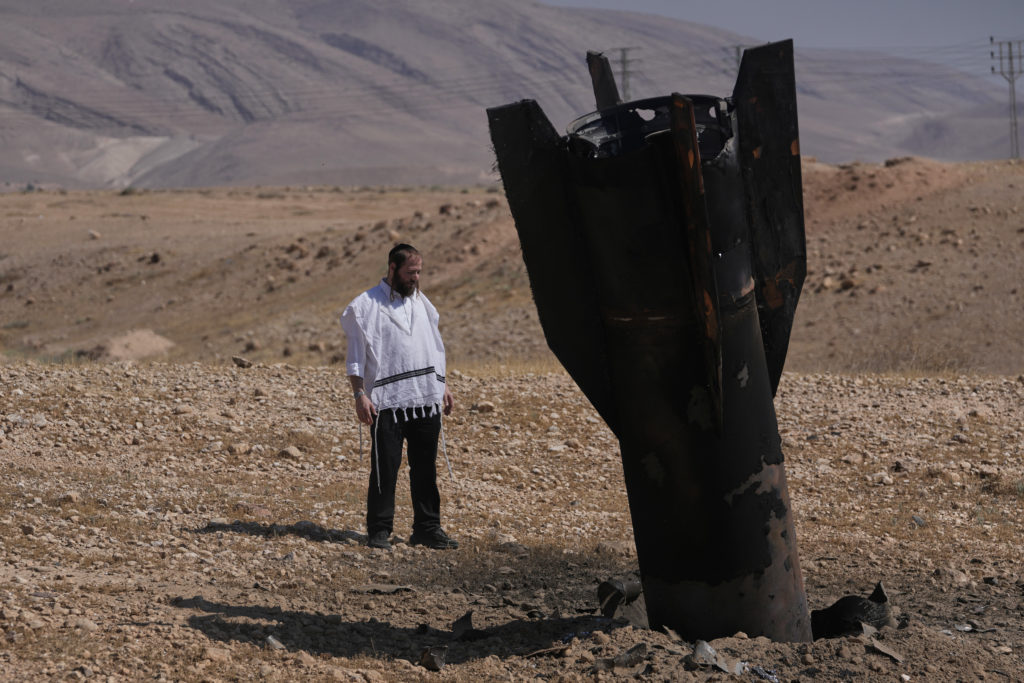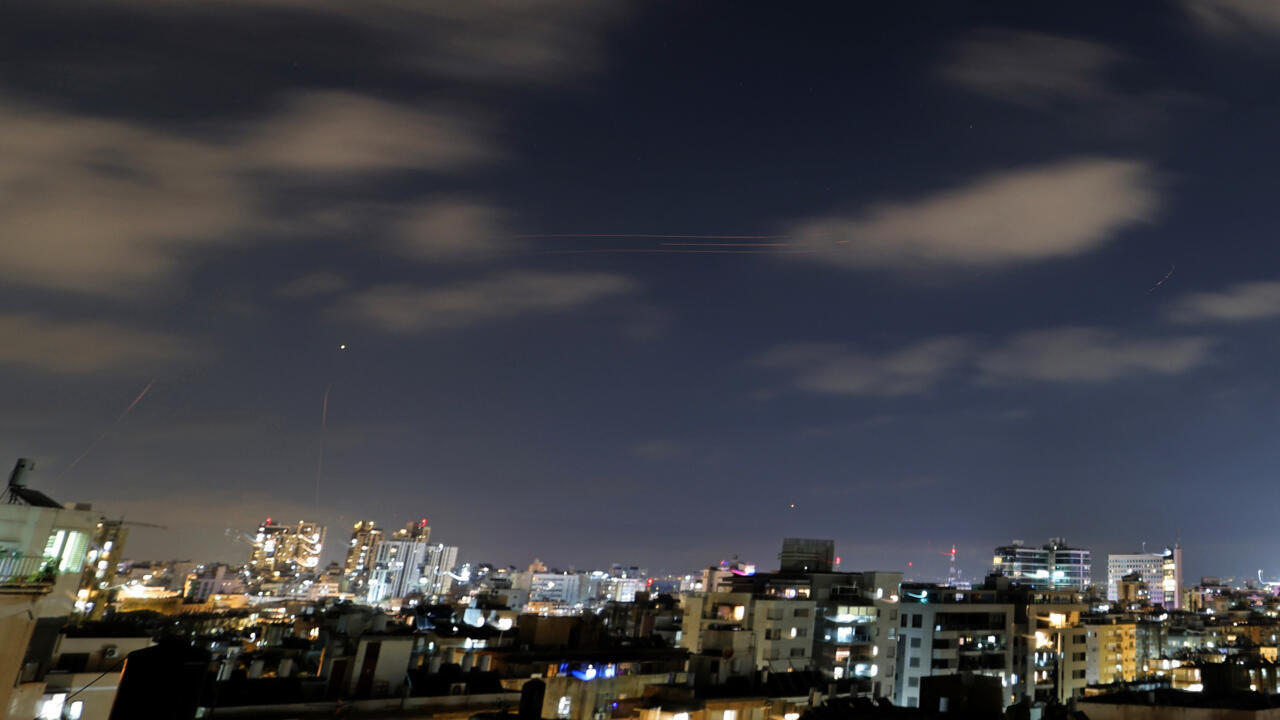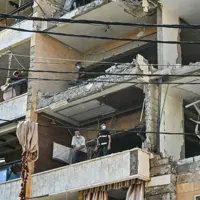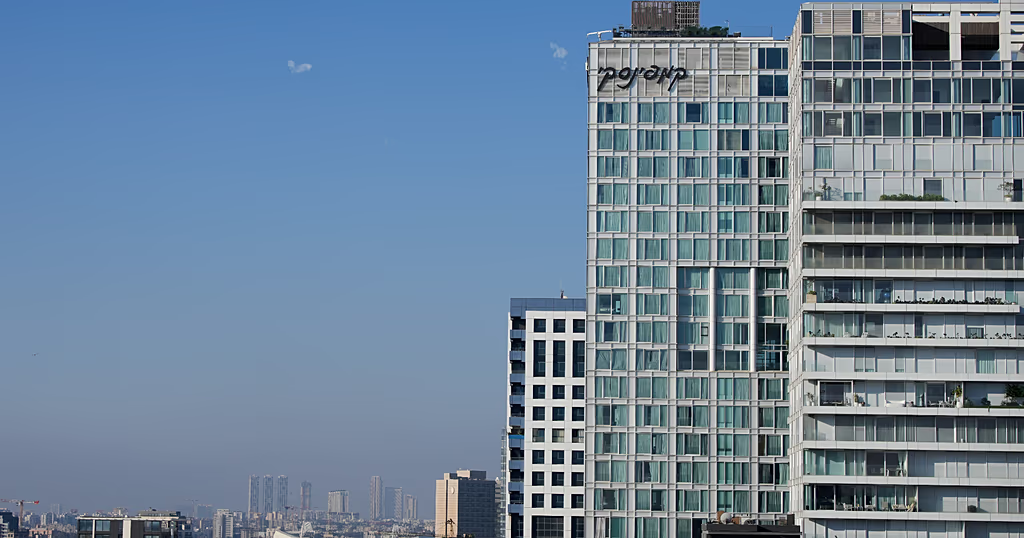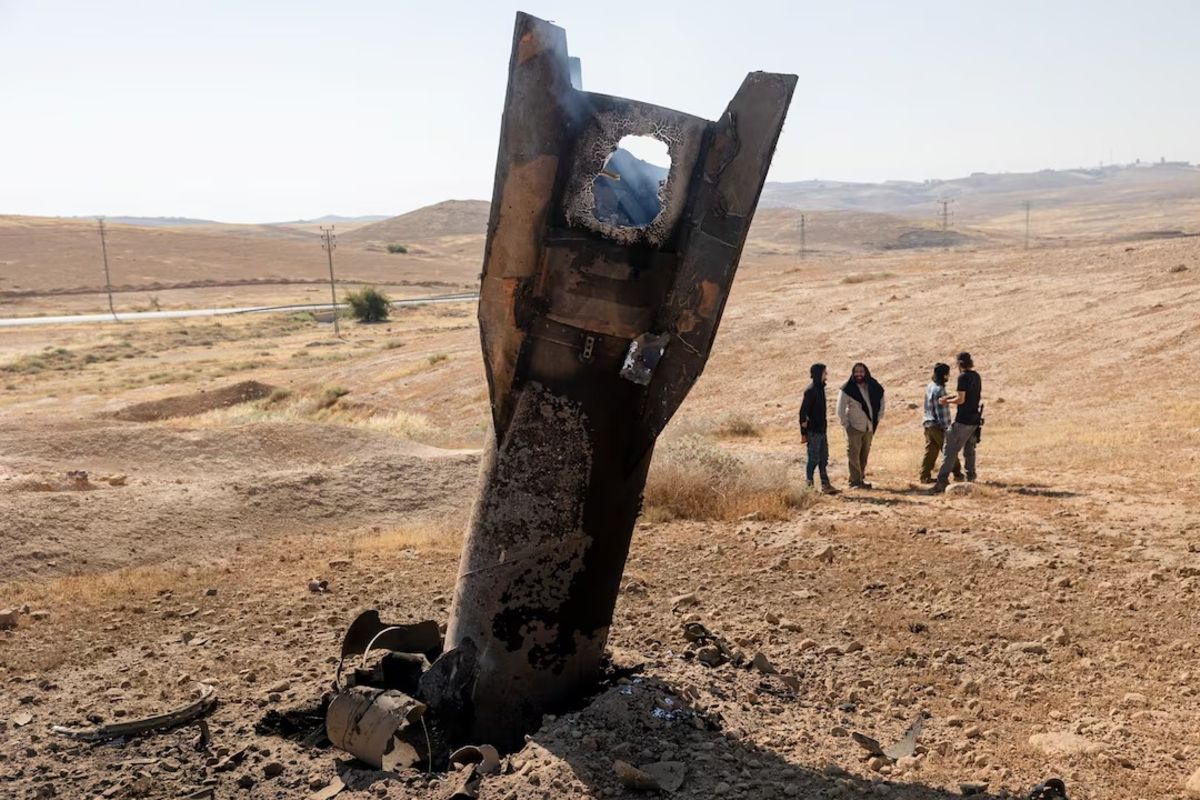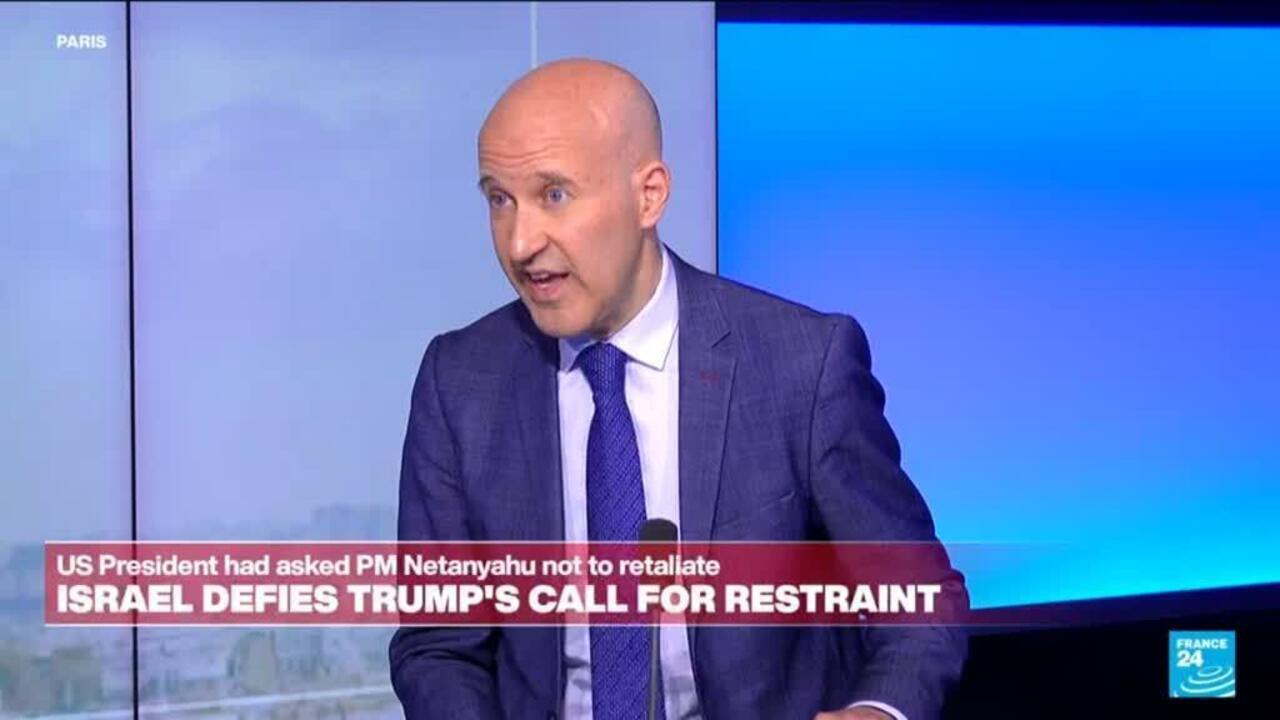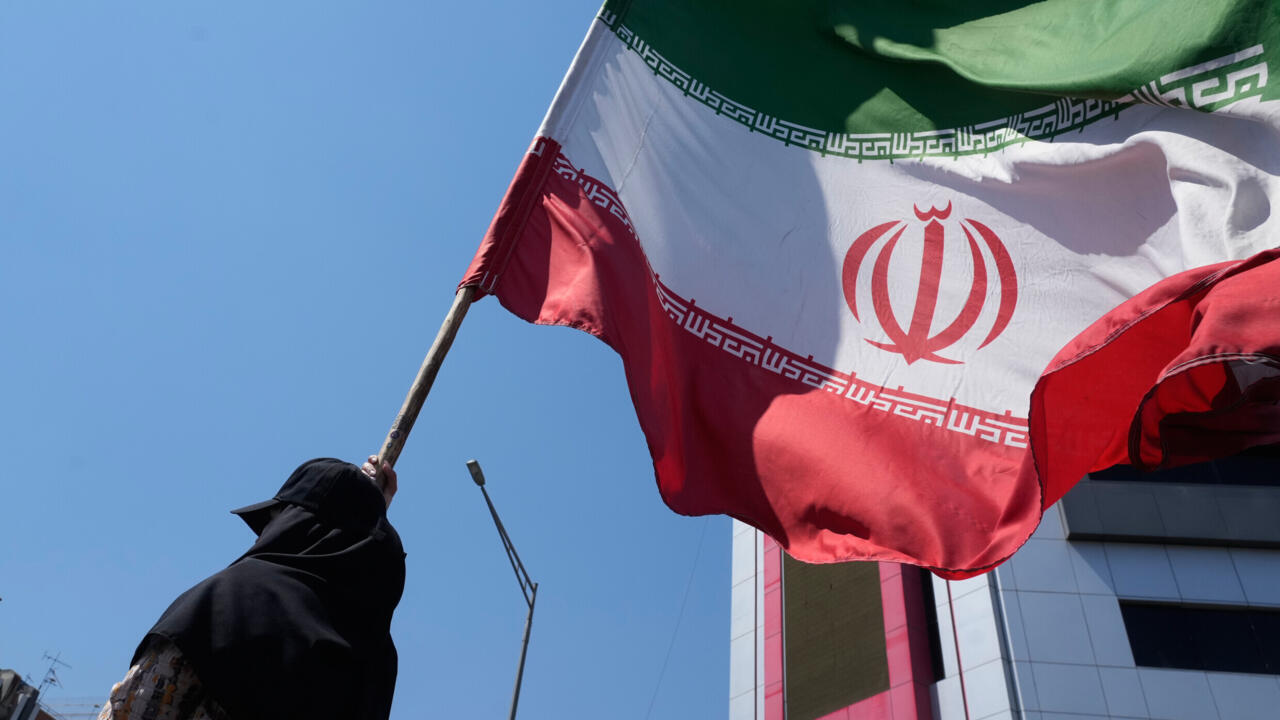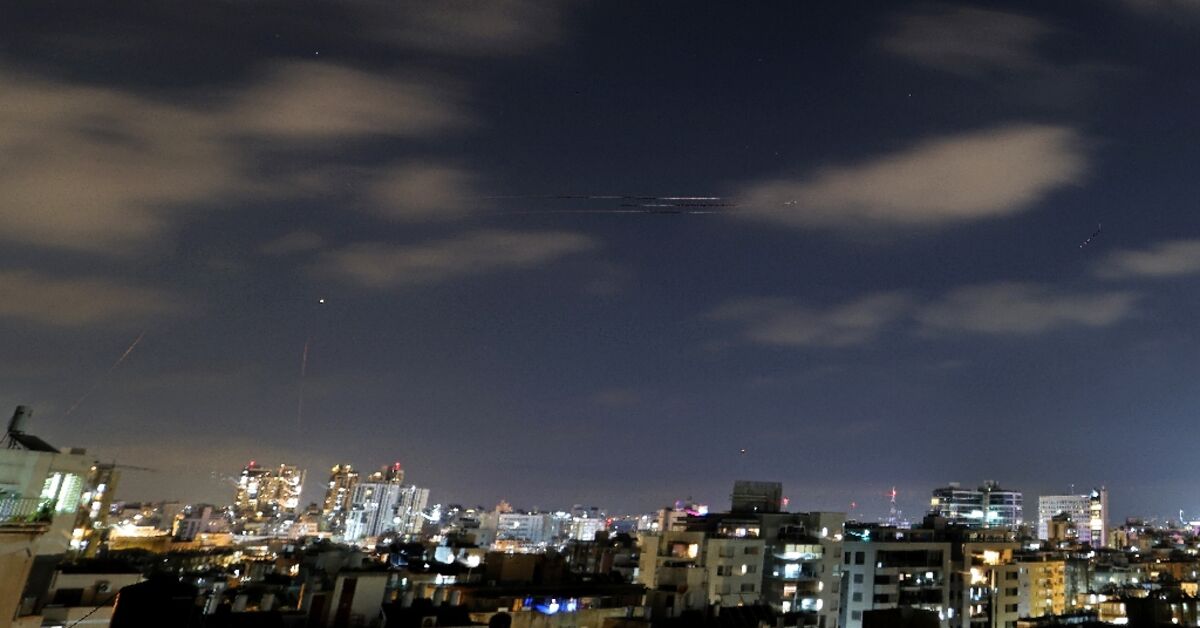
Israel and Iran exchanged attacks on Monday for the first time since a ceasefire in the Middle East war took effect two months ago, despite US President Donald Trump calling for restraint.Israel's strikes came after Iran targeted Israel to avenge an airstrike on Beirut's southern suburbs, where the Islamic republic's proxy Hezbollah holds sway.The exchange followed weeks of fruitless negotiations seeking to bring about a definitive end to the regional war sparked by US and Israeli strikes on Iran on February 28.No casualties have been reported so far.The violence included a strike on an Iranian petrochemical complex and a missile attack on Israel by Yemen's Houthi rebels. It came hours after Trump called on Israel to refrain from retaliating to Tehran's missiles.AFP journalists in Jerusalem and the West Bank city of Ramallah heard a series of explosions and the Israeli army said it worked to intercept a new wave of Iranian missiles.Iran's Revolutionary Guards said they had struck Israel's Nevatim and Tel Nof air bases "in response to a missile attack launched by the Zionist regime".- 'I call the shots' -Yemen's Iran-backed Houthi rebels meanwhile announced a missile attack on Israel on Monday, the first since early April, and declared a ban on Israeli shipping in the Red Sea, raising the spectre of a return to major disruption on the key route."We declare a complete and total ban on Israeli maritime navigation in the Red Sea," said a statement from the Houthis' armed forces.Trump called for calm from both Israeli Prime Minister Benjamin Netanyahu and the Iranians, but Israel accused Tehran of making a "grave mistake". "I call the shots. I call all the shots. He doesn't call the shots," Trump said in an interview with the Financial Times on Sunday, referring to Netanyahu.In a separate interview with Fox News, Trump said: "What I would suggest to Iran: You've shot your missiles, that's enough, get back to the table and make a deal."- 'Legitimate targets' -The European Union's top diplomat Kaja Kallas urged calm Monday and called on both sides to "sit down to a negotiation table and agree".China also called on the two sides to refrain from fighting, with foreign ministry spokesman Lin Jian saying that "resuming hostilities is not in any party's interest".Tehran has insisted any deal to permanently end the war must also halt the parallel conflict in Lebanon, where Israel was pursuing a campaign against Hezbollah.Iran's Revolutionary Guards called the attack a "warning" after Israel struck Beirut's southern suburbs earlier in the day, threatening wider strikes in the event of repeated aggression.A separate Iranian attack targeting the headquarters of "terrorist groups" in Iraqi Kurdistan on Monday added yet more strain to hopes for a lasting peace.The Iranian government accuses the armed Kurdish parties of serving Western or Israeli interests.
Israel, Iran trade fire for first time since truce
Israel and Iran exchanged attacks on Monday for the first time since a ceasefire in the Middle East war took effect two months ago, despite US President Donald Trump calling for restraint.Israel's strikes came after Iran targeted Israel to avenge an airstrike on Beirut's southern suburbs, where the Islamic republic's proxy Hezbollah holds sway.The exchange followed weeks of fruitless negotiations seeking to bring about a definitive end to the regional war sparked by US and Israeli strikes on Iran on February 28.No casualties have been reported so far.
706 words~3 min read