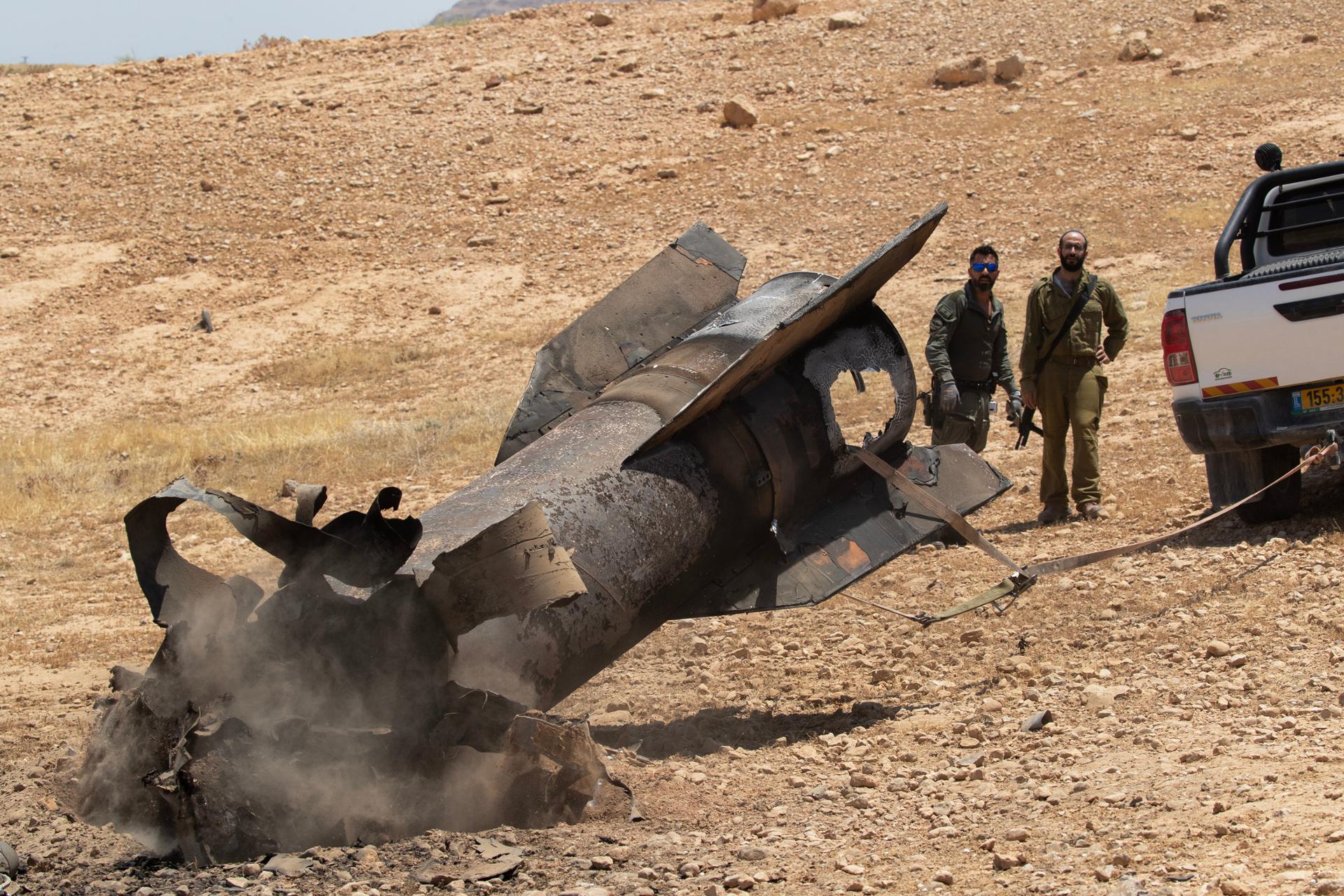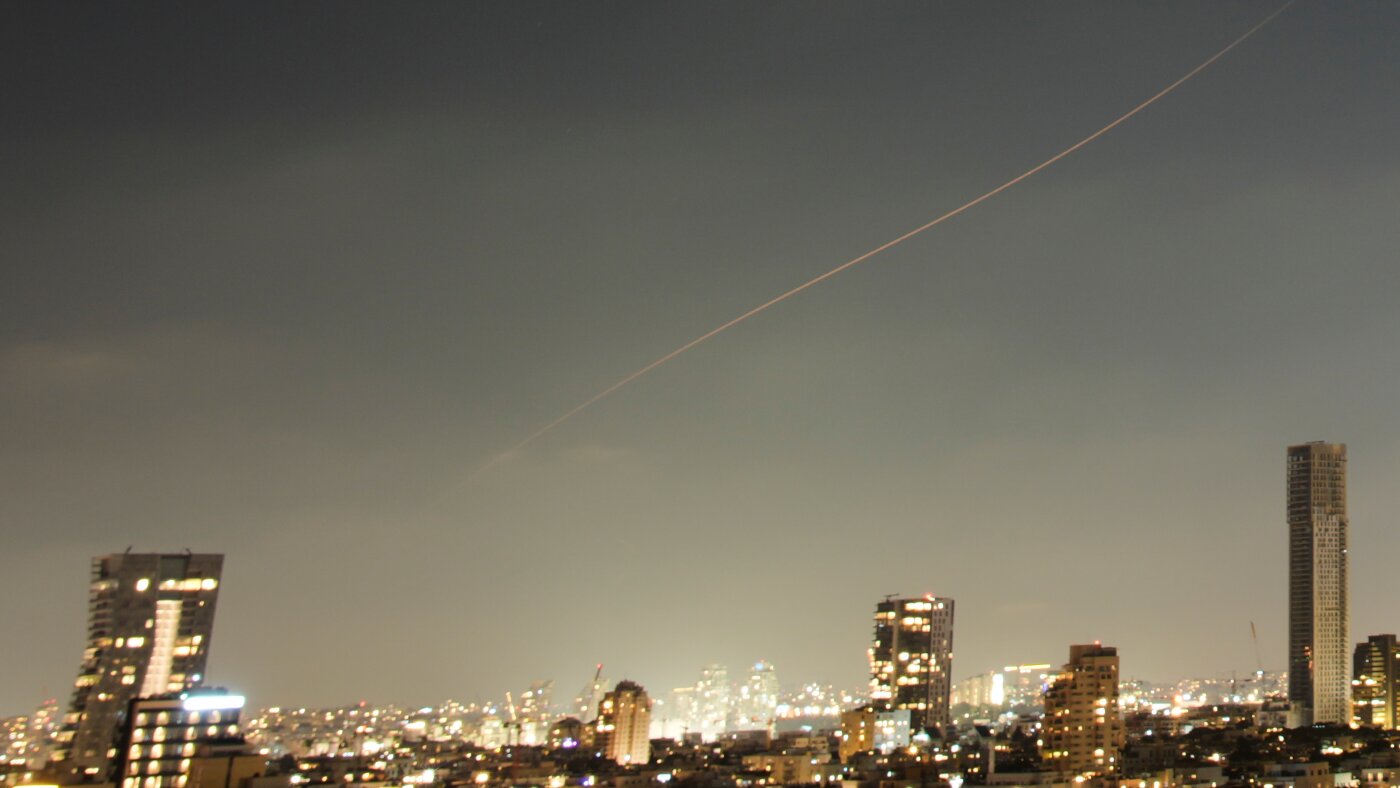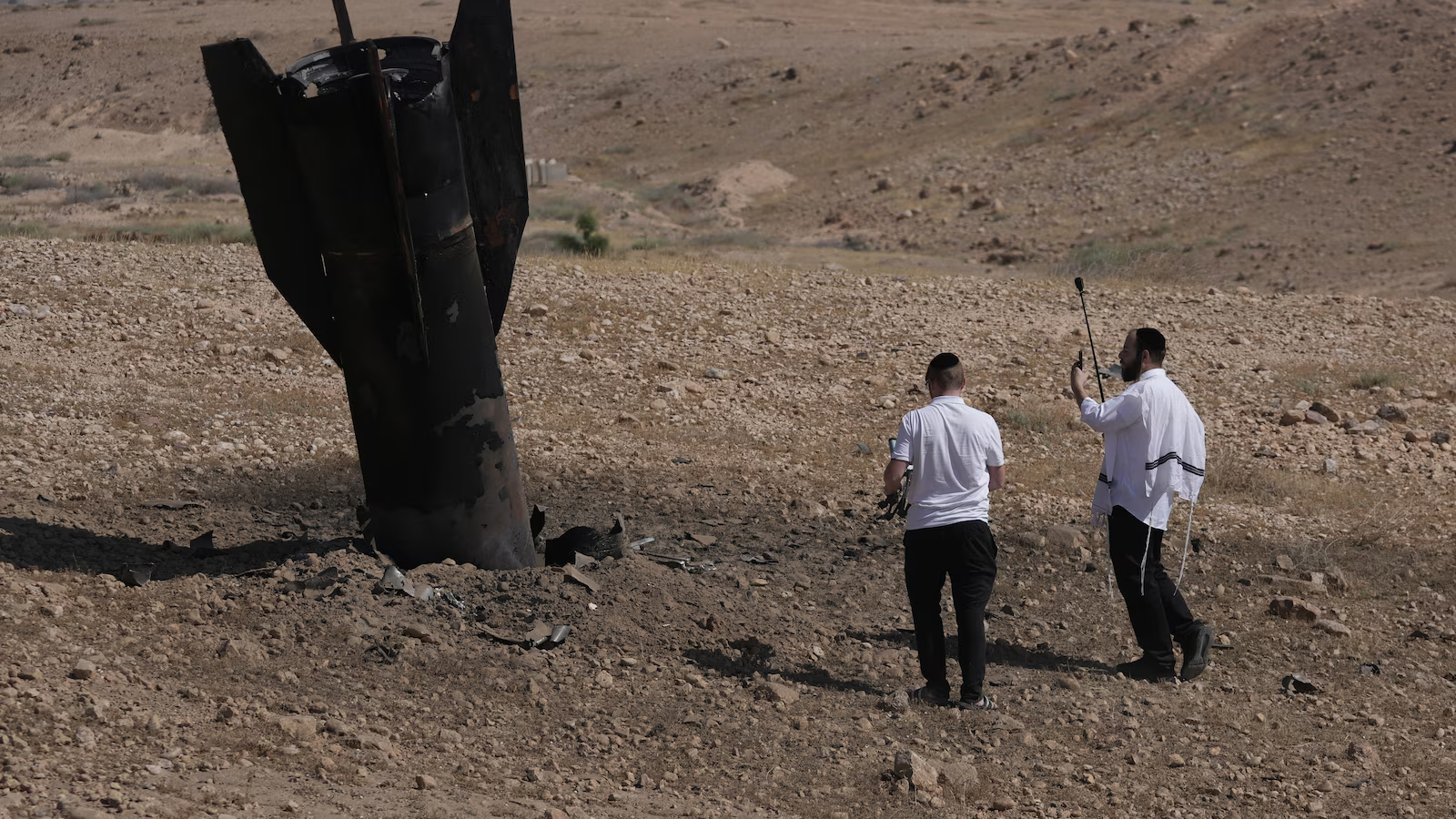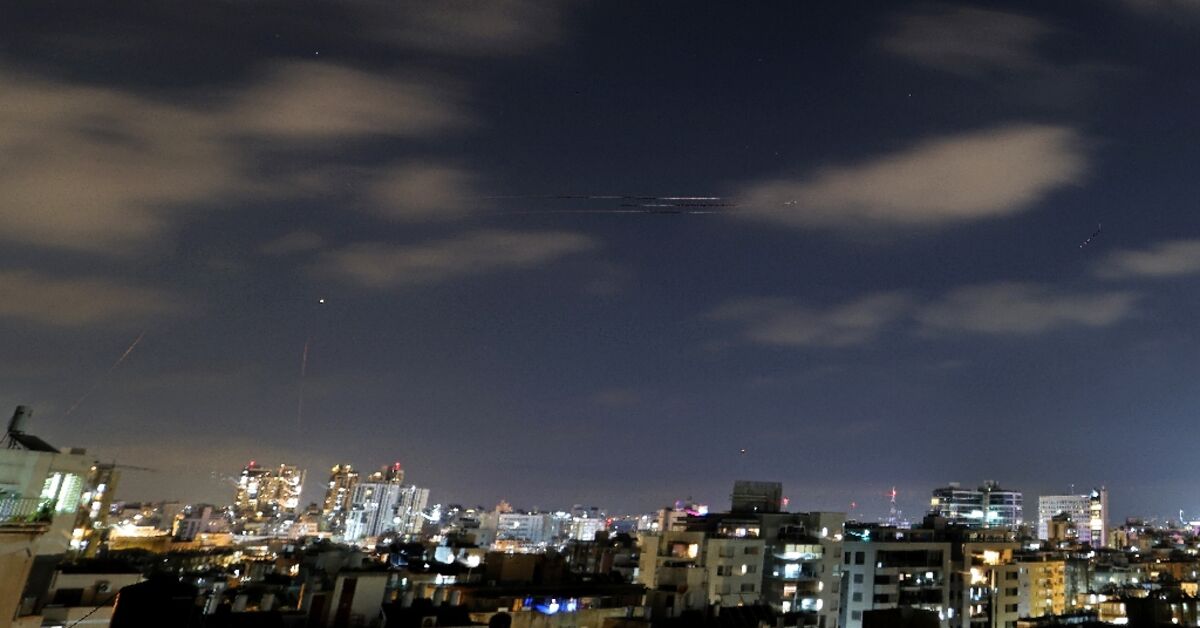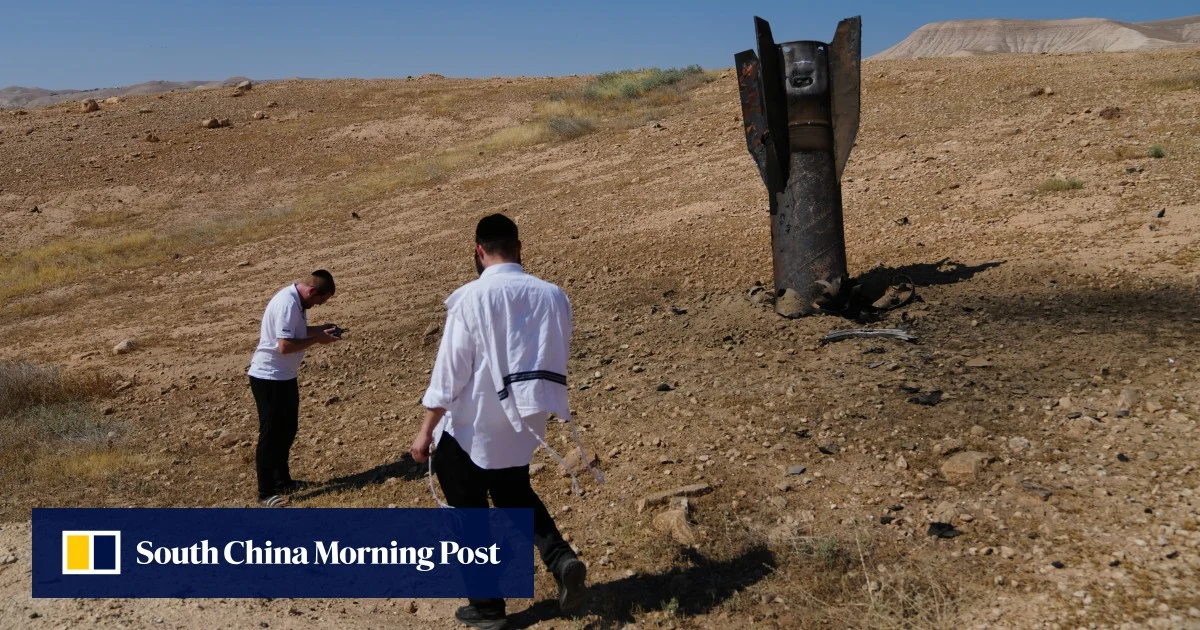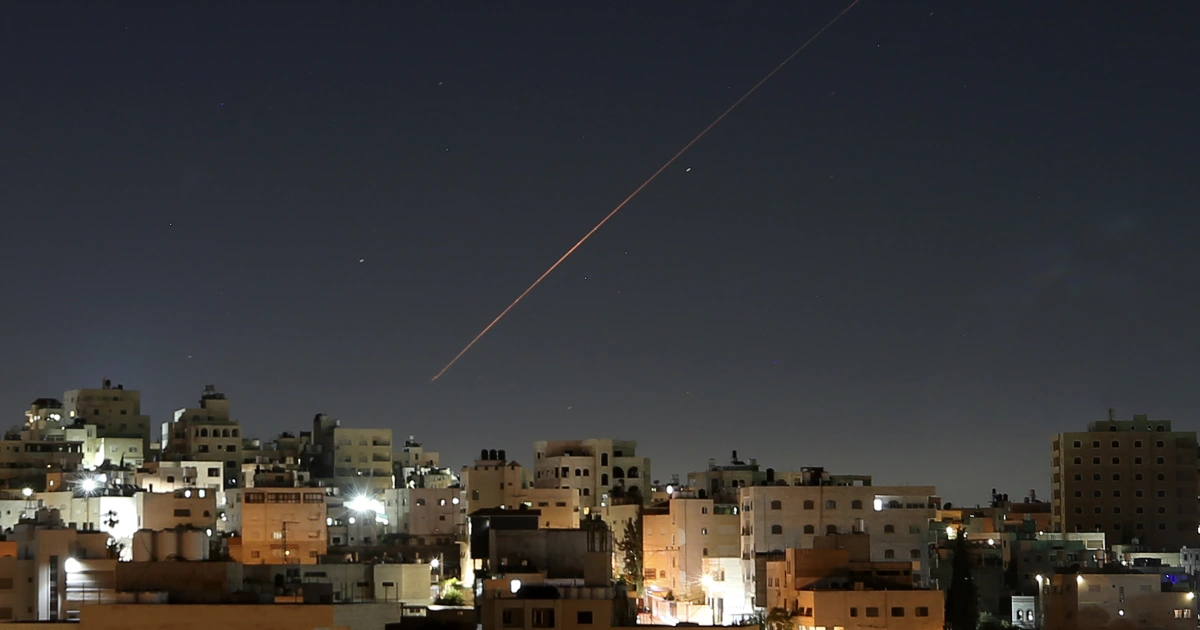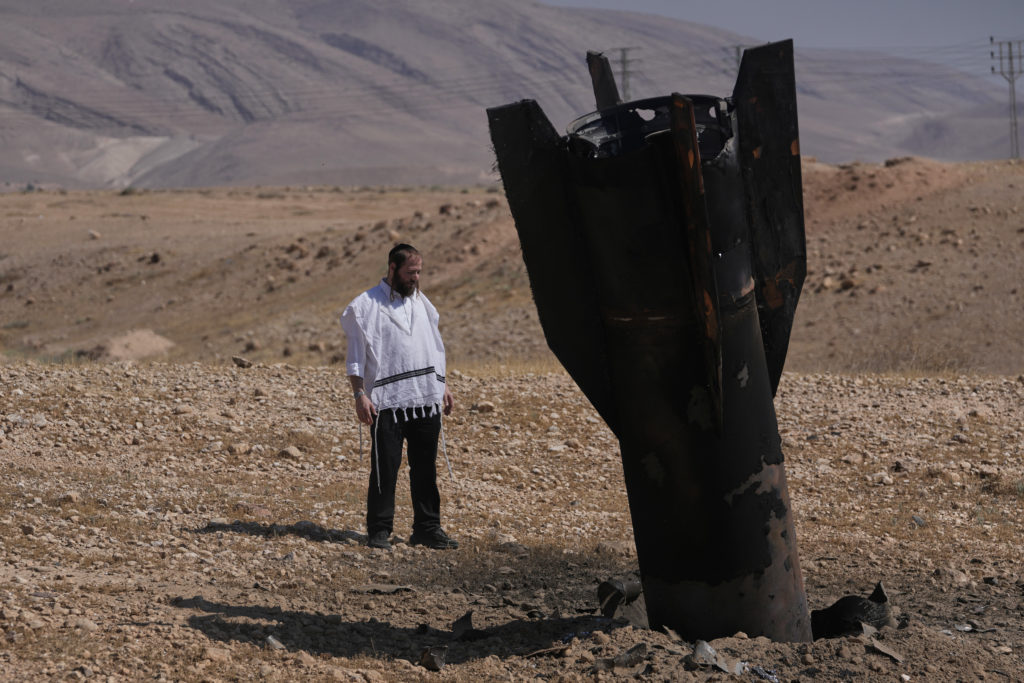
DUBAI, United Arab Emirates (AP) — Israel and Iran traded fire Monday in their first attacks since the U.S. struck a ceasefire with Tehran two months ago. The Iranian military said hours later that it was halting offensive operations as the renewed hostilities threatened to drag the Middle East back into a full-scale war.
The U.S. told Iran there would be no more attacks by Israel if Iran halted its missile strikes, and that Israel has agreed to halt attacks for now, according to a regional official who spoke on condition of anonymity because they were not authorized to speak to the media.
The White House and Israeli Prime Minister Benjamin Netanyahu's office did not immediately respond to a request for comment.
Since the U.S. and Israel began striking Iran on Feb. 28, the war has shaken the global economy, driven energy prices up around the world and made many basics, including food, more expensive. Officials have been unable to turn the April ceasefire into a deal to permanently end the conflict.
During the truce, Iran has maintained its stranglehold on the Strait of Hormuz — a crucial passage for the world's oil and natural gas whose closure was the primary reason global fuel prices skyrocketed. Israel has continued to strike Hezbollah, Iran's ally in Lebanon, and pushed deeper into that country. And on Monday, Yemen's Houthi rebels, another Iranian ally, fired at Israel and warned they would target Israel-affiliated ships in the Red Sea.