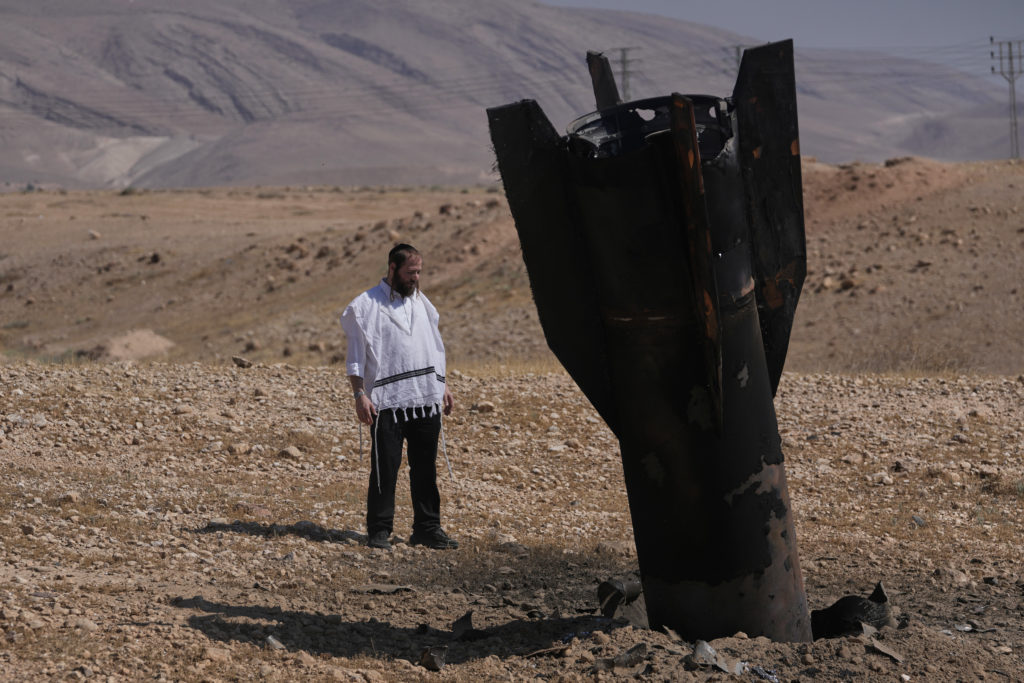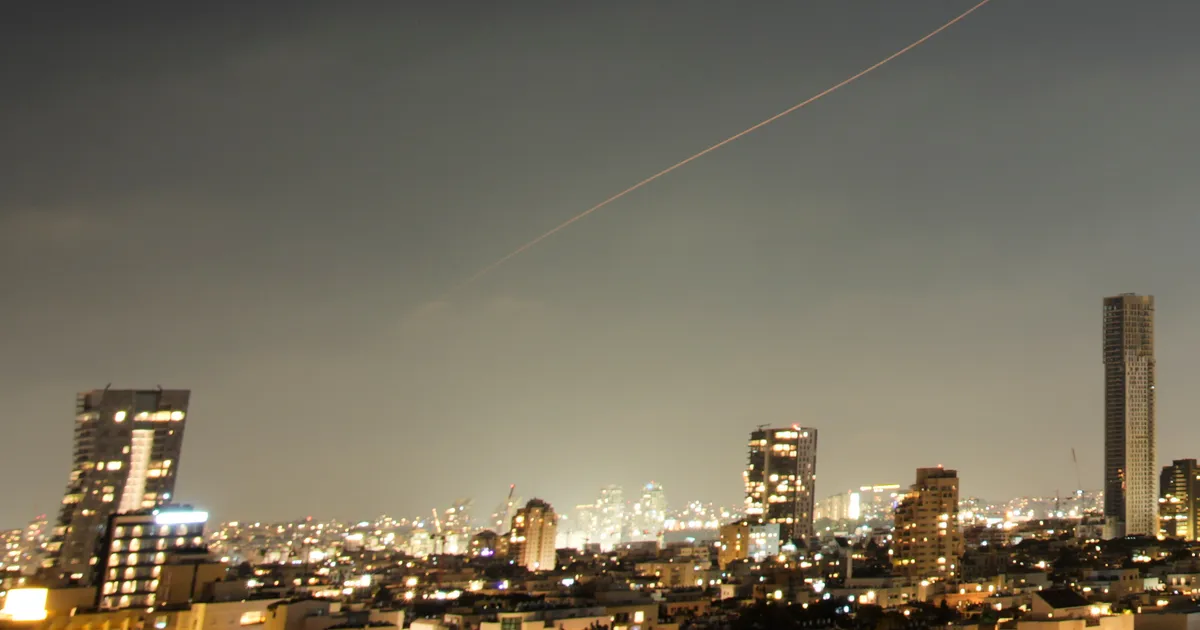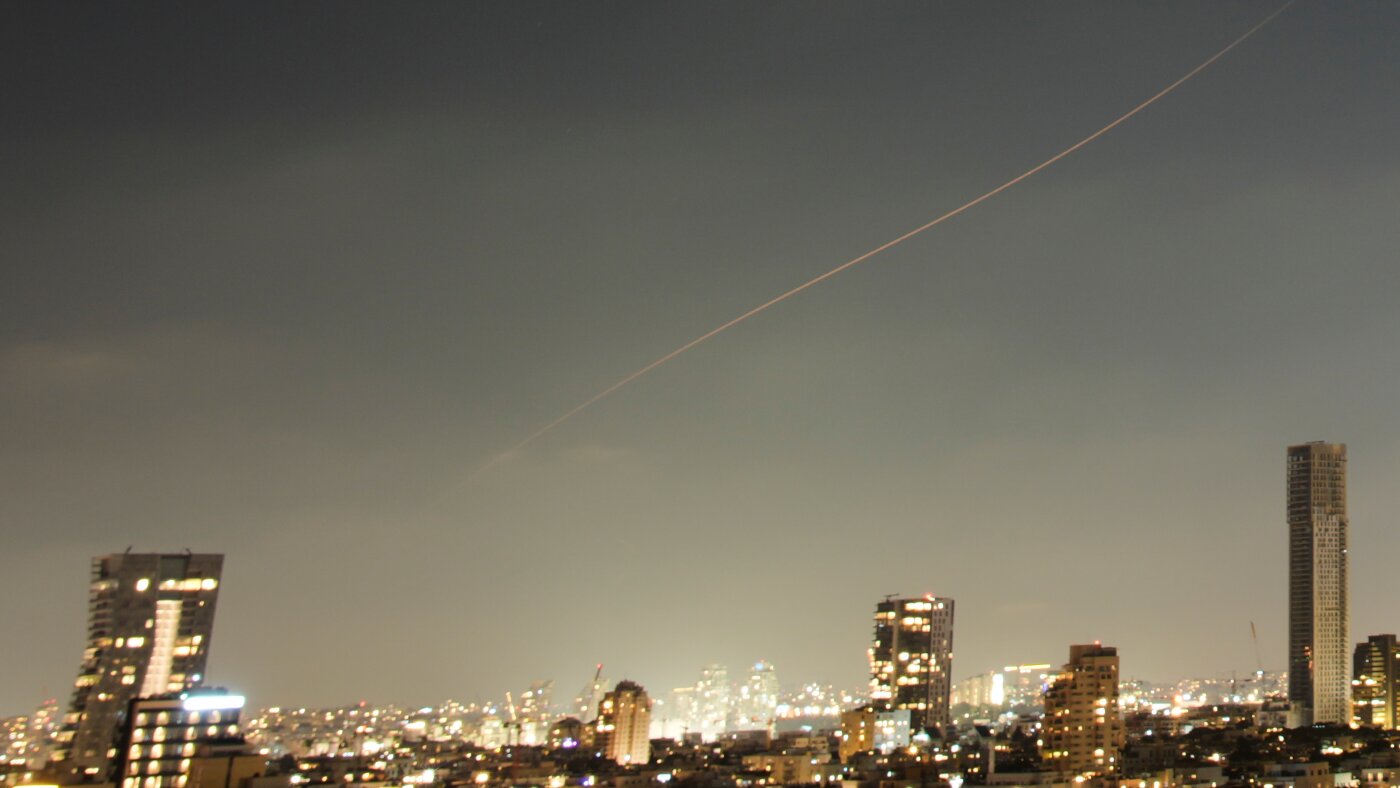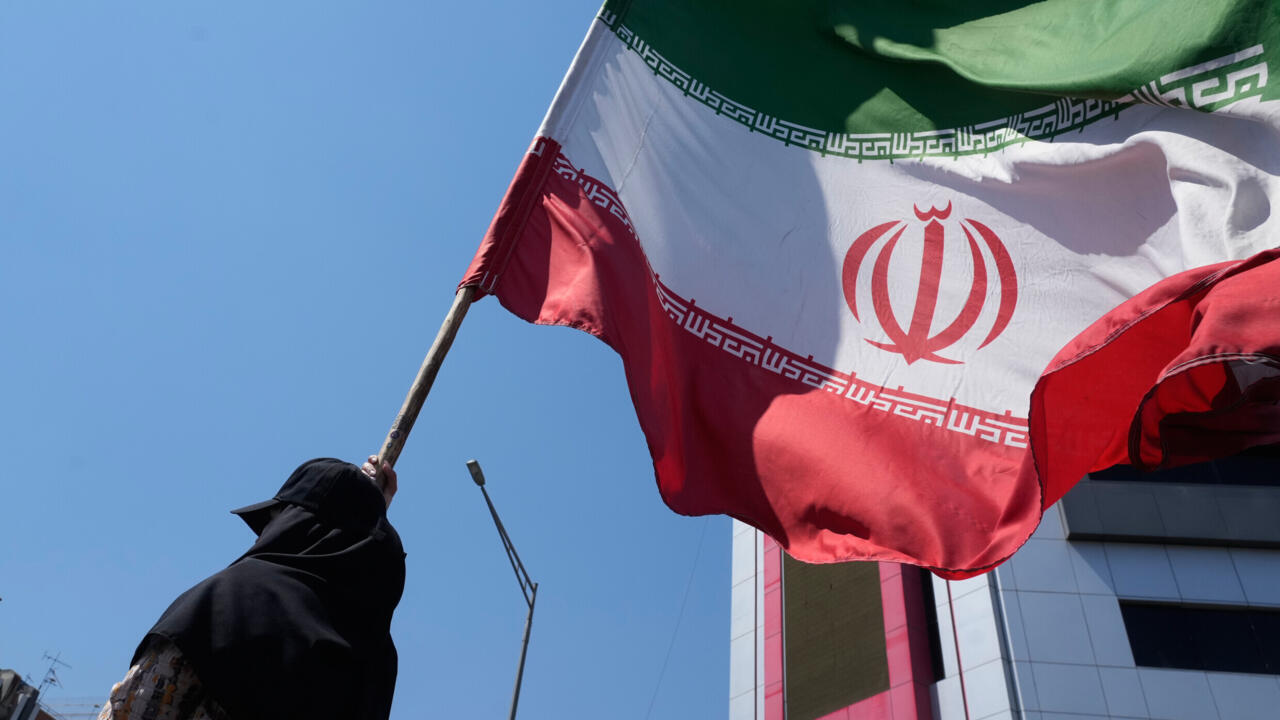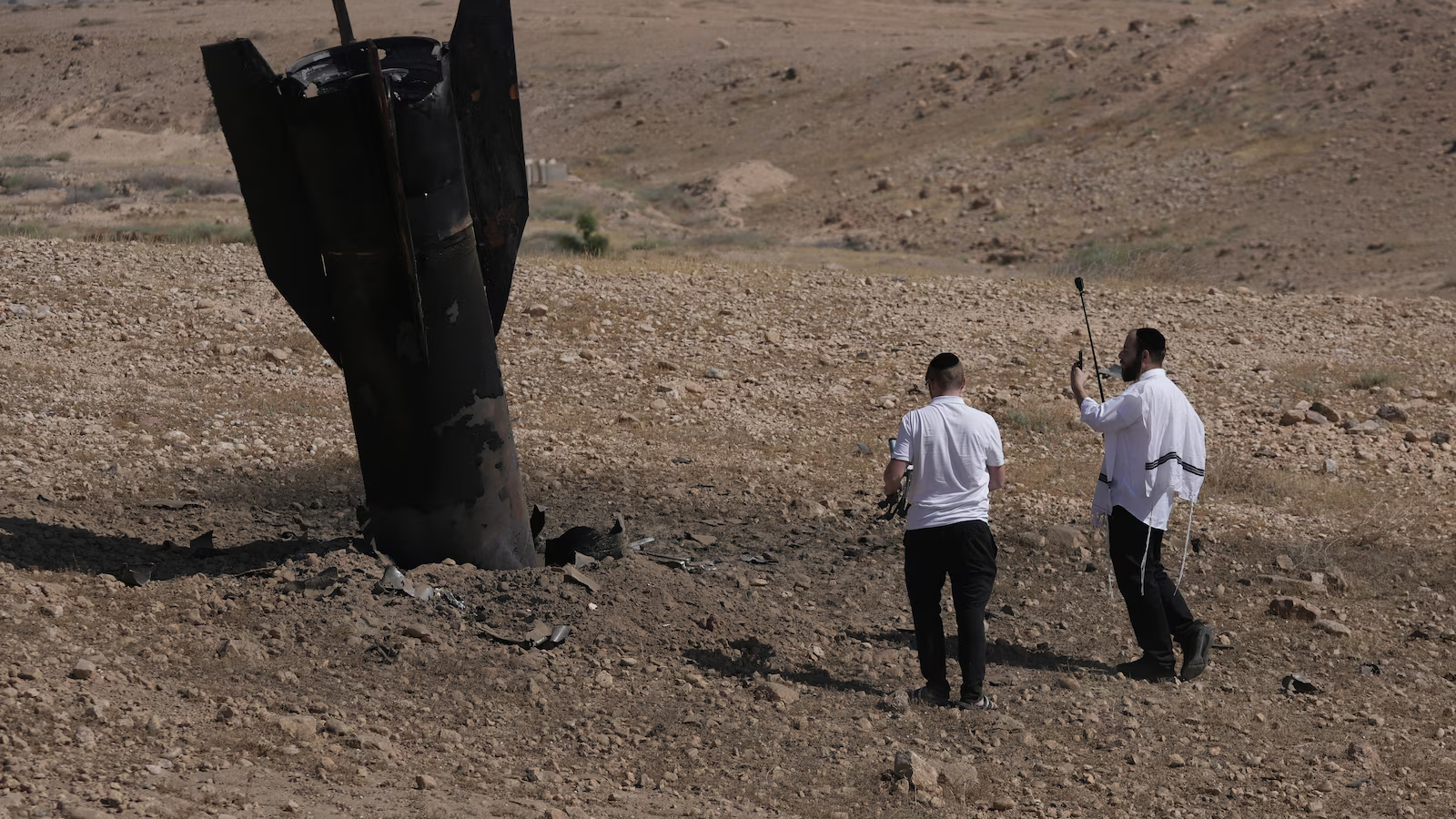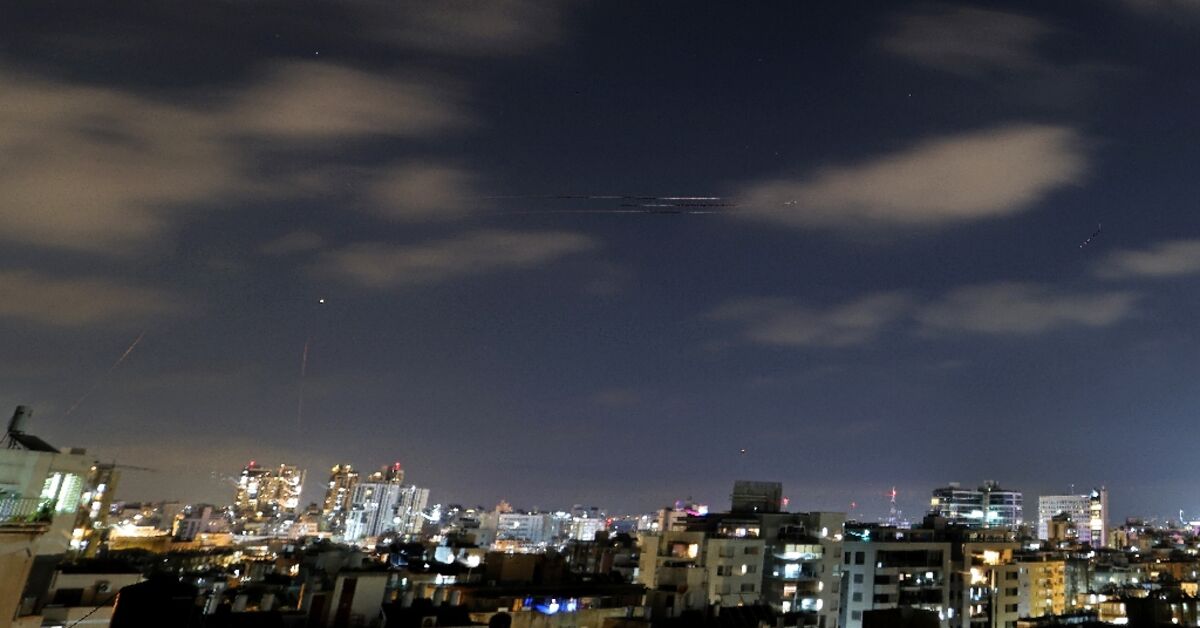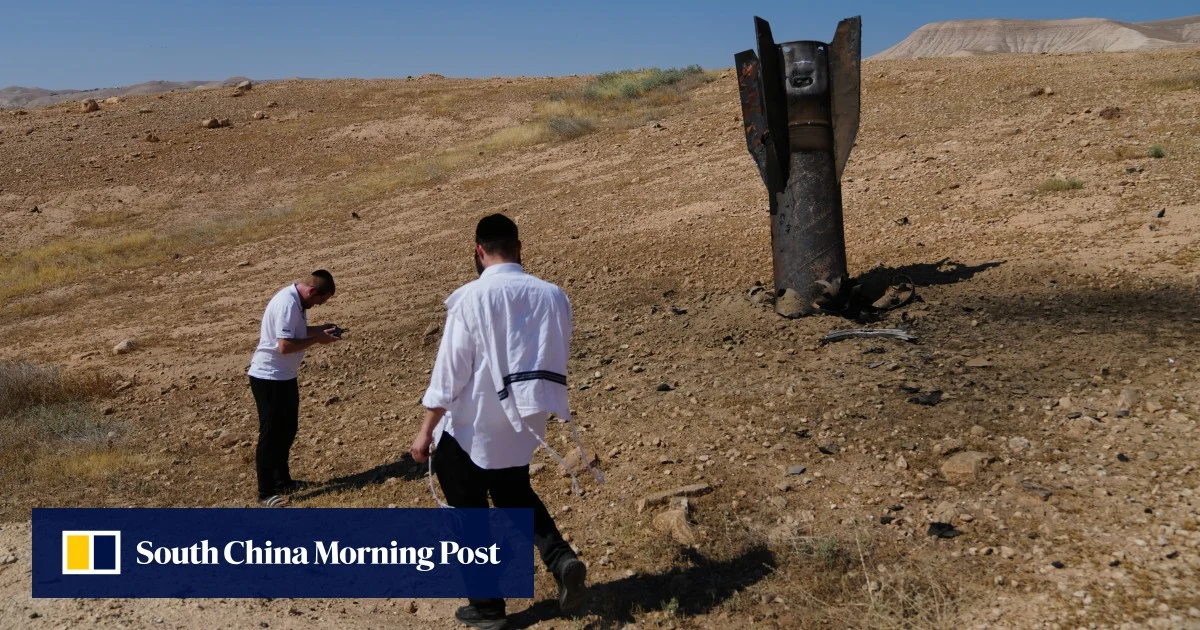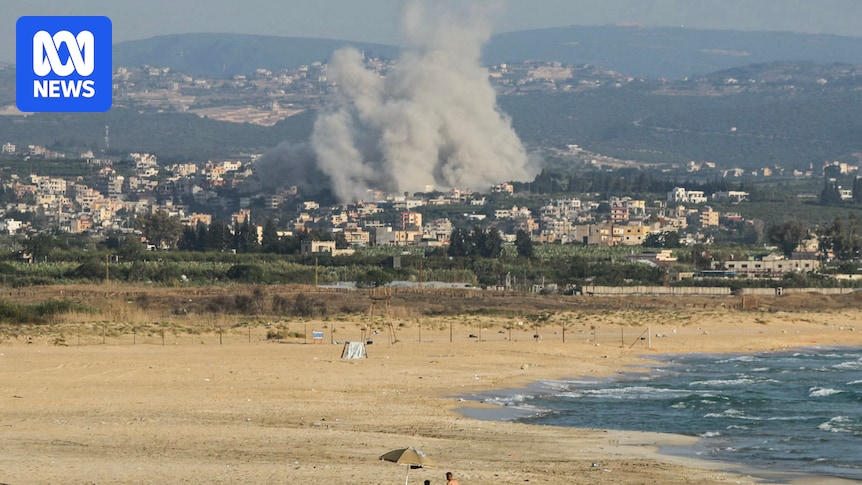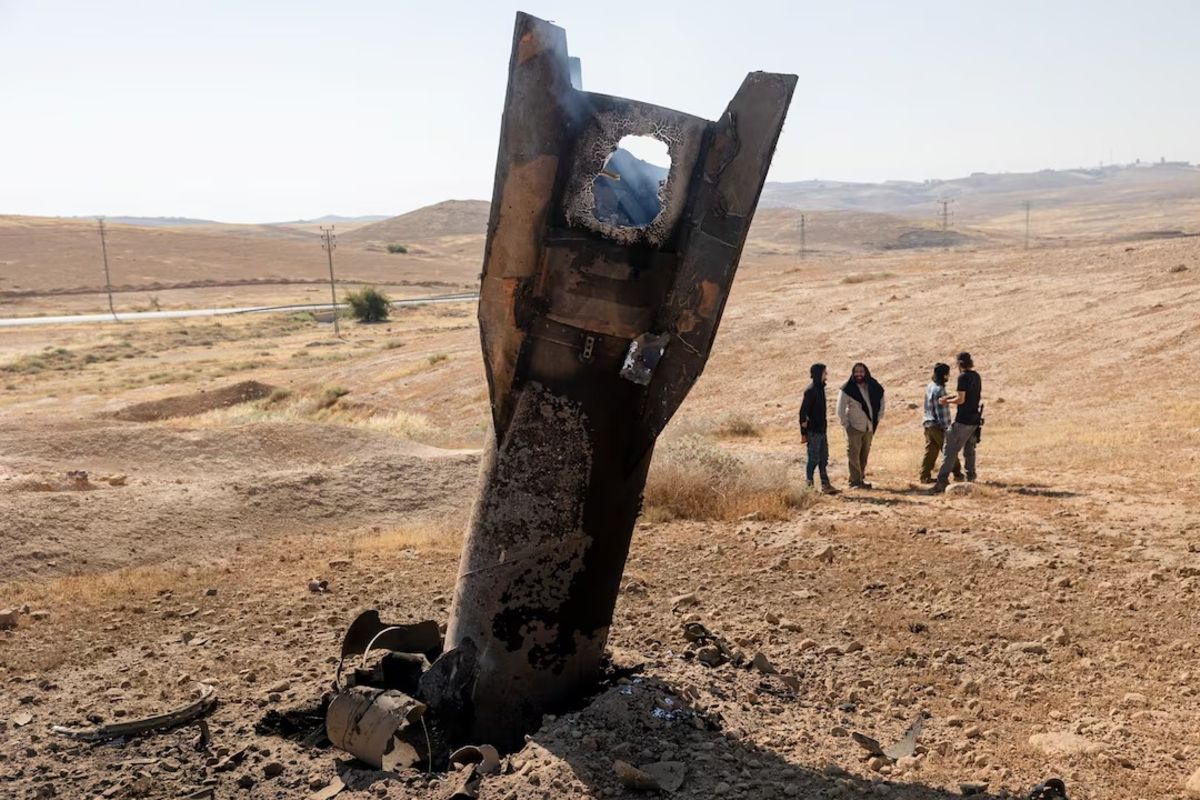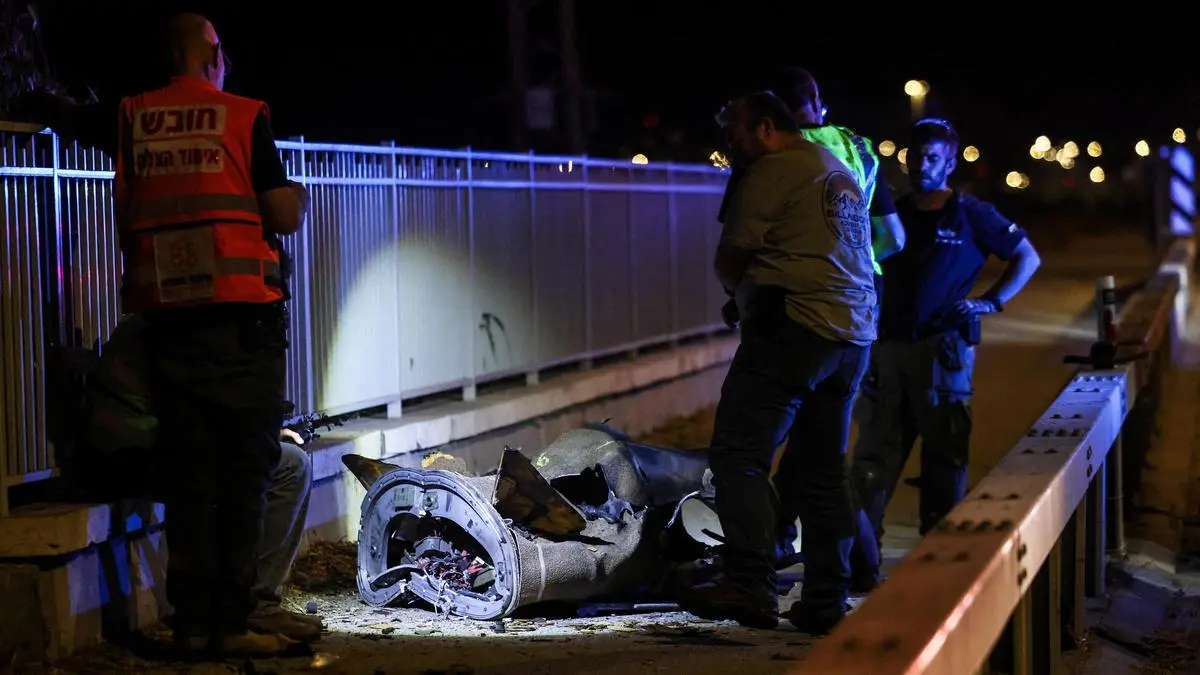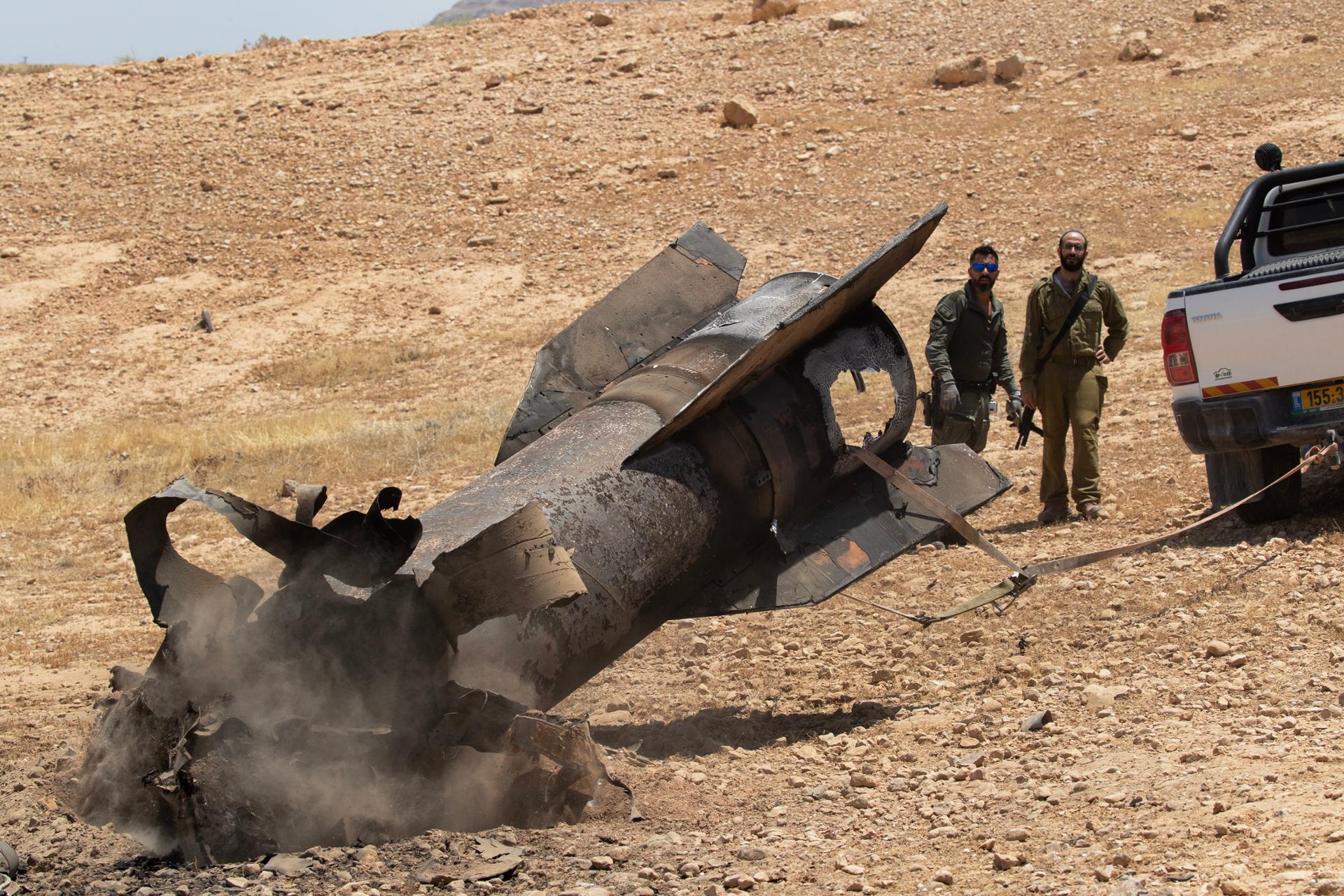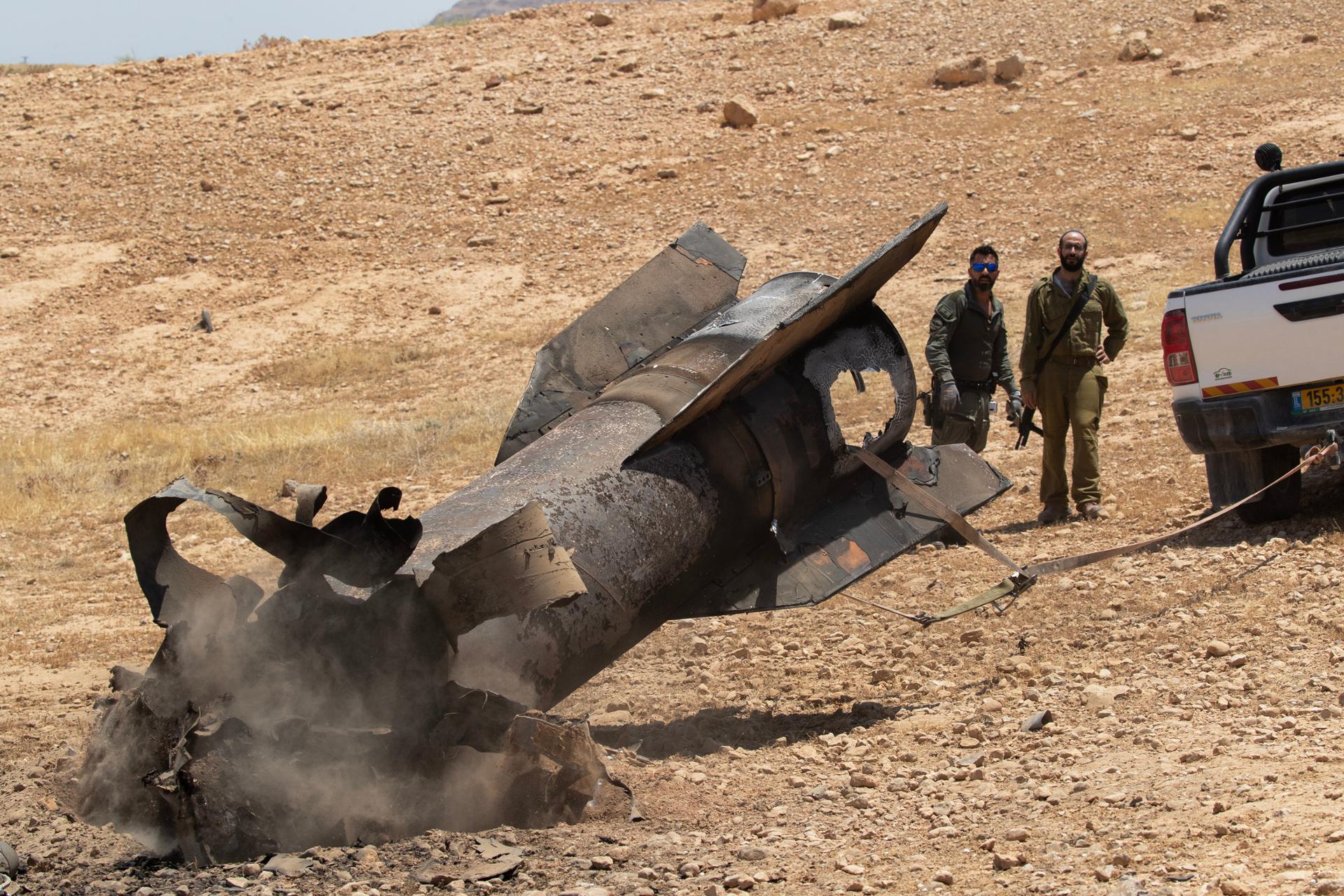
Israeli Border Police and a soldier removing the remains of an Iranian ballistic from the desert landscape in the area near Jericho, in the West Bank on Monday after it was intercepted by Israel and fell to the desert. Iran fired barrages of missiles and Israel carried out military strikes on both Beirut and Iran. Both Iran and Israel have signaled they would wind down the military escalation that shattered the two month ceasefire. UPI-Yonhap
DUBAI, United Arab Emirates — Israel and Iran traded fire Monday in their first attacks since the U.S. agreed to a ceasefire with Tehran two months ago. The Iranian military said hours later that it was halting offensive strikes, while Israeli Prime Minister Benjamin Netanyahu warned that Israel would retaliate against further attacks.
In a videotaped statement, Netanyahu implied that the current round of fighting was over. But he also warned that if Iran "makes the mistake and returns to attacking us, we will respond with force.”
The renewed hostilities between Israel and Iran raised concerns that the Middle East could be plunged back into a full-scale war.
Since the U.S. and Israel began striking Iran on Feb. 28, the war has shaken the global economy, driven energy prices up around the world and made many basics, including food, more expensive. Officials have been unable to turn the April ceasefire into a deal to permanently end the conflict.