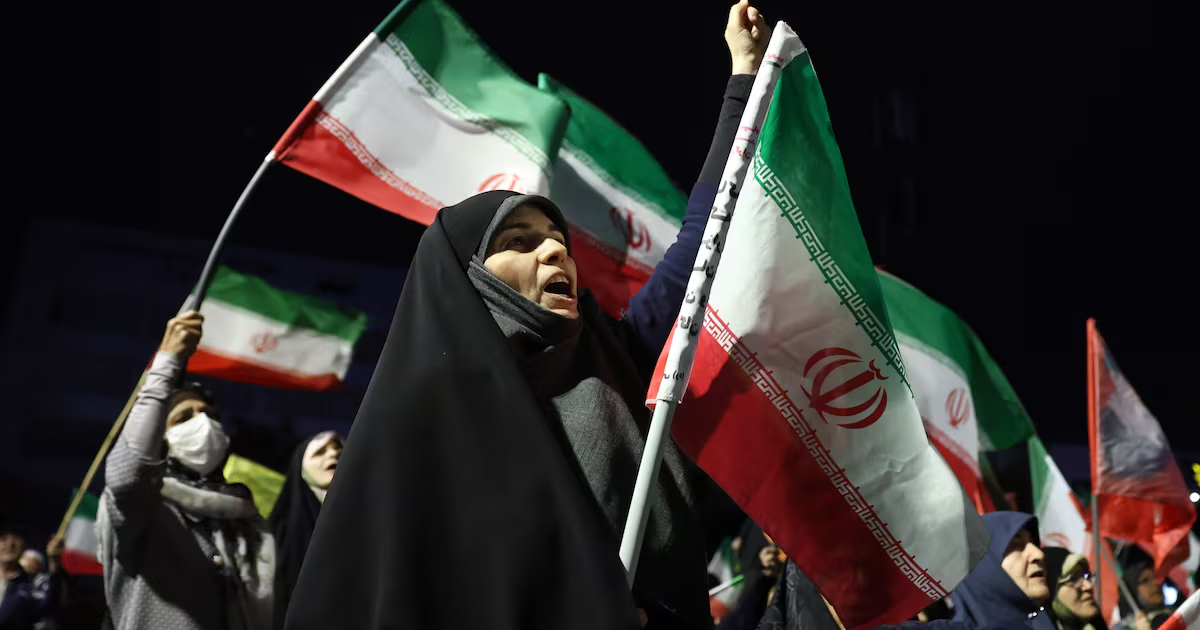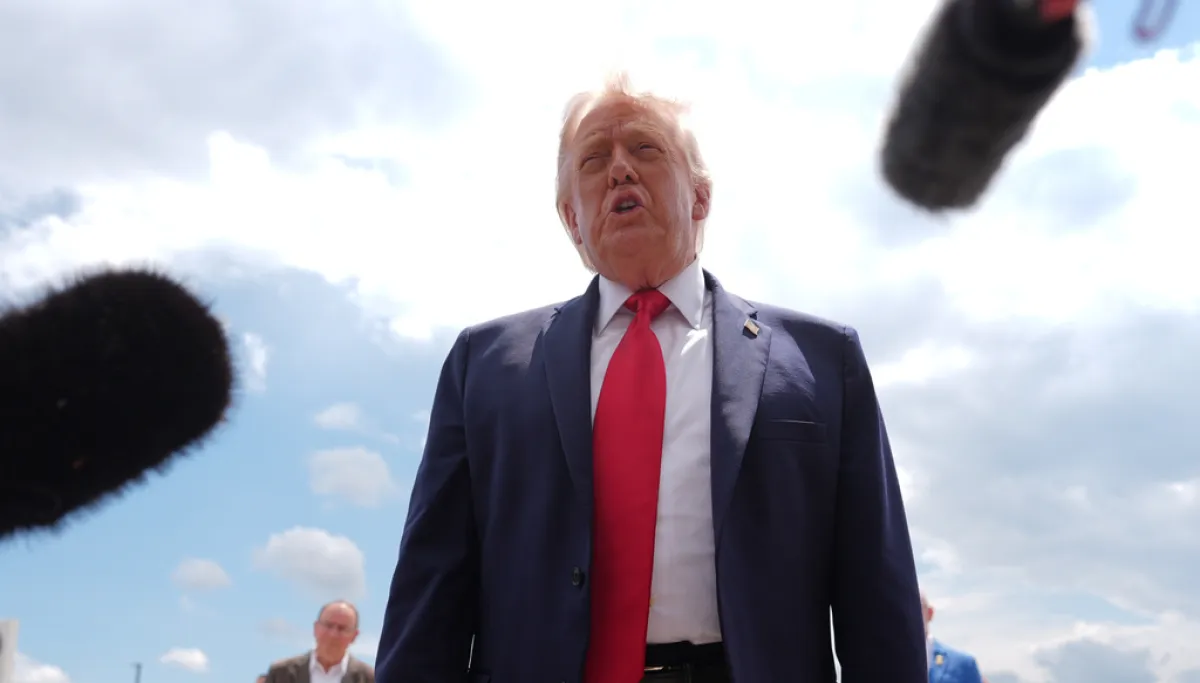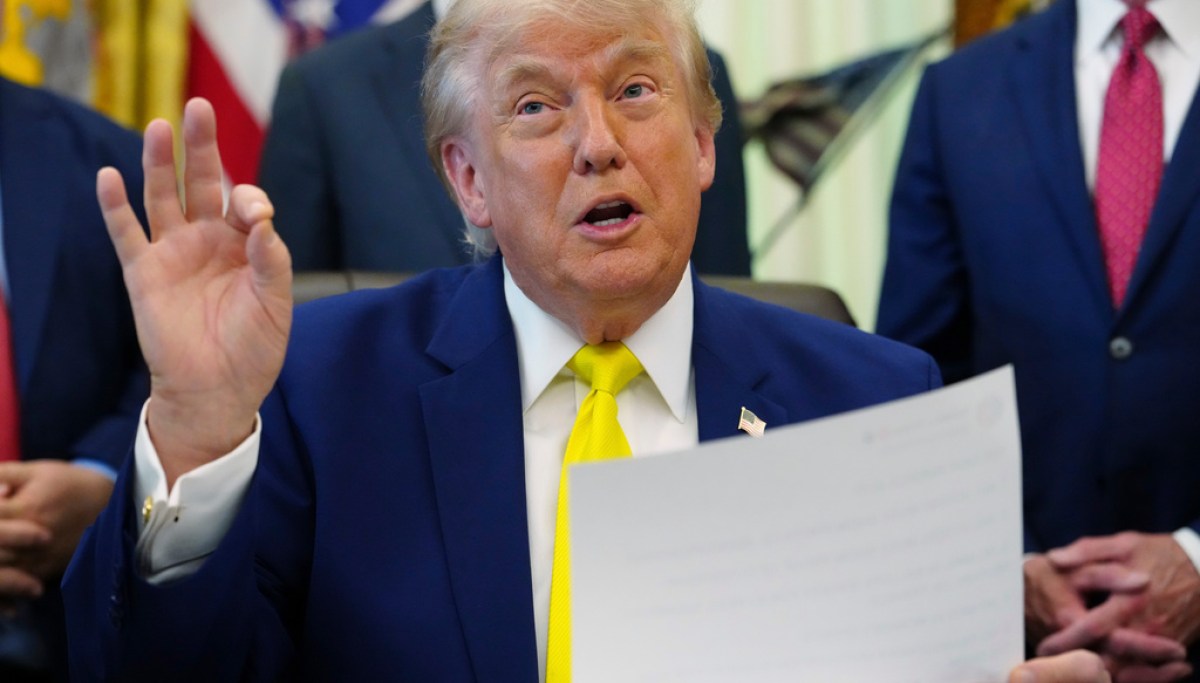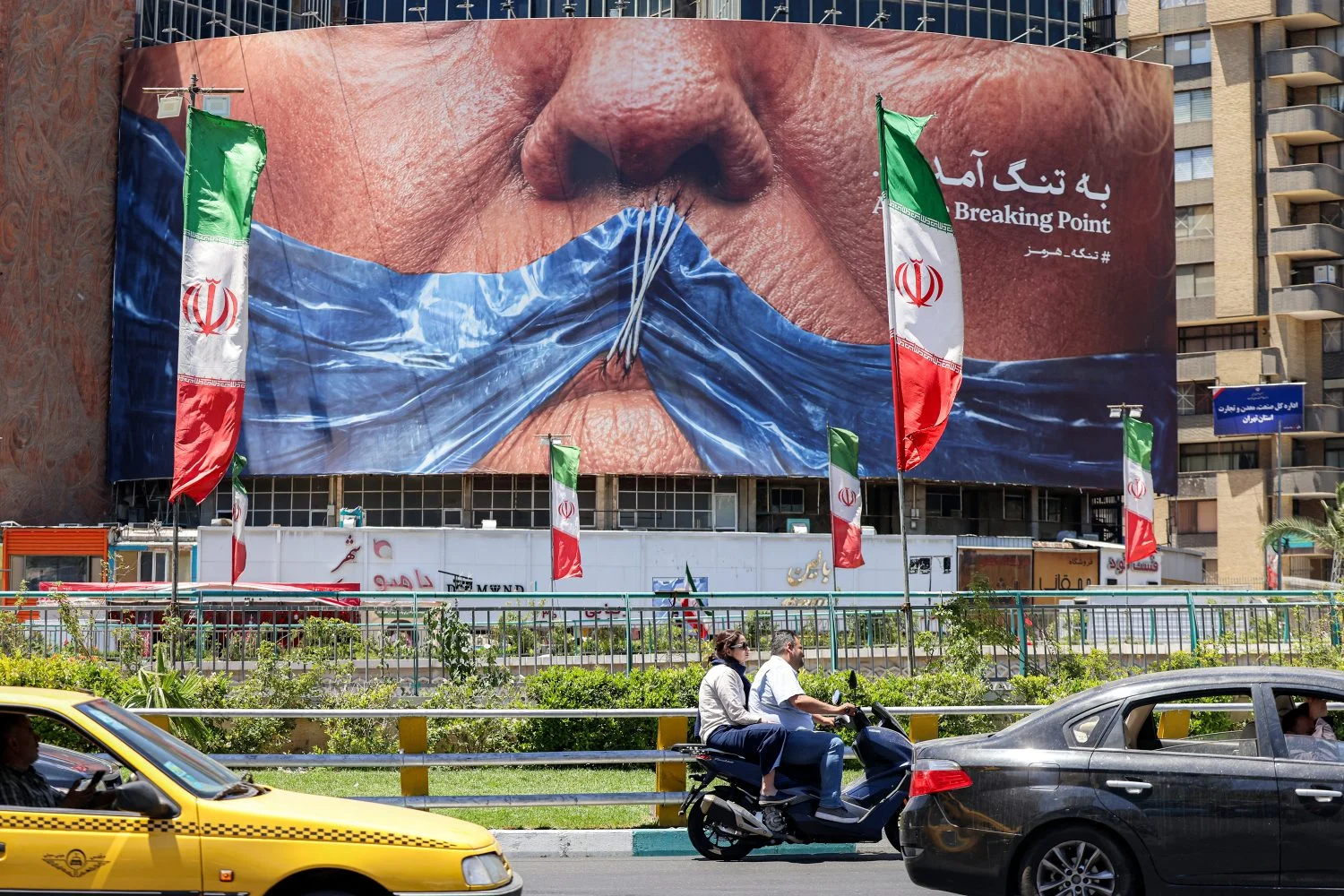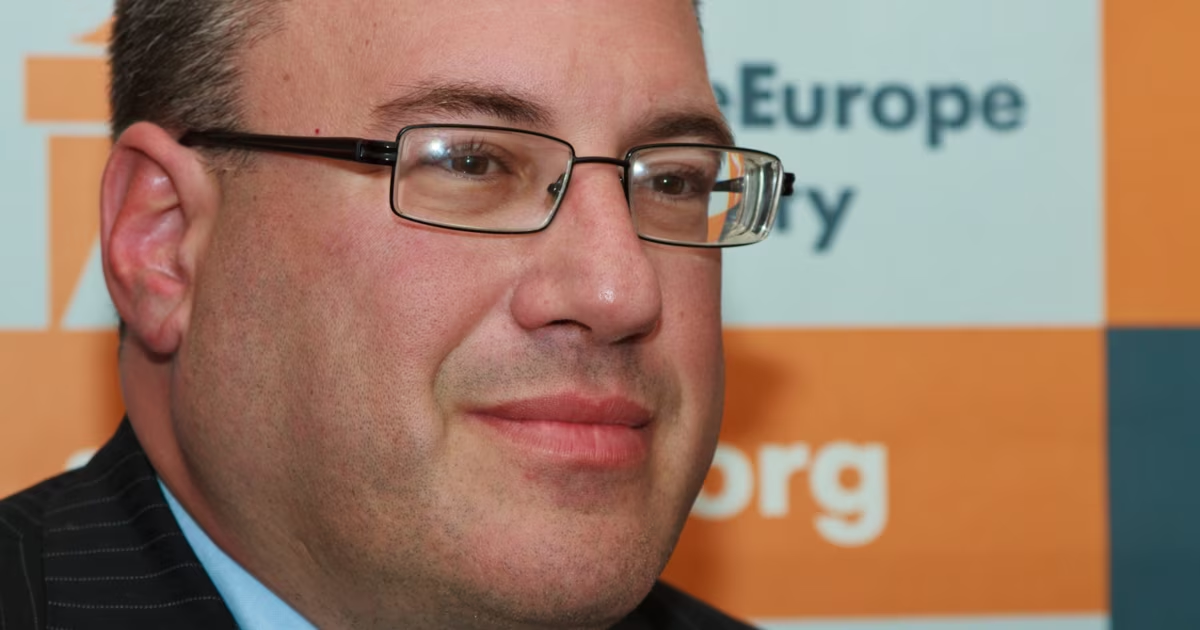
WASHINGTON -- As US President Donald Trump signals an agreement with Iran could be within reach, major questions remain over Tehran's nuclear ambitions, regional security, and the durability of any future deal.Amid continuing tensions across the Middle East -- from southern Lebanon to the Strait of Hormuz -- RFE/RL spoke with Lisa Gable, a former US ambassador who served during the George W. Bush administration and is now the chairwoman of World In 2050, about the prospects for diplomacy, the challenges of verification, and the broader geopolitical stakes.RFE/RL: One of the biggest questions is whether diplomacy can stay on track amid ongoing tensions and potential cease-fire violations. How vulnerable are the current talks to developments on the ground, particularly when a single military incident can quickly change the political environment?Gable: It can, but we haven't seen it do so yet. One of the things you see in this particular situation that is very different from what we've had in the past when dealing with the Middle East and Iran is that, through the work of the first Trump administration and the Abraham Accords, you are seeing a much stronger form of communication, engagement, and conversation with allies in the region.If we think through the history of that region, the United States has never had a stronger relationship with countries like Qatar, the UAE, Oman, and Saudi Arabia. Having those countries be part of the Abraham Accords and having those relationships develop has changed the dynamics of what we're seeing today.
Any Iran Deal Must Be Measured By Actions, Not Promises, Says Former Ambassador Lisa Gable
RFE/RL spoke with Lisa Gable, a former US ambassador who served during the George W. Bush administration and is now the chairwoman of World In 2050, about the prospects for diplomacy with Iran, the challenges of verification, and the broader geopolitical stakes of the current conflict.
969 words~4 min read