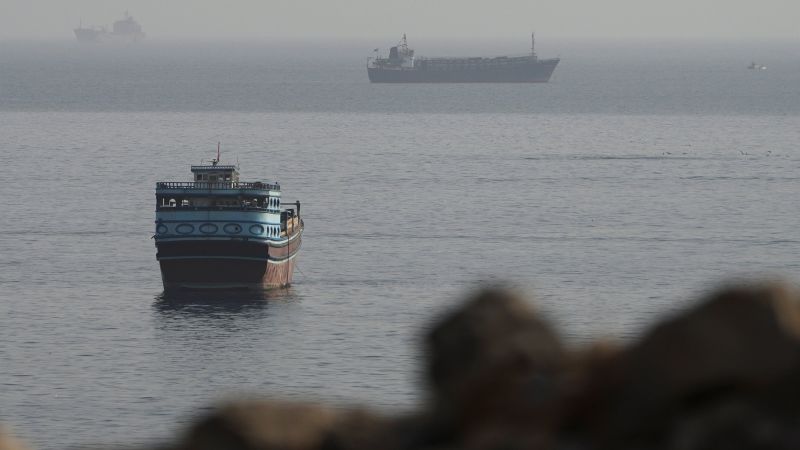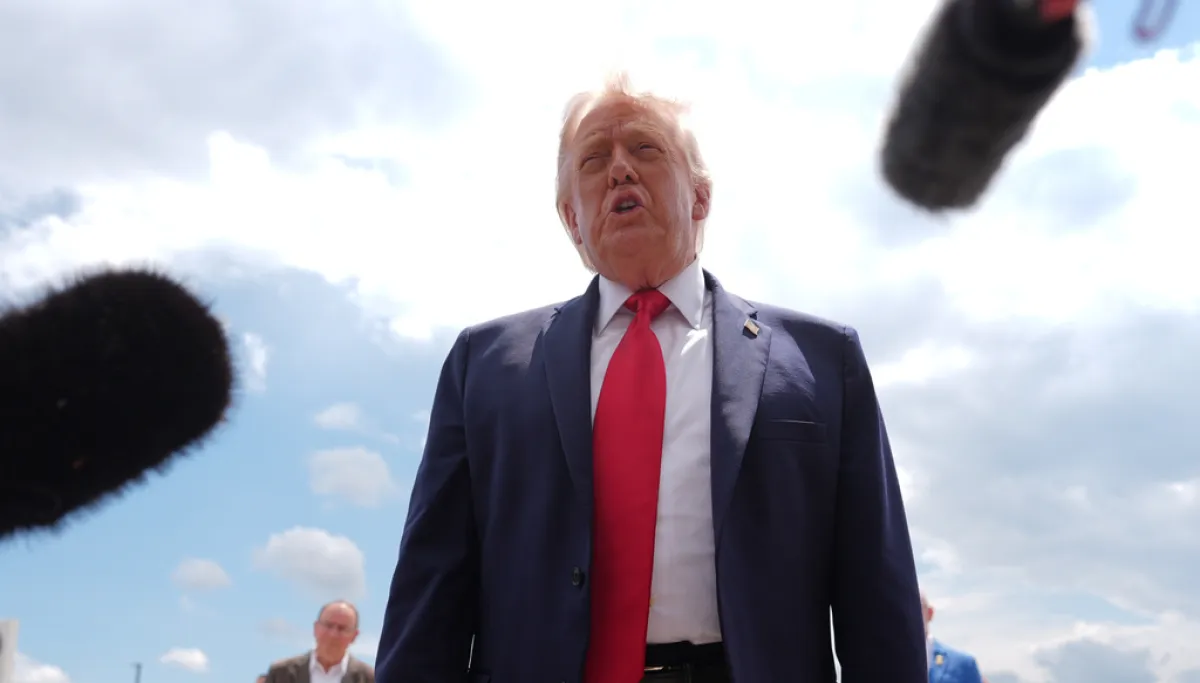
President Donald Trump has repeatedly claimed Iran “wants to make a deal” and that it has already agreed to terms that align with his viewpoints, but there is little publicly reported evidence to suggest the two sides are on the verge of a breakthrough.The administration is currently pursuing an agreement that would focus on the Strait of Hormuz, the narrow but vital waterway for the global transportation of oil and gas from Gulf countries, and this first deal is straightforward. Iran, which has threatened and carried out attacks on commercial shipping vessels, would cease those attacks and allow ships to transit the strait without fear of coming under attack. In exchange, the U.S. would agree to end its dueling blockade of Iranian ports, which it did in retaliation.Trump has said he doesn’t “think about Americans’ financial situation” and that he is not factoring the upcoming midterm elections into his decision-making regarding a deal with Iran, even as oil and gas prices spiked in response to the Iranian stranglehold. Iran, meanwhile, has found real leverage in what it has been able to do to the global economy.
Iranian leaders have said they want to set up a toll booth situation in which any vessel that wants to transit the strait would need to pay and coordinate with them, but that goes against the long-standing international guiding maritime principle of freedom of navigation.