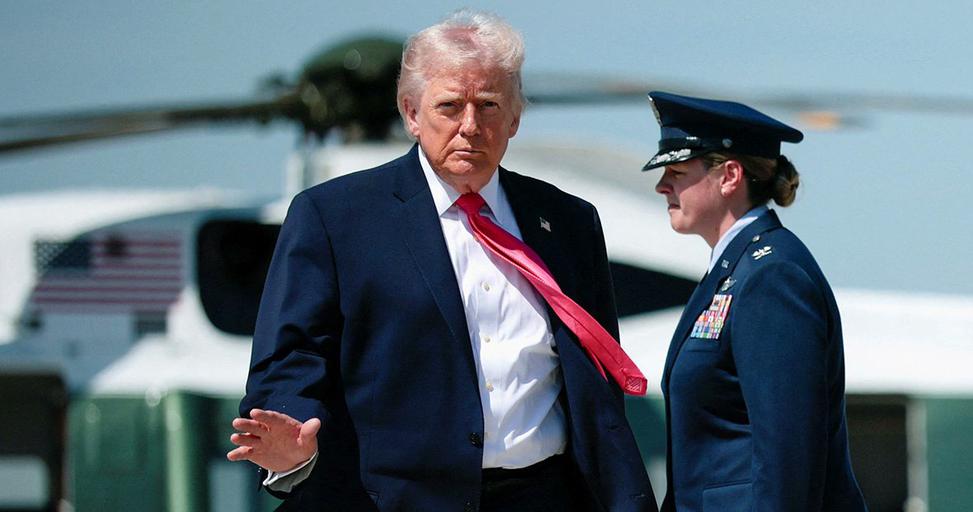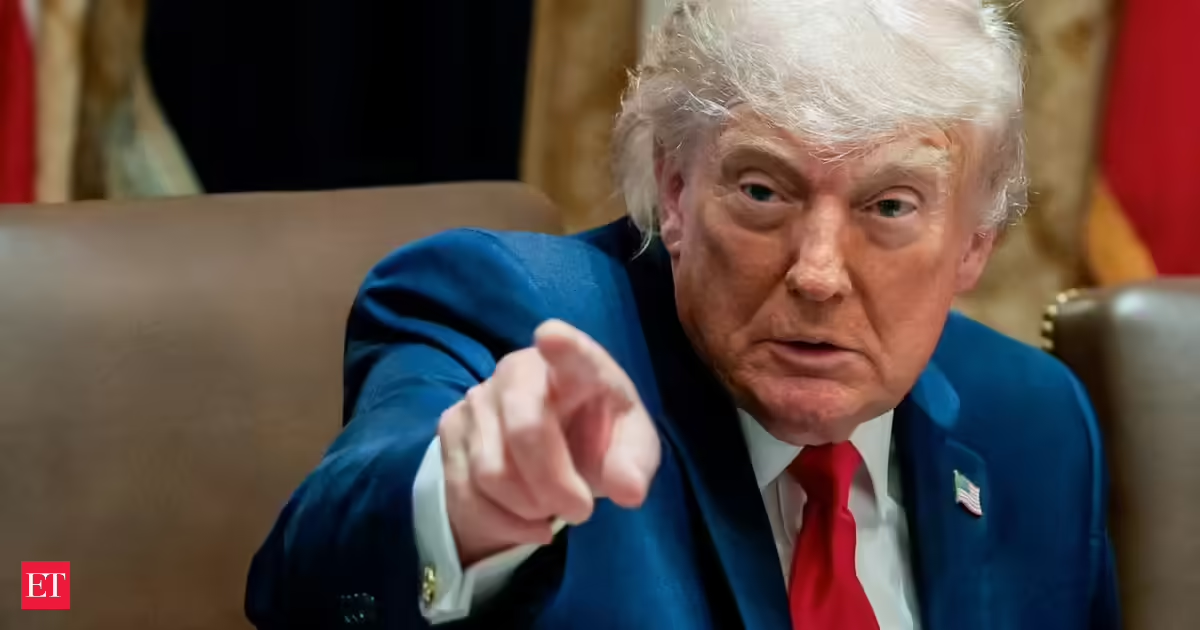
SynopsisPresident Donald Trump asserted Iran desires a new agreement. He believes this deal will serve American interests and those of its allies. Trump criticized political opponents for their public commentary. He stated their actions make his negotiation efforts more difficult. The President urged patience, suggesting the outcome will be positive.Listen to this article in summarized formatET OnlineIn a post on Truth Social, Trump argued that public commentary from political opponents and even some members of his own party was making it harder for his administration to negotiate effectively."Iran really wants to make a deal, and it will be a good one for the U.S.A. and those that are with us," Trump wrote in a post on Truth Social.The US President went on to criticize what he called "Dumocrats" and "seemingly unpatriotic Republicans" for second-guessing his approach, saying critics alternately demand that he move faster, slow down, pursue military action or avoid conflict altogether.He also suggested that constant political scrutiny risked complicating ongoing diplomatic efforts,."But don’t the Dumocrats, and various seemingly unpatriotic Republicans, understand that it is MUCH tougher for me to properly do my job and negotiate, when political hacks keep negatively “chirping,” at levels never seen before, over and over again, that I should move faster, or move slower, or go to war, or not go to war, or whatever," he wrote.Trump, however, struck a confident tone about the outcome of the talks, urging observers to remain patient."Just sit back and relax, it will all work out well in the end — it always does," he said.Trump seeks more changes to dealEven as Trump projected confidence that Tehran is eager to strike a deal, reports suggest the proposed agreement remains a work in progress.According to CBS News, the US President has sought further revisions to a draft framework aimed at extending the ceasefire between Washington and Tehran.The latest version of the proposal reportedly includes a 60-day halt in hostilities, steps to reopen the Strait of Hormuz and a roadmap for resuming negotiations over Iran's nuclear programme.However, no formal agreement has been announced so far.A high-level White House meeting convened on Friday to reach a final decision reportedly ended without a breakthrough. Trump has continued to insist that preventing Iran from acquiring nuclear weapons remains a non-negotiable condition of any pact."The one guarantee that I have to have is that there will be no nuclear weapons," Trump said in an interview with Fox News, while adding that he is in "no hurry" to finalise an agreement.According to reports, Trump pushed for multiple changes during the White House deliberations and has since sought additional amendments. A White House official reiterated that the President would only support a deal that meets US interests and his stated red lines.The draft under discussion is also said to address the reopening of the Strait of Hormuz and the future of Iran's stockpile of highly enriched uranium. If negotiations advance, the agreement could pave the way for the release of billions of dollars in frozen Iranian assets through sanctions relief.Tehran, however, has maintained a cautious stance. Iranian officials have said no agreement would be acceptable unless the country's rights are fully safeguarded. Foreign Minister Abbas Araghchi dismissed reports of a finalised understanding, saying discussions remain ongoing and that any conclusions at this stage are speculative.Iranian media have reported continued exchanges over the draft text, with both sides proposing revisions. Tehran has also reportedly sought the unfreezing of its overseas assets before moving ahead with broader nuclear negotiations.The latest round of negotiations follows months of conflict and a fragile ceasefire, with both Washington and Tehran still divided over key provisions of a potential agreement.Read More News on
'Iran really wants to a make deal,' says Trump again; attacks Democrats for 'negatively' affecting talks
President Donald Trump asserted Iran desires a new agreement. He believes this deal will serve American interests and those of its allies. Trump criticized political opponents for their public commentary. He stated their actions make his negotiation efforts more difficult. The President urged patience, suggesting the outcome will be positive.
610 words~3 min read