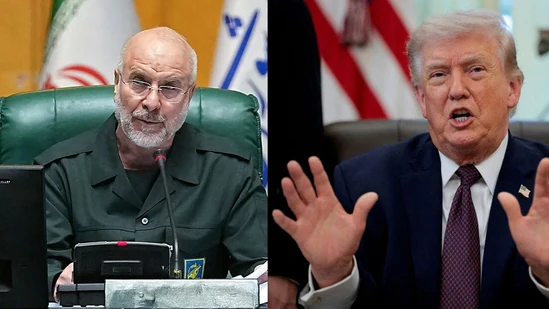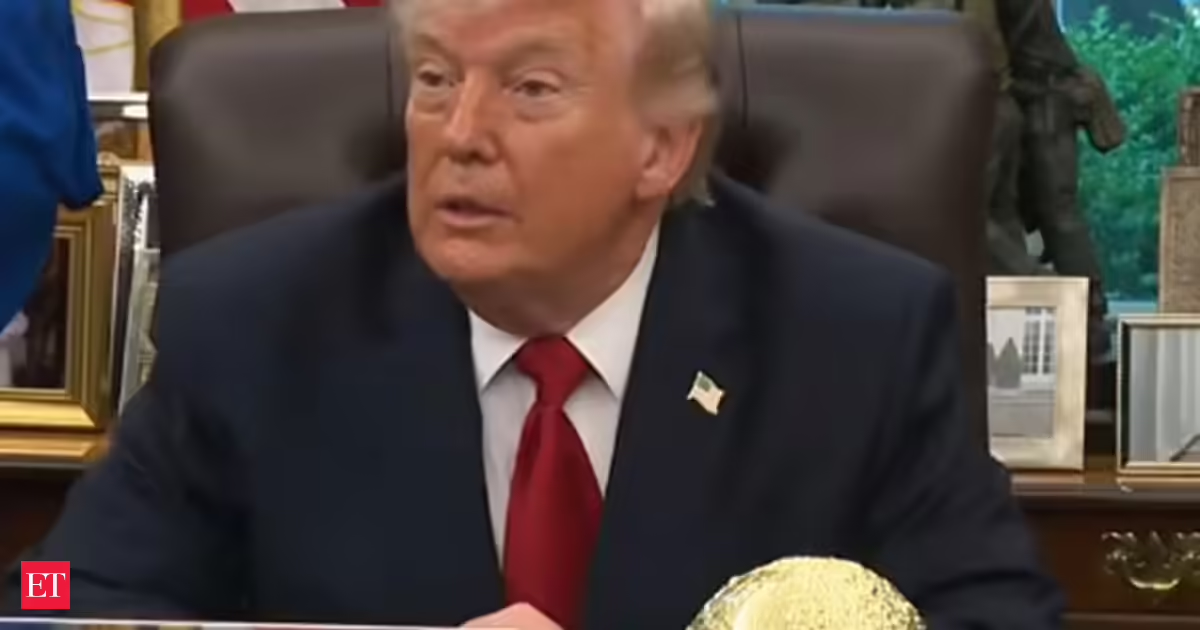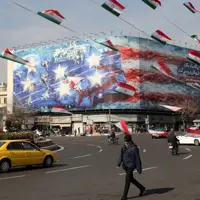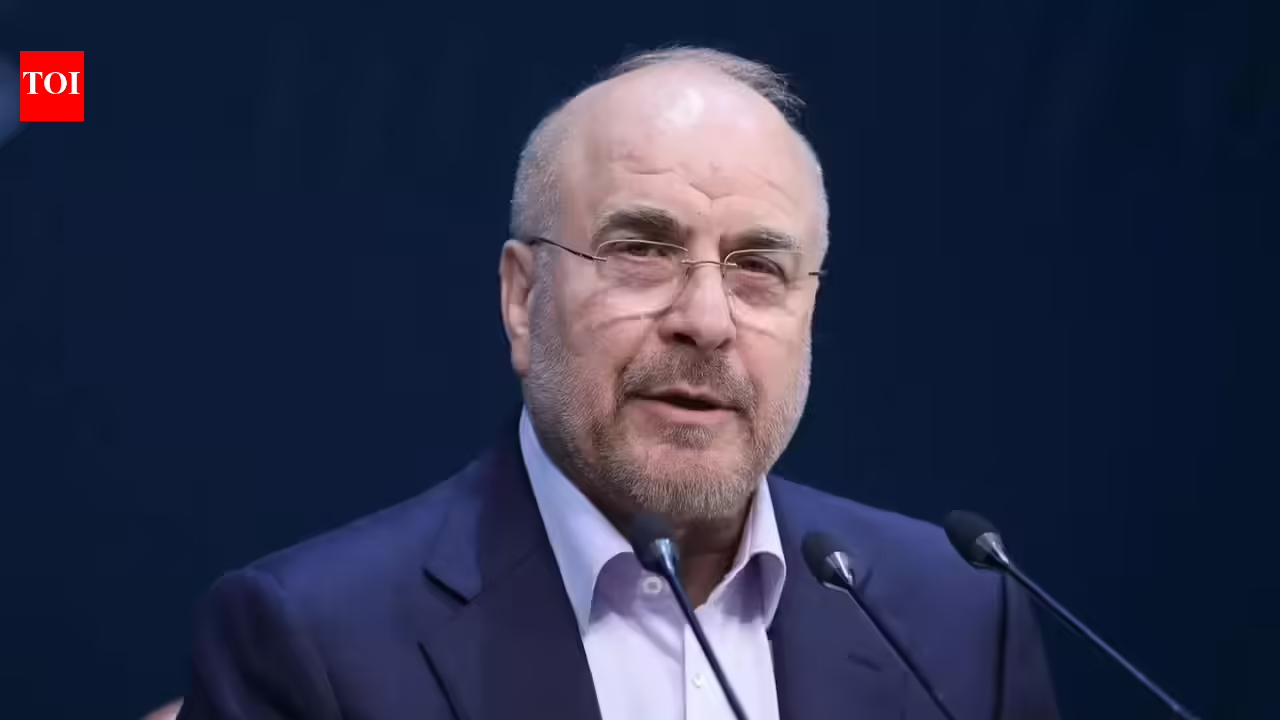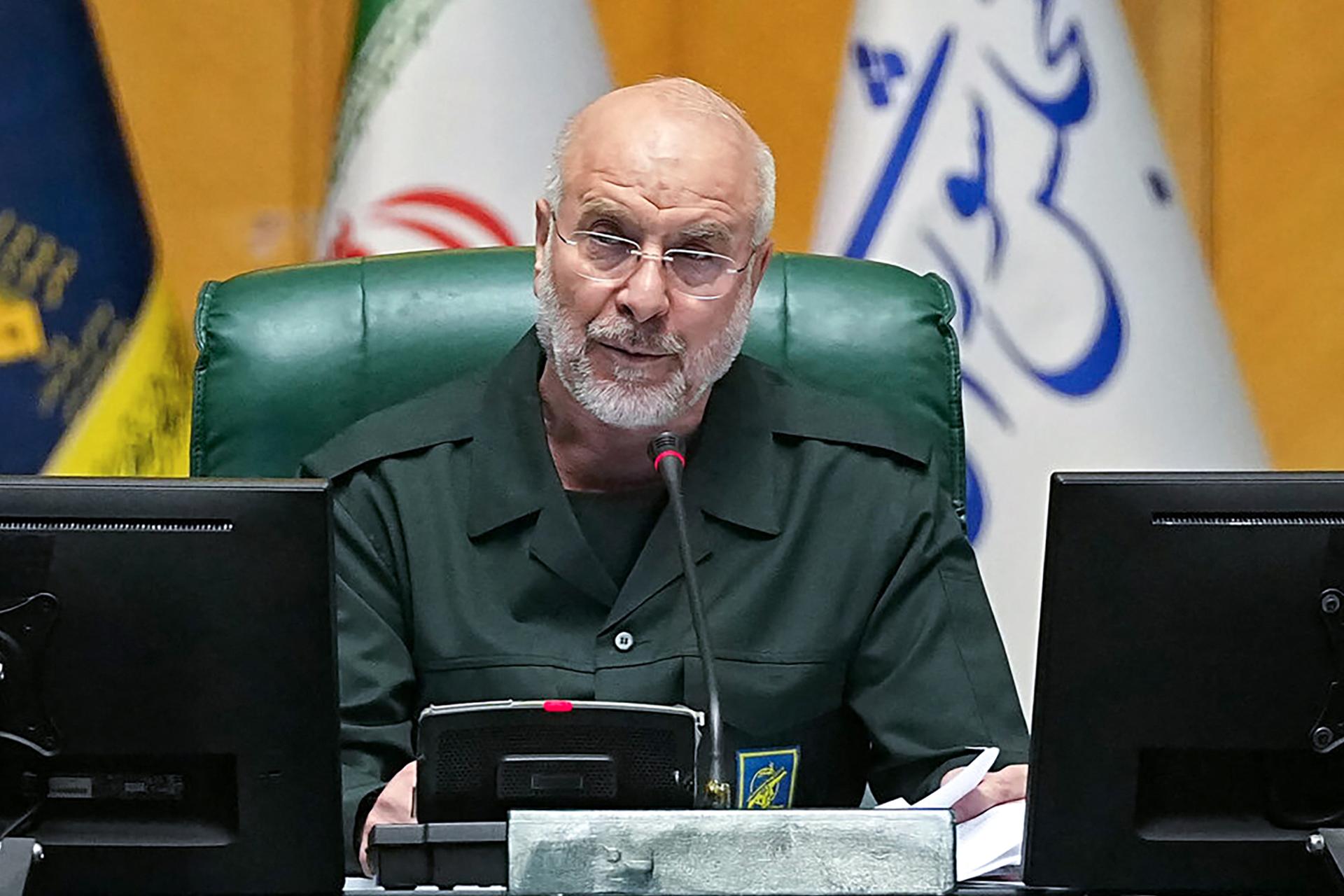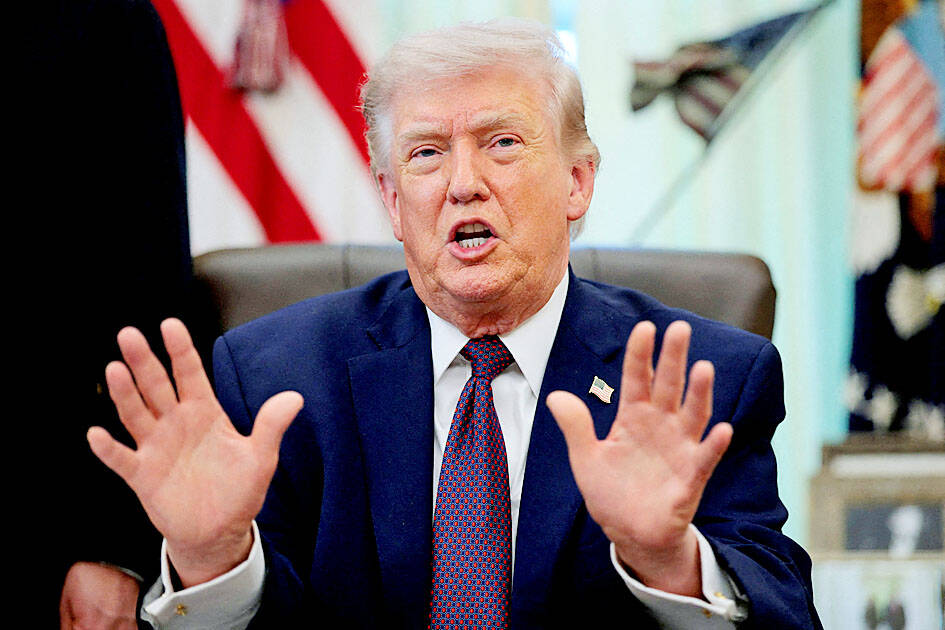
Iran will not approve any agreement with the US to end the war unless the rights of its people have been secured, its top negotiator Mohammad-Baqer Ghalibaf said on Sunday, underscoring the significant hurdles that remain despite signs of progress in talks.US President Donald Trump had suggested last week that an agreement was close, but the absence of any announcement following a two-hour Situation Room meeting on Friday added to conflicting signals over the prospects for a deal.The war began on February 28 with Israeli and US strikes across Iran. A fragile ceasefire between the US and Iran has largely held since April 8.In his remarks carried by state media, Mr Ghalibaf said officials involved in diplomatic negotiations had no confidence in the words and promises of the “enemy”.“Our criterion is the tangible achievements that we must obtain before fulfilling our commitments in return, and we will not approve any agreement until we are sure that we have secured the rights of the Iranian people,” Mr Ghalibaf said after taking the oath as parliament speaker following his re-election.His remarks came after US Defence Secretary Pete Hegseth said Washington was in a “good place” to reach an agreement and described talks with Iran as “productive”, although he provided no details on the remaining points of disagreement.Speaking at the International Institute for Strategic Studies' Shangri-La Dialogue in Singapore, Mr Hegseth said the US remained “more than capable” of resuming military strikes if necessary.Mr Trump said on Friday that any agreement would require Iran to end its restrictions on shipping through the Strait of Hormuz and eliminate its ability to develop a nuclear weapon – conditions Tehran has yet to accept.Trump demands“Iran must agree that they will never have a Nuclear Weapon or Bomb. The Hormuz Strait must be immediately open, no tolls, for unrestricted shipping traffic, in both directions,” Mr Trump said, adding that nuclear material would be “unearthed” by the US.The war launched by the US and Israel has killed thousands of people, mainly in Iran and Lebanon, and disrupted global energy markets after Iran effectively closed the Strait of Hormuz, a critical artery for global oil and gas shipments.Iran's Islamic Revolutionary Guard Corps said on Sunday that 28 vessels, including oil tankers, container ships and other commercial vessels, transited the Strait of Hormuz in the past 24 hours under the co-ordination of the IRGC Navy.According to a statement carried by the Fars news agency, the ships obtained the necessary permits before passing through the strategic waterway.The IRGC Navy said it continues to exercise what it described as “smart control” over the strait and that security and monitoring operations are continuing.Meanwhile, the US military said on Saturday that it disabled a Gambia-flagged vessel heading towards Iran after firing a missile into its engine room.The US Central Command said the vessel, M/V Lian Star, was en route to an Iranian port when US forces issued more than 20 warnings that it was violating the US blockade of Iranian ports.“A US aircraft disabled the vessel by firing a Hellfire missile into the ship's engine room after Lian Star's crew failed to comply,” the US Central Command said. “The ship is no longer transiting to Iran.”Iran said it had restored production at three offshore platforms in the South Pars gasfield after Israeli attacks disrupted processing capacity at some onshore centres.The platforms themselves were not damaged, Touraj Dehqani, chief executive of the Pars Oil and Gas Company, told state media.Output from the three platforms was being redirected to alternative processing plants, he said, while repairs were continuing at damaged facilities, including the Phase 14 refinery.
Iran says it will not approve US deal without securing nation's rights | The National
Significant hurdles remain despite signs of progress in negotiations
600 words~3 min read