WASHINGTON -- As the Iran conflict enters its fourth month, the world is watching to see whether Washington and Tehran will accept a temporary deal or risk a deeper confrontation in the Middle East.Expectations of a breakthrough, however, remain uncertain. Despite talk of a possible 60-day cease-fire and renewed diplomacy, key disagreements persist over sanctions, Iran's nuclear program, and control of the Strait of Hormuz.RFE/RL spoke with Tina Fordham, founder of Fordham Global Foresight and a geopolitical strategist, about the state of negotiations, the market's assessment of the talks, and the broader geopolitical consequences of the standoff.RFE/RL: Here in Washington, everyone is waiting for news from the White House. Are we watching peace talks unfold, or are these negotiations over the terms of a strategic stalemate?Tina Fordham: In my work as a geostrategy adviser to investors and C-suite leaders, there's been a lot of optimism around an imminent resolution, and that's really on the back of [President Donald] Trump's comments on Truth Social saying that a deal is coming soon. But from my perspective, the two sides are really quite far apart.
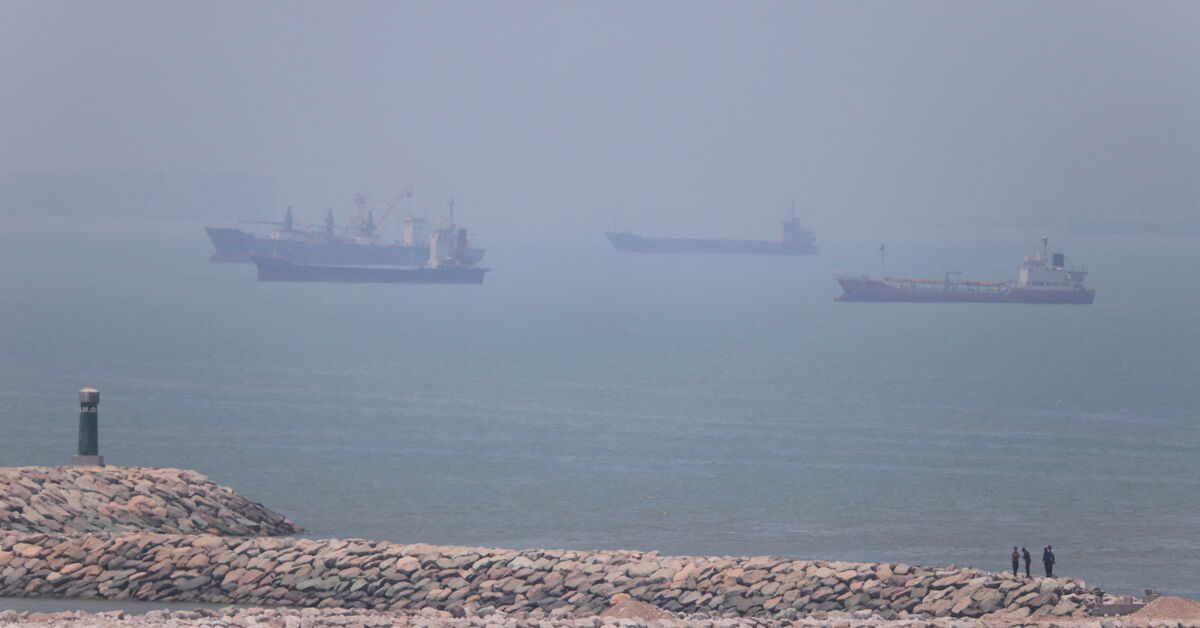
What I think is encouraging is that neither Iran nor the US looks like it wants to escalate the conflict from here, so that's undoubtedly a positive from a security and defense perspective. But Iran is still controlling and monetizing the Strait of Hormuz, and I think market participants are overestimating how quickly this will be resolved, and maybe that Trump is getting bored.RFE/RL: Is this becoming less about concessions and more about who blinks first?Fordham: Well, in negotiation, the parties are trying to assess the weak points and the perspective of their counterparty. Here is where Iran has 47 years of experience as a very tough negotiator that has always been good at stonewalling and playing for time. They are, I think, quite rightly banking on the idea that Trump, ahead of the US midterms in November, needs a deal sooner than they do.RFE/RL: Both sides claim they have leverage. If neither side can walk away, who is actually negotiating from a position of strength?Fordham: Well, this is where you might call it the geostrategy calculus. If we think about the case of the Russian invasion of Ukraine, the overwhelming opinion in those early days of the conflict was that Russia, with its superior military, would be able to make short work of its invasion of Ukraine.Likewise, the US military is undoubtedly the biggest and most well-equipped in the world, and Iran has been under sanctions for decades. Yet we are at this diplomatic stalemate. It is not historically very successful to use air power to dislodge a regime, especially an entrenched regime like the one in Iran that has not only a formal military but also the informal military apparatus, the Basij, and others.I mentioned the behavior of financial markets because if financial markets were showing more concern and oil prices were higher, that would be another way of forcing negotiations. It would mean the White House would be more inclined, possibly, to make concessions.