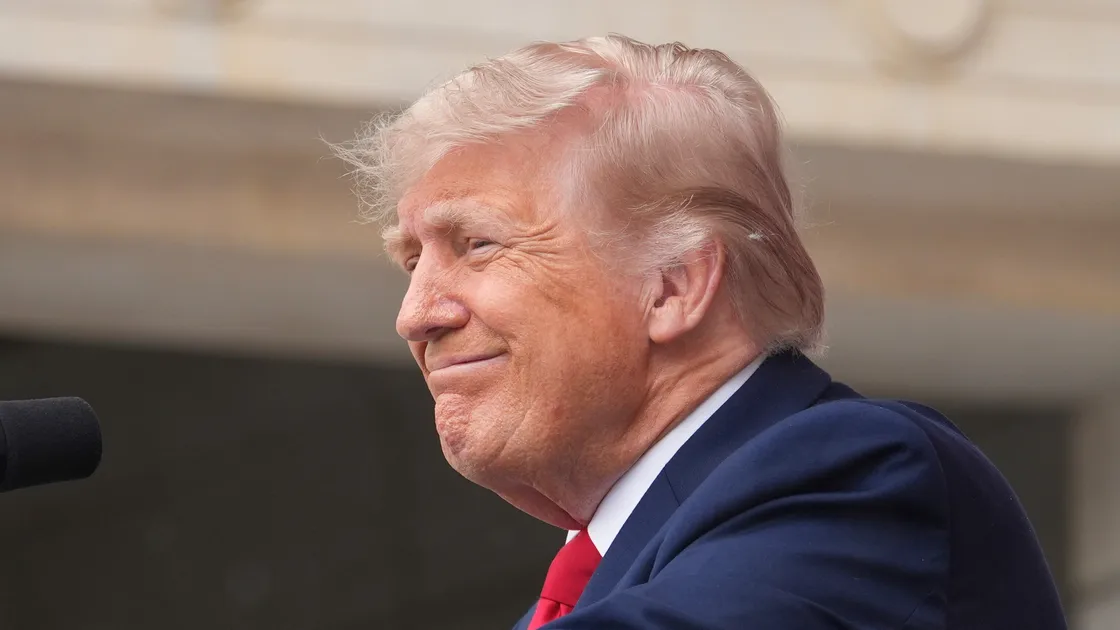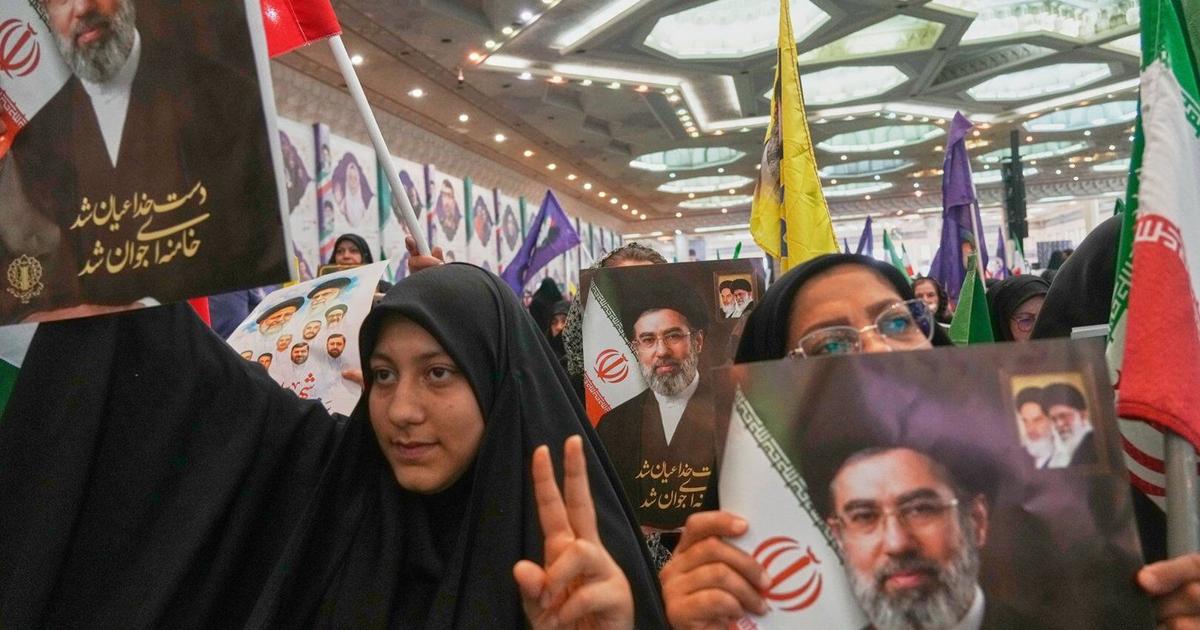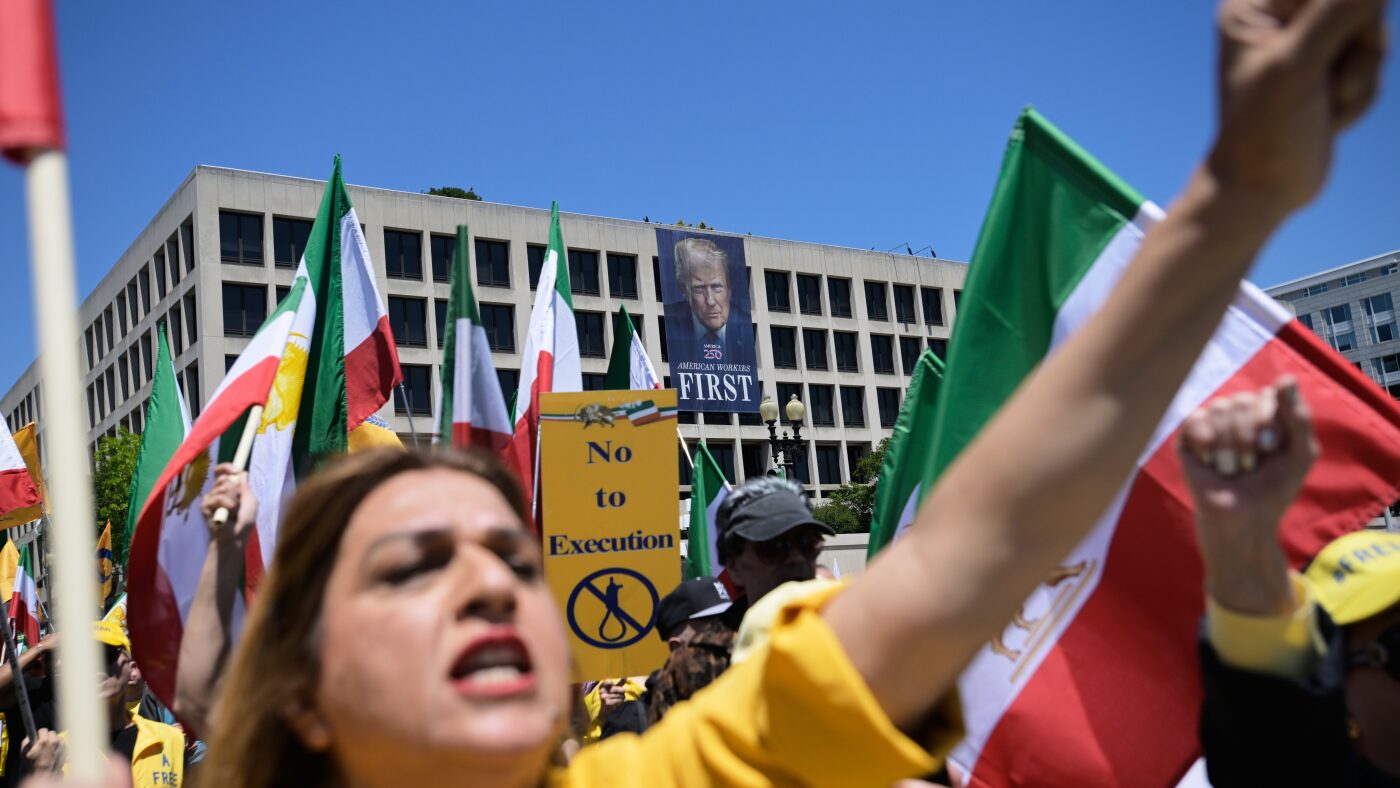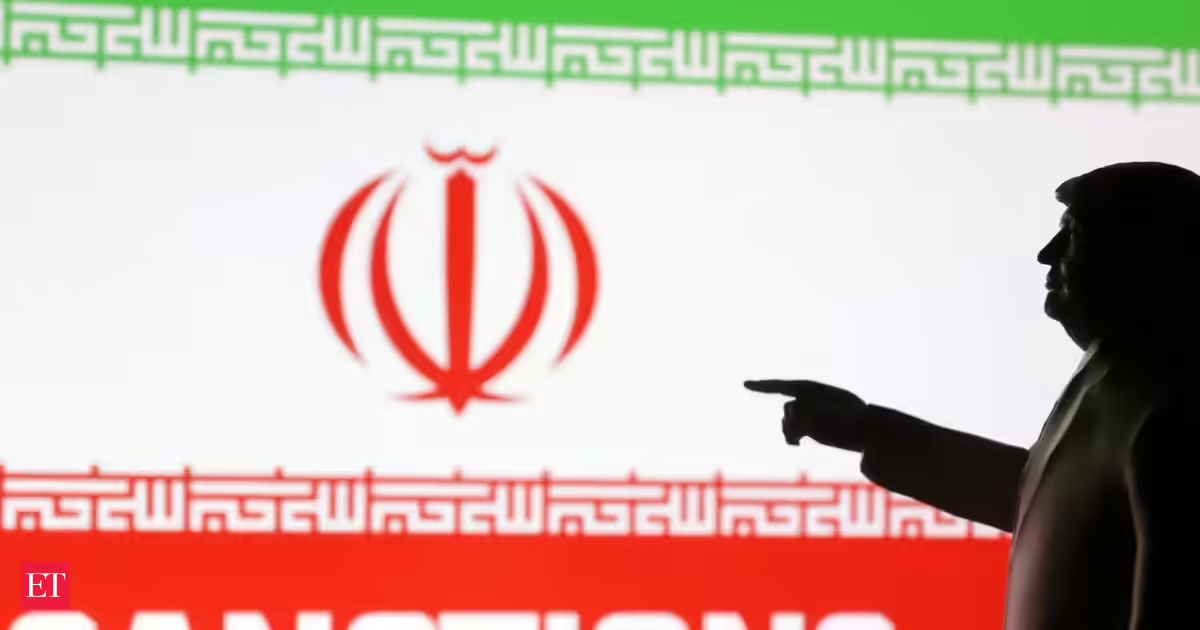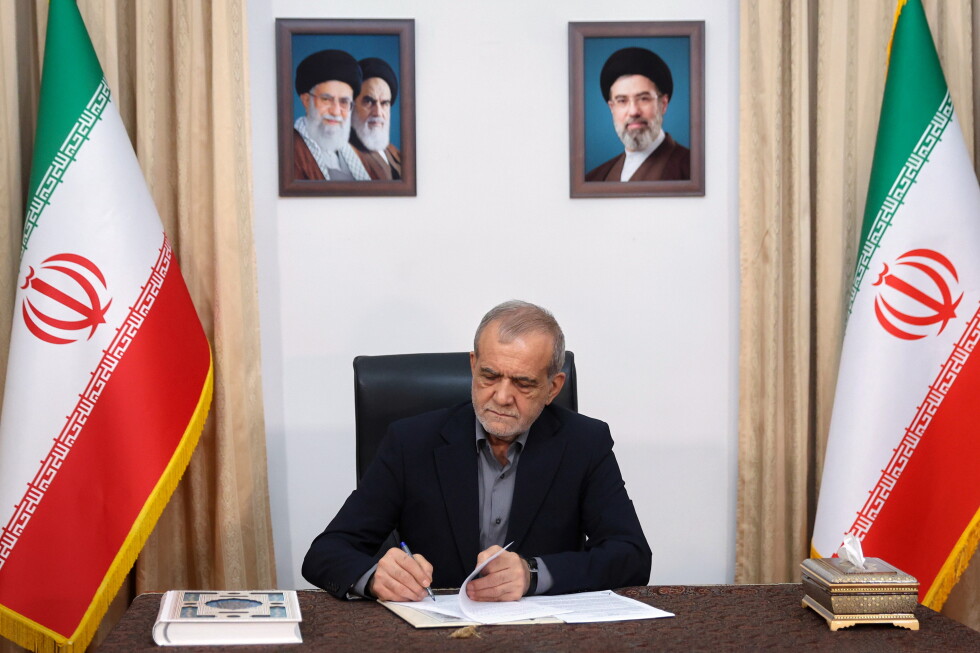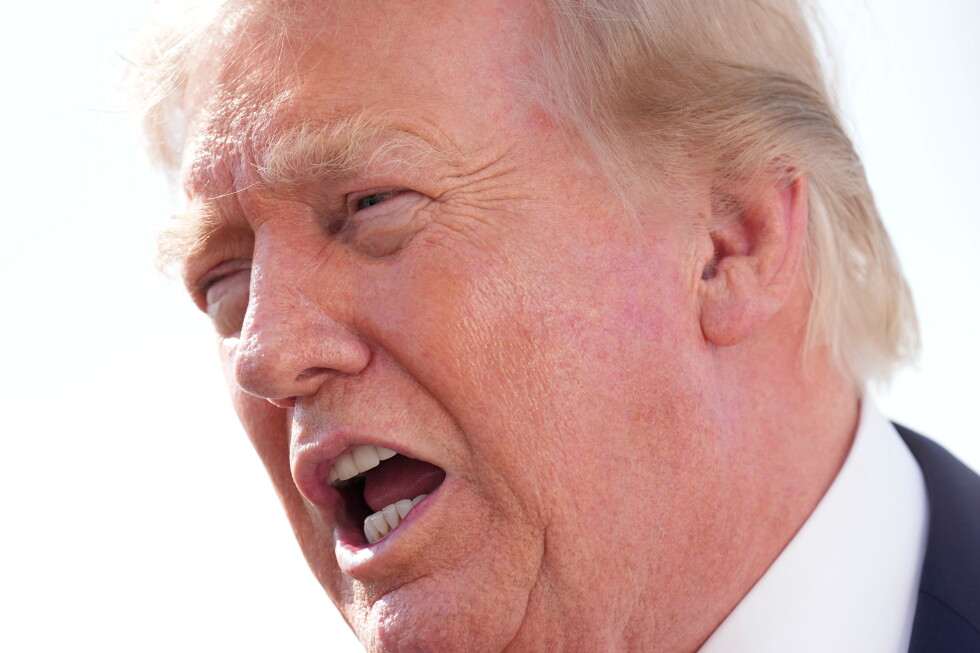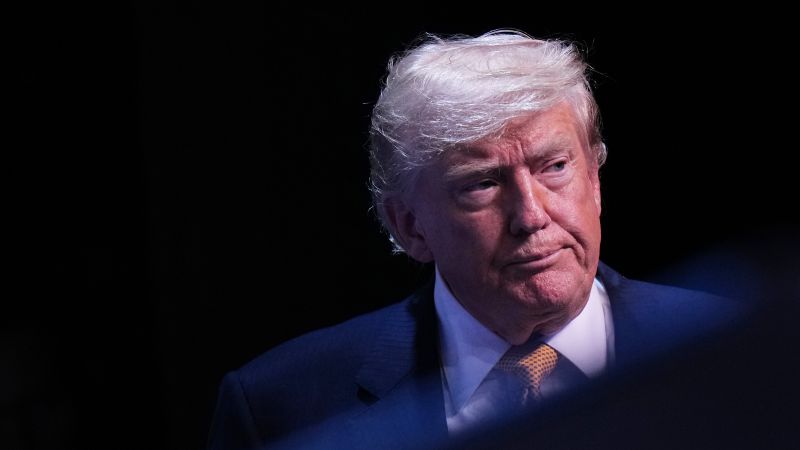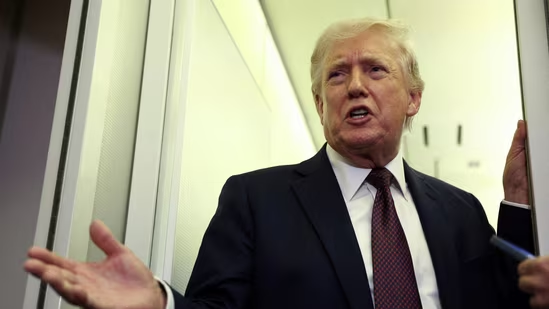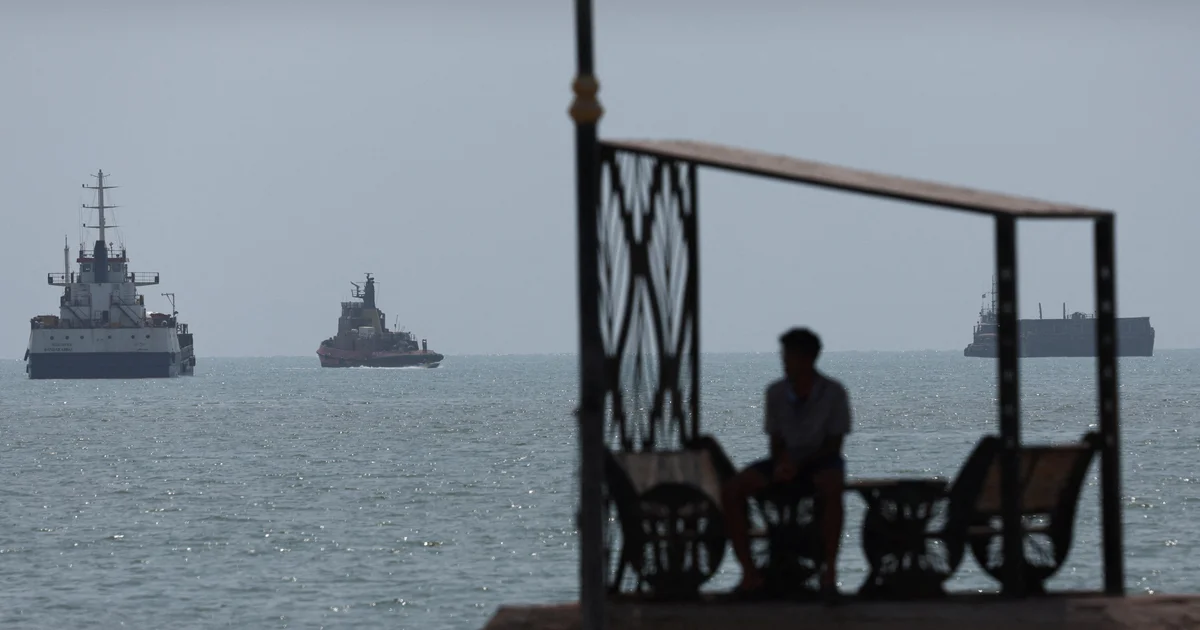
Details about a potential peace agreement between the US and Iran are beginning to emerge but major questions remain about the future of Iran's nuclear program the Strait of Hormuz.For weeks US President Donald Trump has promised that a deal to end the war will be reached "very soon" but has also continued to threaten aggression if terms are not agreed to.This morning Mr Trump said no single country would have control over the Strait of Hormuz and appeared to threaten Oman, a country with which the United States has decades-long military and economic ties."Nobody's going to control (the strait)," Trump said at a cabinet meeting attended by reporters. "It's international waters and Oman will behave just like everybody else or we'll have to blow them up. They understand that, they'll be fine."It has been three months since Operation Epic Fury was launched by the US and Israel and it is still unclear how the conflict will end.To help make sense of this, several of the ABC's foreign correspondents, global and Americas editors and specialist reporters will jump on the blog to answer some of your questions about the war and how it is affecting Australians.Follow along for updates.Collapse all postsFilter PostsAll11Key Events3Q&A5Thu 28 May 2026 at 9:03amThu 28 May 2026 at 9:03amWelcome to the Q&A, John LyonsABC's Americas editor John Lyons is based in Washington DC.Lyons was previously the ABC's global affairs editor and he has been a foreign correspondent in Washington, New York, the Philippines and the Middle East.He joins us now to answer questions on the US's role in the conflict.Thu 28 May 2026 at 9:00amThu 28 May 2026 at 9:00amNeed some more context?By Georgie HewsonDonald Trump says the US is not yet satisfied with the proposals put forward by Iran to end the ongoing war between them, warning that he is prepared to "finish the job" if a peace deal is not struck.Speaking at a cabinet meeting on Tuesday afternoon, local time, the US president said Iran was "intent on a deal" but key points of difference remained in negotiations."They want very much to make a deal. So far they haven't gotten there … we're not satisfied with it, but we will be," he told reporters."We will be either that or we'll have to just finish the job."At the same meeting, Mr Trump's secretary of state, Marco Rubio, said the next hours and days could be crucial for progressing an agreement.Mr Rubio added that the US president would prefer to strike a deal.Catch up on Donald Trump's latest comments before we hear from Americas Editor John Lyons here: . Key EventThu 28 May 2026 at 8:56amThu 28 May 2026 at 8:56amIranian media says three explosions heard east of Bandar AbbasBy Georgie HewsonThree explosions have been heard east of the Iranian port city of Bandar Abbas at around 1:30 am. local time, Iranian media has reported.It reported that air defences were activated for several minutes and that authorities were following up to determine the origin of the sounds.The US military said it carried out strikes in southern Iran on Tuesday against targets including boats attempting to lay mines and missile launch sites.It says the strikes were designed "to protect our troops from threats posed by Iranian forces"We'll monitor this situation and bring you any updates as they come through.Thu 28 May 2026 at 8:52amThu 28 May 2026 at 8:52amCan Israel/US even destroy nuclear capability?By Global Affairs Editor Laura TingleThu 28 May 2026 at 8:45amThu 28 May 2026 at 8:45amWhat is really driving the war, could it escalate even further?By global affairs editor Laura TingleThe most consistent thing driving the war has been Israeli Prime Minister Benjamin Netanyahu’s determination to destroy the threat he perceives to Israel from Iran, and particularly from its nuclear program. While Iran was seen as a security threat throughout the region - and as a major backer of terror organisations around the world - all the reporting that has emerged points to the nature of this particular conflict being driven very much of the will of the Israeli PM - both in persuading Donald Trump to become directly and jointly involved in a war with Israel against Iran, and subsequently, in appearing to repeatedly push him back towards a hardline stance whenever the US President was wavering. In more recent times, that has been - as we have seen in recent days - by simply undermining any prospects of a peace deal by making it clear Israel will not only continue to fight the Iranian-backed Hezbollah but will increase the pace of its war with the Lebanon-based militia.The war could escalate further - if other countries in the region were finally dragged into it. But it seems unlikely at this point given the US is now clearly reluctant to engage in any large scale conflict. It seems more likely it will drag on in continuing flare ups.Thu 28 May 2026 at 8:41amThu 28 May 2026 at 8:41amKicking off questions with Global Affairs Editor Laura TingleBy Georgie HewsonGlobal Affairs Editor Laura Tingle has been covering this war since day one.Like many Australians, she was even left stranded in the UAE due to airspace closures.Let's see what she had to say.Thu 28 May 2026 at 8:30amThu 28 May 2026 at 8:30amWill peace negotiations between Israel and Lebanon work if Hezbollah is not involved?By Middle East correspondent Matthew Doran(Reuters: Yara Nardi)It certainly makes it hard to see how the talks could achieve peace in Lebanon. There's a brief history lesson here which further explains why.A ceasefire had been imposed in Lebanon in late 2024, but Israel accused Hezbollah of breaching the deal by refusing to withdraw from southern Lebanon and it insisted the Lebanese government hadn’t held up its end of the bargain by disarming Hezbollah.Lebanon in turn accused Israel of almost daily violations, as it continued launching strikes inside Lebanon’s borders.The Lebanese government had floated the idea of peace talks with Israel, but that was ridiculed by its southern neighbour.Fast-forward to March 2026 and Hezbollah opens fire on Israel, in solidarity with its backers in Tehran, and the Lebanese government accuses the militant group of dragging the country into a war it should never have been involved in.Then a ceasefire is agreed to between the US and Iran. Iran says Lebanon is covered by it, Israel says it isn’t.Then Israeli strikes, including unannounced attacks in central Beirut, kill 350 in a single day. Many of the victims are women and children, prompting the US president to tell the Israeli PM to rein it in.And suddenly, the idea of direct talks between Israel and Lebanon, hosted by the US and condemned by Hezbollah, appear on the agenda again.Weeks later, Donald Trump announces a ceasefire in Lebanon, but Israeli strikes continue, Hezbollah promises to continue retaliating, and the Lebanese government say the US has given Israel too much leeway in deciding if and when it attacks.It's a sad cycle, which leads to questions like this one and a lack of faith it's ever going to amount to much if it follows the same trajectory.Thu 28 May 2026 at 8:18amThu 28 May 2026 at 8:18amNeed to catch up?By Georgie HewsonIn recent days, the Israeli military has intensified strikes on cities and towns in southern Lebanon, as Hezbollah has launched explosive drone attacks against Israeli soldiers and communities in the north of the country.The Israeli military has warned all residents of southern Lebanon to leave the area following days of air strikes, declaring the entire region a "combat zone" as it targets militant group Hezbollah.It is the first time Israel has made such a sweeping demand since US President Donald Trump announced in April a ceasefire had been imposed in Lebanon.In a post on social media, the Arabic spokesman for the Israel Defense Forces (IDF) told Lebanese residents they should evacuate north of the Zahrani River.You can read more about the very latest from the Middle East here:Key EventThu 28 May 2026 at 8:09amThu 28 May 2026 at 8:09amIs it likely Iran and Israel will reach an agreement the US also agrees to?By Middle East correspondent Matthew DoranWell, it’s not Iran and Israel that are negotiating this deal, it’s Iran and the US. This is one of the pressure points at the moment.Israeli Prime Minister Benjamin Netanyahu was instrumental in convincing US President Donald Trump to go to war, and has been banging the drum for military action against Iran for most of his political career.But Netanyahu has been mostly sidelined in the negotiations to end the war, which is why we’re seeing report after report in the Israeli media about deep concerns about any deal, particularly if it forces Israel to stop its strikes in Lebanon.Trump says Netanyahu will do whatever he tells him to do, and that seems have rung true in the past. But there are also suggestions the Israeli prime minister is intensifying his country’s bombardment of Lebanon in a bid to pressure the president to carve Lebanon out of any deal.But Iran is demanding Lebanon be included in any deal.It might not be the thing that causes the whole process to crumble, but it shows how precarious this could be.Key EventThu 28 May 2026 at 8:01amThu 28 May 2026 at 8:01amOver the past few months have there been any large shifts in tone and messaging from the key players in the conflict?By Middle East correspondent Matthew Doran(ABC: File)The governments of Israel and Iran have been pretty consistent in their rhetoric, each declaring the other as a great enemy wanting to wipe them off the map.But it’s been pretty hard to keep up with the US president.And we generally learn about his shifting stance on social media — his Truth Social platform, to be precise.The overarching principle from Donald Trump has remained the same; that Iran can’t have a nuclear weapon.But at various times, the administration has shifted its stance on whether it's pursuing things such as regime change, something many people would’ve thought was on the agenda, but which wasn’t explicit at first.His position has jumped around from wanting to destroy Iranian missile stockpiles, to promising to destroy bridges and power plants, before hitting a shocking crescendo in threatening to wipe out an entire civilisation.And another example happened just this week, when he linked any Iran deal to Arab nations joining the Abraham Accords, the policy of normalising relations with Israel.It seems incredibly far-fetched, but shows how this process has evolved.Thu 28 May 2026 at 7:54amThu 28 May 2026 at 7:54amWelcome to today's Q&ABy Georgie HewsonToday the US-Israel war with Iran will enter its fourth month.US President Trump had said his objectives in going to war with Iran on February 28 were to close off Iran's path to a nuclear weapon, end its ability to threaten the region and US interests and make it easier for Iranians to overthrow their rulers.But Iran's leverage over the Strait of Hormuz and refusal to negotiate a peace deal that ends its nuclear program has made it harder for the president to justify a war that has become less popular domestically.The outline of a potential US-Iran agreement is beginning to emerge, but major questions remain, from how the Strait of Hormuz will reopen to the future of Iran's nuclear program.US President Donald Trump has repeatedly suggested a deal is close, saying an agreement had been "largely negotiated", before adding on Sunday, local time, that negotiations were "proceeding in an orderly and constructive manner".But Iran's semi-official Tasnim News Agency reported that key clauses of a possible agreement remained unresolved.Overnight, Trump said the US was not yet satisfied with the proposals put forward by Iran to end the ongoing war between them, warning that he was prepared to "finish the job" if a peace deal was not struck.Speaking at a cabinet meeting on Tuesday afternoon, local time, the US president said Iran was "intent on a deal" but key points of difference remained in negotiations.This morning, join the ABC's Middle East correspondent Matthew Doran and global affairs editor Laura Tingle, Americas editor John Lyons and other specialist reporters to recap events and make sense of this conflict.Let's get stuck in.
Live: ABC experts take your questions about Iran war as it enters fourth month
ABC experts are taking questions abut the Iran war as the conflict enters its fourth month with no clear end in sight. Follow live.
2,020 words~9 min read