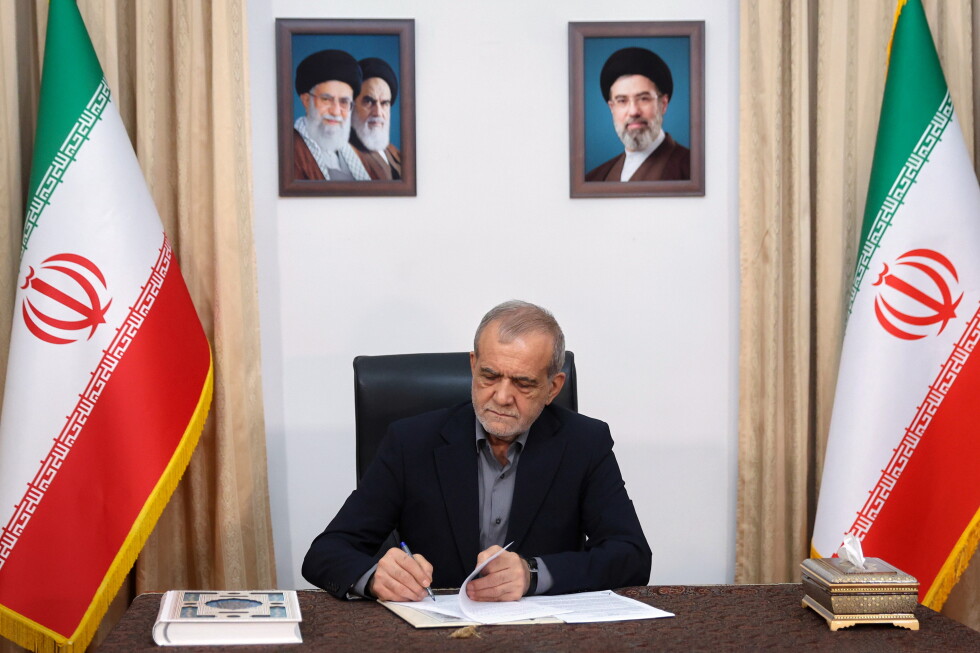
The agreement struck between the United States and Iran aims to end the war, reopen the Strait of Hormuz, ease sanctions on the Islamic Republic and relaunch nuclear talks with a 60-day deadline.But the brief document signed by U.S. President Donald Trump and Iranian President Masoud Pezeshkian is vague on some of the major questions left by the three-month regional conflict that jolted the world economy. The U.S. says some outstanding issues will be worked out over the 60 days.Here are some of the main questions, and the best answers available at the moment.
What will happen with Iran’s nuclear program?Trump says a key objective of the war was to prevent Iran from getting a nuclear weapon, something Tehran has long denied seeking. The U.S.-Israeli surprise attack that started the war on Feb. 28 came as Iran was engaged in nuclear talks, which are now set to resume.It will be extremely difficult to reach a full nuclear agreement before the 60-day deadline, which could be extended. The 2015 nuclear deal, which Trump scrapped during his first term, took more than 18 months to negotiate and involved complex technical discussions among nuclear experts.Iran has long insisted on its right to enrich uranium. The deal does not specify the level at which it would be allowed to enrich — the low levels required for power plants or the much higher level at which it had enriched before the war, which put the uranium a short, technical step away from weapons-grade.Iran’s existing stockpile of highly enriched uranium is believed to have been largely buried by U.S. strikes last year. The agreement says at a minimum the stockpile will be diluted on site under U.N. supervision, without elaborating. Trump has long demanded that it be removed from the country.