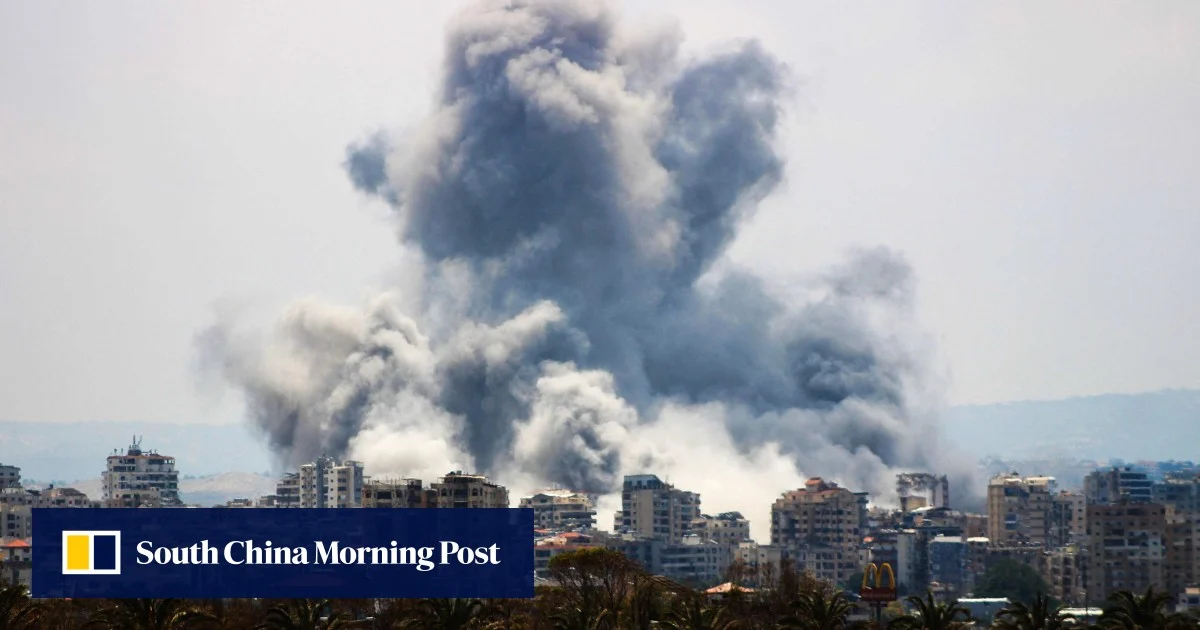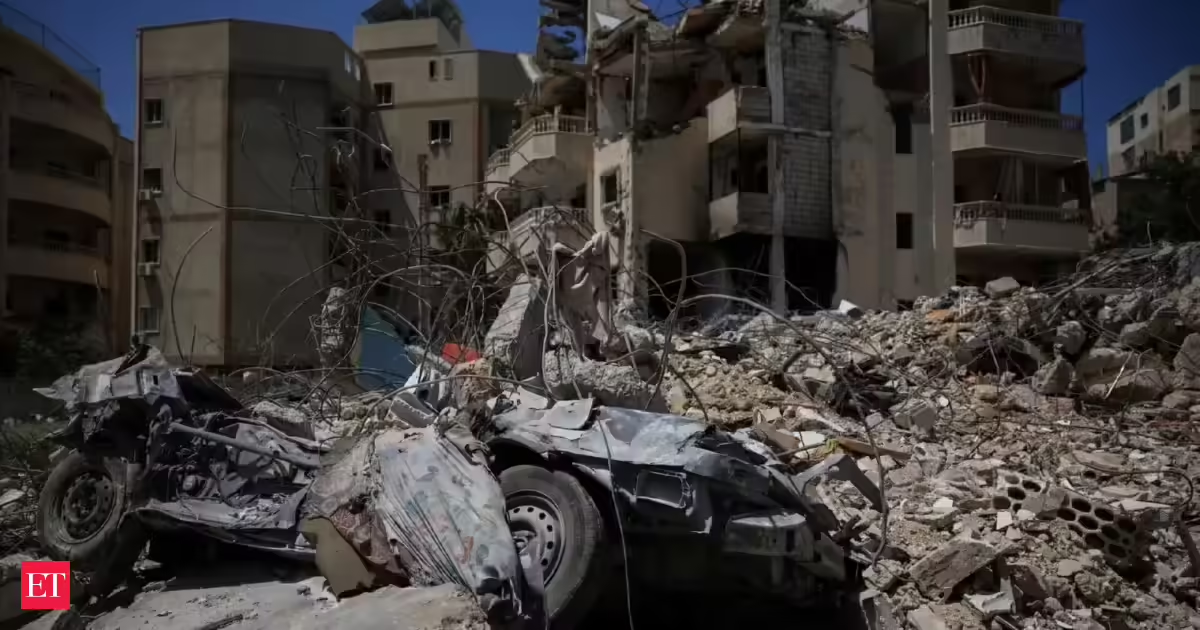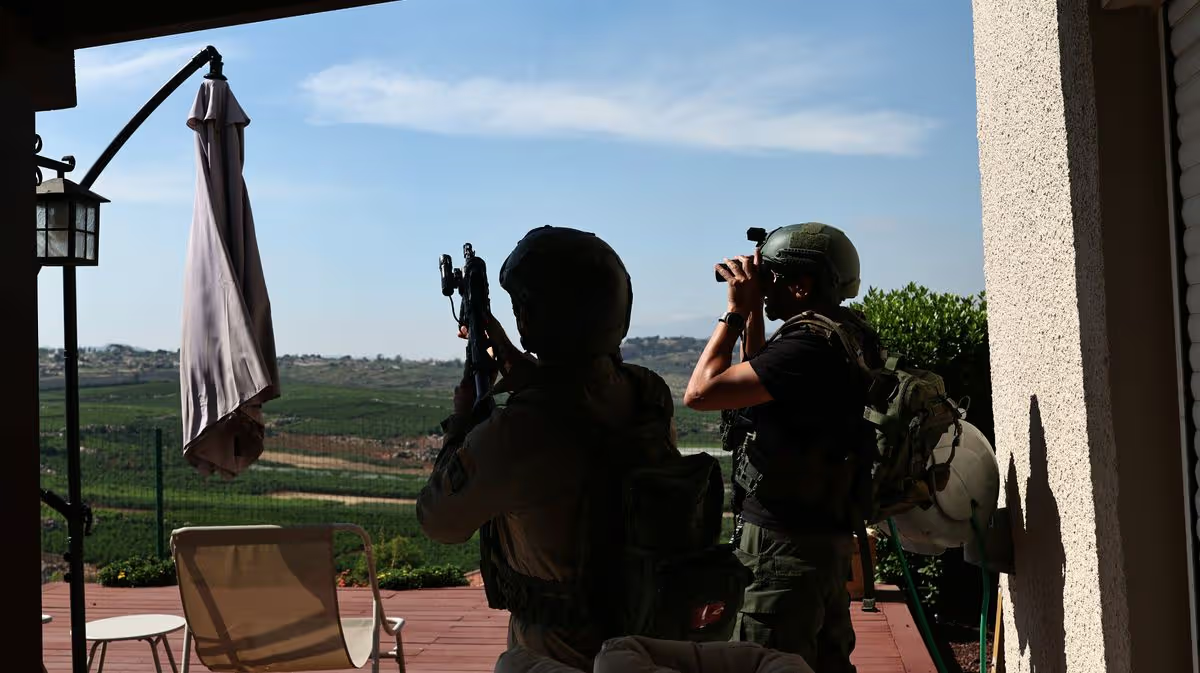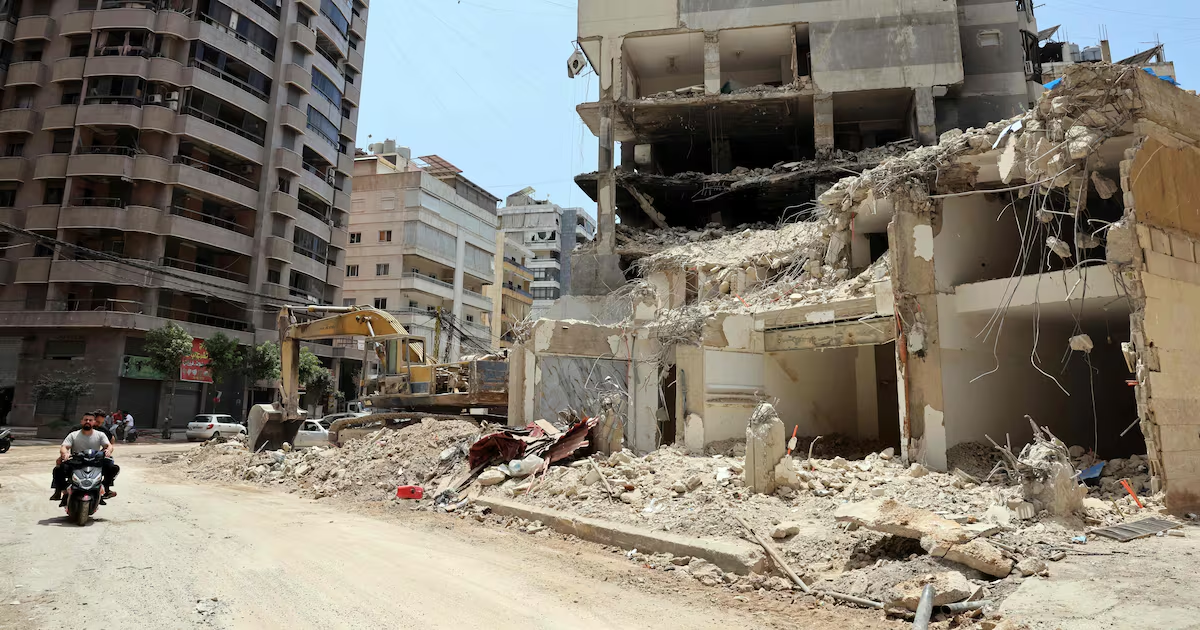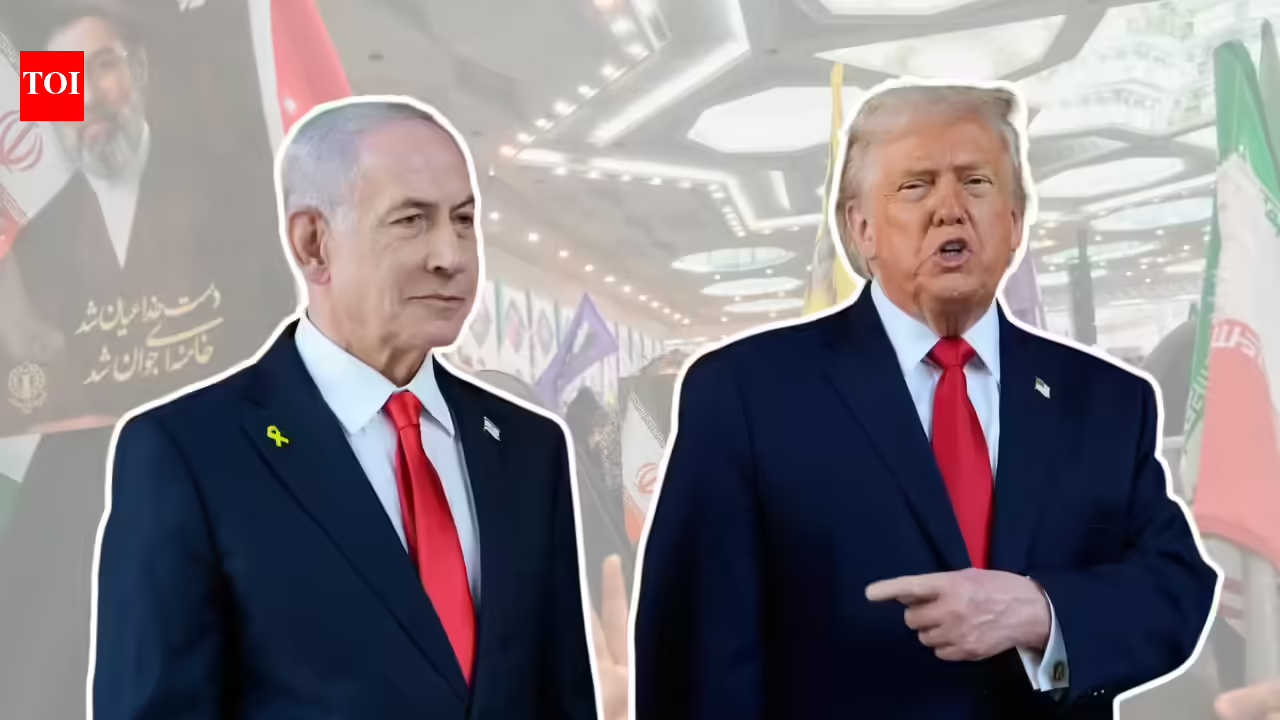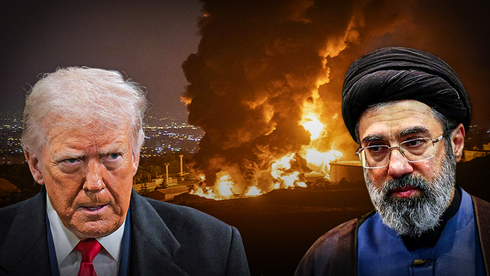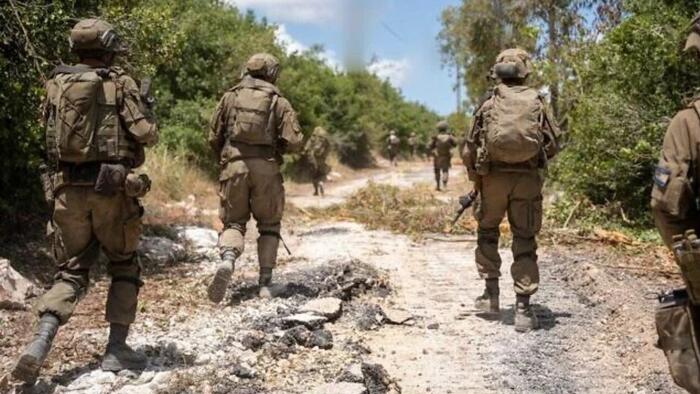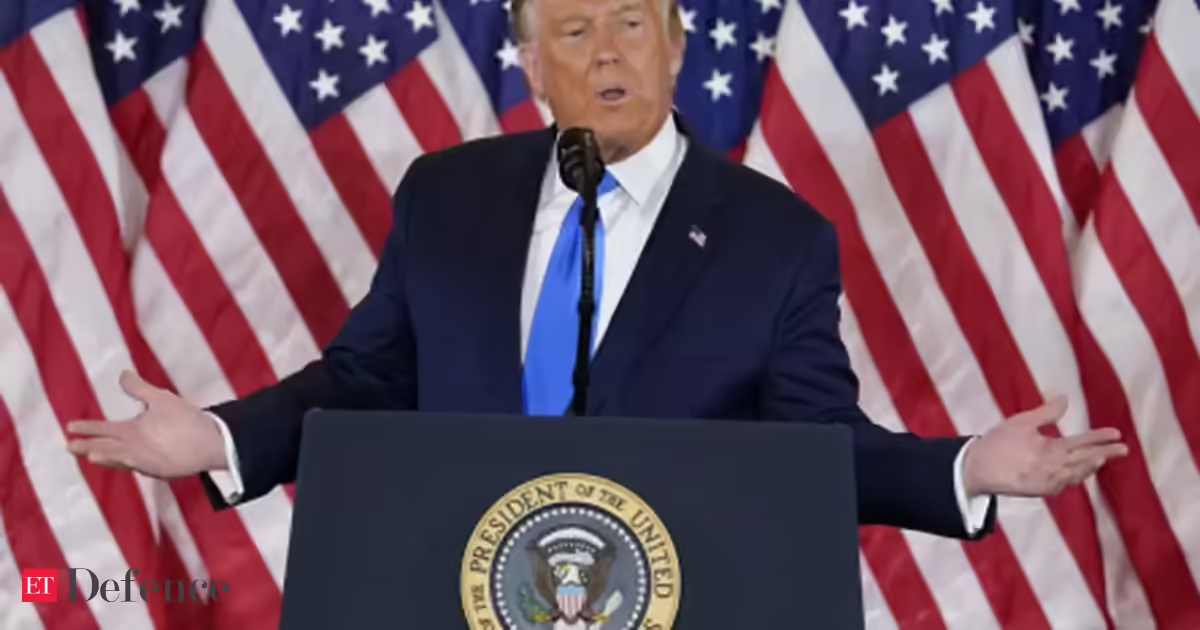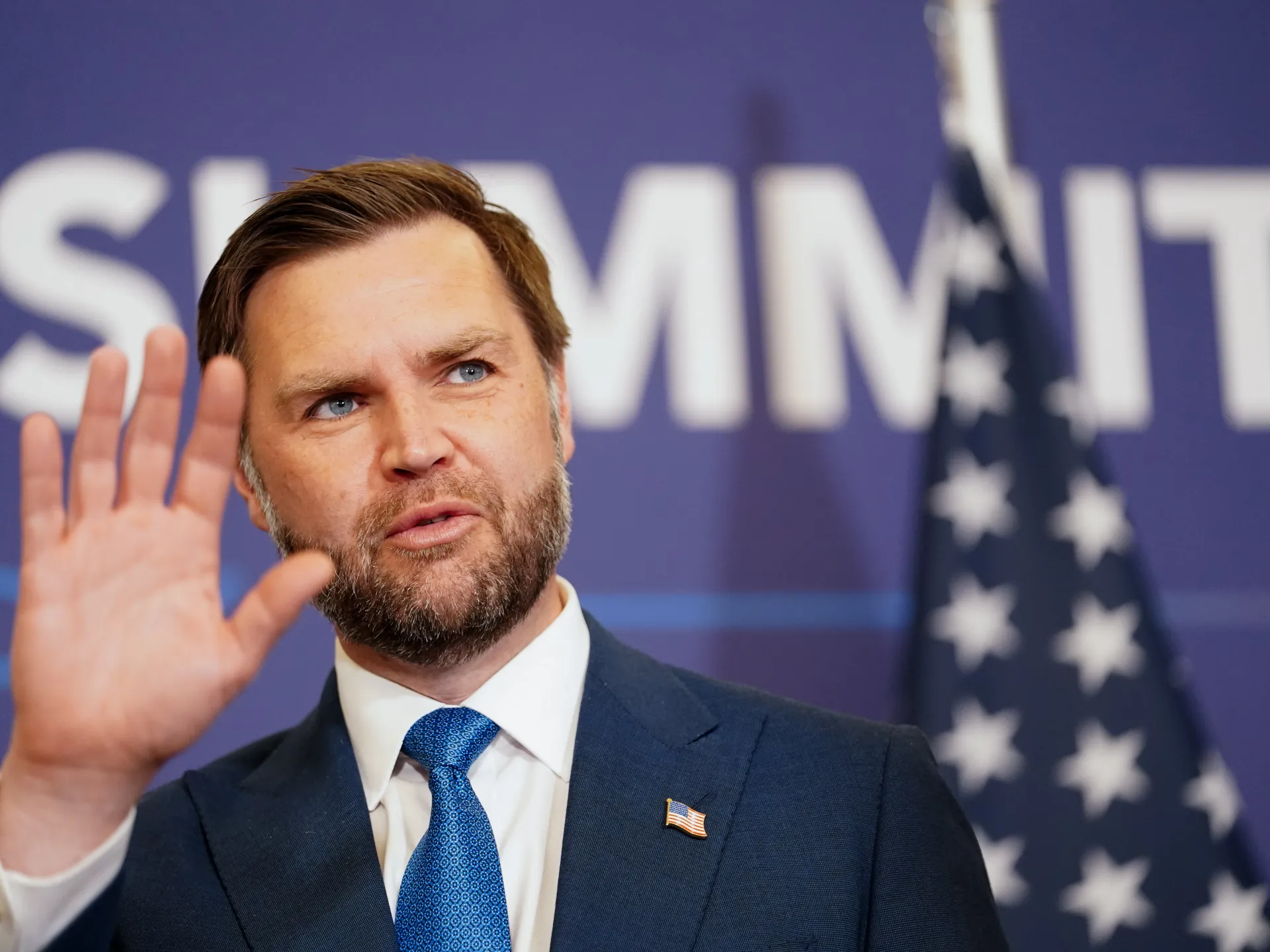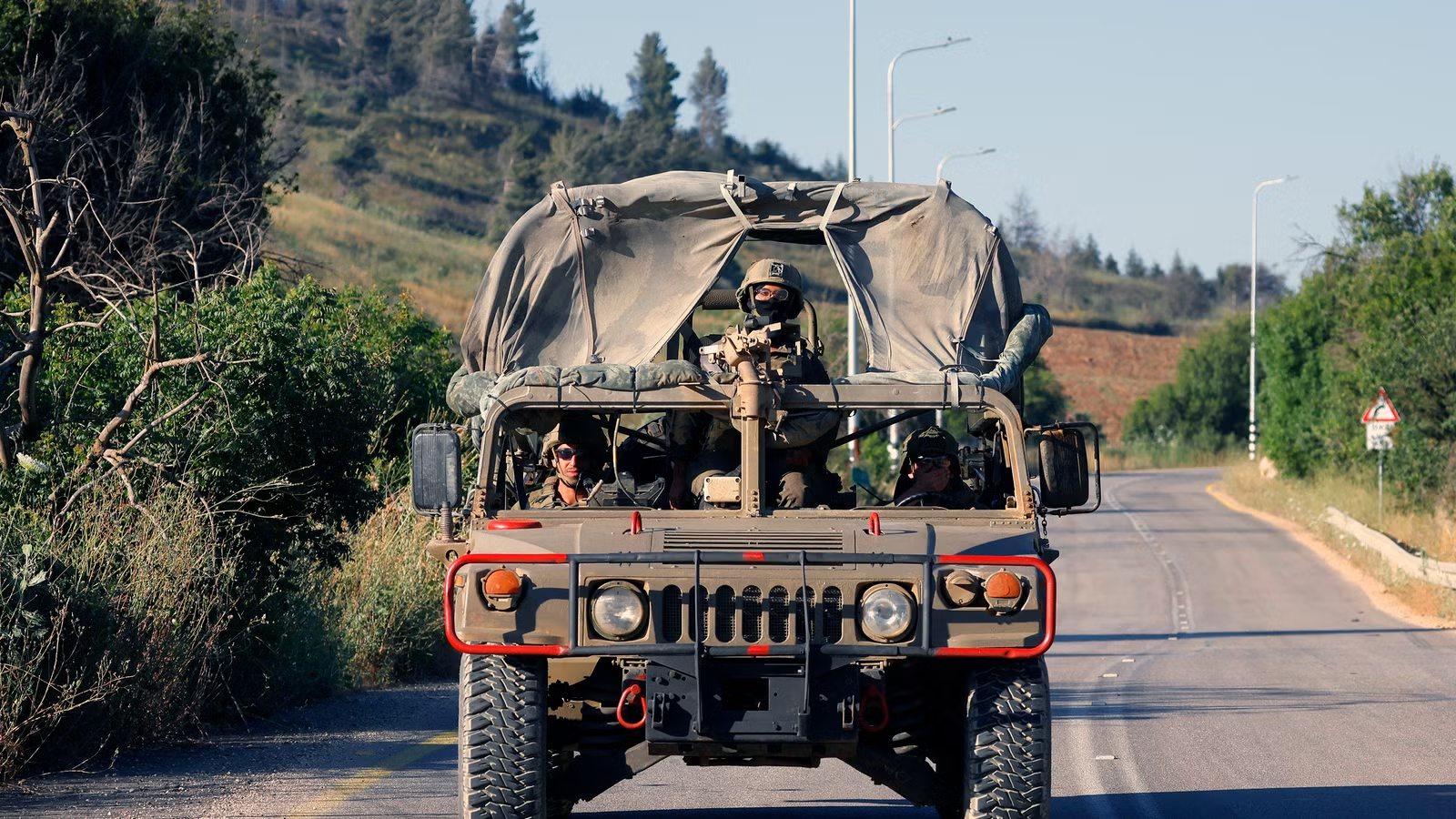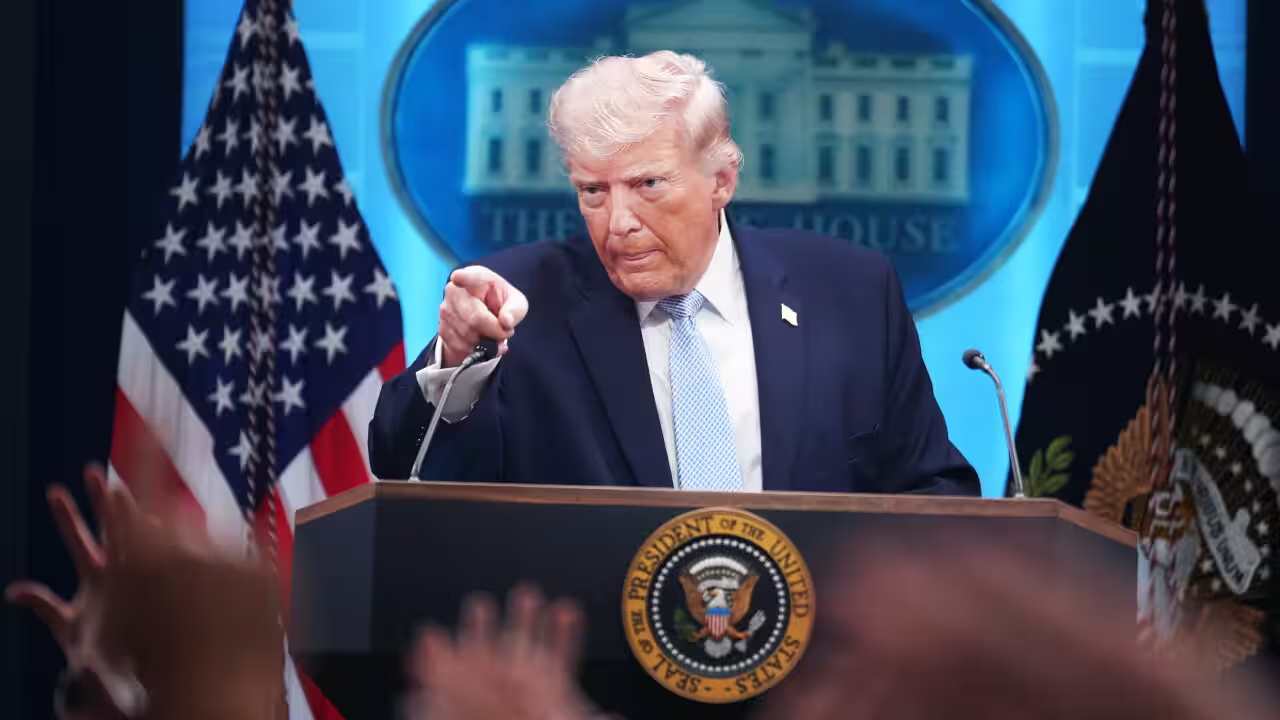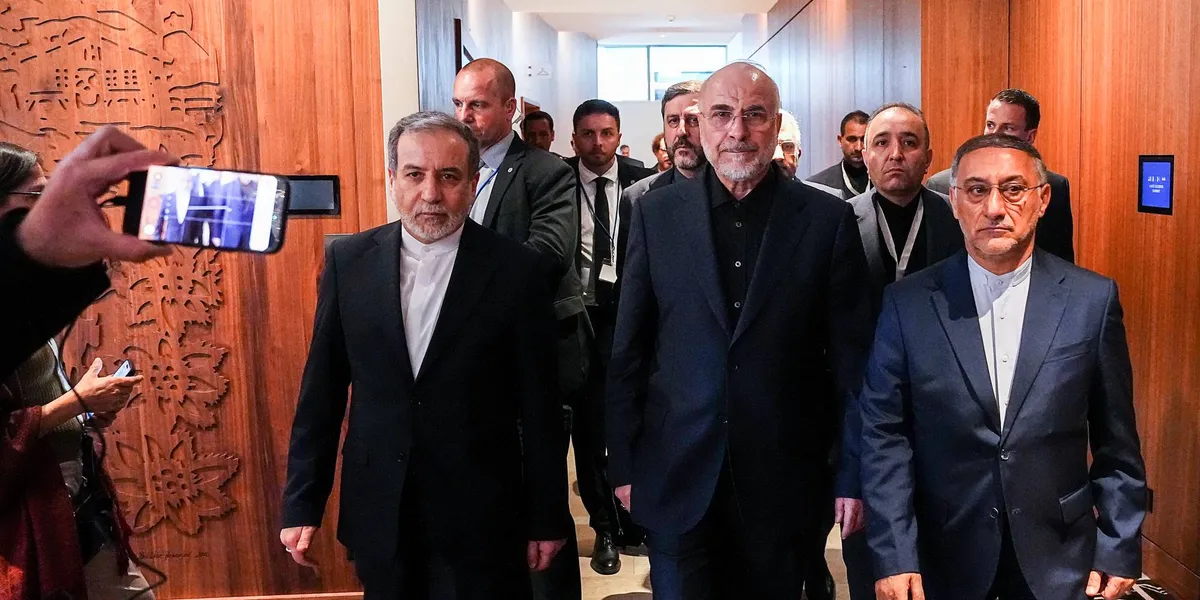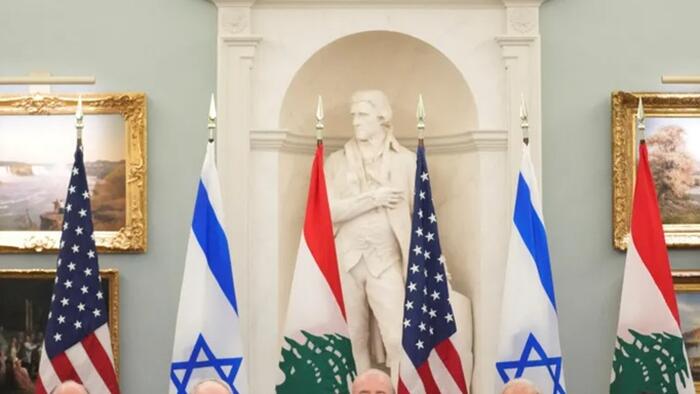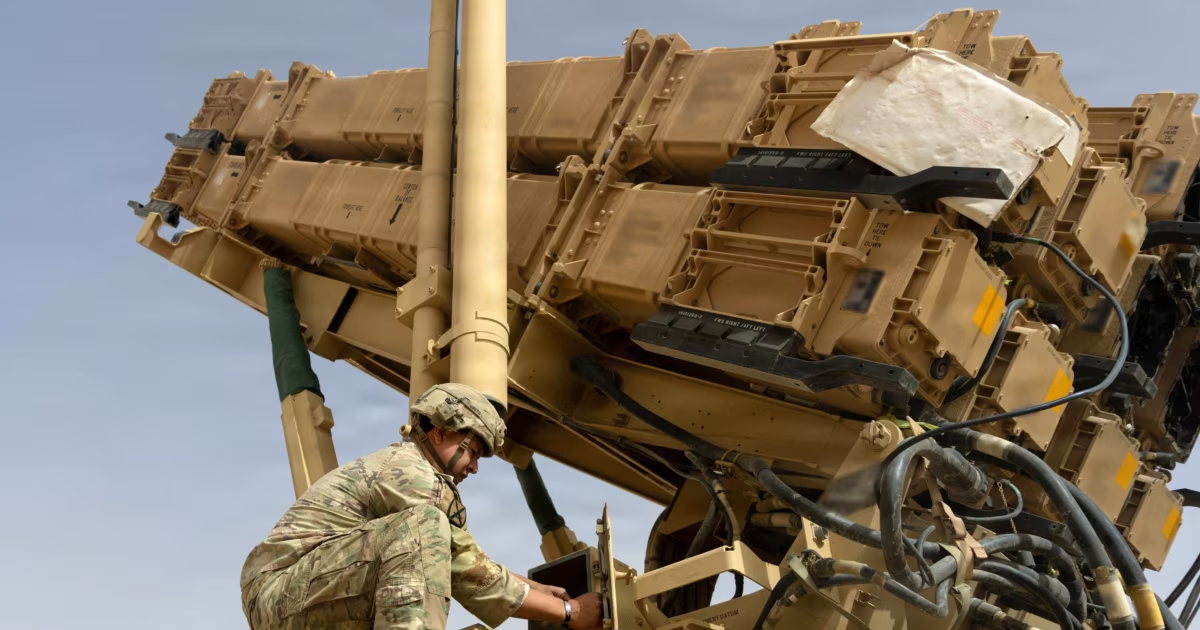
WASHINGTON -- As Washington and Tehran appear to edge toward a preliminary agreement, renewed fighting in Lebanon has cast uncertainty over the diplomatic track. Iran has warned that continued cease-fire violations in Lebanon could derail indirect talks with the US, while President Donald Trump insists negotiations are still moving ahead at a “rapid pace.”RFE/RL spoke with Kirsten Fontenrose, former senior director for the Gulf at the National Security Council during the first Trump administration, about whether diplomacy can survive the latest escalation, how Iran is trying to link the Lebanon and nuclear tracks, and what signs she will be watching for in the coming days.RFE/RL: Forty-eight hours ago, the story appeared to be that Washington and Tehran were moving closer to an agreement. Today, the question is whether the talks can survive the crisis in Lebanon. What changed, and how concerned should we be that diplomacy is slipping away?Kirsten Fontenrose: I actually think the changes during this weekend are a sign that diplomacy is still very alive. We saw developments on two different fronts. First, there is the question of Lebanon. Israel was pushing harder into southern Lebanon, further than it had before, and was taking territory it once held between 1992 and 2000, when it first pushed Hezbollah out of that crusader castle Hezbollah had been using to attack Israel.
Former Senior Trump NSC Official Says Diplomacy 'Alive' As US, Iran, Battle For Leverage
As Washington and Tehran edge toward a preliminary peace deal, renewed fighting in Lebanon has cast uncertainty over the diplomatic track.
2,410 words~11 min read