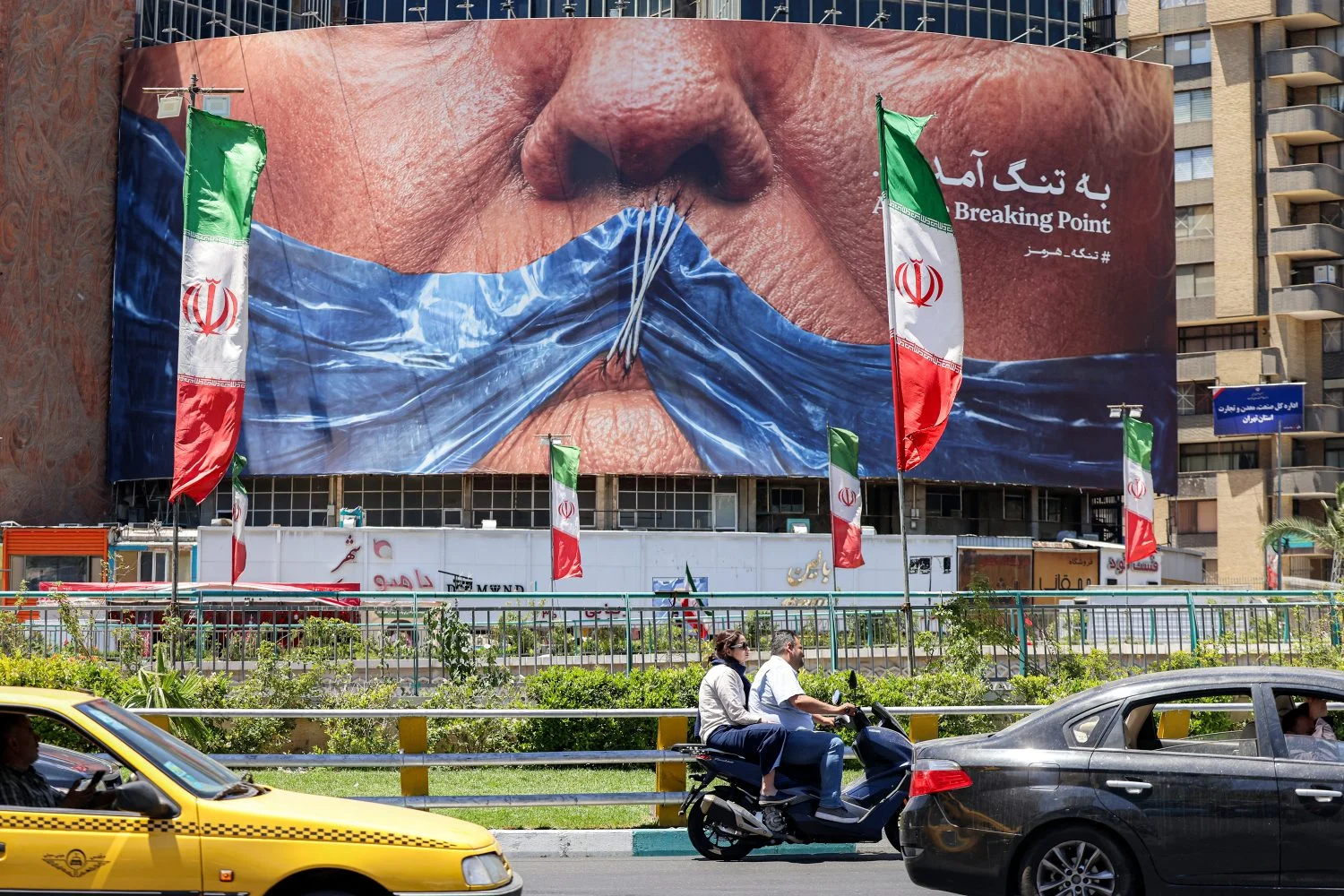
U.S. President Donald Trump has two basic options regarding Iran right now. He can either push through an imperfect deal and sell it to the American people as a victory; or he can bet that Washington can sustain more economic and political pain than Tehran and continue to play a geopolitical game of chicken.
Which will it be? The stakes get higher with each passing day. This week, the Organization for Economic Cooperation and Development, a club of industrialized economies, projected that global growth could slow to 2.1 percent—a sharp drop from last year’s 3.4 percent—if a deal to reopen the Strait of Hormuz isn’t reached this year.
On the latest episode of FP Live, I spoke with Robert Malley, a lead negotiator in the Obama administration’s 2015 Iran nuclear deal, and also a special envoy for Iran under President Joe Biden. Malley now runs the Middle East program at the International Crisis Group and teaches at Yale University’s Jackson School of Global Affairs. Subscribers can watch the full discussion in the video box atop this page, or download the free FP Live podcast. What follows here is a condensed and lightly edited transcript, exclusive to FP Insiders.
Ravi Agrawal: So, every week now, there are new reports that we are close to a deal, and then nothing happens. What do you make of the ongoing talks between Washington and Tehran?