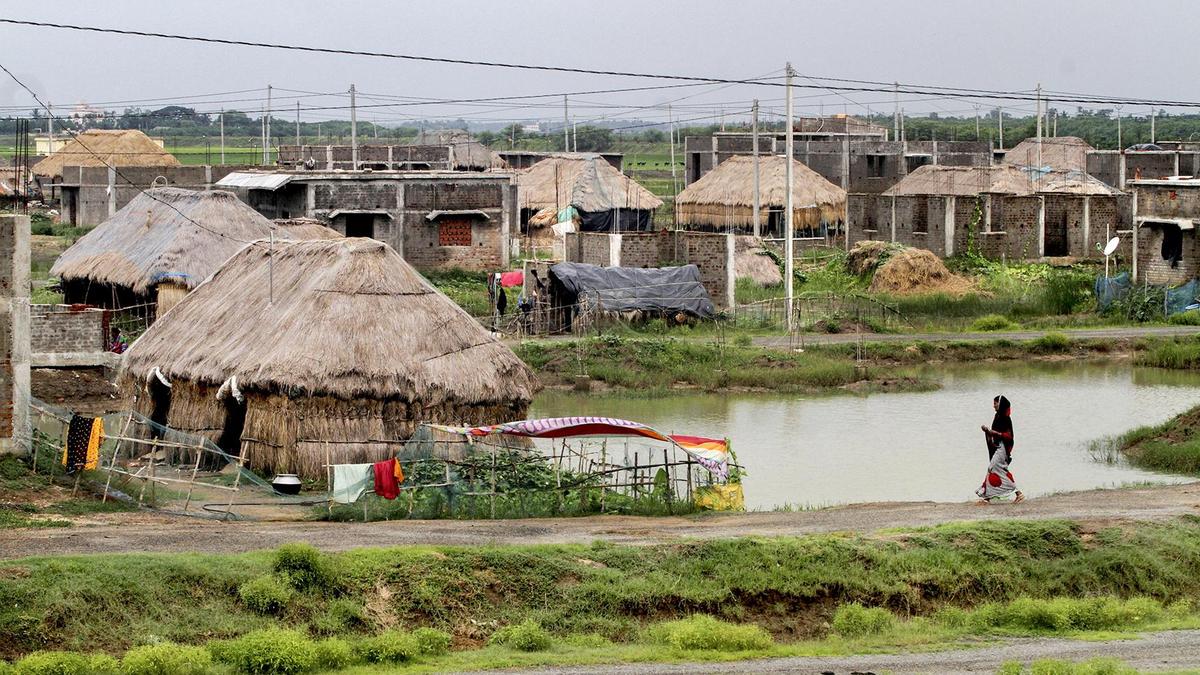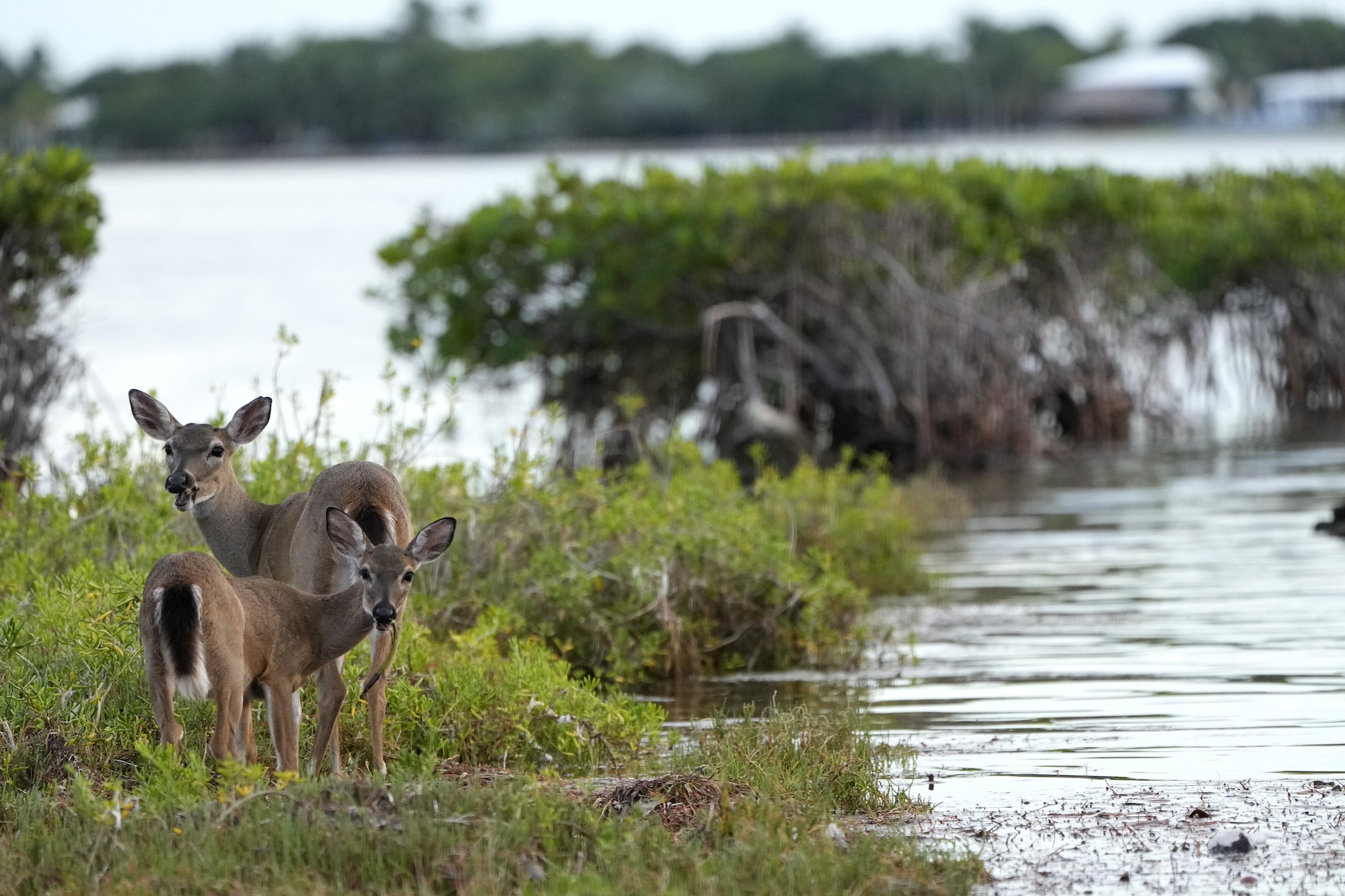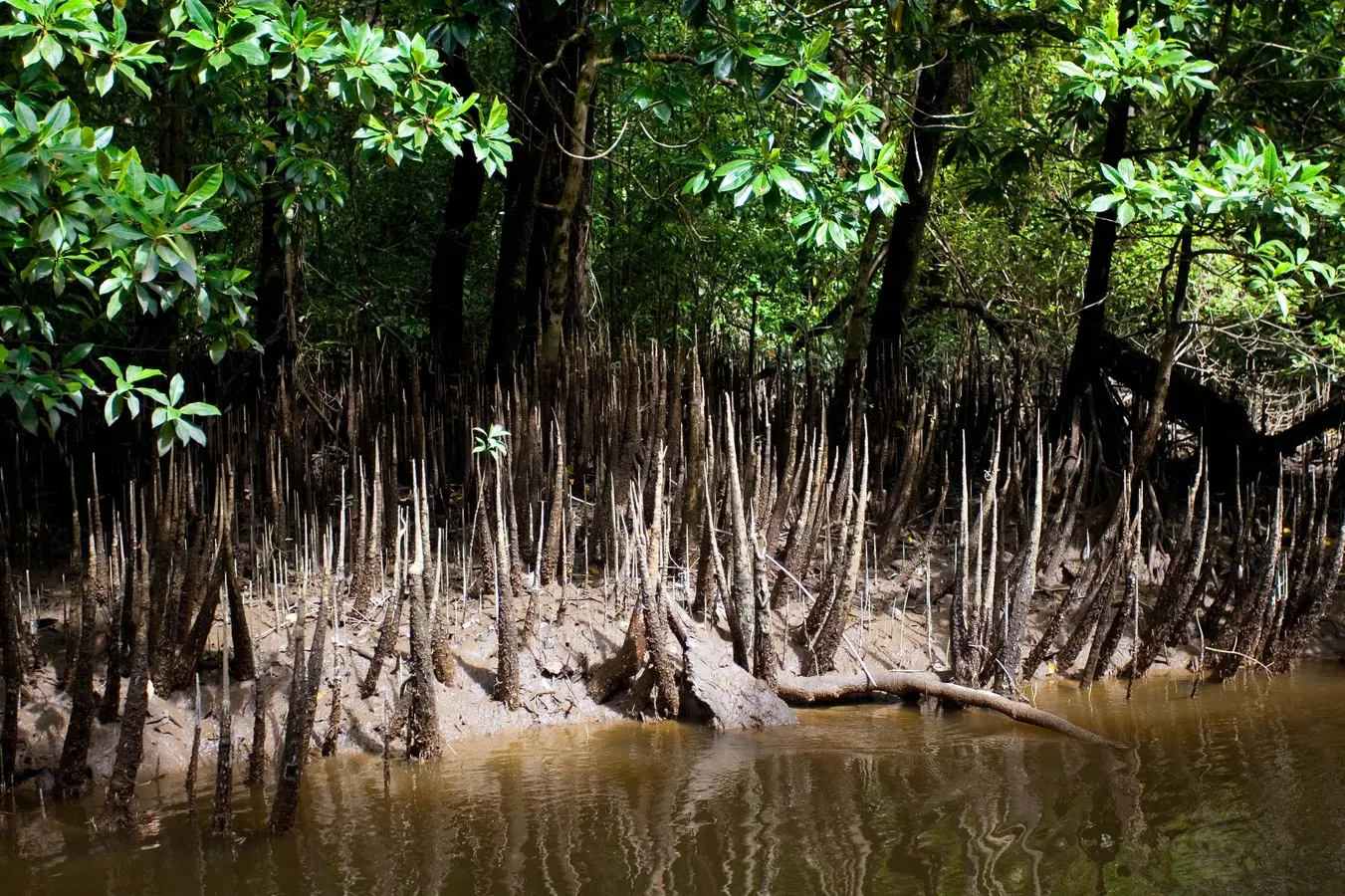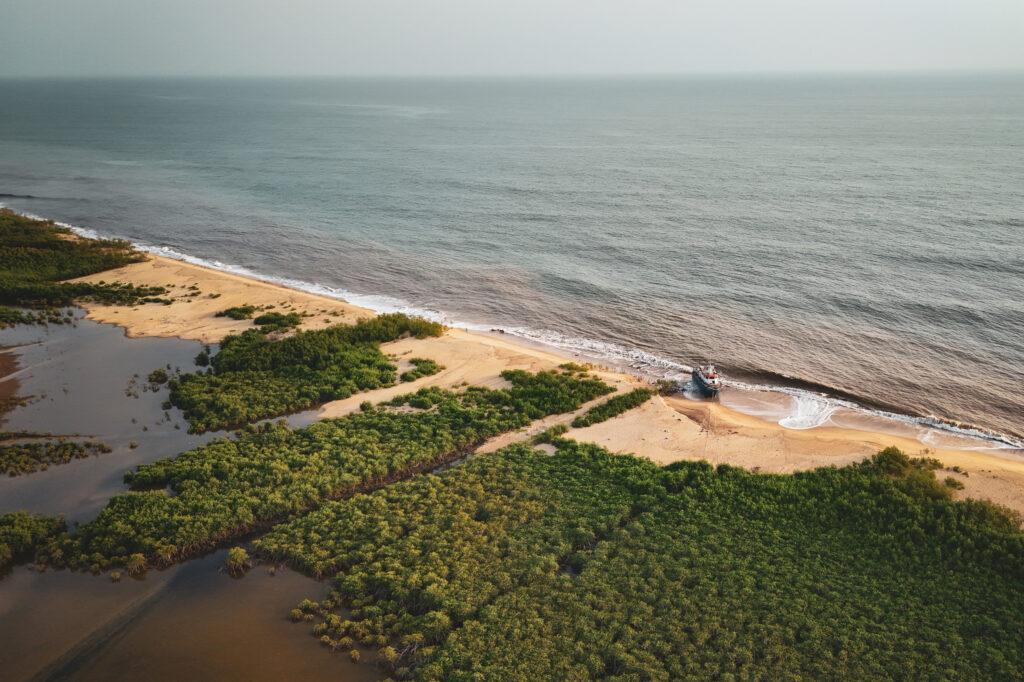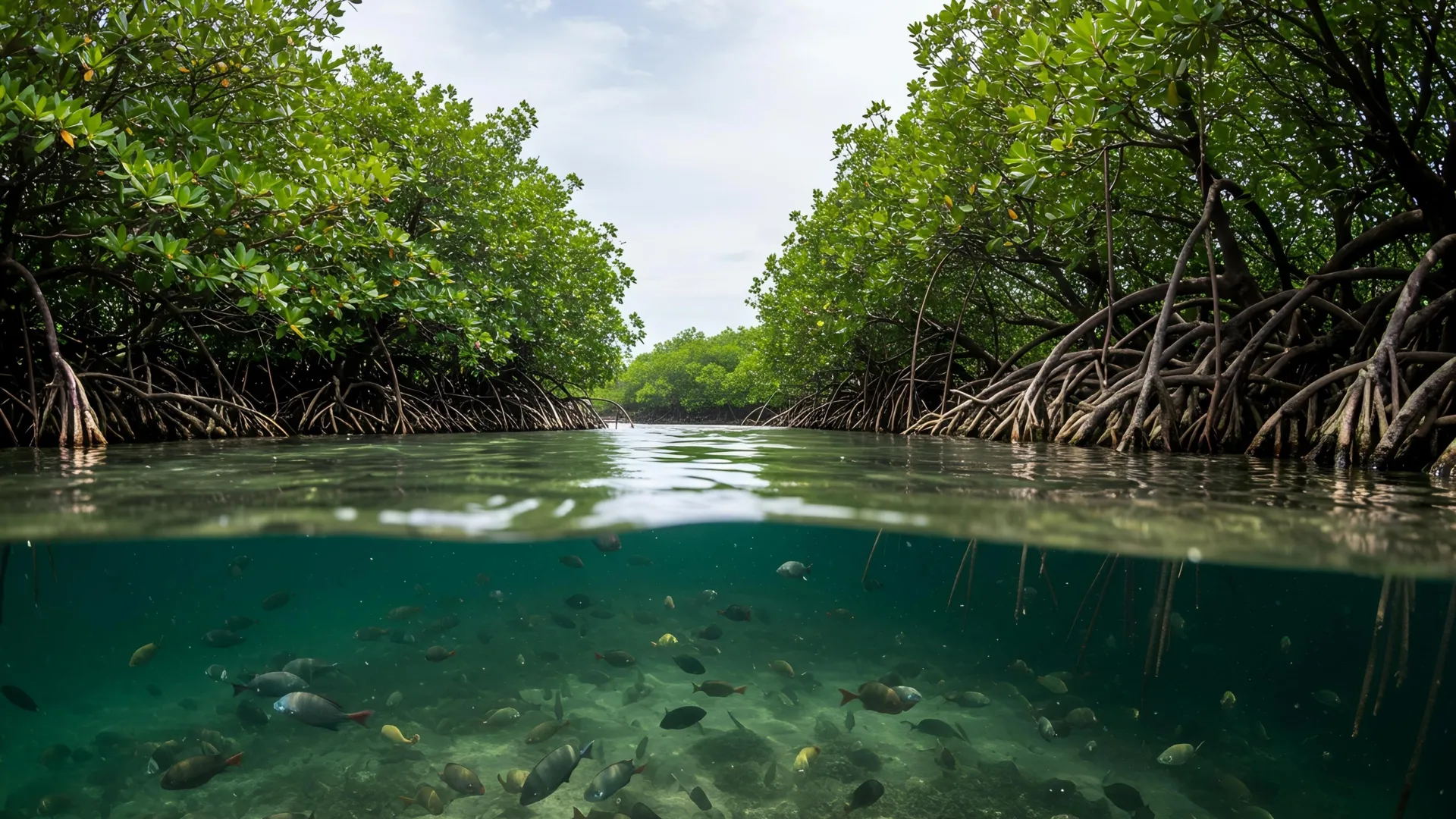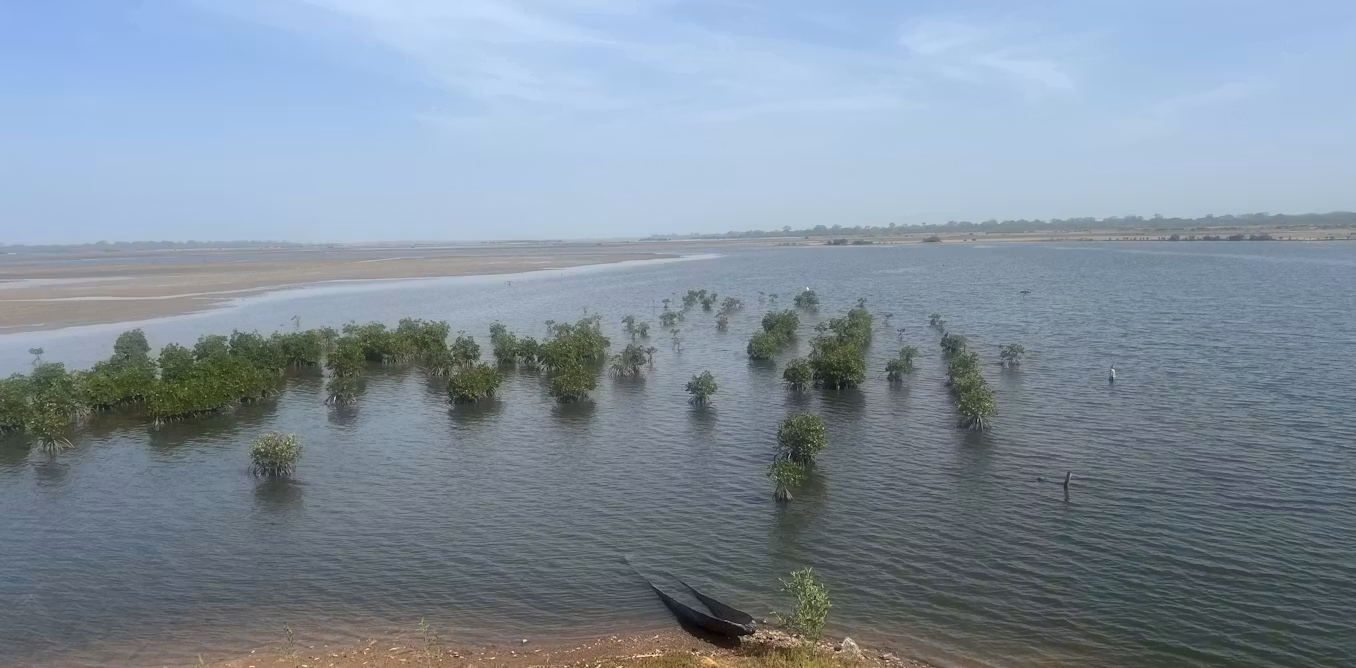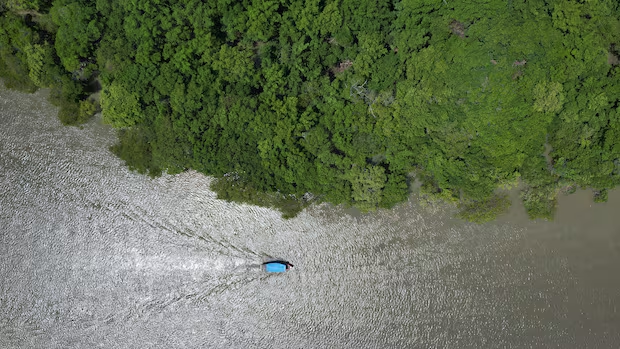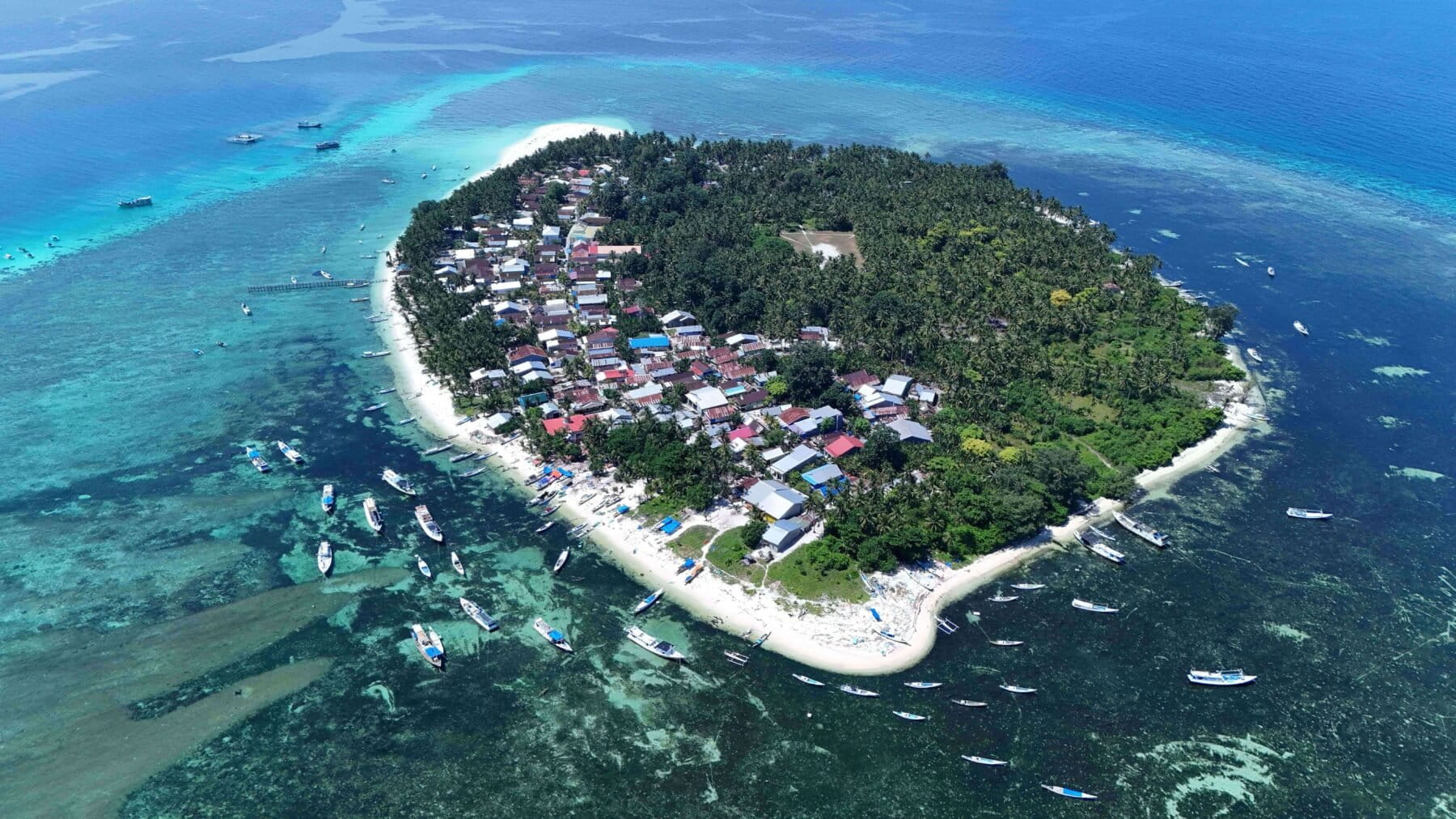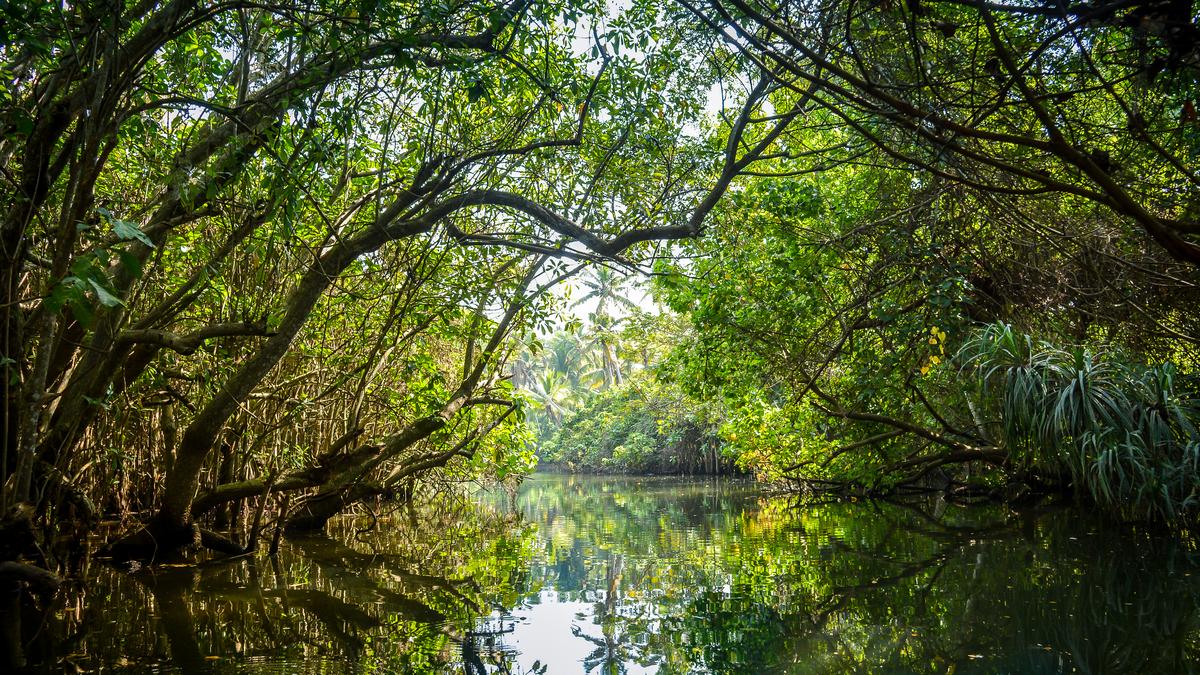
When Cyclone Dana made landfall near Bhitarkanika on Odisha’s coast, the region’s mangroves quietly provided a form of protection that billions of rupees in coastal infrastructure often struggle to deliver: reducing climate impacts while strengthening ecosystems and livelihoods. Across India’s coastline, mangroves, seagrass meadows, and coral reefs are already helping communities adapt to rising climate risks. Yet seawalls, groynes, and embankments continue to dominate adaptation spending, even though they can be costly to maintain and sometimes transfer risks elsewhere. Despite their proven benefits, these ecosystem-based interventions are rarely recognised as Ecosystem-based Adaptation (EbA), limiting their visibility in adaptation planning and finance.For millions living along India’s coastline, climate change is already a lived reality. From rising sea levels across the Arabian Sea and the Bay of Bengal to saline intrusion, intensifying cyclones and storm surges, climate change is multiplying threats along India’s 11,000-kilometre coastline. These interacting hazards not only reshape the ecologically fragile coastal landscape but also directly upend the lives, livelihoods and homes of around 250 million people. In this context, EbA offers a promising strategy for reducing climate risk while sustaining the ecosystems that support fisheries, agriculture, and tourism.India’s coastal adaptation landscape reveals a stark preference for engineered measures such as seawalls, groynes, embankments, and tetrapods. This preference is also reflected in public spending. While coastal States spent ₹2,641 crore on hard protection measures over the last decade, the National Coastal Mission’s budget fell from ₹195 crore in 2022-23 to ₹50 crore in 2024-25. Although grey measures remain necessary and effective in many high-density urban contexts, they are expensive to maintain and can displace underlying risks rather than resolve them. In Kerala, for example, hard armouring along eroding coastlines has protected specific sites while accelerating erosion and damage in adjacent areas.Untapped adaptation assetEbA uses biodiversity and ecosystem services to help people adapt to climate change.India’s coastline hosts a range of ecosystems, including mangroves, seagrasses, coral reefs, and wetlands, that act as natural buffers against climate impacts. Research identifies India as a global ‘hotspot’ for coastal EbA, with mangroves protecting more people per hectare than almost any other country. Yet this ecological shield remains an underutilised asset in India’s climate resilience strategy.The benefits of EbA are already visible on the ground. In the Sundarbans, for instance, over 18,000 women restored 4,600 hectares of mangroves, blunting the devastation of cyclones Amphan and Yaas. The restoration also strengthened livelihoods through activities such as honey collection and crab farming, highlighting EbA’s social and economic co-benefits.EbA remains peripheral to India’s adaptation agenda. Fragmented mandates, weak monitoring, and a preference for visible infrastructure often leave ecosystem-based interventions buried within broader sectoral programmes rather than recognised as adaptation in their own right.The most overlooked barrier, however, is the ambiguity surrounding the term EbA. The policy space is crowded with overlapping concepts such as Nature-based Solutions (NbS), Ecosystem-based Coastal Adaptation (EbCA), Ecosystem-based Disaster Risk Reduction (Eco-DRR), and other ecosystem-centred approaches, creating uncertainty about what qualifies as EbA. Additionally, many ecosystem-based interventions are implemented through broader development, conservation, or restoration programmes, with their adaptation benefits rarely assessed or recorded separately. As a result, many coastal EbA interventions remain concealed within sectoral initiatives or generic policy categories, making India’s coastal EbA portfolio appear much weaker than it truly is.Why classification mattersThe Mangrove Initiative for Shoreline Habitats & Tangible Incomes programme illustrates the disconnect. It aims at restoring 540 square kilometres of mangroves across nine States. Although designed to protect coastal communities from the impacts of climate change, it is primarily framed as a restoration programme.Without clear recognition and classification, many EbA interventions remain fragmented across different labels and schemes. Clear classification helps identify, monitor, and evaluate adaptation outcomes while ensuring that the socio-economic benefits of EbA are properly reflected in planning and finance. This matters even more as the Global Goal on Adaptation has renewed attention to how adaptation outcomes are measured and reported. Without clear ways of identifying and tracking EbA interventions, India risks undercounting some of its most effective climate responses.While this may appear to be a question of terminology, it carries real policy consequences. For better adaptation action, India must move from dispersed projects to a coherent strategy that embeds EbA within coastal planning and adaptation policy. The challenge is no longer whether ecosystem-based adaptation works but whether our policy frameworks are prepared to recognise, measure, and scale it. By operationalising EbA as a core climate and development strategy, India can reposition its natural capital as one of its most resilient and equitable lines of defence.Jui Gusani is a postgraduate from the Indian Institute of Forest Management, Bhopal, and was formerly an intern at the Sustainable Futures Collaborative; Sony R. K. is an Associate Fellow at Sustainable Futures Collaborative
When mangroves do what seawalls cannot
India’s coastline relies on seawalls and embankments, while Ecosystem-based Adaptation through mangroves, seagrasses and coral reefs continues to reduce climate risks
783 words~4 min read