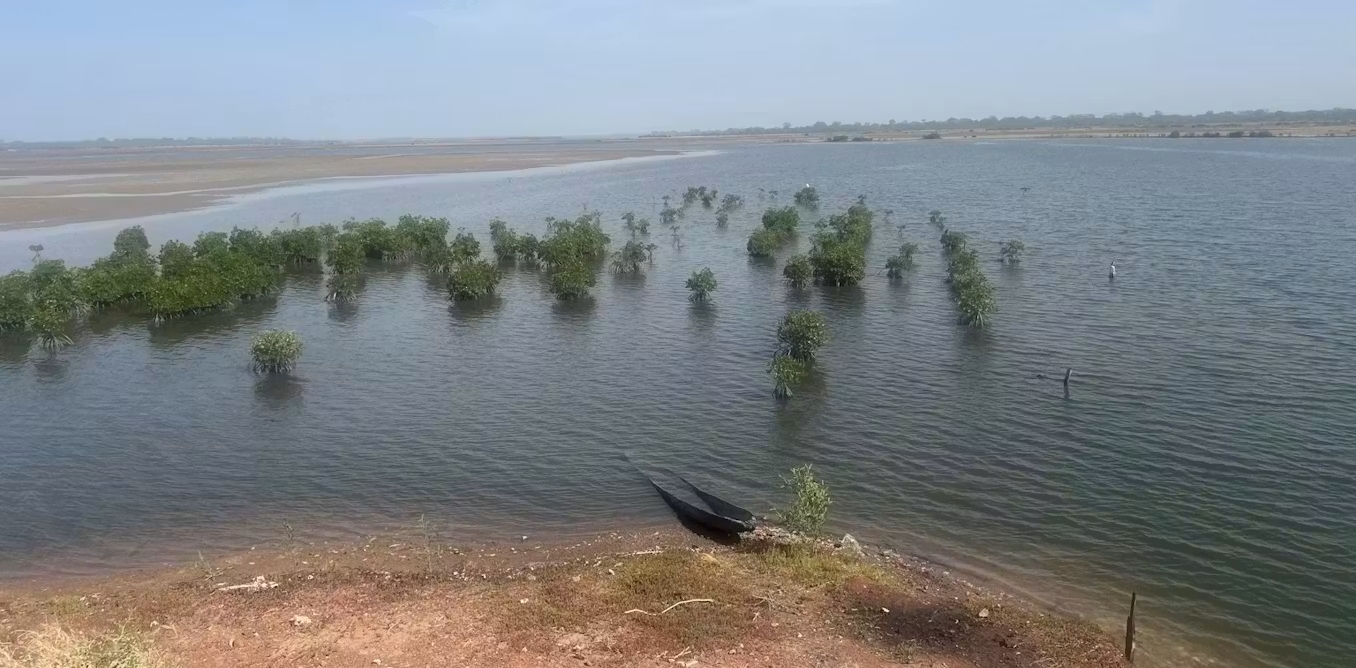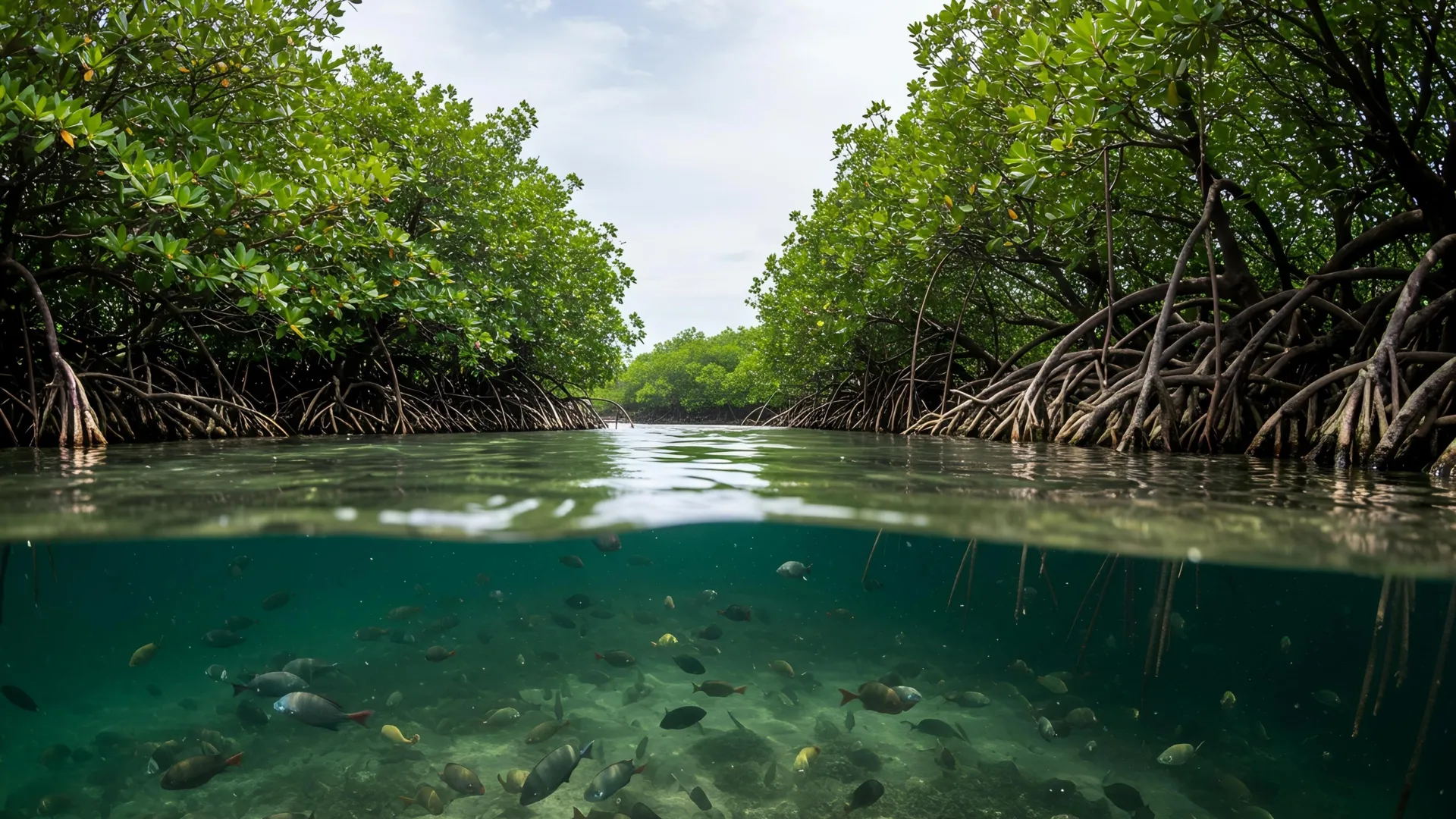
Nature-based solutions have become central to global climate strategies. From tropical forests to wetlands, restoring nature means trees and plants can capture carbon dioxide, reduce global warming and regenerate biodiversity.
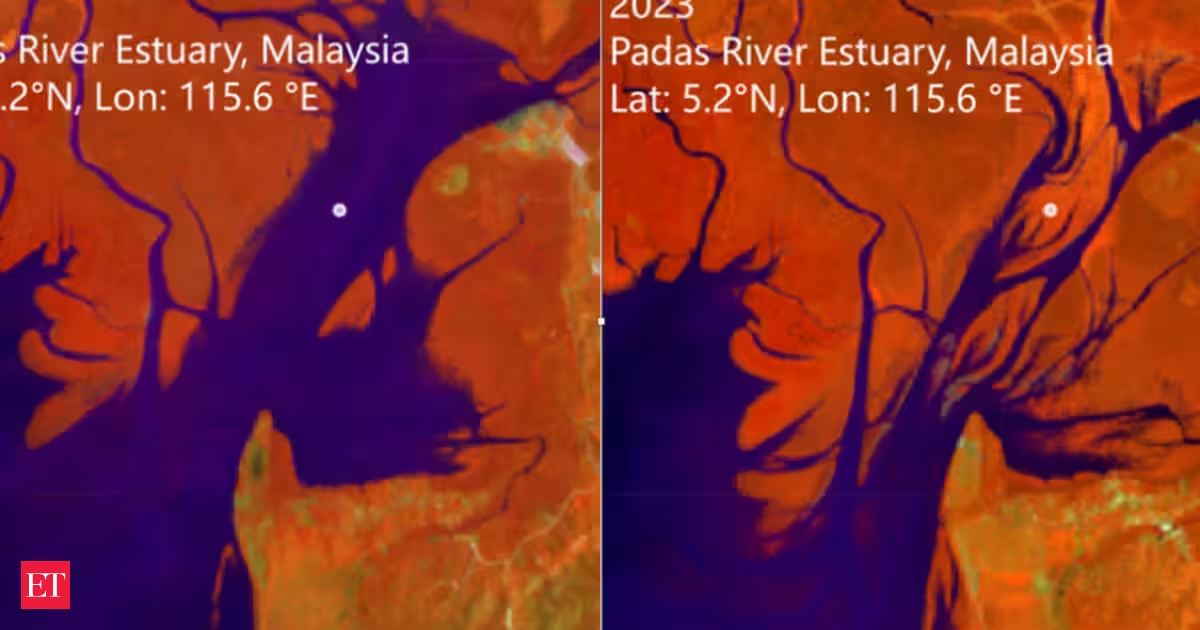
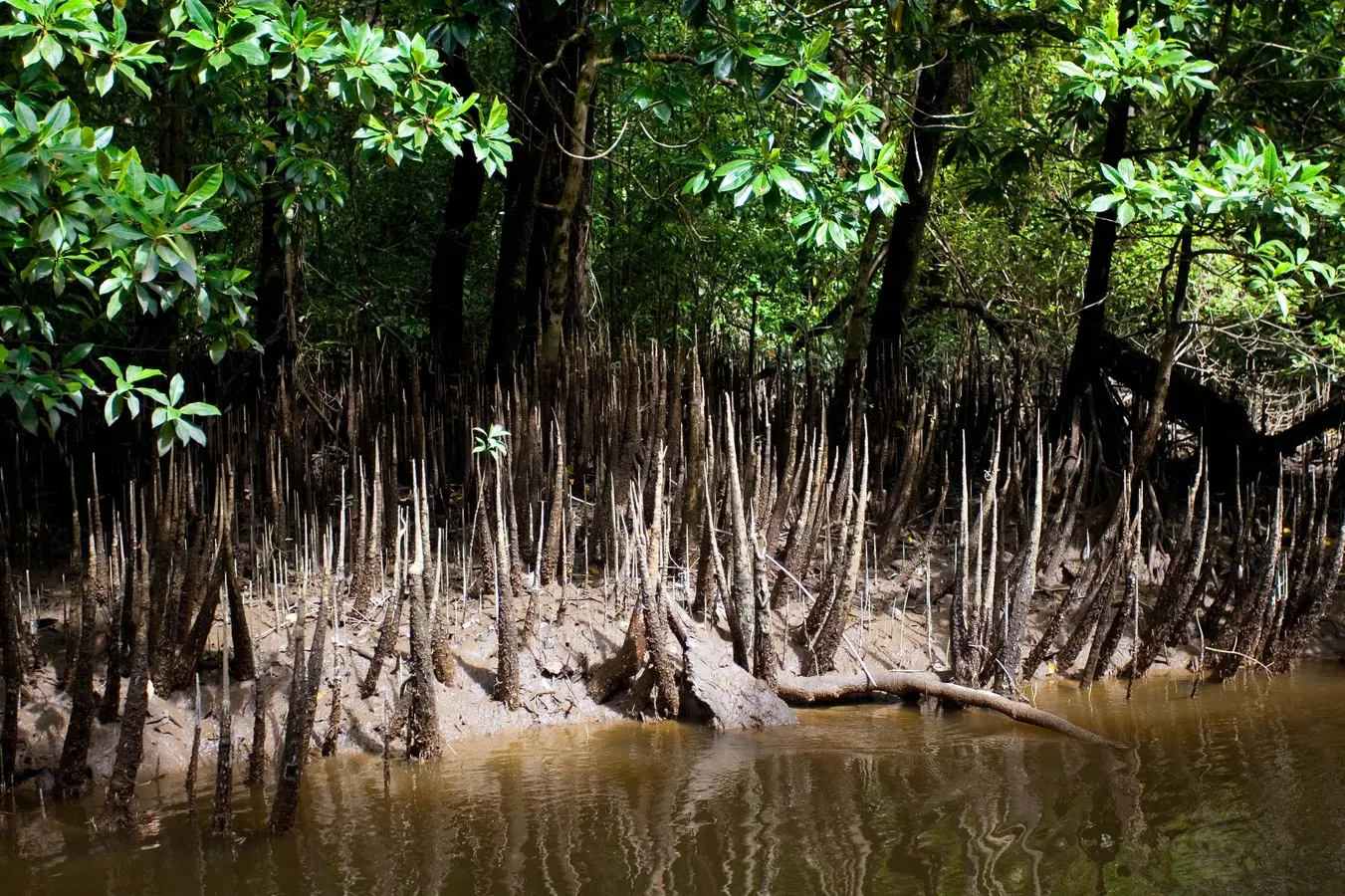
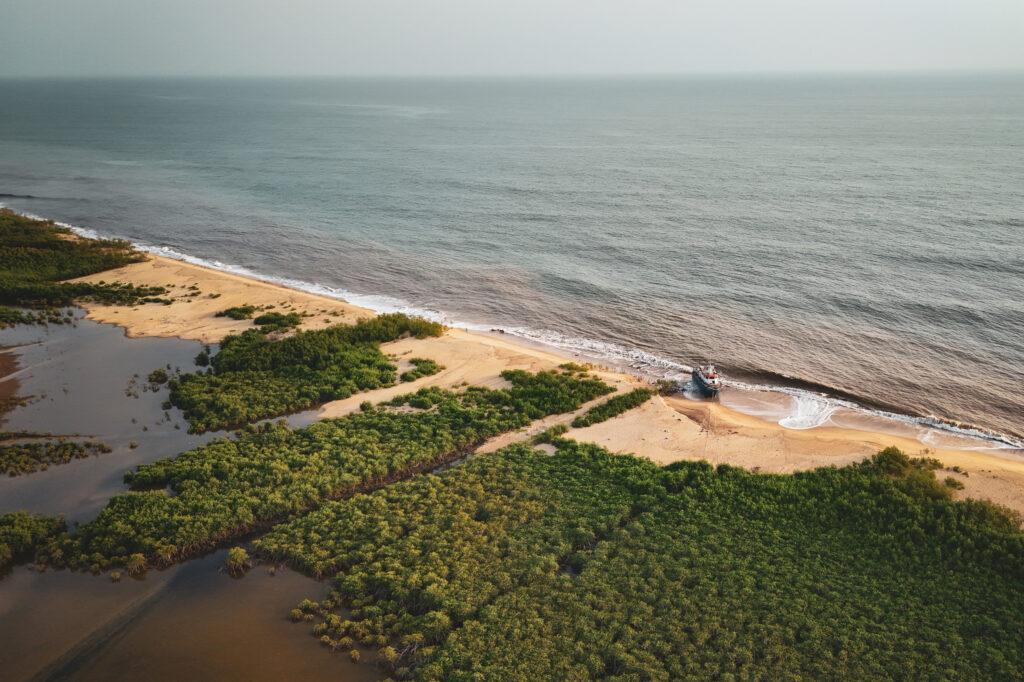
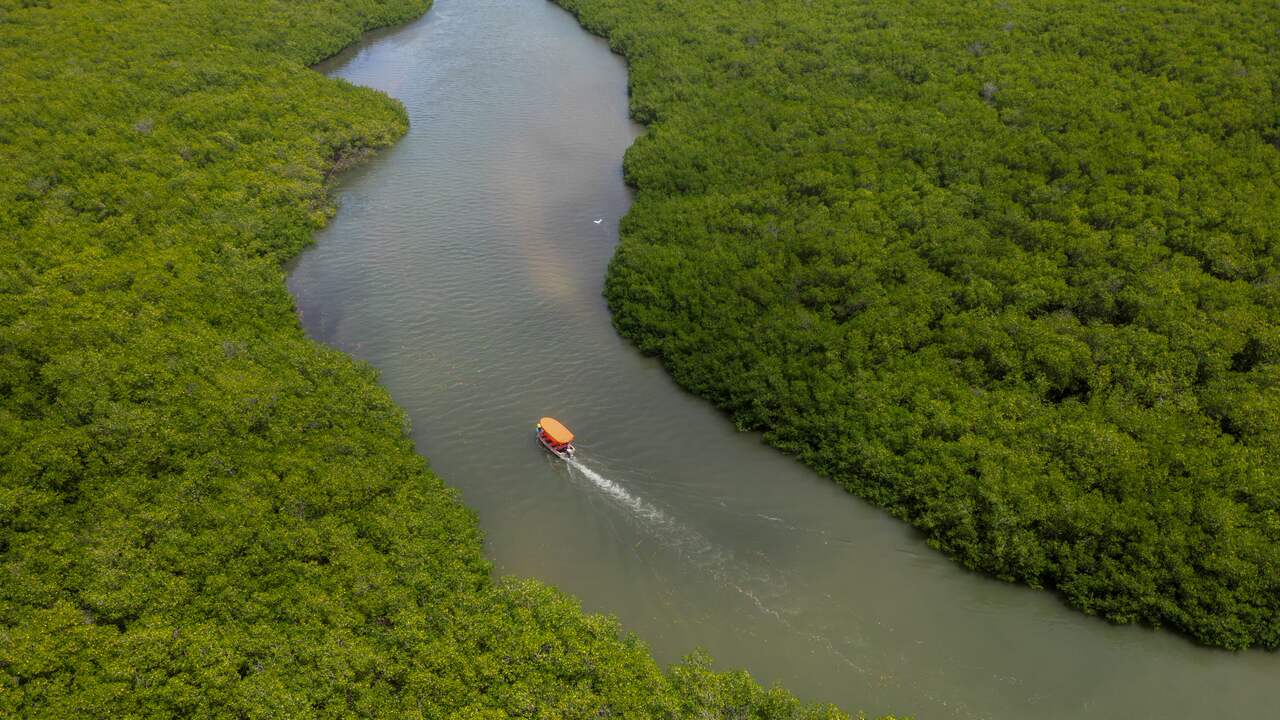
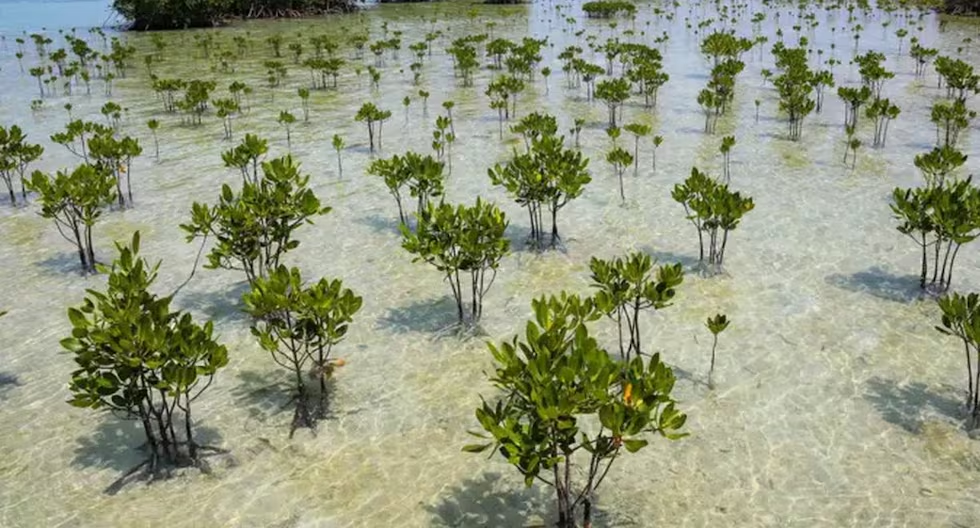
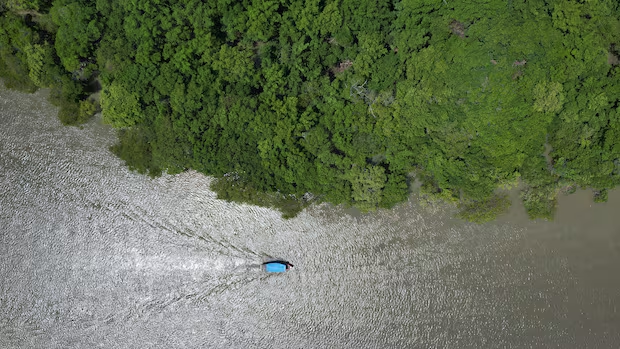
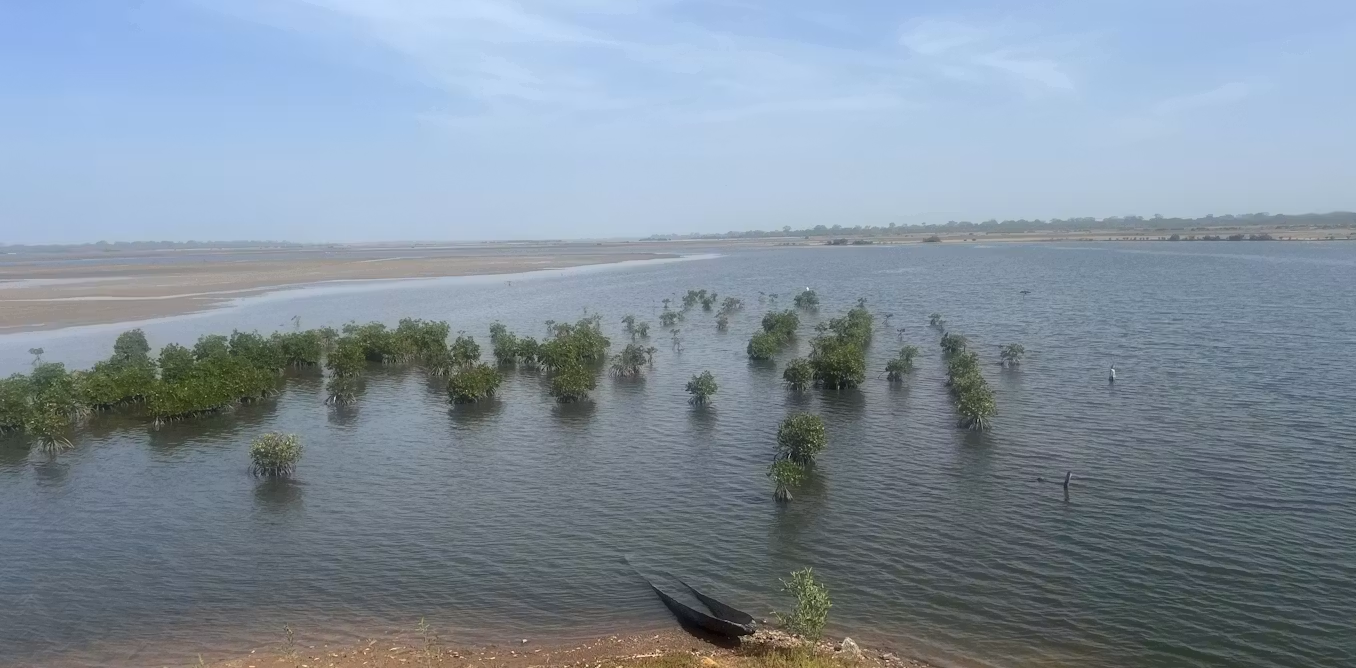
Among these solutions, mangroves (coastal forests) occupy a special place. They’re among the most efficient natural carbon sinks on Earth. A carbon sink is a place where carbon is stored, like within the trunk of a tree or in waterlogged soil. A mangrove forest can also make money by selling carbon credits and paying a fair share to local communities.
À lire aussi :
Climate change: Africa has a major new carbon market initiative - what you need to know
Carbon credits are tradeable units that represent one tonne of carbon dioxide removed from the atmosphere or avoided through activities such as reforestation, renewable energy projects or ecosystem restoration. Companies buy these credits to compensate for, or offset, some of the emissions they produce.