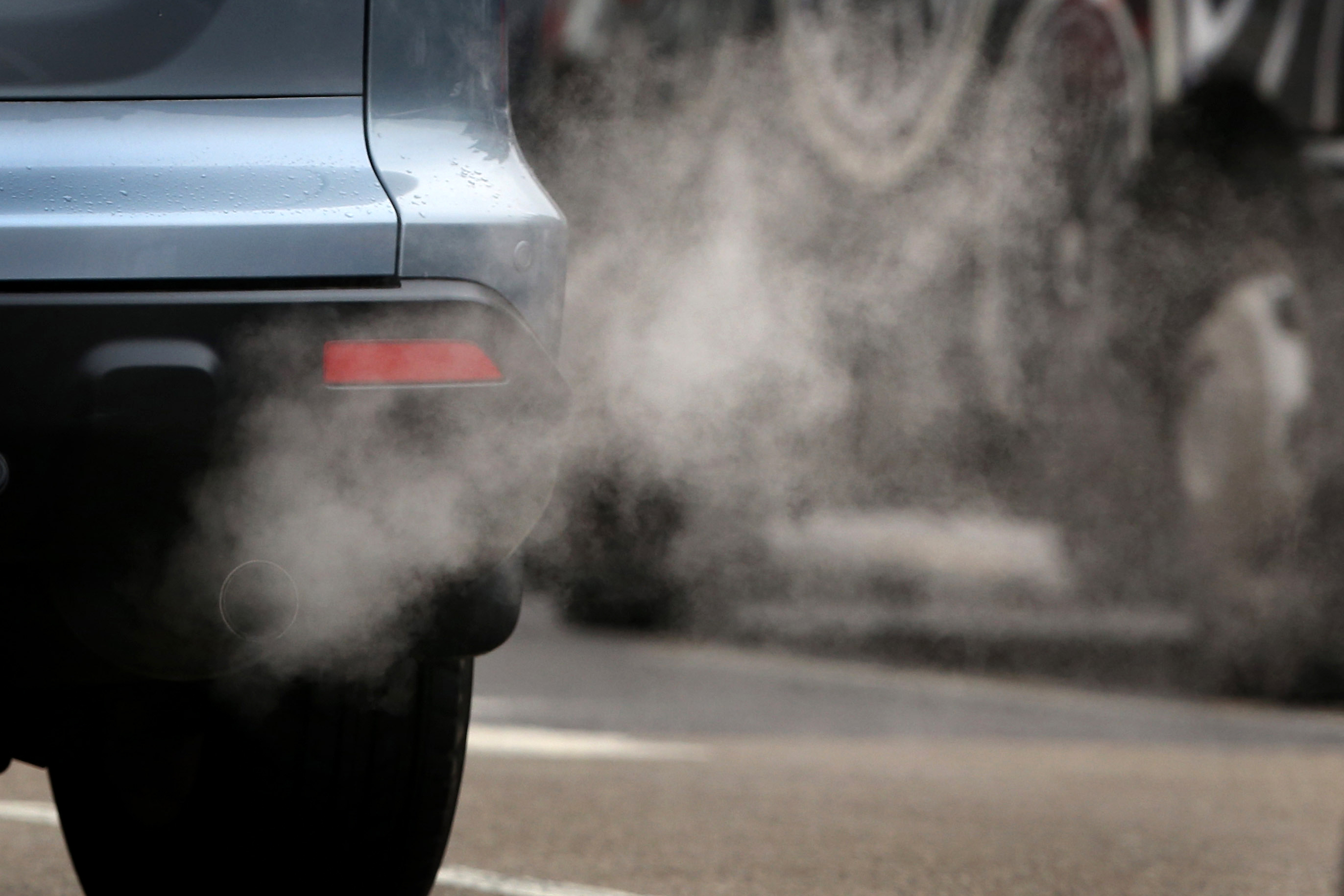
Plastic bottles and smokestacks are easy to blame for climate change.
Carbon credits are more complicated.
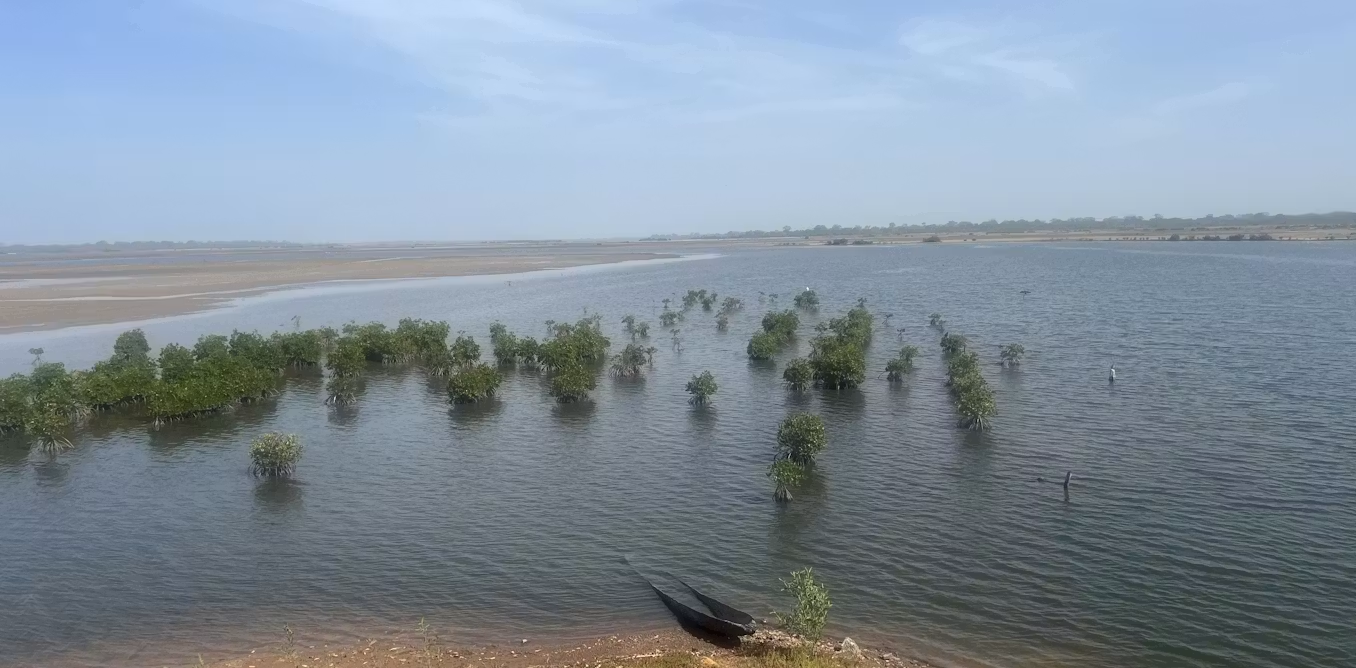
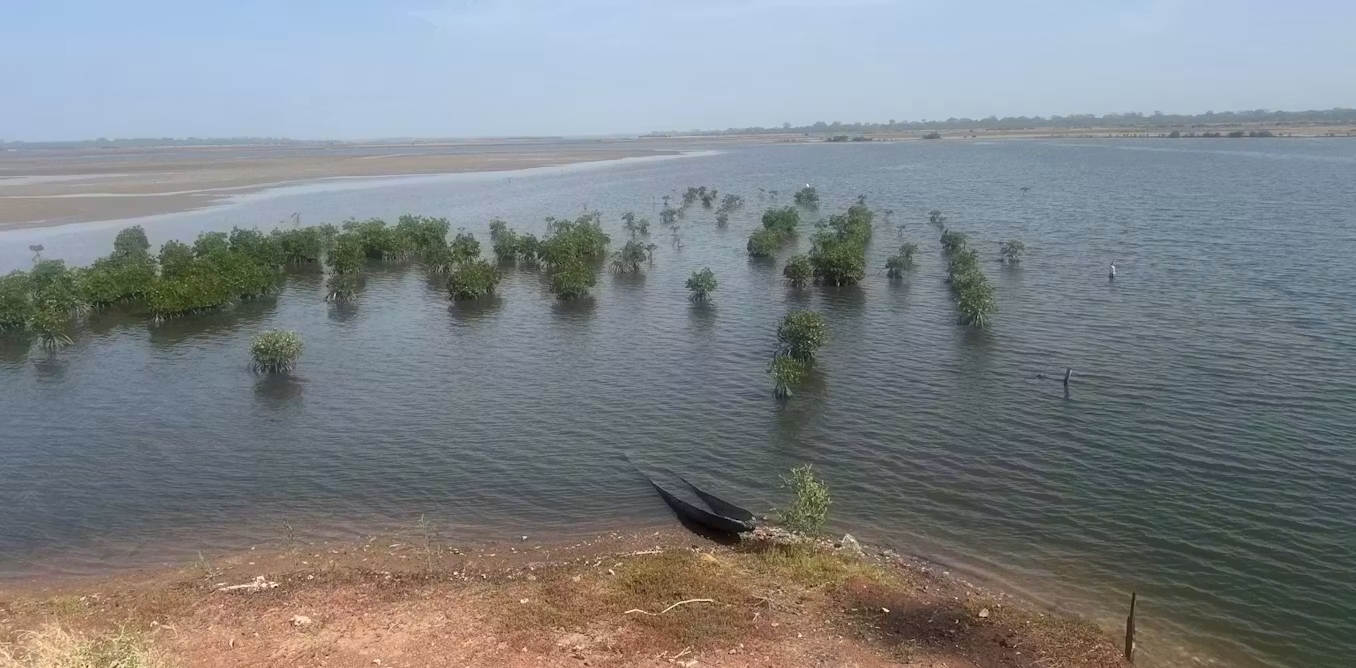
They exist largely out of sight, traded between companies, investors and certification bodies, all built on the promise that a measurable amount of carbon has been removed from the atmosphere.But what happens when that carbon exists mostly on paper?That question now hangs over one of the world's largest mangrove restoration schemes in Senegal.
Launched with enormous ambition and hailed as a model for blue-carbon finance, the project mobilised more than 100,000 villagers, planted millions of mangrove propagules and generated carbon credits that were sold to companies seeking to offset their emissions.Yet a recent scientific investigation suggests that a substantial share of those credits may have been based on carbon that was never actually stored.Researchers have described the discrepancy as "ghost carbon", carbon removals claimed by the market but unsupported by ecological reality.
The findings have reignited debate about the credibility of voluntary carbon markets and the scientific rigour underpinning nature-based climate solutions.What was the Senegal mangrove restoration project?The restoration programme began in 2008 and expanded rapidly across the estuaries of Casamance and Sine-Saloum.