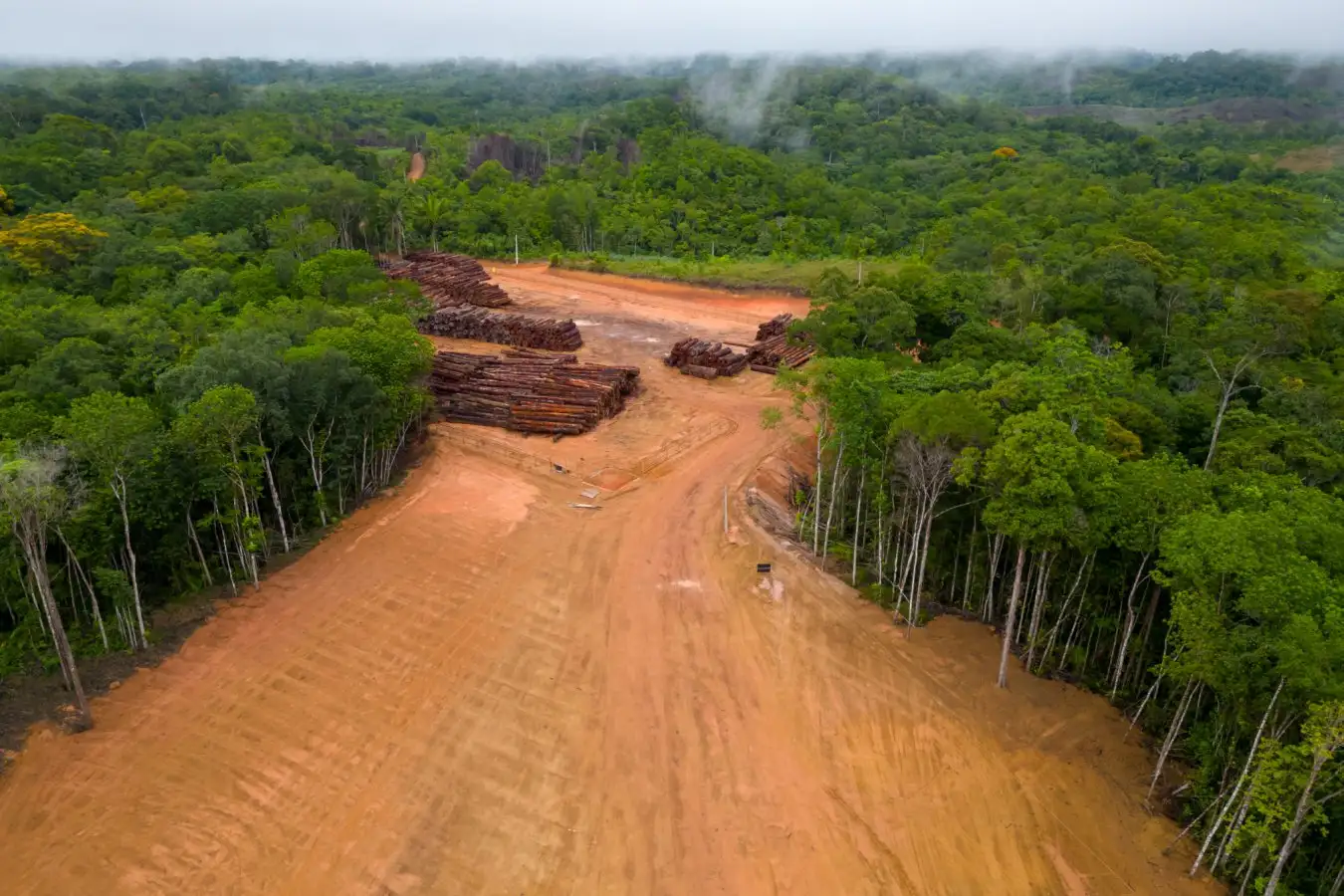
For much of the past decade, carbon credits have suffered from a credibility problem. Critics called them greenwashing, environmental groups questioned their effectiveness, and a series of poorly designed projects damaged confidence in the entire market. As a result, carbon credits found themselves in an uncomfortable position: too important to abandon, yet too controversial to fully embrace.That is why a seemingly technical announcement from Hess Corporation deserves far more attention than it has received.The U.S. energy company has now retired 12.5 million carbon credits purchased from Guyana in a transaction worth approximately $250 million. At first glance, this may appear to be just another carbon market deal. In reality, it may represent one of the largest transfers of value from the fossil fuel economy to nature-based climate action ever recorded.More importantly, it highlights something often overlooked in climate discussions: decarbonization is not only about technology. It is also about directing capital toward climate solutions at a scale large enough to matter.From Announcement to ActionOne reason this transaction is significant is that the credits have actually been retired.That distinction may sound technical, but it matters enormously. Carbon markets are full of announcements about future purchases, partnerships, and commitments. Buying a carbon credit is relatively easy. Retiring it is what gives it climate value. Once retired, the credit is permanently removed from circulation and can no longer be traded or reused. The original Hess-Guyana deal was announced several years ago. What is news today is that the credits have now been used for their intended purpose. The climate benefit has moved from promise to implementation.For a market often criticized for producing more headlines than outcomes, that is an important signal.The Reality of Polluter PaysCarbon credits remain controversial because many people fear they allow companies to buy their way out of reducing emissions. That concern is understandable. No amount of offsetting can replace the need to reduce fossil fuel consumption, electrify transport, deploy renewable energy, or decarbonize heavy industry.But framing the debate as a choice between emissions reductions and carbon credits misses the reality of the climate challenge.The world still consumes more than 100 million barrels of oil every day. Fossil fuels are not disappearing tomorrow, regardless of how quickly the energy transition accelerates. Until they do, one of the most reasonable demands society can make is that polluters contribute financially to climate action.That is precisely what happened here. A fossil fuel company generated revenue from hydrocarbon production and transferred approximately $250 million into a mechanism designed to reward forest conservation and carbon storage. Nobody should pretend this solves climate change. But neither should anyone dismiss the significance of moving a quarter of a billion dollars from carbon extraction toward carbon preservation.Why Guyana MattersThe transaction also highlights an increasingly important development in global climate finance.For decades, developing countries have argued that they are being asked to protect forests and biodiversity without receiving adequate compensation for doing so. In many cases, the economic incentives favored logging, mining, or agricultural expansion rather than conservation.Carbon markets attempt to change that equation by assigning financial value to keeping carbon locked away in natural ecosystems.Guyana's forests represent a massive carbon sink. By creating a mechanism through which those forests generate economic value without being destroyed, the deal offers a glimpse of how conservation could become a viable development pathway rather than an economic sacrifice.Of course, quality matters. Not all forest credits are equal, and concerns about verification, permanence, and additionality remain valid. But those debates should not obscure the broader trend. Carbon stored in ecosystems is increasingly becoming an economic asset rather than an ignored environmental benefit.Carbon Is Becoming Part of the EconomyPerhaps the most important lesson from the Hess transaction is that carbon itself is slowly being integrated into economic decision-making.For most of modern history, emitting carbon dioxide was effectively free. Companies could release greenhouse gases into the atmosphere without paying for the associated climate impacts. That situation is gradually changing through carbon taxes, emissions trading systems, carbon contracts for difference, carbon border adjustment mechanisms, and voluntary carbon markets.The process is messy and far from complete, but the direction of travel is clear. Carbon increasingly has a price. Avoiding emissions increasingly has value. Preserving natural carbon stocks increasingly creates economic opportunities.That shift may ultimately prove as important as any individual technology.The Financial Side of the Energy TransitionThe energy transition is often described as an engineering challenge requiring better batteries, more renewable energy, cleaner industrial processes, and carbon capture technologies. All of that is true.But it is equally a capital allocation challenge. The world needs trillions of dollars flowing away from high-carbon activities and toward low-carbon alternatives. Governments alone cannot provide that financing. Private capital must also be mobilized.Carbon markets, despite their imperfections, remain one of the few mechanisms specifically designed to channel private money into climate outcomes at a global scale.The retirement of 12.5 million carbon credits will not solve climate change. But it does demonstrate that meaningful sums of money can move from carbon-intensive industries toward climate action when the right frameworks exist.And that may be the most important signal of all. The transition is accelerating not only because technologies are improving, but because financial systems are slowly learning how to value carbon differently. When markets begin rewarding conservation and assigning costs to emissions, climate action stops being solely an environmental objective.It becomes an economic one.And that is usually when real change begins.More Top Reads From Oilprice.comTrump Targets California Again In SpaceX FeudColombia's Oil and Gas Reserves Keep ShrinkingLargest Data Center Project Ever Proposed Is Officially Dead
Carbon Markets Just Had Their Most Important Moment in Years | OilPrice.com
Hess has retired 12.5 million carbon credits purchased from Guyana in a roughly $250 million deal, marking one of the largest-ever transfers of fossil fuel revenues into nature-based climate action.
921 words~4 min read