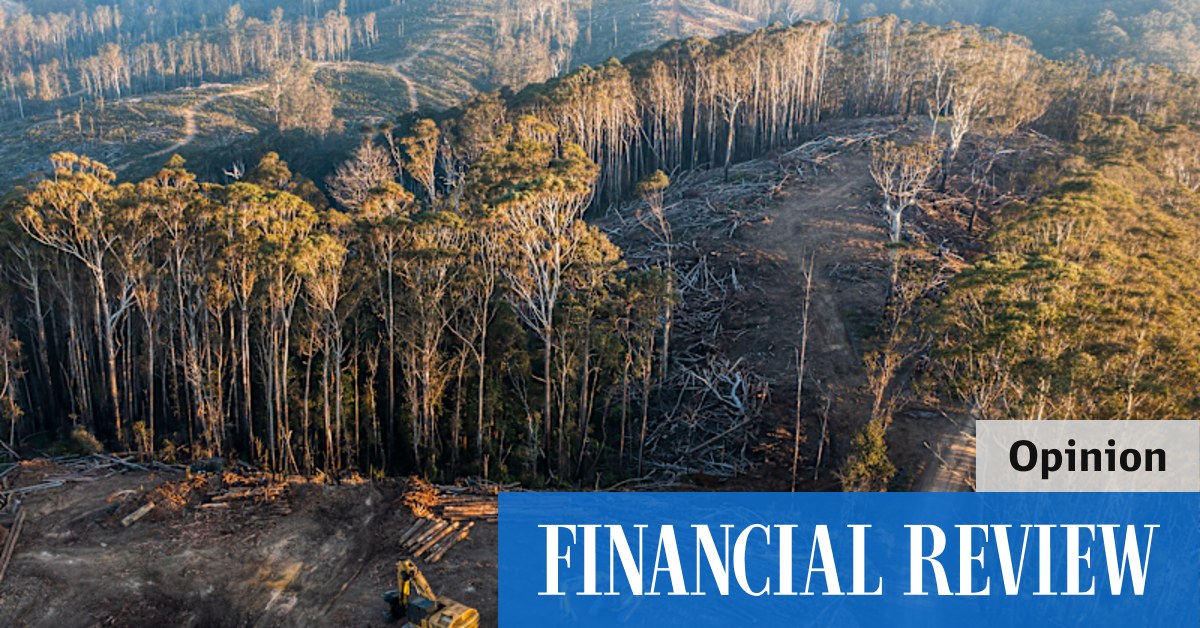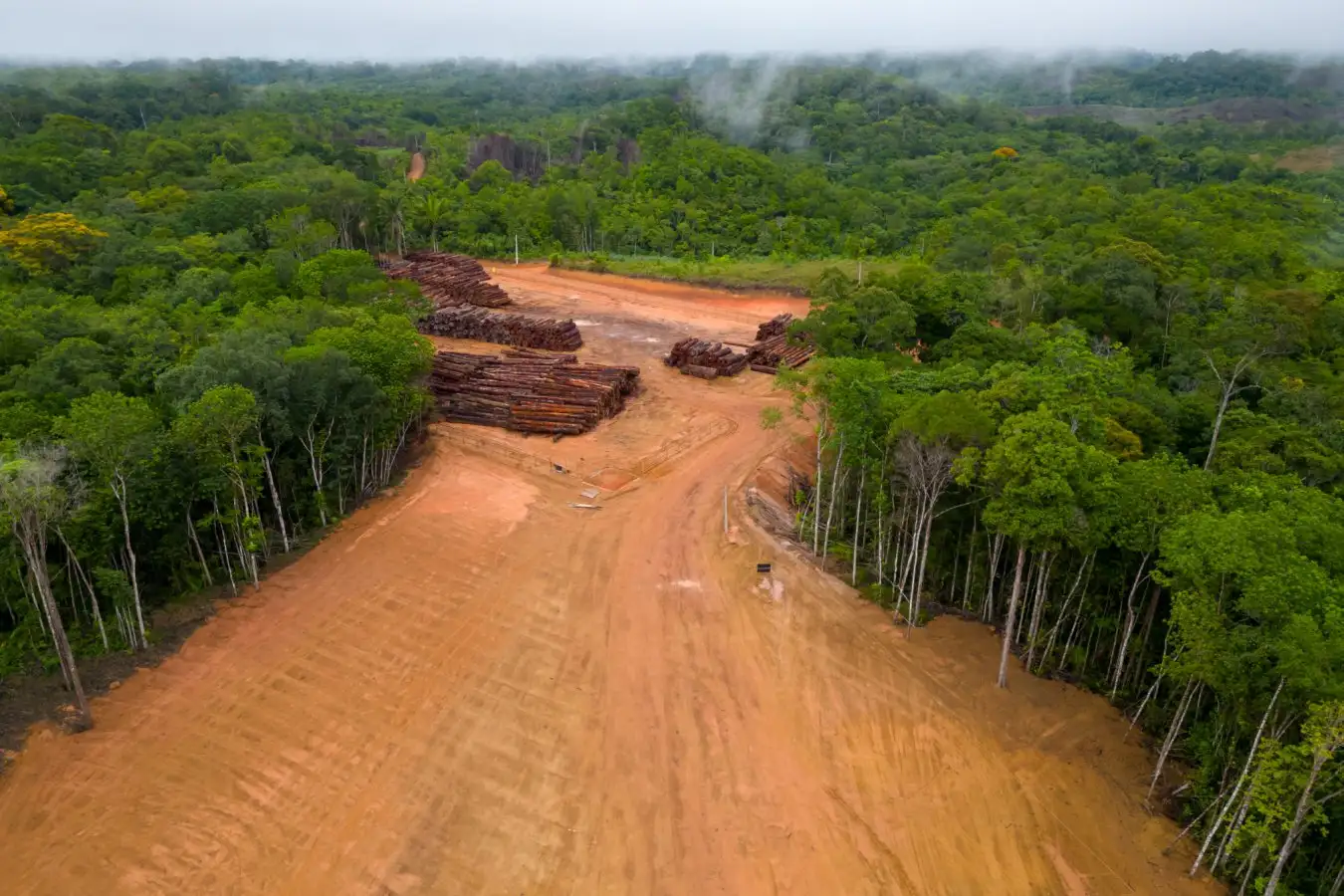
A logging yard in the Amazon rainforestTarcisio Schnaider/Getty Images
In 1986, an energy CEO heard a briefing about climate change and felt guilty that his company was building a coal-fired power plant in Connecticut. The company eventually paid to plant trees for timber in Guatemala so farmers would stop cutting down intact forest, in theory compensating for the coal plant’s carbon emissions.
The idea would develop into markets that allow companies to offset their emissions by buying “voluntary” carbon credits that help avoid deforestation, among other measures. Advocates say land users should be paid to leave a forest standing. Critics say maybe the land users weren’t going to cut down the forest anyway.
So who’s right? Both, according to a growing body of research. Last month, one of the most rigorous studies yet found that most early projects did successfully reduce deforestation. But they sold credits for almost 11 times more forest on average than they actually saved.
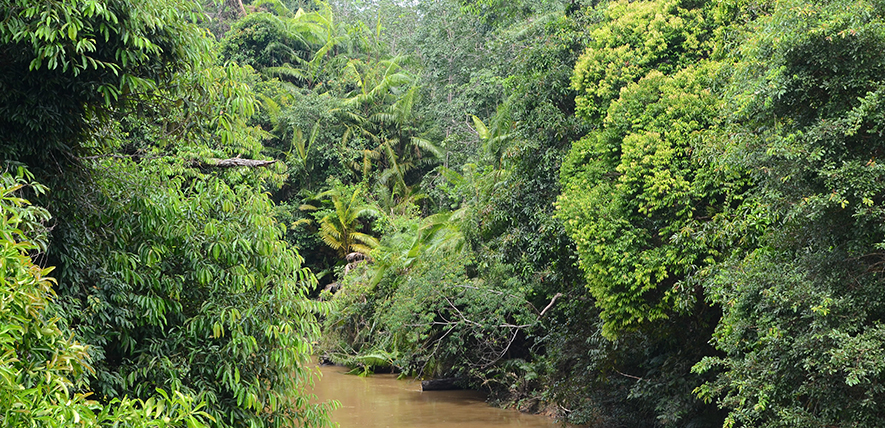
Historically, forests have absorbed about half of humanity’s fossil fuel emissions, and tropical forests are particularly important, holding back global warming by about 1°C. But they are mainly in lower-income countries that are rapidly clearing trees to expand agriculture like cattle ranching and palm oil plantations.