Record-high global temperatures aren’t driven only by well-known greenhouse gas culprits.
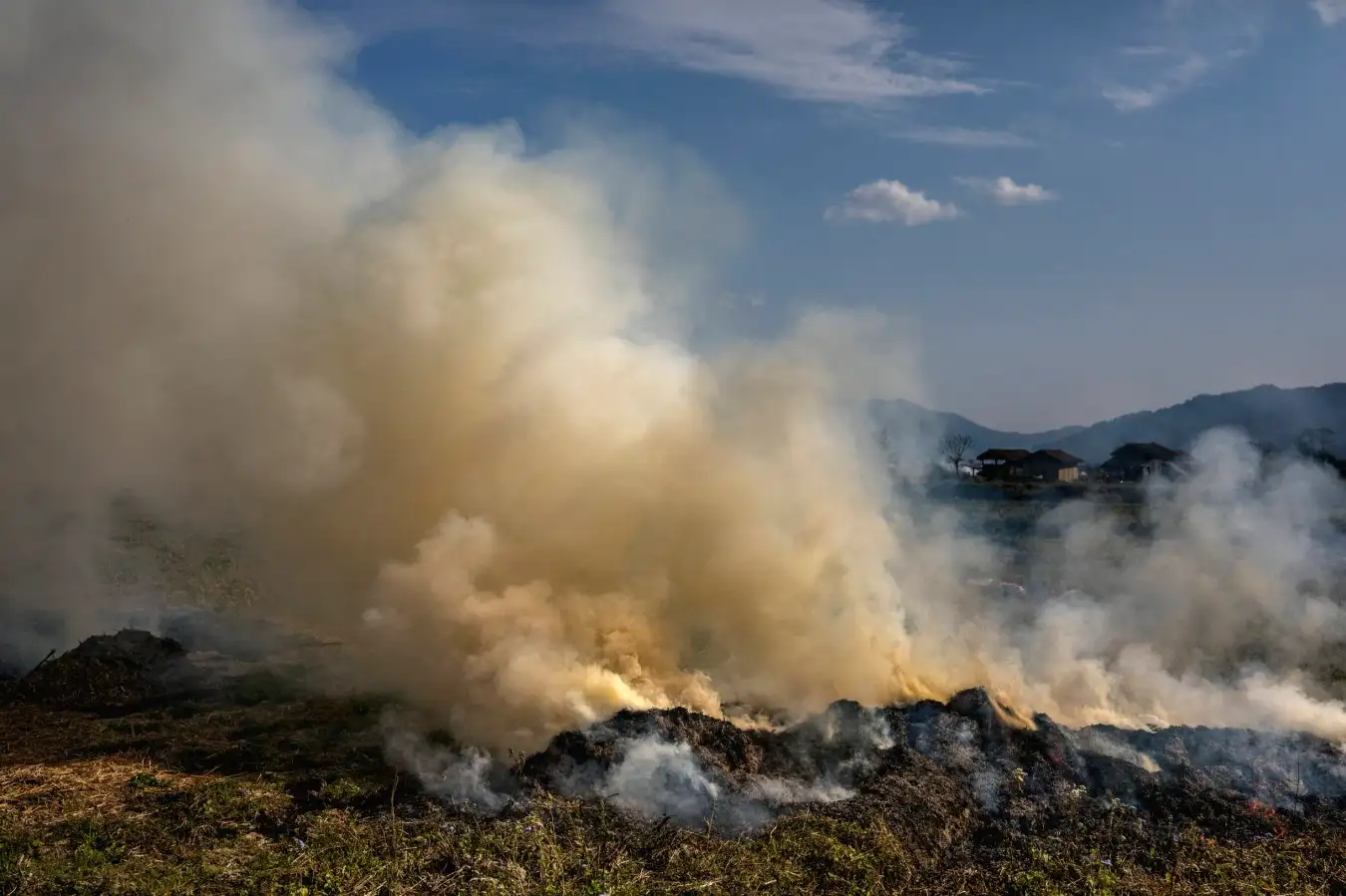
These other emissions, unlike carbon dioxide, don’t have a direct warming effect on their own. Instead, they trigger reactions in the atmosphere that create more greenhouse gases or make the gases stick around longer.
A new paper published Thursday in the journal Science suggests that 15 percent of human-driven global warming has come from these indirect interactions. None of these pollutants appear on the international climate treaty list that forms the basis for nations’ pledges to cut back—and the authors say it’s time for that to change.
“We’re emitting things into the atmosphere that don’t directly warm the planet, but they increase the amount of the greenhouse gases that do directly warm the planet,” said the paper’s lead author, Ilissa Ocko, a former climate advisor for the U.S. Department of State. She’s now senior climate scientist at Spark Climate Solutions, a nonprofit that aims to identify and mitigate sources of unmanaged climate risk.
Carbon monoxide and non-methane volatile organic compounds are the major players named in the paper, indirectly accounting for most of that 15 percent of warming. Black carbon, commonly known as soot, also contributes.