Global warming is driving emissions, which are driving global warming, which is driving ...
In the spring of 2021, climate scientists were stumped.
The global economy was just emerging from the covid-19 lockdowns, but for some reason the levels of methane—a greenhouse gas emitted mainly through agriculture and fossil-fuel production—had soared in the atmosphere the previous year, rising at the fastest rate on record.
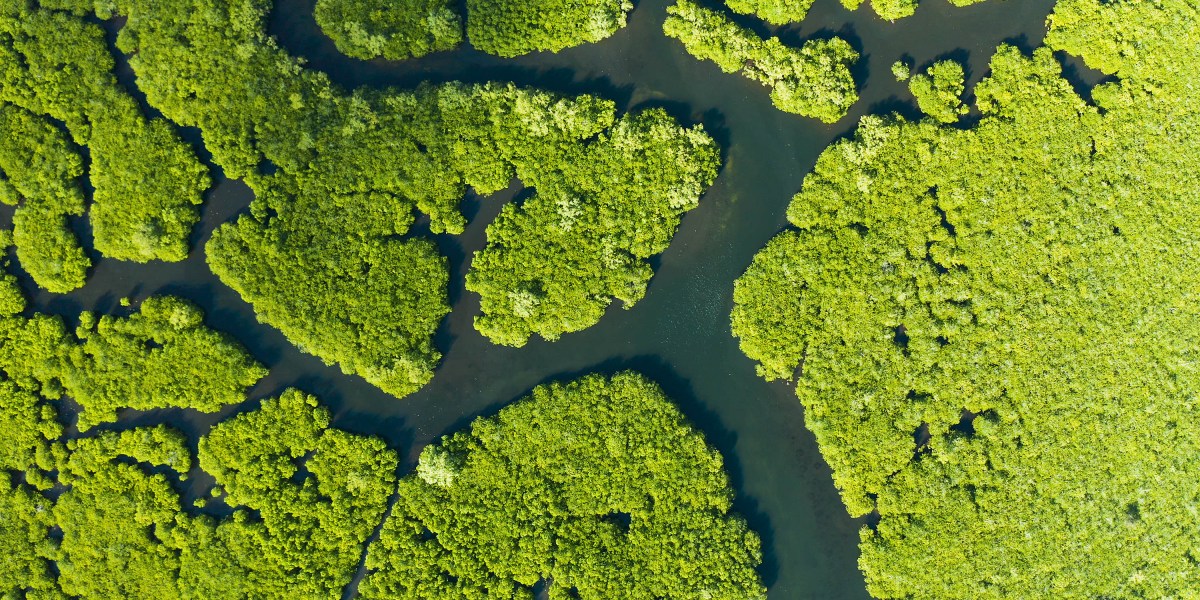
Researchers around the world set to work unraveling the mystery, reviewing readings from satellites, aircraft, and greenhouse-gas monitoring stations. They eventually spotted a clear pattern: Methane emissions had increased sharply across the tropics, where wetlands were growing wetter and warmer.
That created the ideal conditions for microbes that thrive in anaerobic muck, which gobbled up more of the carbon-rich organic matter and spat out more methane as a by-product. (Reduced pollution from nitrogen oxides, which help to break down methane in the atmosphere, also likely played a substantial role.)