A recent paper modeled how restoring mangroves in front of water-controlling infrastructure like dikes might create a hybrid coastal defense system in the face of global sea level rise.The model found that this combination, put in place today, could reduce the annual damage from storms and flooding by $800 million, and that 140,000 fewer people would be impacted by these events every year.They also found that these numbers would increase over time with the impacts of climate change.The researchers also evaluated where these projects would be most cost-effective, finding that the benefits disproportionately help lower-income areas, particularly in Southeast Asia, South Asia and West Africa.
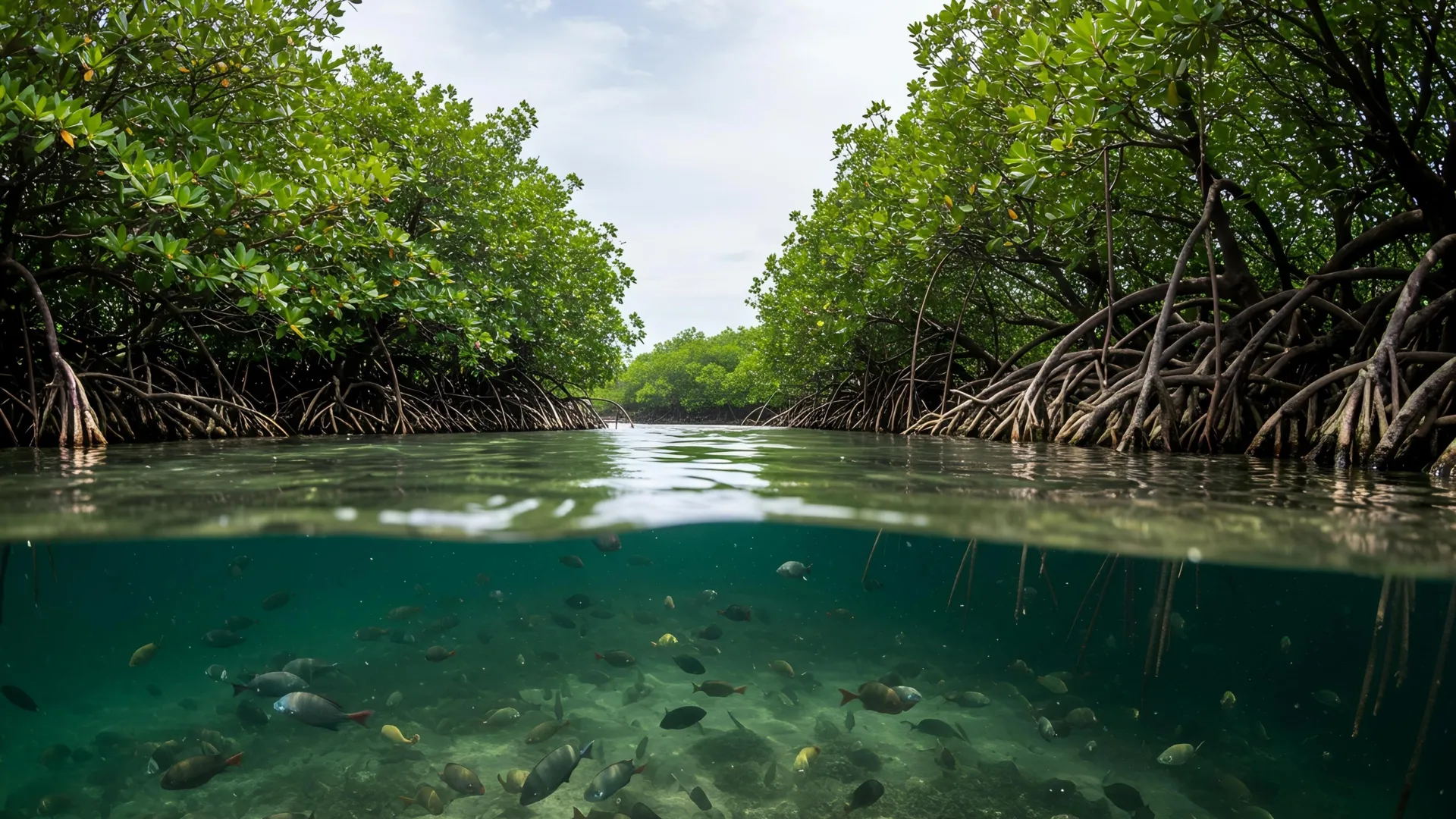
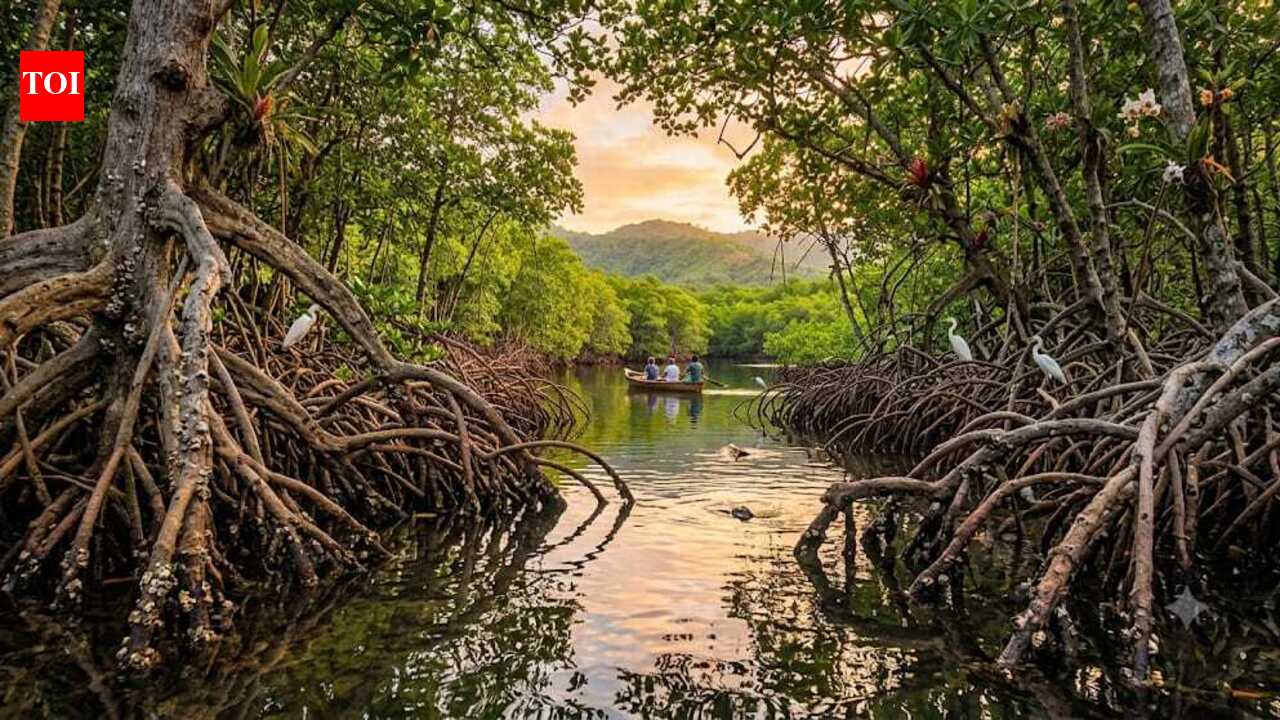
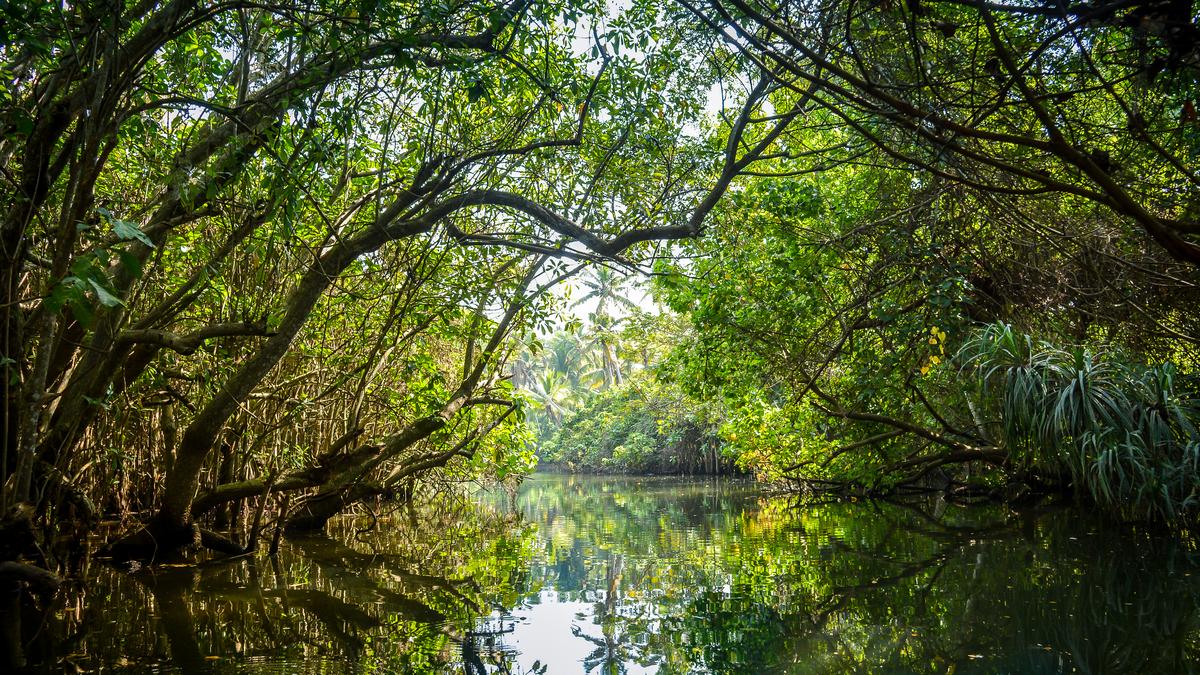
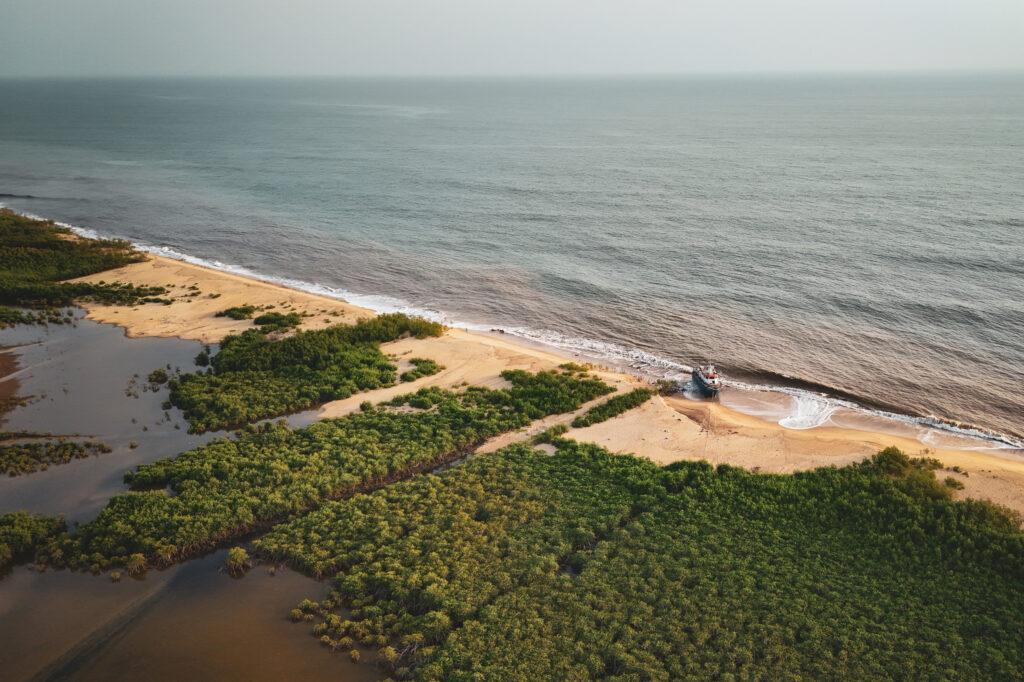
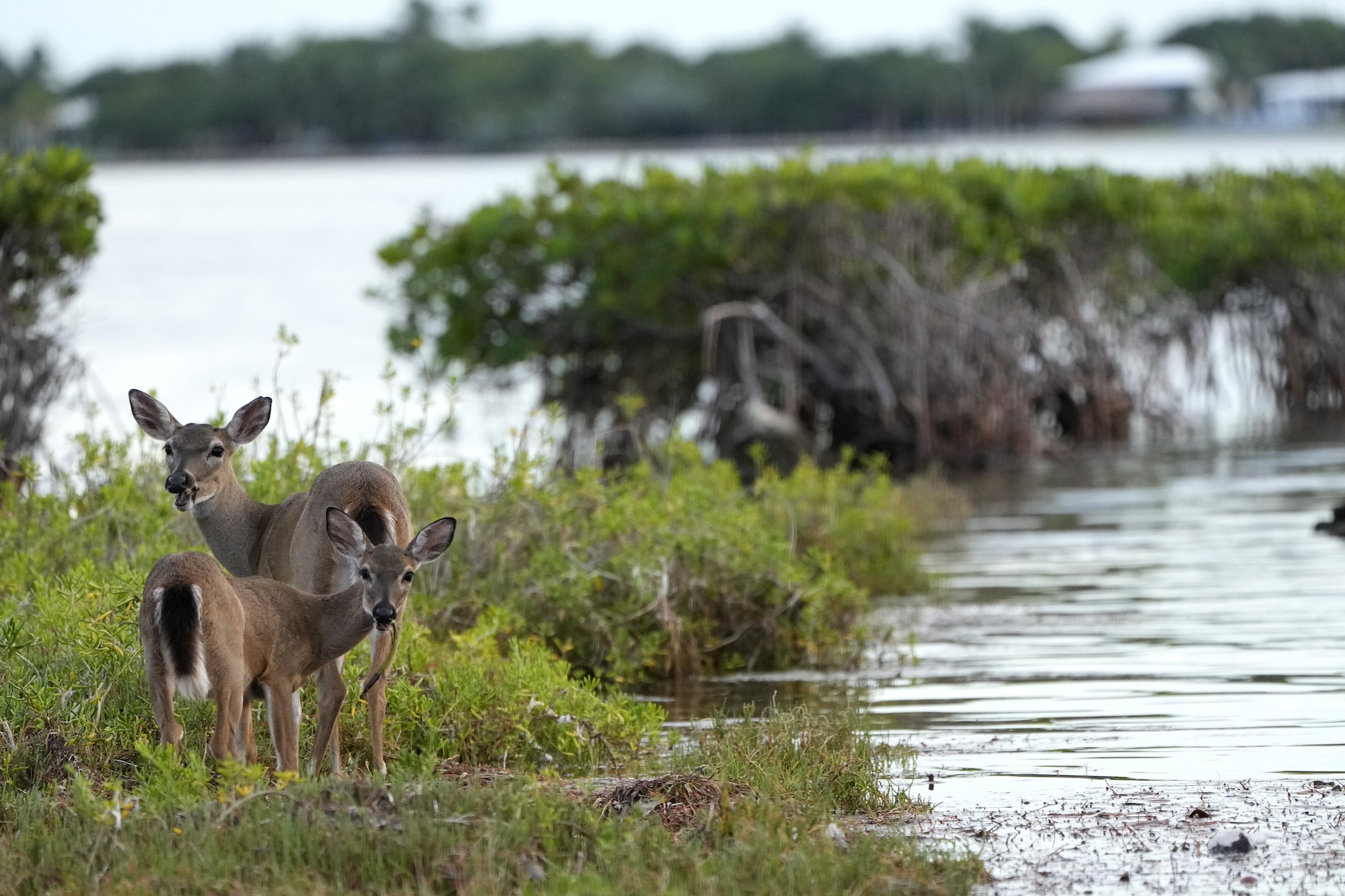
With their dense mats of submerged roots, mangrove forests hold down shorelines worldwide like a coastal Swiss Army knife. They’re a nursery for juvenile fish and a home for important species in and out of the water. They’re also a filtration system for pollution, a holdfast against erosion, and a speed bump that slows incoming waves. But even the best of tools could occasionally use backup. A new study in the Proceedings of the National Academy of Sciences examines how combining mangrove restoration with water-directing dikes might multiply these ecosystems’ protective abilities even further, particularly as climate change worsens storm surges and raises sea levels.