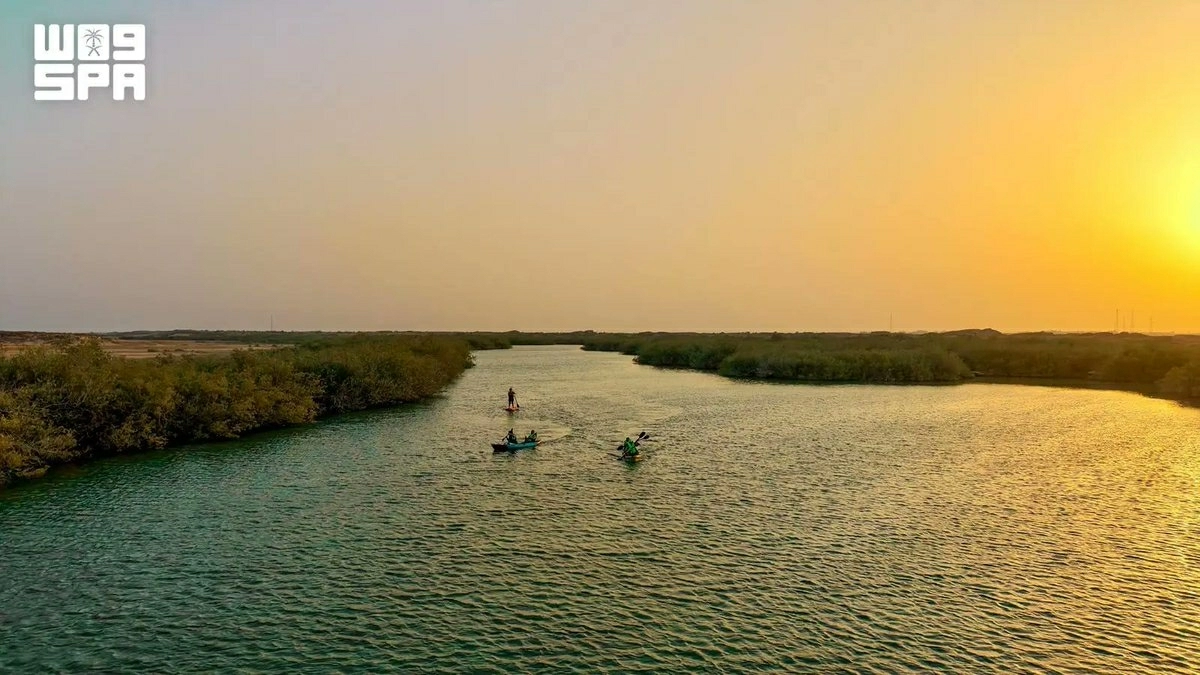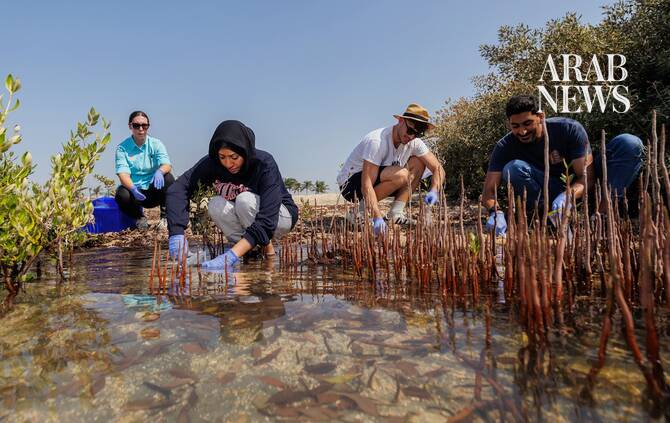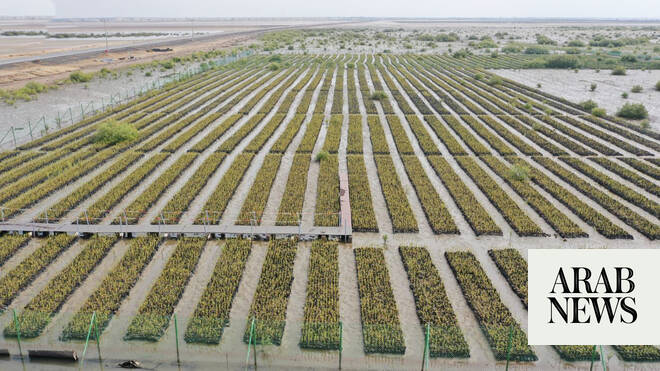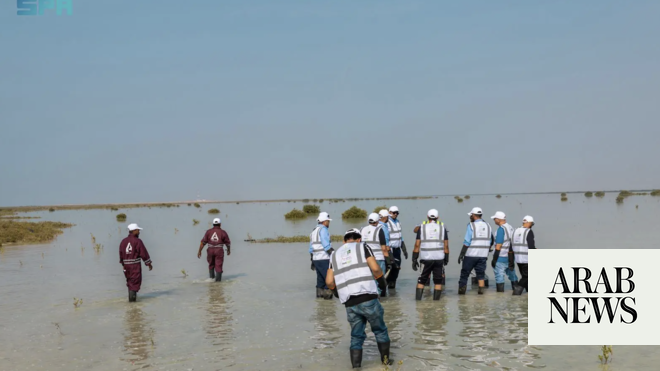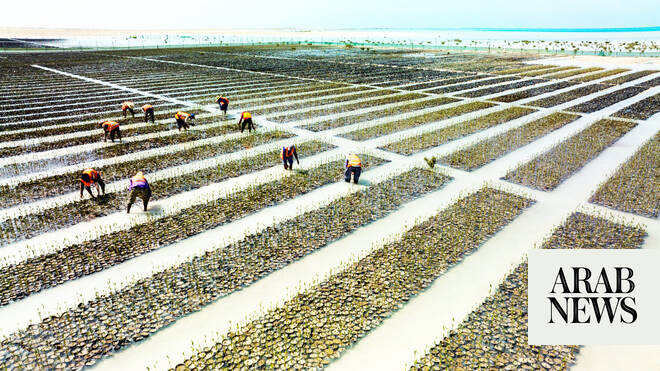
RIYADH: Saudi Arabia is scaling up efforts to protect and expand its mangrove forests — hailed as “nature’s super ecosystems” — as part of a push to restore coastal habitats, combat climate change, and diversify the Kingdom’s tourism economy.
As the world marks the UN-designated International Day for the Conservation of the Mangrove Ecosystem on July 26, new initiatives are building on earlier successes and harnessing cutting-edge technology, long-term planning, and private-sector collaboration.
“Mangrove forests are nature’s super ecosystems — capable of storing large amounts of carbon, preventing coastal erosion, supporting biodiversity, and mitigating floods,” said Raed Al-Basseet, group chief environment and sustainability officer at Red Sea Global.
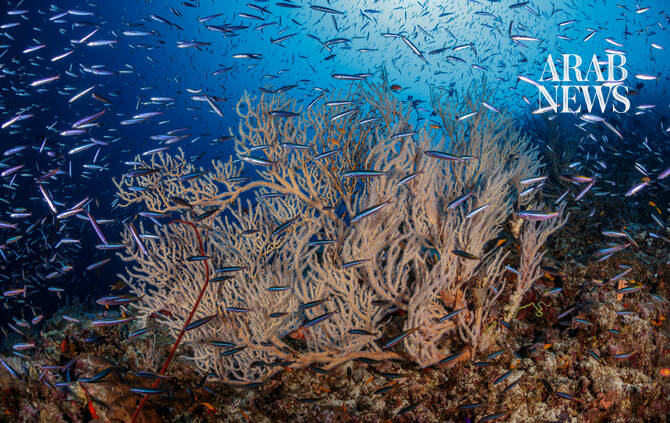
Mangroves are salt-tolerant trees that grow in the intertidal zones of the Red Sea and Arabian Gulf. They stabilize coastlines, trap pollutants, act as carbon sinks, and provide vital breeding grounds for marine life.
Their dense roots protect against erosion and storm surges, while their branches shelter nesting birds, and marine species, such as shrimp, lay their eggs among their roots. Their leaves also serve as food for many other organisms.