Story audio is generated using AI
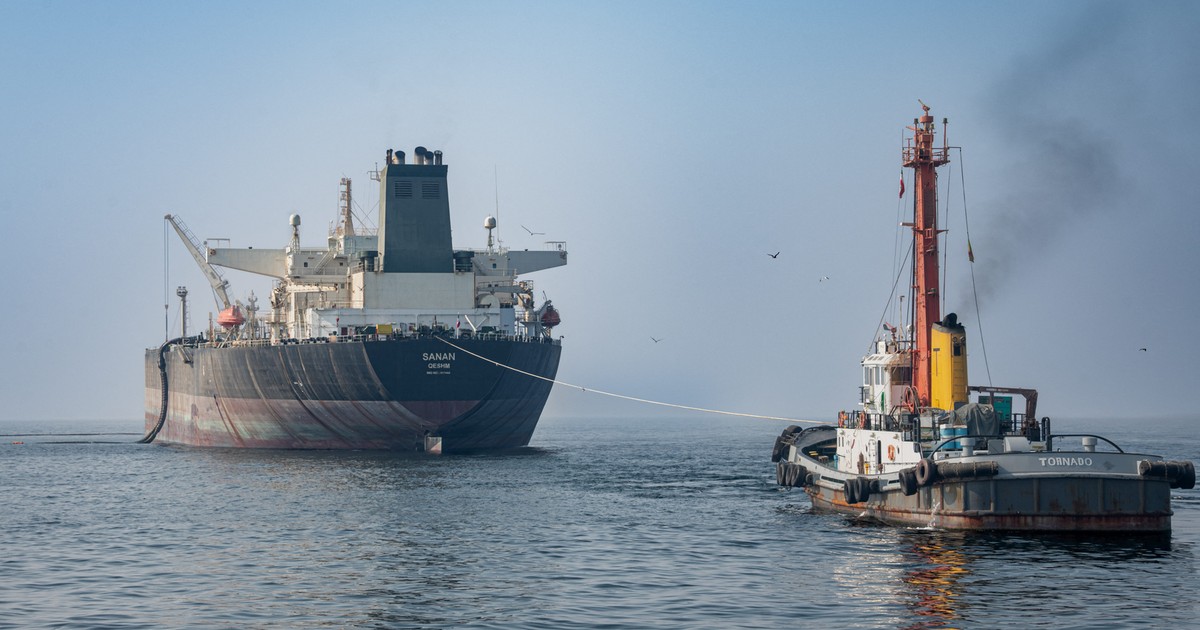
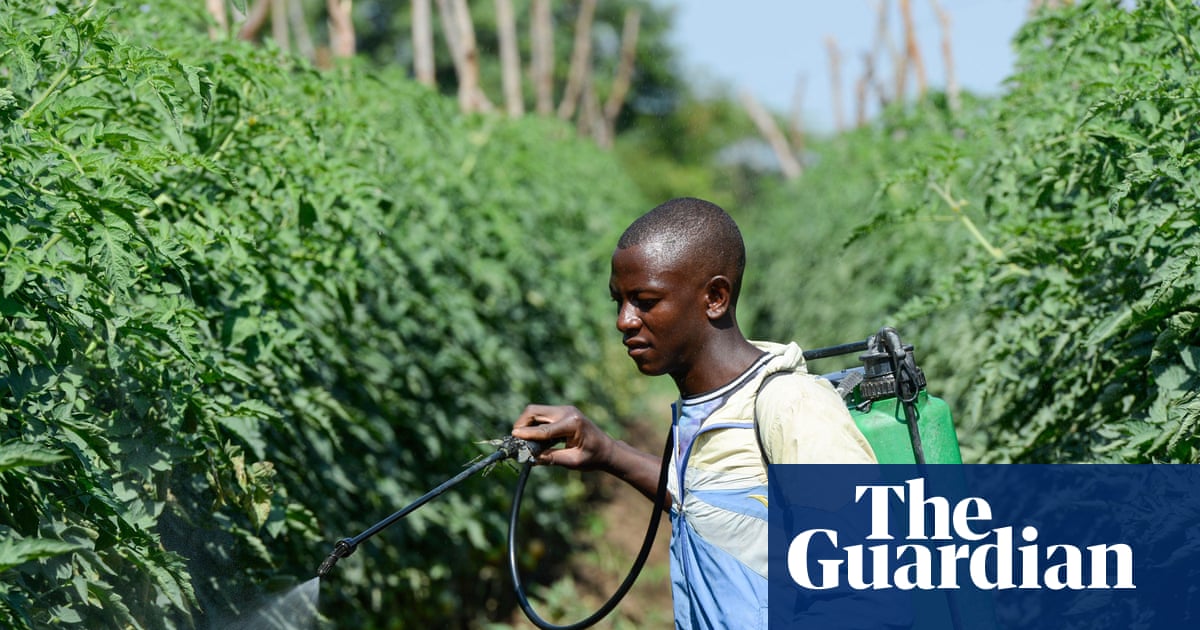
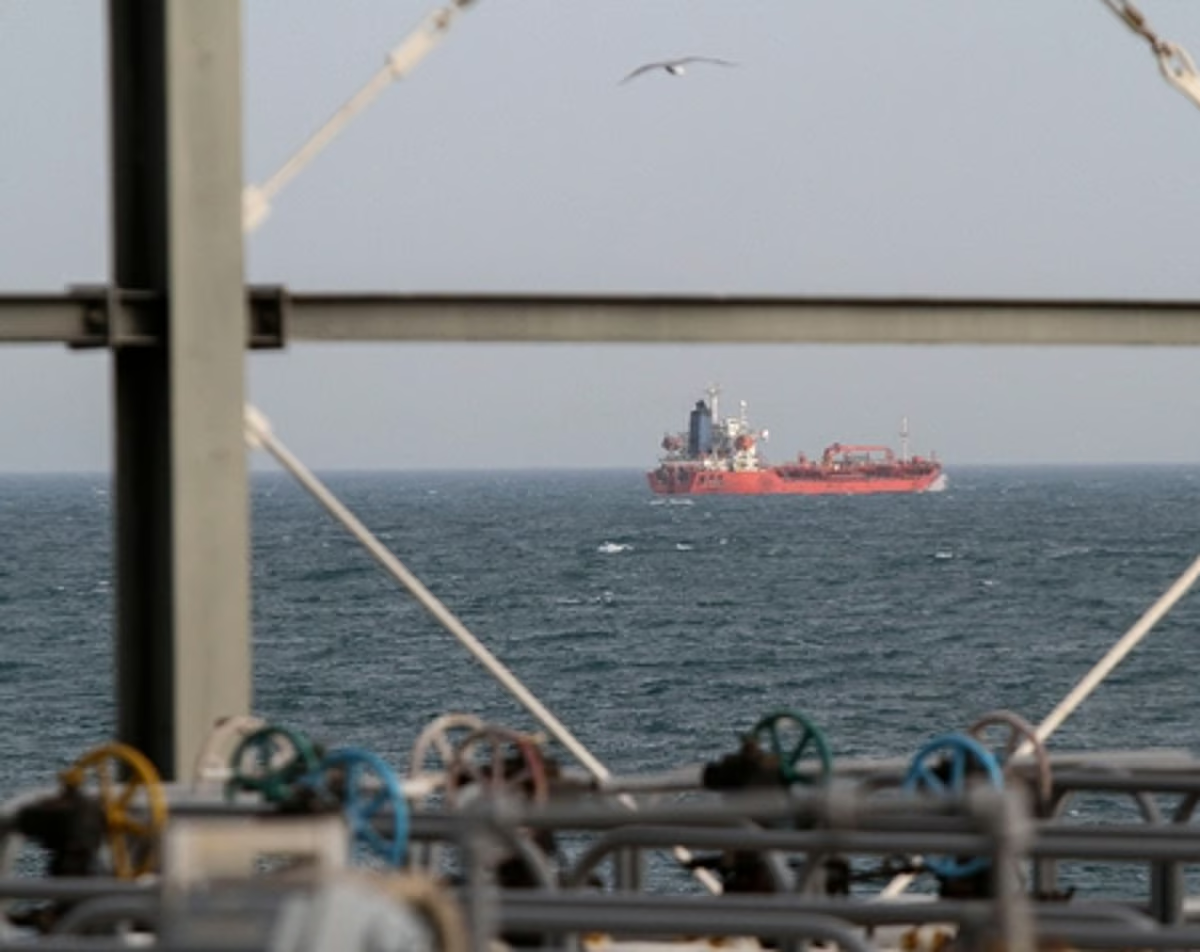
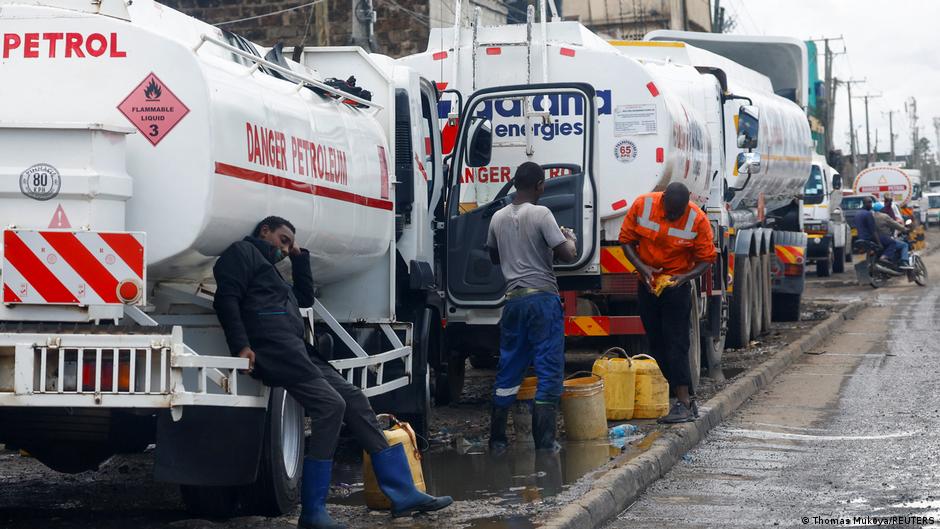
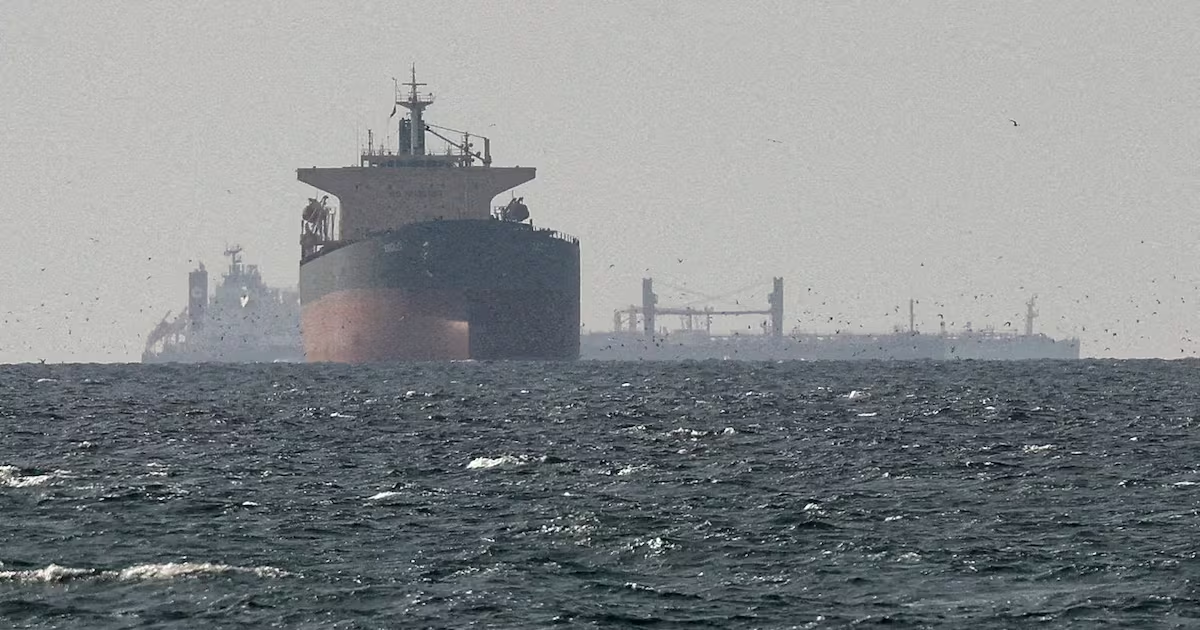
The war in the Gulf is being treated as an energy crisis. That is understandable. The Strait of Hormuz is one of the world’s most important commercial arteries, carrying a major share of seaborne oil, liquefied natural gas and fertiliser trade. Disruptions there do not stay local. They move through shipping insurance, food prices, currencies, government budgets and eventually household plates. For Africa, the danger is not only that fuel becomes more expensive. It is that the fertiliser system beneath modern agriculture begins to crack. Sub-Saharan Africa imports most of the fertiliser it uses, and several countries rely heavily on Gulf supply. When fertiliser becomes scarce or expensive, farmers plant less, yields fall and food inflation becomes political instability. Higher fuel and fertiliser costs are threatening Sudan’s harvests, a warning sign for a continent already exposed to drought, debt and currency pressure. End of cheap dependence This is the flaw globalisation hid for 30 years. African economies were told to specialise, integrate and import what they did not produce. The model looked efficient when shipping was cheap, geopolitics was quiet and the dollar system worked smoothly. It looks far less wise when a narrow waterway thousands of miles away can threaten food security across the continent. The bigger lesson is brutal. Dependency is not neutral. It is a political condition. If a country imports its fertiliser, fuel, machinery and capital, then its sovereignty is always partly rented from someone else. The same crisis that exposes Africa’s food vulnerability also increases the strategic value of its resources. Africa holds vast reserves of cobalt, copper, manganese, graphite and platinum group metals. These are the minerals needed for batteries, AI infrastructure, renewable energy systems and advanced military technologies. The continent is not peripheral to the next industrial order. It is central to it. Lobito CorridorThe US, China, Europe and Gulf powers all understand this. That is why infrastructure corridors, mining partnerships and “strategic asset” deals are multiplying. The Lobito Corridor, linking Angola, the Democratic Republic of Congo and Zambia, is not just a development project. It is a supply chain strategy. Washington wants routes that reduce dependence on Chinese-controlled networks. Beijing wants to protect the position it has built across African mining and refining. This is not the Berlin Conference of 1884. No-one is drawing colonial borders with a ruler. But the rhyme is uncomfortable. Once again, great powers need Africa’s raw materials during a period of industrial transition and geopolitical rivalry. Once again, the risk is that Africa exports the minerals and imports the finished wealth. The continent’s leverage is real, but only if used. Export bans on raw lithium, local processing requirements and critical minerals frameworks are early signs of a more assertive approach. They should not be treated as economic nationalism. They are overdue attempts to capture value at home. Self-interestThe strategic answer is not to choose Washington over Beijing, or Beijing over Washington. It is to negotiate with all sides from a position of disciplined self-interest. Africa needs fertiliser production, regional food reserves, mineral processing, better ports, stronger power systems and tougher deal-making. It needs leaders who understand that minerals are not just commodities but bargaining power. It needs food policy treated as national security. The latest Gulf war may have started elsewhere. But one of its clearest lessons is African. A continent that cannot feed itself, process its own resources or finance its own resilience will always be vulnerable to decisions made in foreign capitals. The next scramble for Africa is already under way. The question is whether Africa will be the prize or the player. • Muchena is founder of Proudly Associated and author of ‘Artificial Intelligence Applied’ and ‘Tokenized Trillions’.