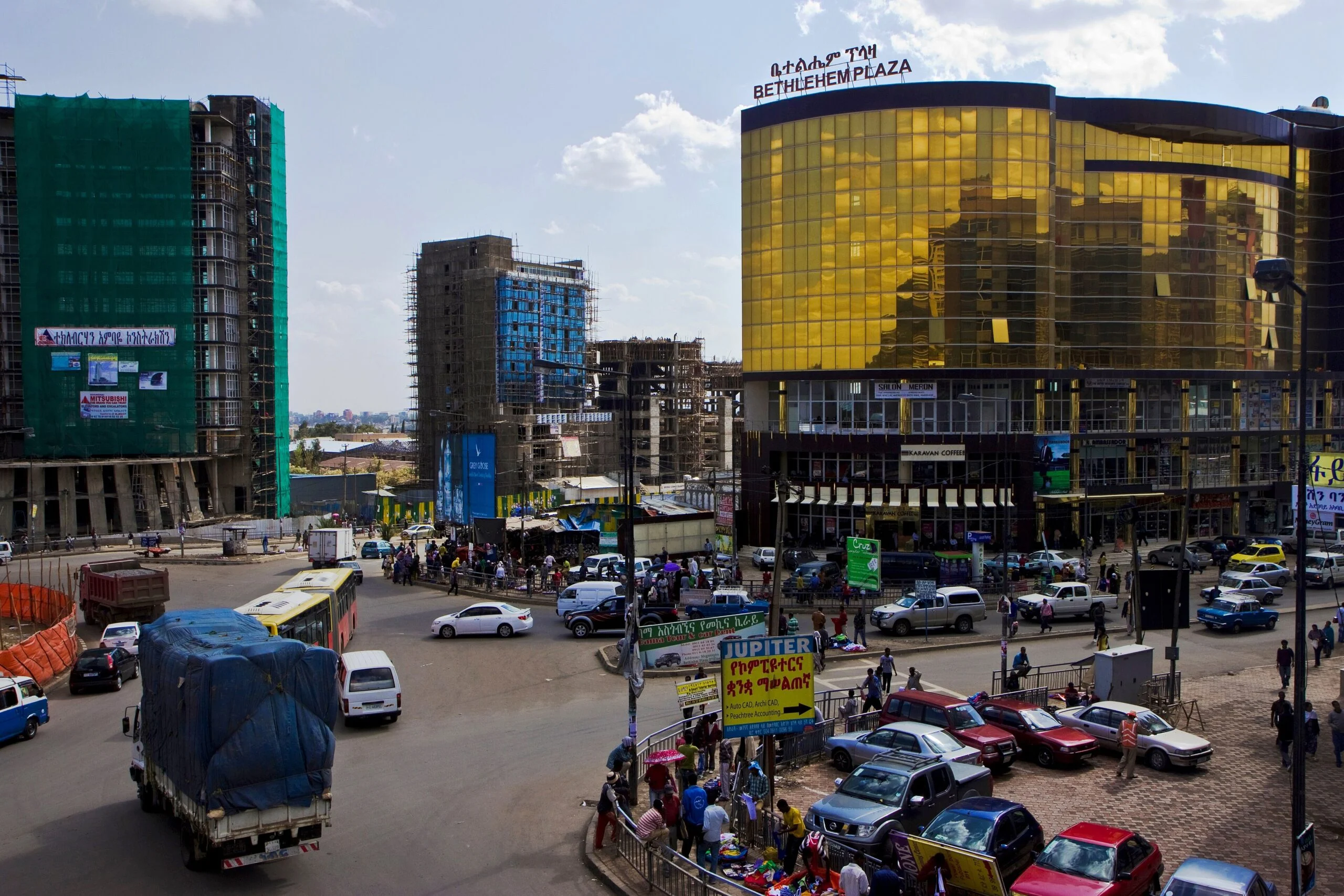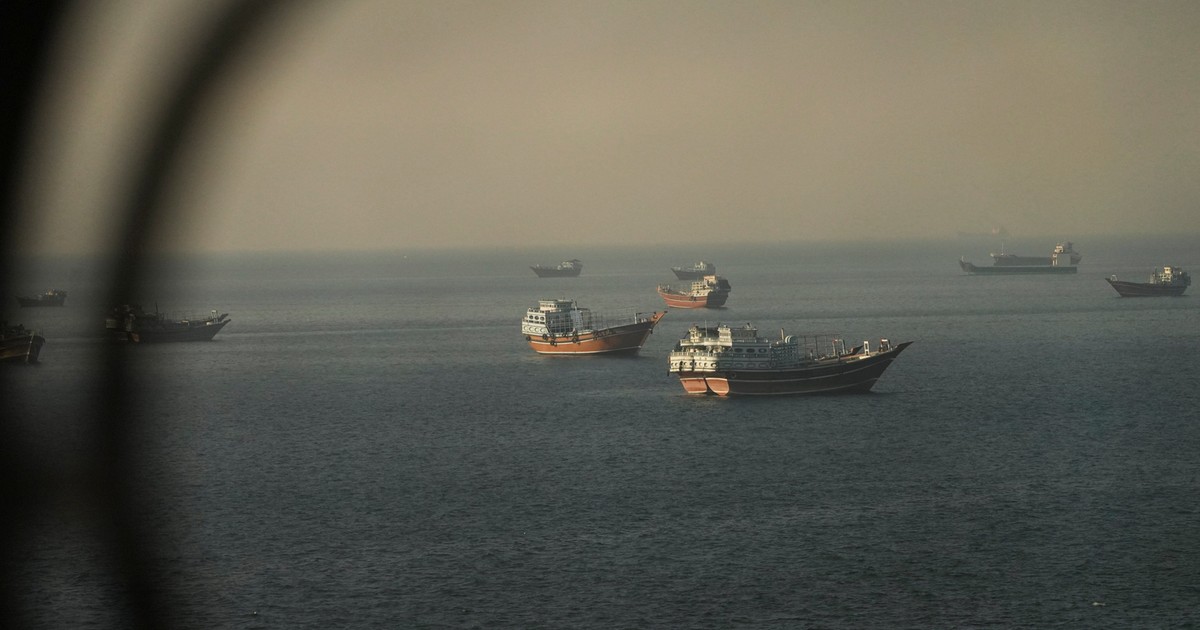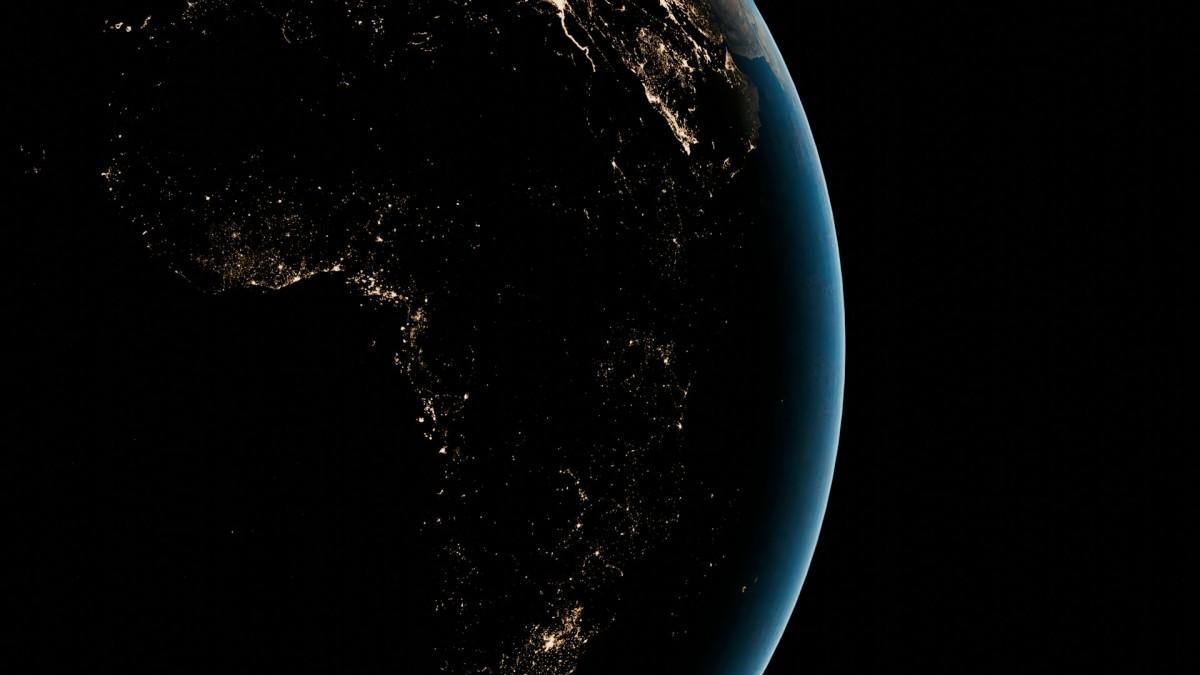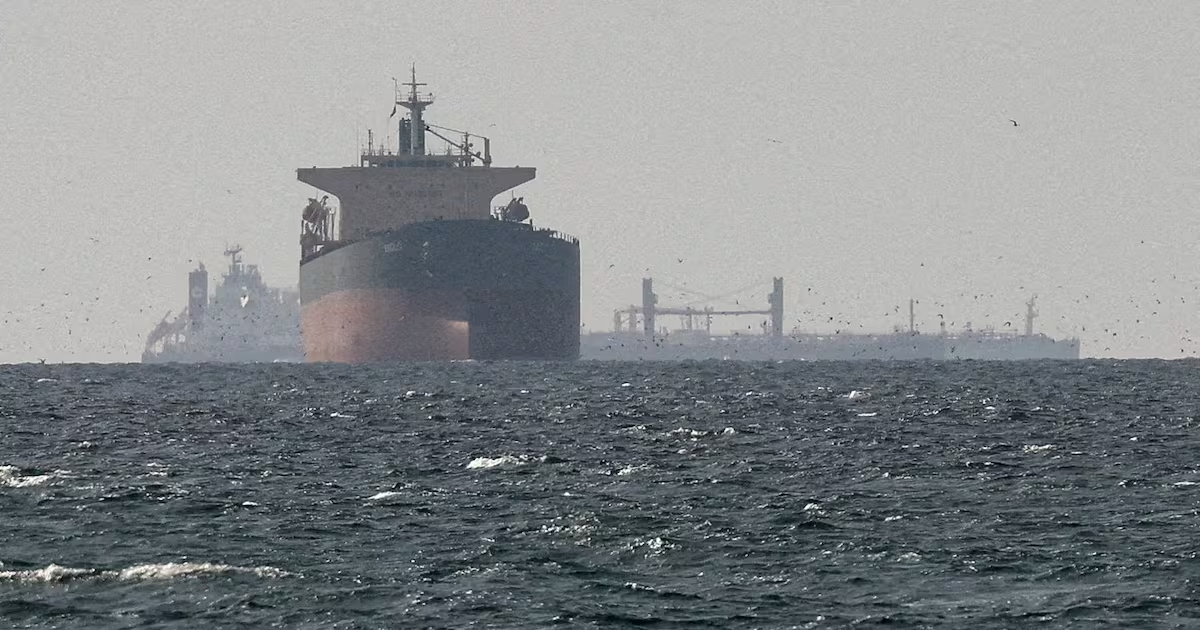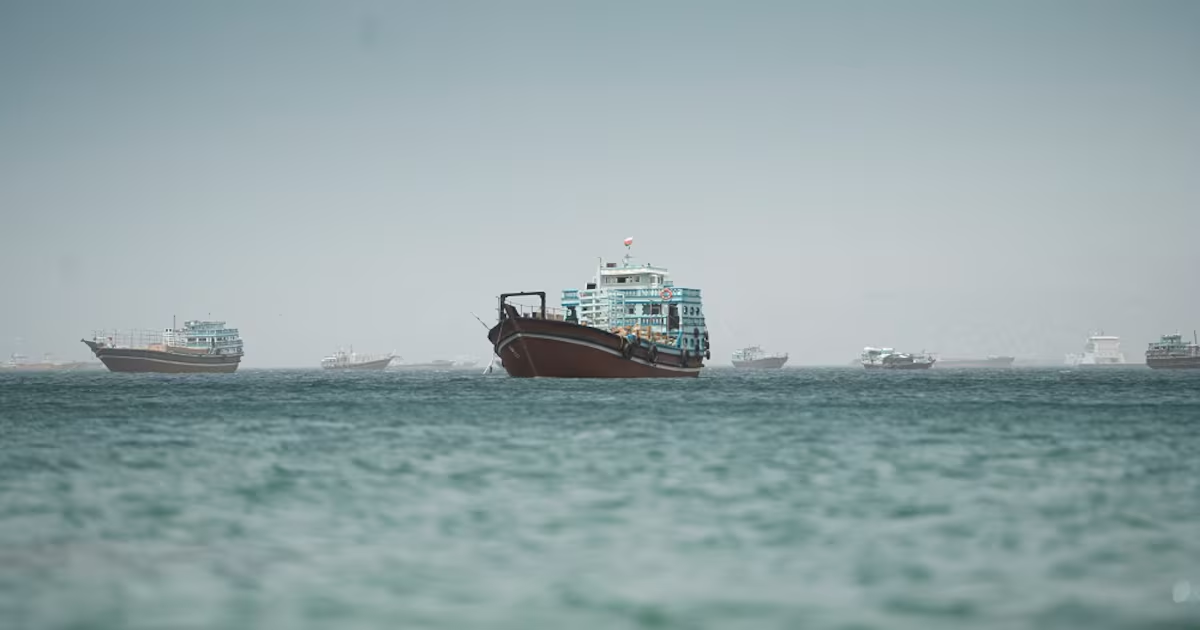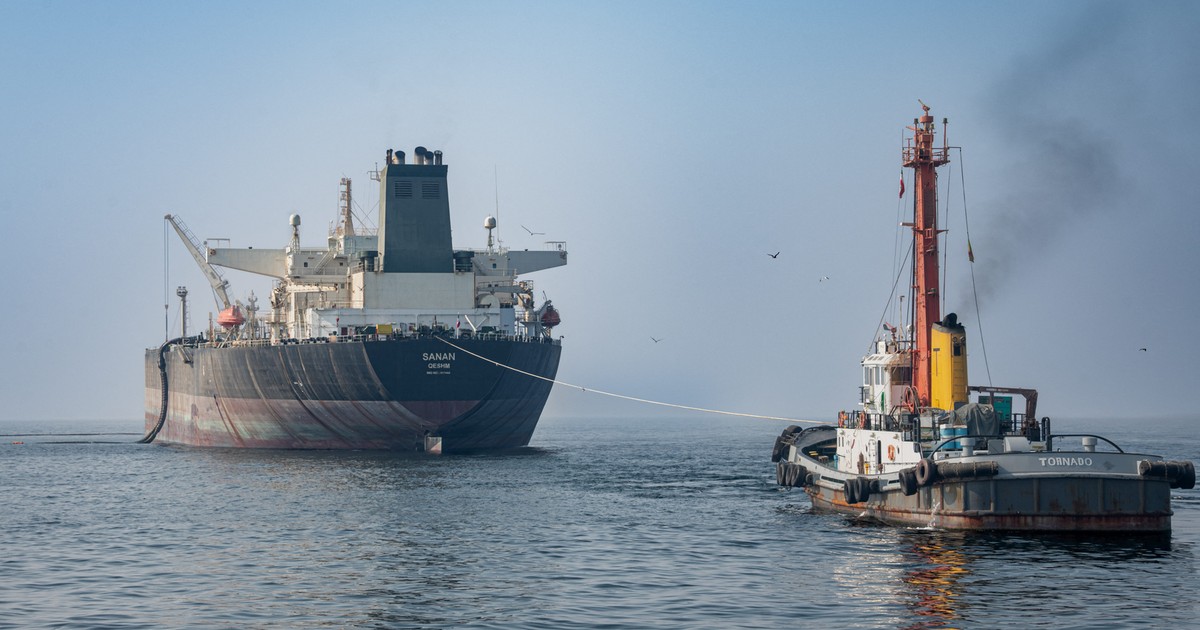
Even if tensions around the Strait of Hormuz ease, the crisis highlights a lasting shift: Africa is no longer a marginal player in global energy, but an increasingly central source of oil, gas and strategic trade routes Sarit Ben Shabat| Related TopicsWhile the world focused on the war with Iran, its impact on the oil market and an emerging agreement between Tehran and the United States, Africa experienced the crisis differently. Some of its countries were hurt by rising energy prices, while others benefited from new opportunities. The crisis underscored that the global energy map does not begin and end in the Persian Gulf.Threats to freedom of navigation in the Gulf and Houthi attacks in the Red Sea raised concerns about disruptions to global energy supplies. Fears over shipping routes through the Bab el-Mandeb Strait and the Suez Canal led many companies to choose the longer route around the Cape of Good Hope. A route long considered a secondary alternative thus became a more central artery of global trade, elevating the importance of Africa’s shipping lanes and ports.1 View gallery Threats to freedom of navigation in the Gulf and Houthi attacks in the Red Sea raised concerns about disruptions to global energy supplies (Photo: Stringer/Reuters)But the African story is not limited to maritime routes. Africa today produces about 8% of global output and holds roughly 13% of the world’s proven natural gas reserves. For an increasing number of energy consumers, it is seen as an important source for diversifying supply. The importance of North and West Africa is growing.Algeria, which produces more than 1 million barrels of oil per day, has solidified its position as one of Europe’s key suppliers of liquefied natural gas following Russia’s invasion of Ukraine. Libya continues to be a significant source of oil supply for European markets, while Nigeria and Angola have received renewed attention because their oil does not depend on passage through the Strait of Hormuz.Africa could become one of the future growth centers of the oil market. Angola’s decision to leave OPEC at the end of 2023 stemmed from disagreements over production quotas and a desire to increase national output. According to Reuters, Luanda aims to maintain production at about 1 million barrels per day and potentially expand it, a move that may reflect a broader trend among African countries seeking to maximize their energy potential.A quiet revolution is also taking place in refining. Nigeria’s Dangote Refinery, with a capacity of 650,000 barrels per day, symbolizes Africa’s ambition to move from exporting raw materials to processing and producing energy. According to Reuters, the facility reached more than 700,000 barrels per day during 2026 test runs, and its owner has set a goal of nearly doubling capacity in the future. At the same time, Angola is expanding its refining facilities.The crisis in the Gulf has also strengthened the position of African oil producers in the eyes of Asia, particularly China. China imported an average of 1.25 million barrels per day from Africa in the final quarter of 2025. In early 2026, imports fell to about 978,000 barrels per day in February and about 1.04 million in March, but fears of supply disruptions through Hormuz increased demand for West African oil and pushed up prices for African crude grades.Not all African countries benefited from the crisis. Kenya and Ethiopia, which depend on imported energy, were hit by rising fuel, transport and food prices. Both countries saw protests and unrest over the cost of living, illustrating how a geopolitical shock in the Middle East can affect internal stability in African states.Competition over trade and energy routes is also bringing East Africa back to the center of the stage. The United Arab Emirates and Saudi Arabia are investing billions of dollars in ports and infrastructure in the Horn of Africa and along the Red Sea. China views the region as a key link in its Belt and Road Initiative, India seeks to secure supply routes and new markets, and Turkey is expanding its political and security influence. The traditional boundary between the Middle East and Africa is increasingly blurred.Even if a deal between Washington and Tehran is signed and tensions around Hormuz subside, one key conclusion from the crisis is already clear: Africa is no longer a marginal player in the global energy market.The writer is the head of the Middle East track at the Lauder School of Government, Reichman University. She researches Saudi Arabia and oil and energy policy.Comments
Africa’s energy influence grows as Gulf instability reshapes global trade routes
Even if tensions around the Strait of Hormuz ease, the crisis highlights a lasting shift: Africa is no longer a marginal player in global energy, but an increasingly central source of oil, gas and strategic trade routes
744 words~3 min read