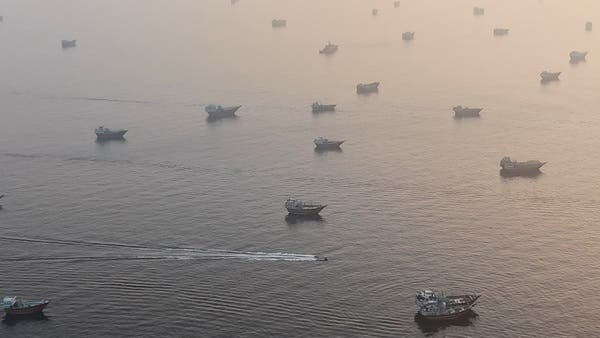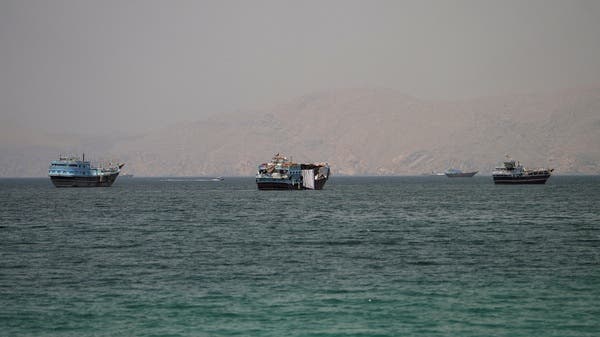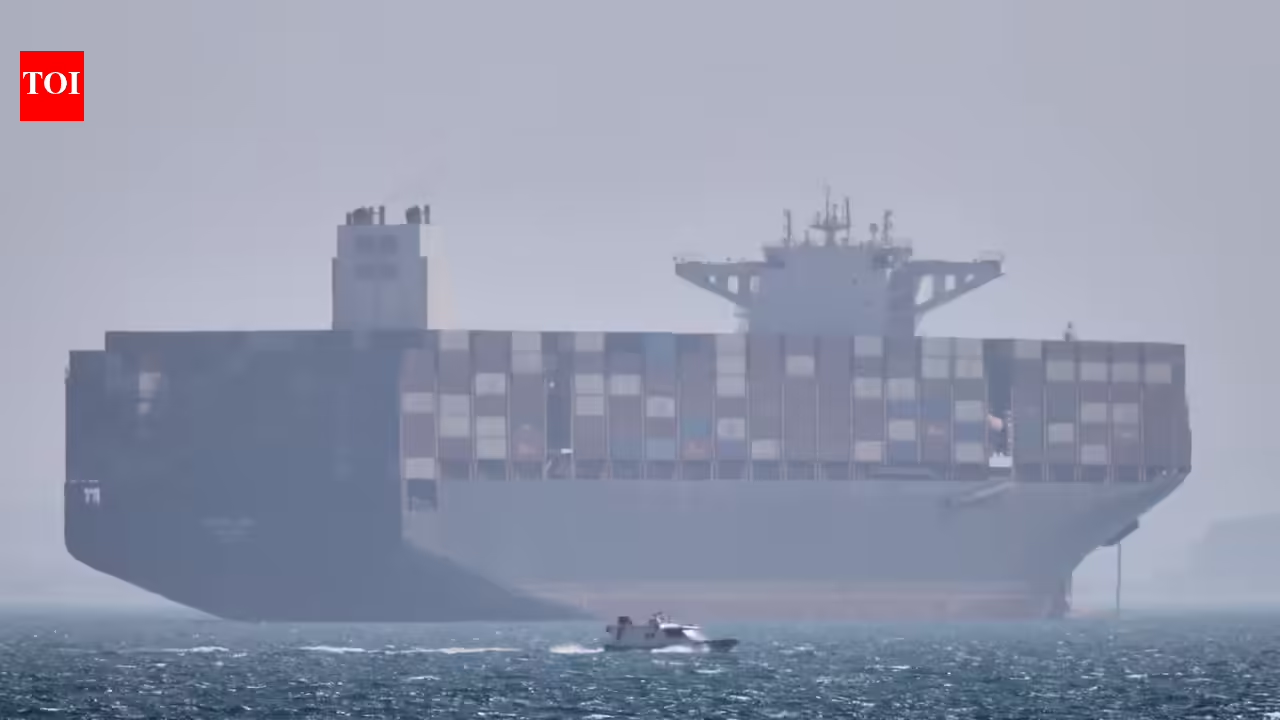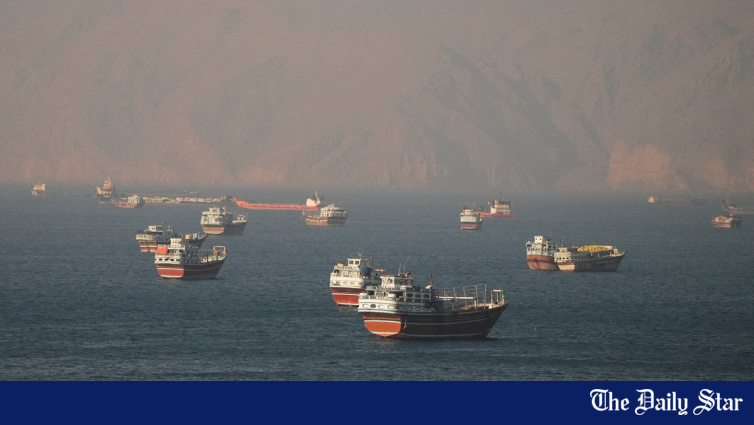
African economies heavily dependent on imported fuel could be set for some relief after shipping activity through the Strait of Hormuz surged to its highest level since conflict disrupted one of the world's most important energy corridors.
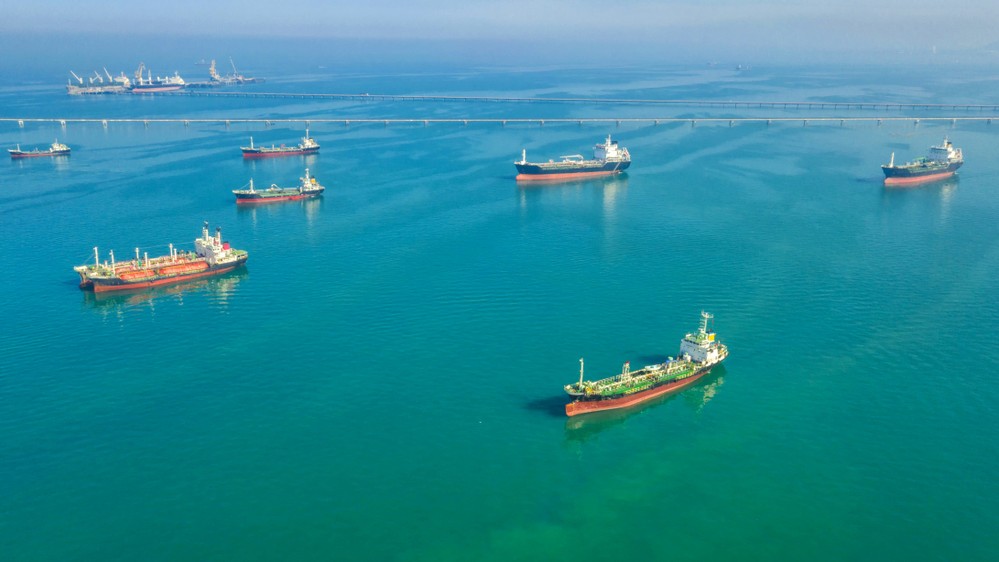
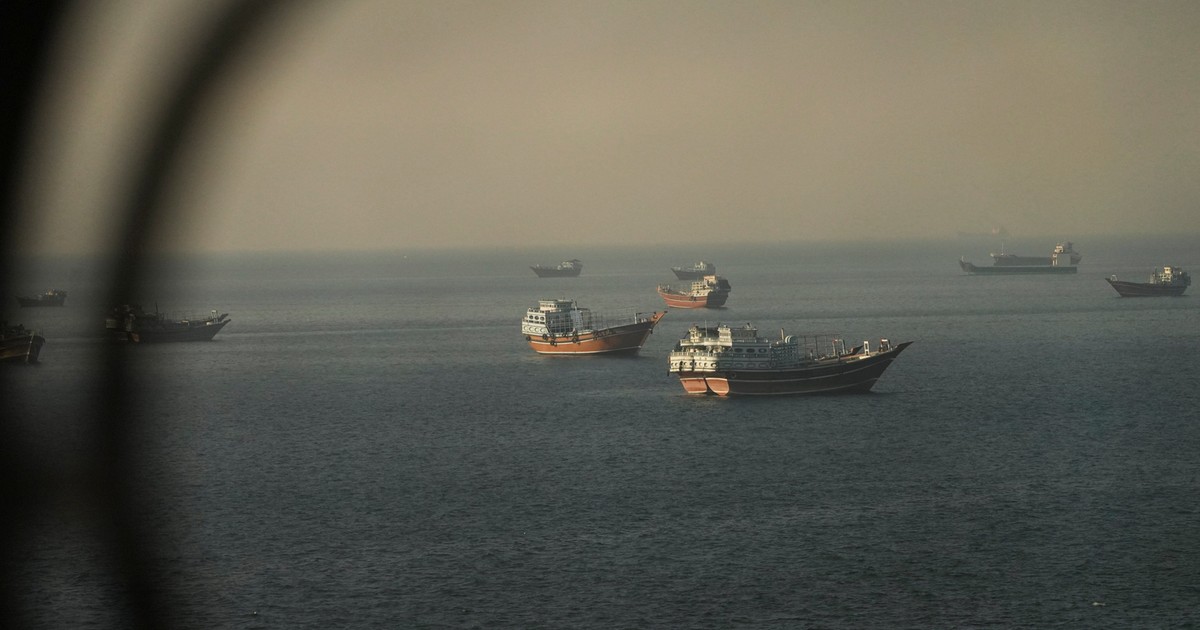
According to data from S&P Global Market Intelligence and S&P Global Commodities at Sea, a record 78 vessels transited the strait on June 24, including 22 oil and chemical tankers, making it the busiest single day since hostilities began in the Gulf.
The surge helped lift June's total traffic to 551 vessel crossings, already surpassing April's previous post-conflict high of 438.
The rebound follows the introduction of a new maritime safety corridor along the Omani coast and points to a gradual restoration of commercial shipping through a waterway that handles a significant share of the world's crude oil, refined fuels and liquefied petroleum gas exports.
For African economies that depend heavily on energy imports from Gulf producers, the recovery reduces fears of prolonged supply disruptions, rising freight costs and another round of fuel price pressures that could worsen inflation and strain government budgets