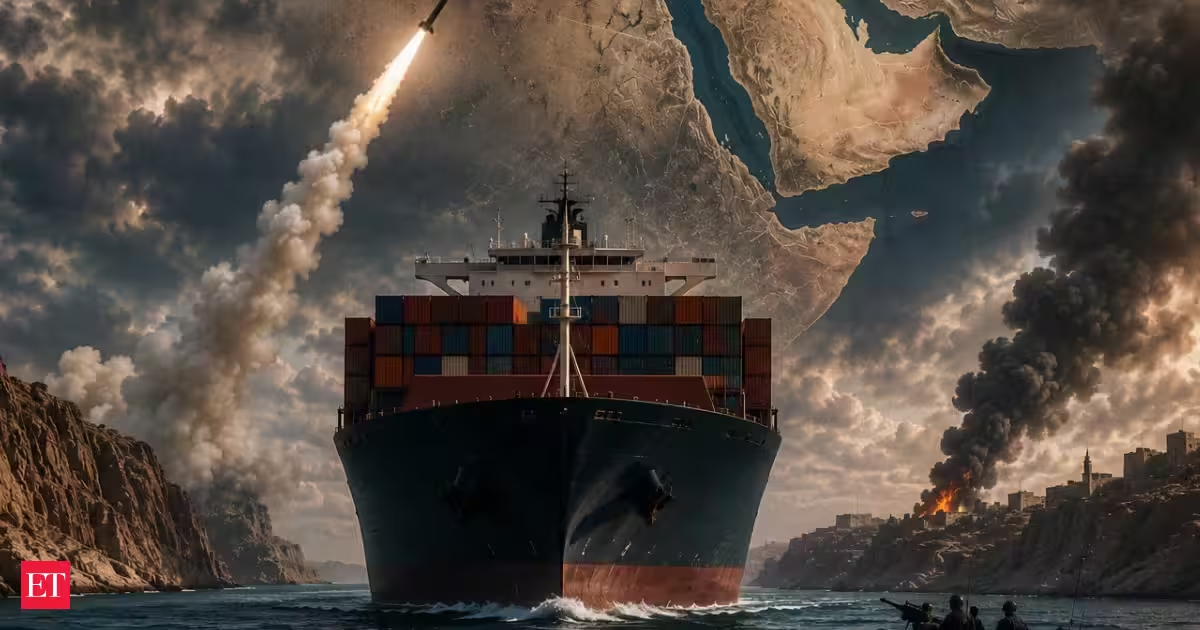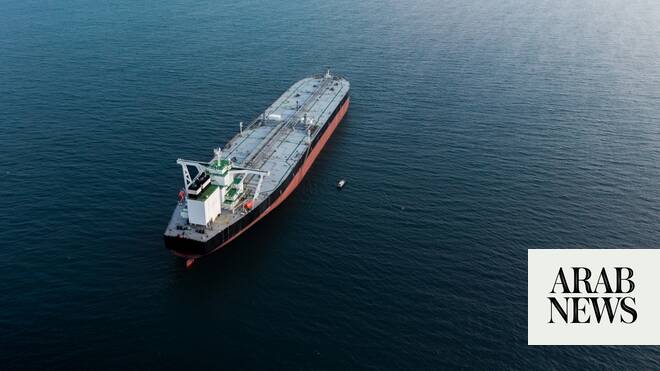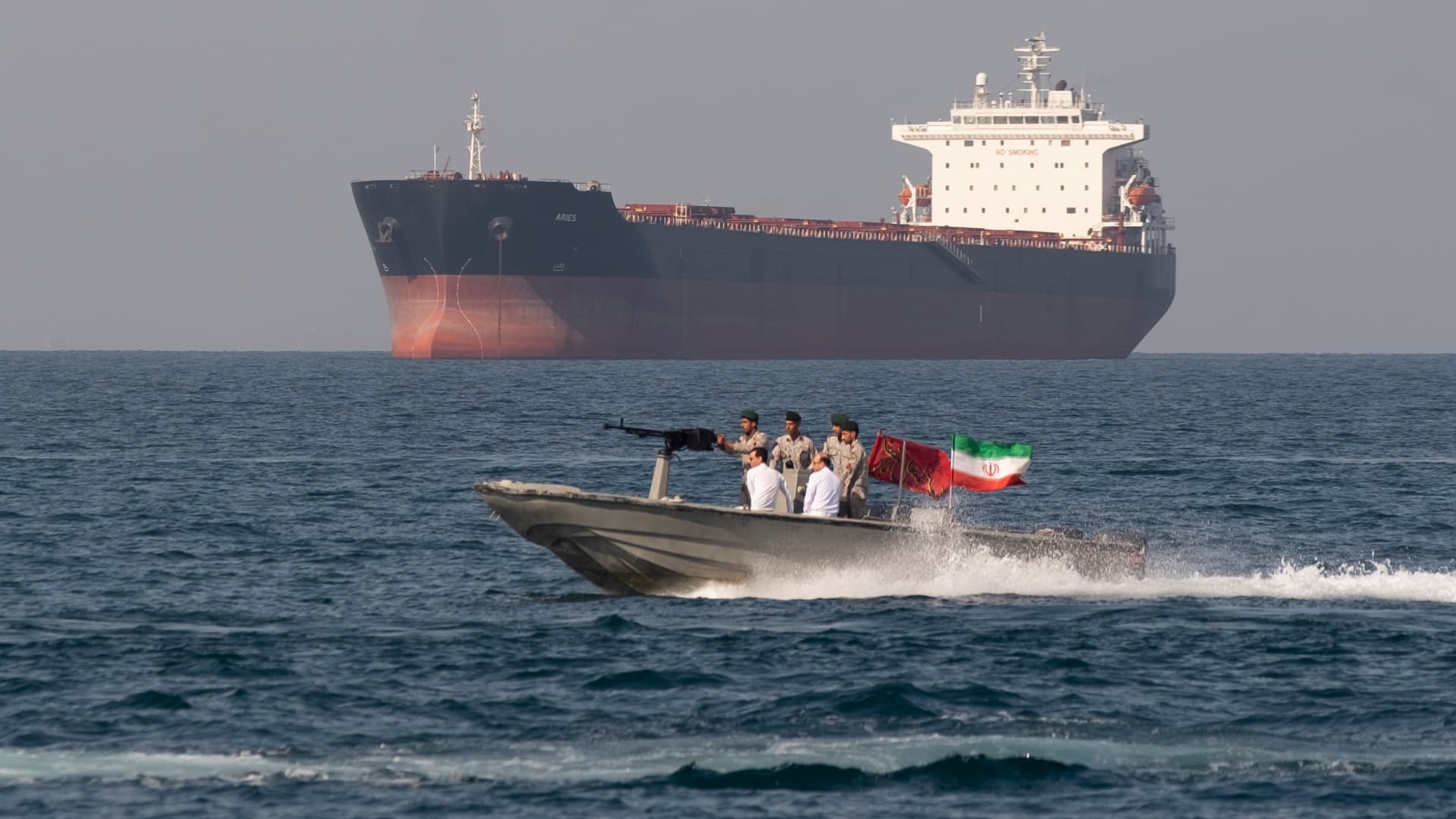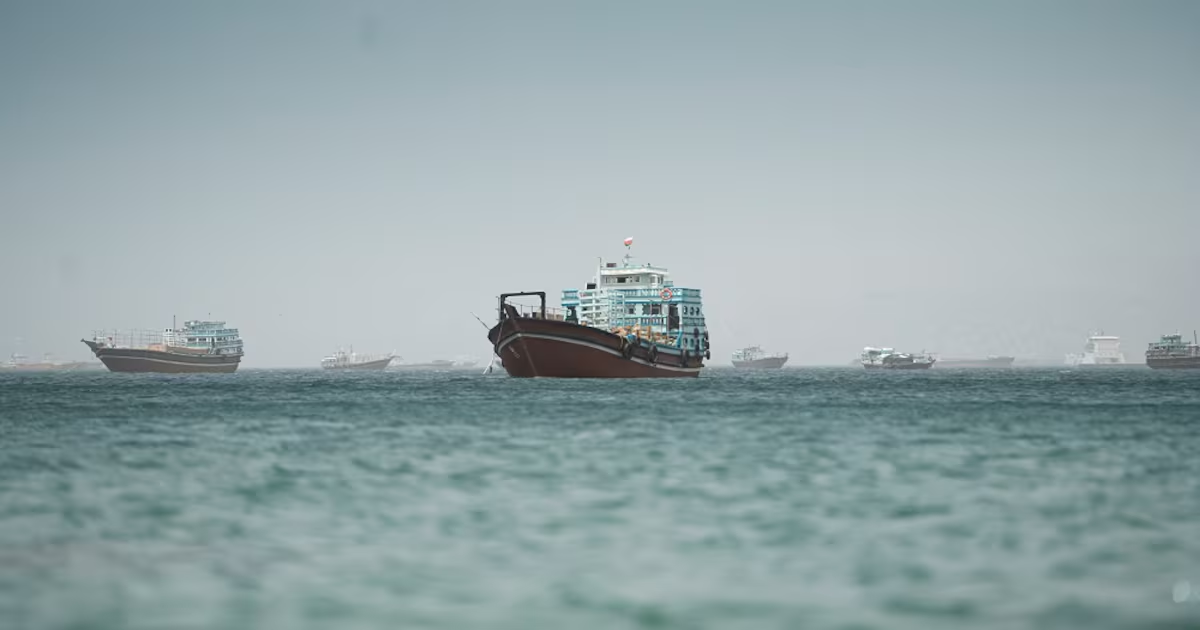
The growing disruption of crude oil flows as the Strait of Hormuz remains all but closed amid the US-Israel war on Iran is reshaping trade routes for the world’s most important source of energy and increasing competition among buyers from West Africa and Latin America, says a market intelligence firm.Elliot Radley, vice-president for oil business development at London-based Argus Media, said the shift is amplifying cost pressures in import-dependent markets, where fuel pricing remains closely tied to international crude benchmarks and shipping dynamics.The increased focus on alternative supply routes comes as South Africa’s energy policy leadership steps up engagement with the main oil transit regions. Mineral & petroleum resources minister Gwede Mantashe has spoken of visiting the Strait of Hormuz, through which about one-fifth of the world’s supply of oil and seaborne liquefied natural gas flowed before the war.Mantashe has said South Africa’s fuel supply is not at risk, thanks to its established trade relationships with producers, including Iran, even though the country imports all its crude oil requirements and has minimal reserves. South Africa is stepping up engagement with the main oil transit regions. Picture: REUTERS (Dado Ruvic) However, the planned visit indicated a more cautious posture as geopolitical tensions in the Middle East increasingly influence oil prices, supply flows and market sentiment.Some South African businesses are turning to on-site diesel storage as a buffer against fuel price volatility and infrastructure constraints.The trend is gathering momentum in sectors such as agriculture, logistics, freight and construction, in which diesel and petrol remain essential for transport, equipment and backup power.While South Africa does not directly rely on crude imports from the strait, it remains exposed to global pricing dynamics through Brent-linked fuel import mechanisms and refined product markets. Disruptions in key producing or transit regions are thus quickly transmitted into domestic fuel costs.Scramble for supplyRadley said alternative supply hubs in the Atlantic Basin are receiving increased attention as Middle East shipping routes remain constrained.“Latin America has quickly become one of the most important and reliable crude supply sources in the Atlantic Basin, and globally, as production rapidly ramps up in the region … and the continued closure of the Strait of Hormuz leaves buyers scrambling for alternative sources,” he said.Growth in Latin America’s crude exports is being driven mainly by increasing production in Brazil and Guyana, with most of that output flowing into international trade, Radley added. West Africa’s oil production is concentrated in Nigeria and Angola, with smaller volumes from countries such as Ghana, Equatorial Guinea, Cameroon and Ivory Coast.West Africa is a critical region in global trade because its exports can be directed relatively easily between North America, South America, Europe and West Africa.Radley added that shifting global trade flows are eroding spare supply, making the market more vulnerable to disruptions in key producing and transit regions as buyers compete for alternative barrels.
Strait of Hormuz closure reshapes oil trade routes, intensifies buyer competition
Middle East shipping disruptions push oil buyers to West Africa and Latin America
474 words~2 min read