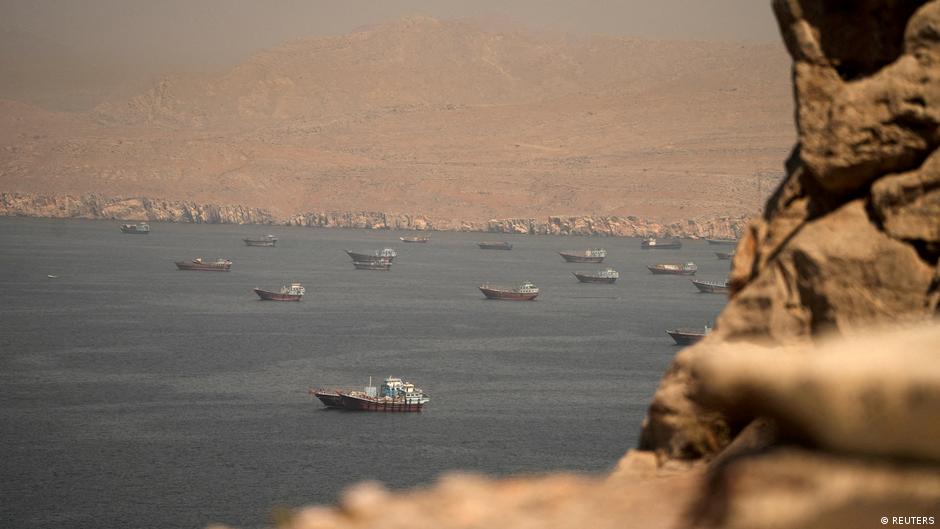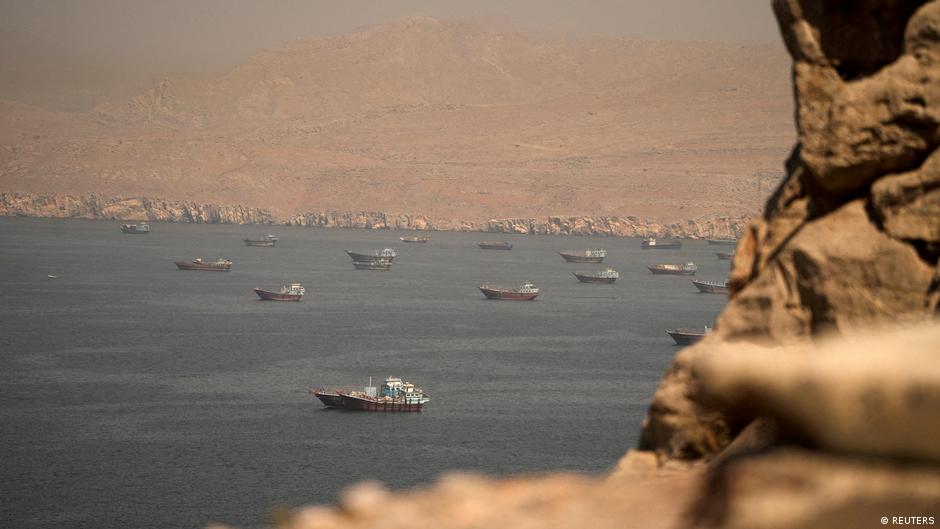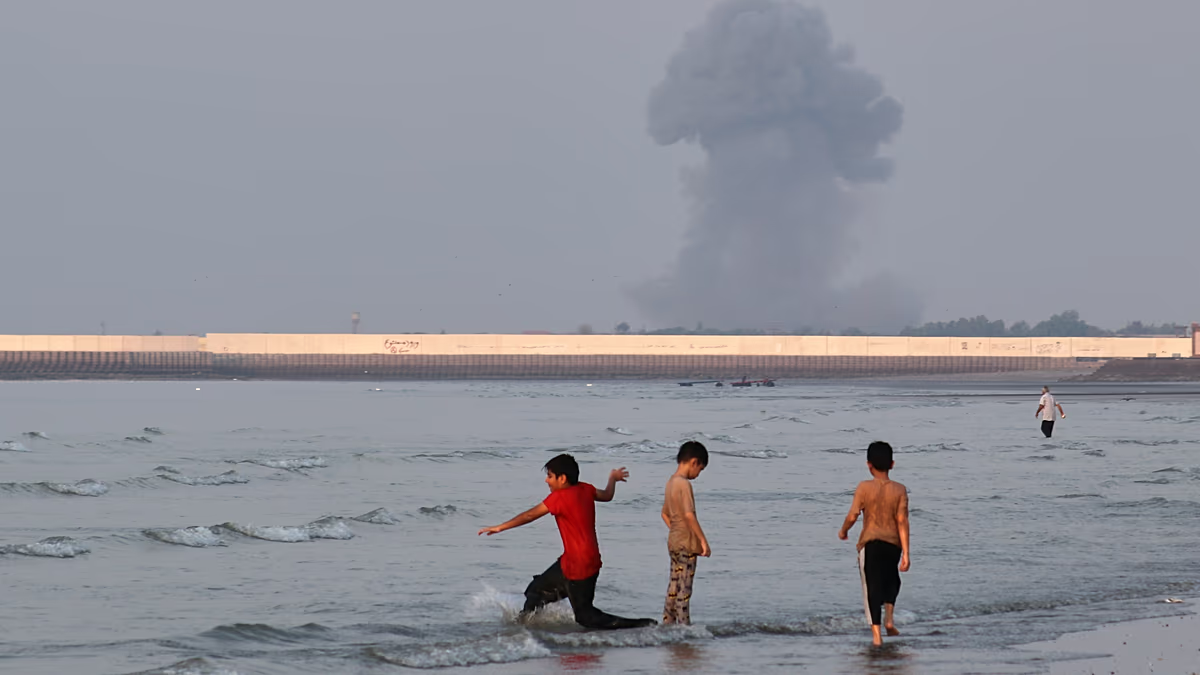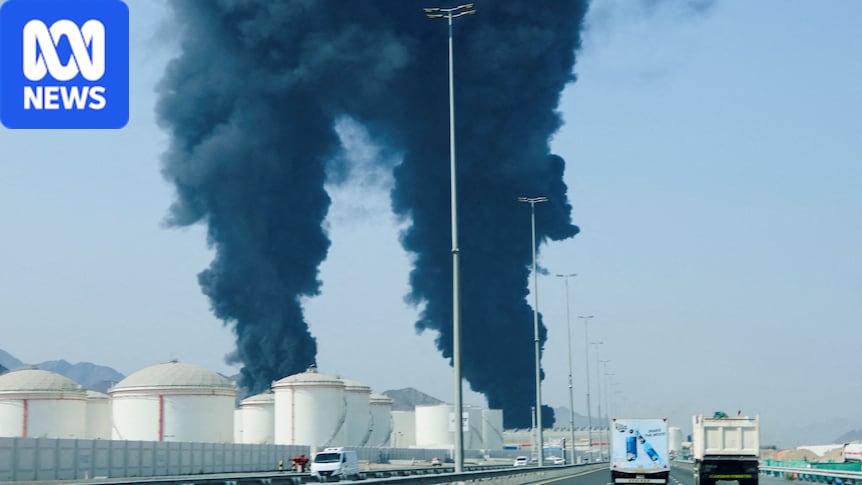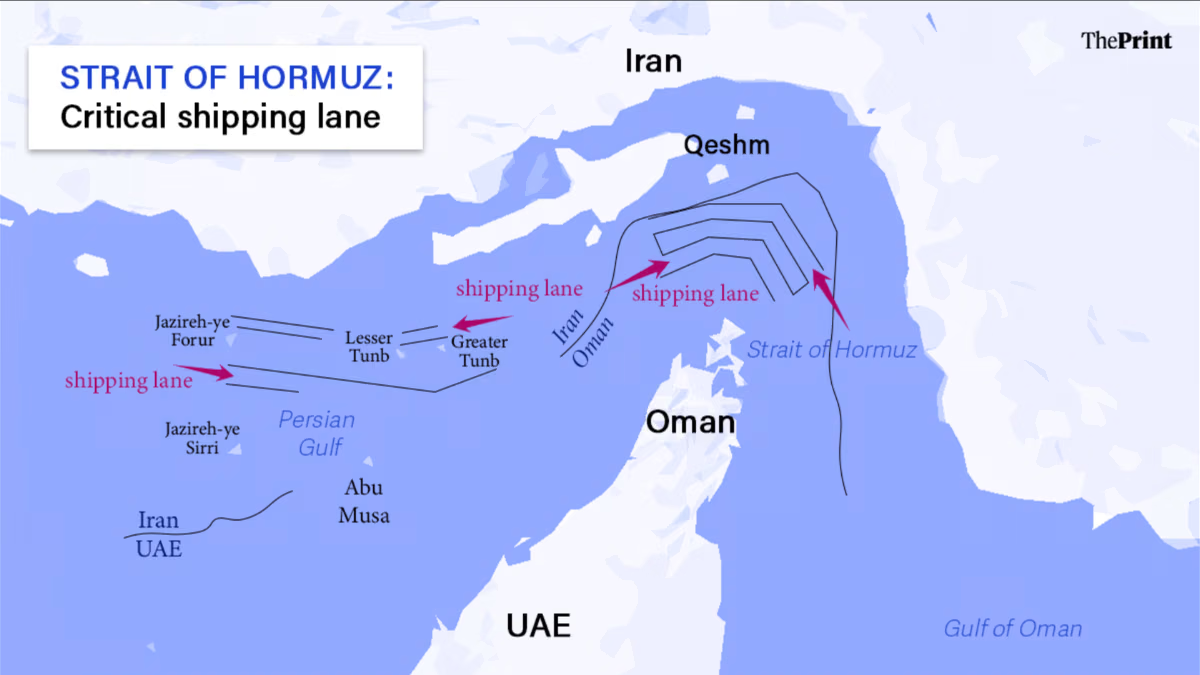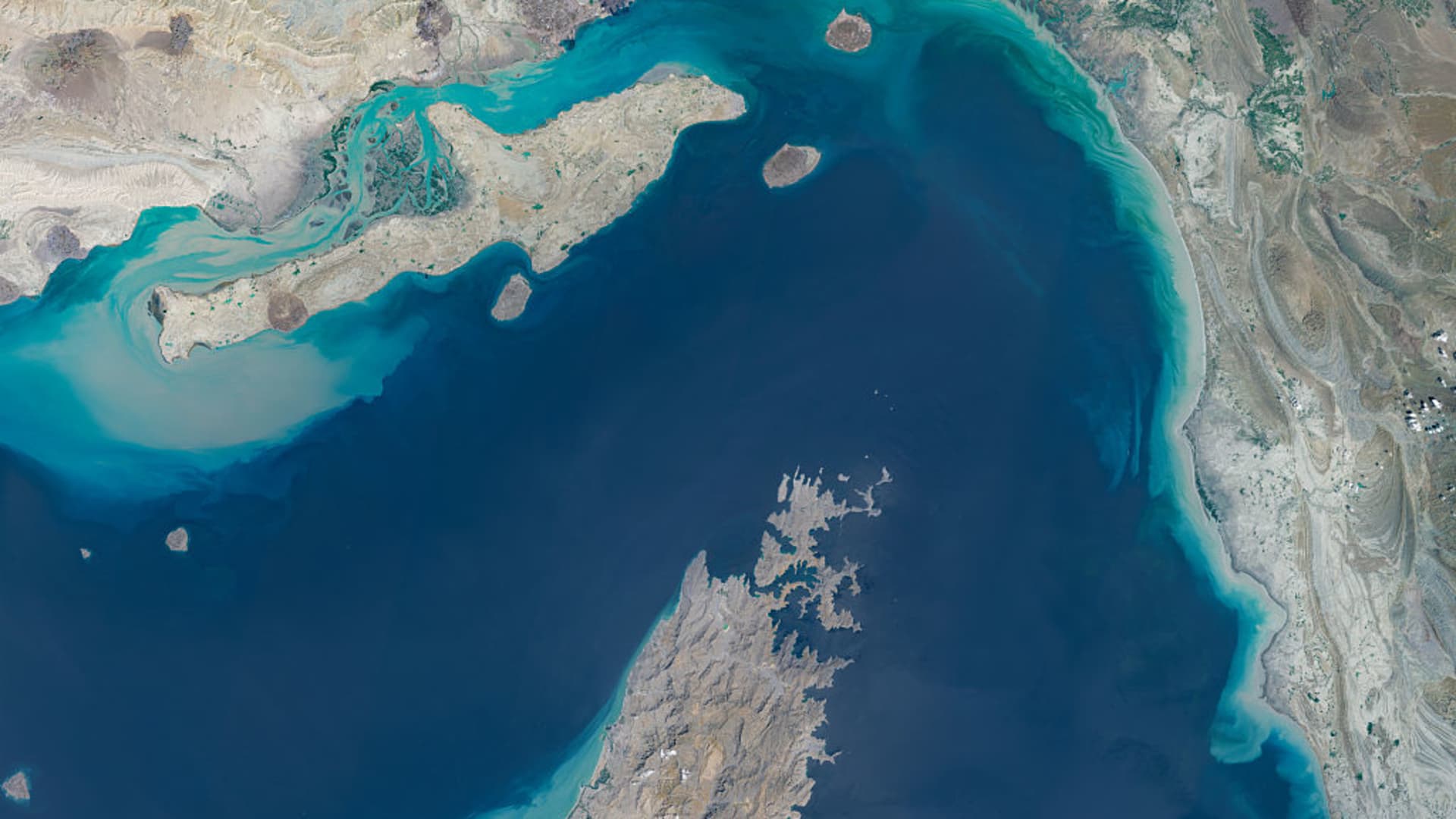
Middle Eastern oil and gas producers are still scrambling to find and expand alternative routes for their exports, almost two months after the critical Strait of Hormuz was effectively shut to commercial traffic.
There is still little clarity on when or how the U.S.-Iran conflict can be brought to an end, and both sides are using the Strait of Hormuz — a vital waterway through which around 20% of the world’s oil was shipped before the war — as a bargaining chip in stop-start peace talks.
The channel’s double-blockade has supercharged global energy prices and highlighted the global energy market’s vulnerability when key waterways and “chokepoints” — like the Strait of Hormuz, Panama Canal or Suez Canal — are blocked, whether by accident or by design.
The IEA’s Executive Director Fatih Birol told CNBC Thursday he felt like a “broken record” telling countries to diversify energy supply routes years before the current crisis.
“The $110 trillion global economy can be taken hostage by a couple of hundred men with guns across a 50-kilometer stretch of strait — it doesn’t make sense at all. We should make alternative routes, alternative options,” he told CNBC’s Steve Sedgwick.