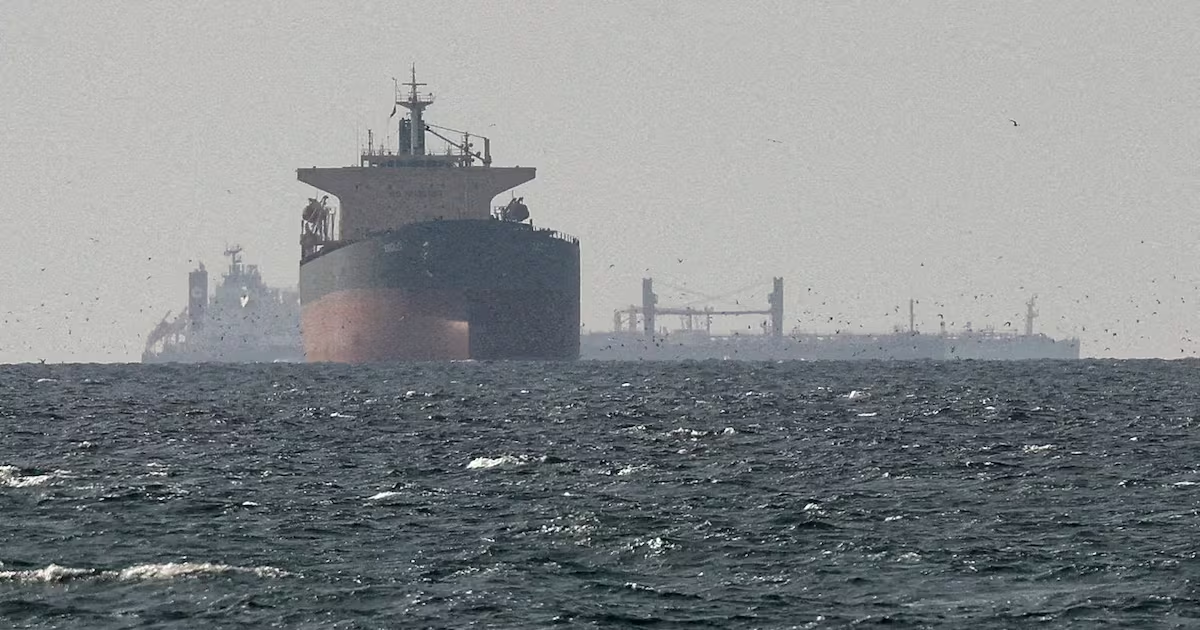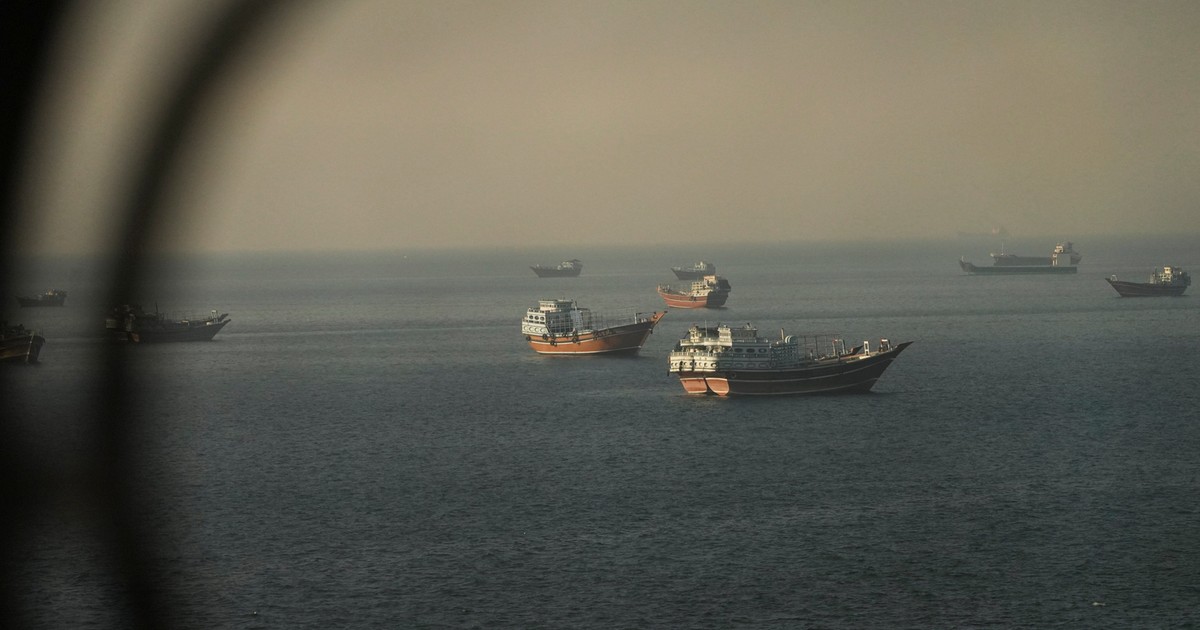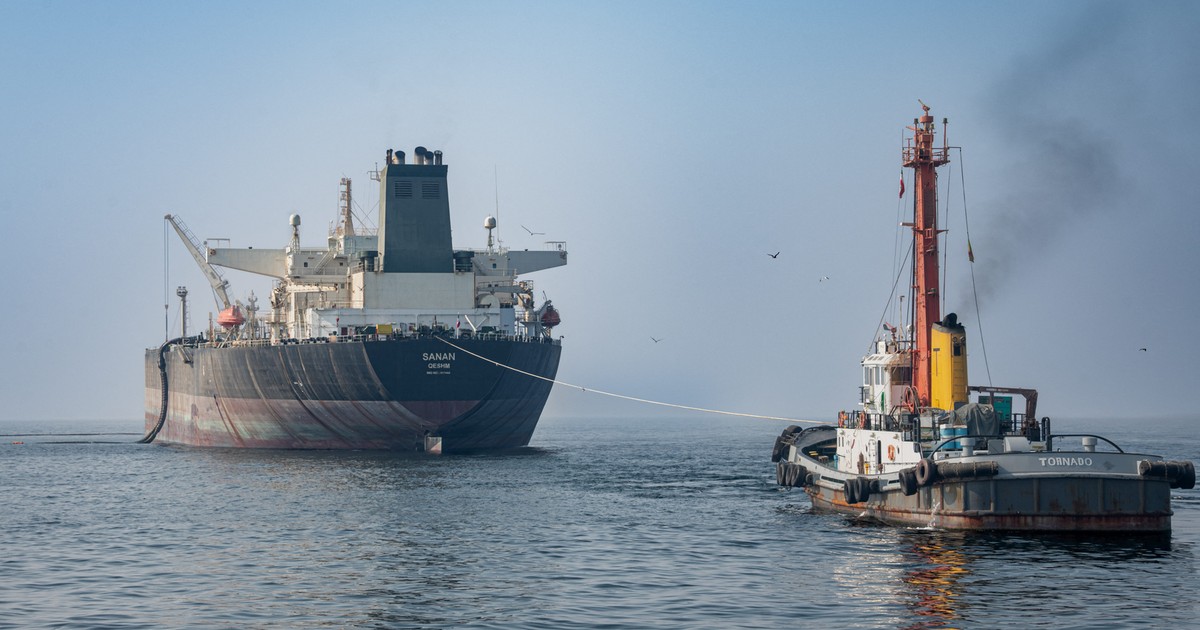
Several African economies remain heavily exposed to volatility in global oil markets due to their reliance on imports sourced through the Strait of Hormuz, one of the world’s most critical energy chokepoints.
Any disruption in the narrow waterway can quickly ripple through global supply chains, pushing up fuel costs and exposing import-dependent economies to sudden shocks.
For many African countries, particularly smaller and more open economies, this dependence is not abstract. It translates directly into fuel import bills, inflation pressure, and tighter fiscal conditions when global prices rise.
According to data from the UN Trade and Development (UNCTAD), several African states source a significant share of their oil imports from the Hormuz region, leaving them vulnerable to volatility in one of the world’s most sensitive energy corridors.
Beyond Africa, the exposure is even broader. Disruptions in the Strait of Hormuz could place vulnerable economies globally at the frontline of an energy shock. Of 75 economies - including least developed countries (LDCs) and small island developing States (SIDS), 65 rely on imported oil, making them particularly sensitive to price spikes.