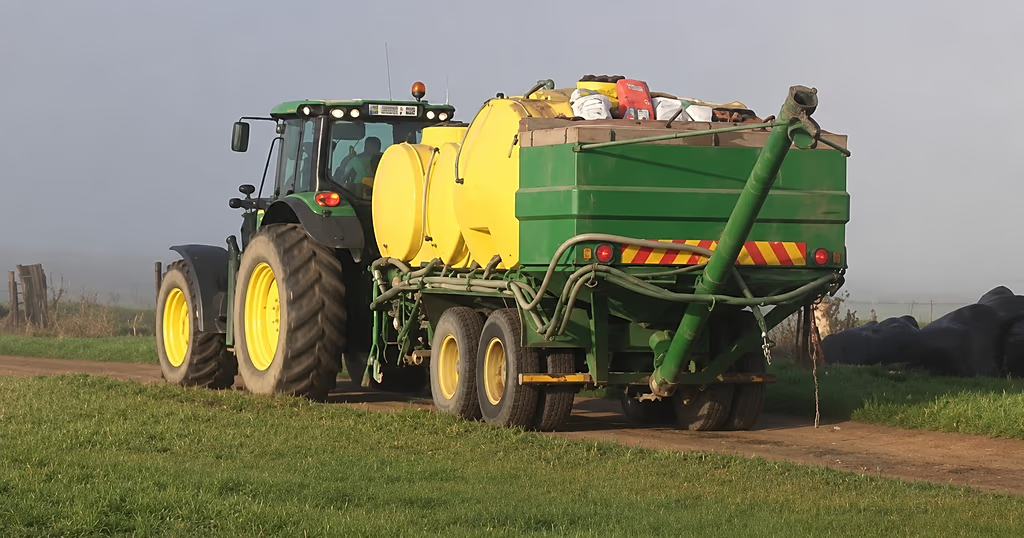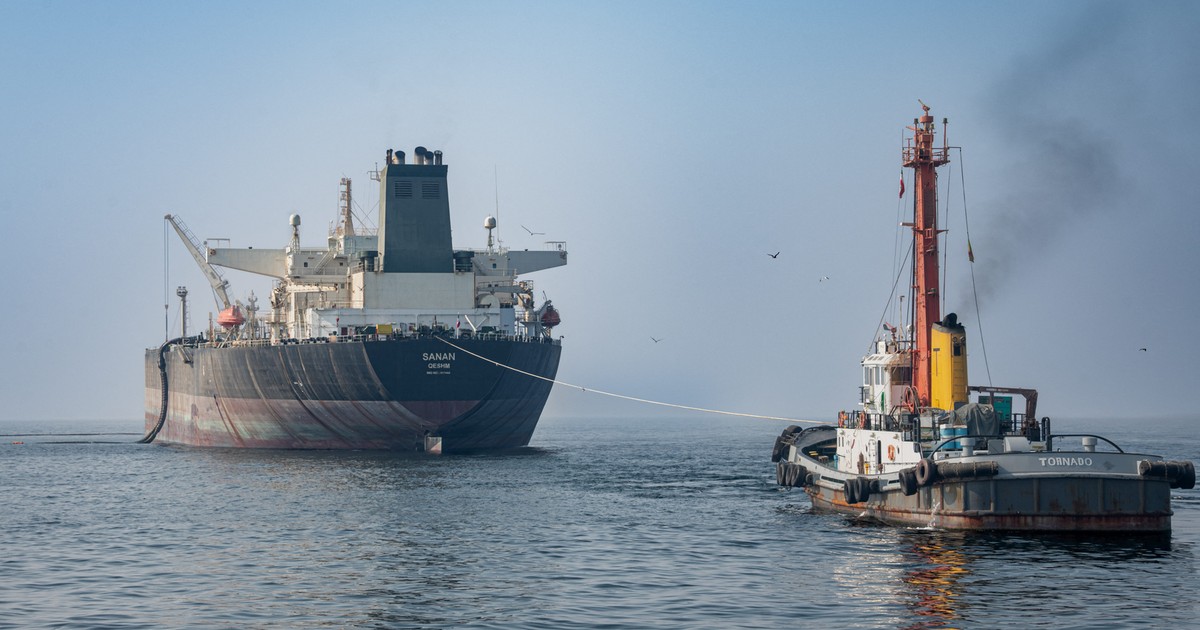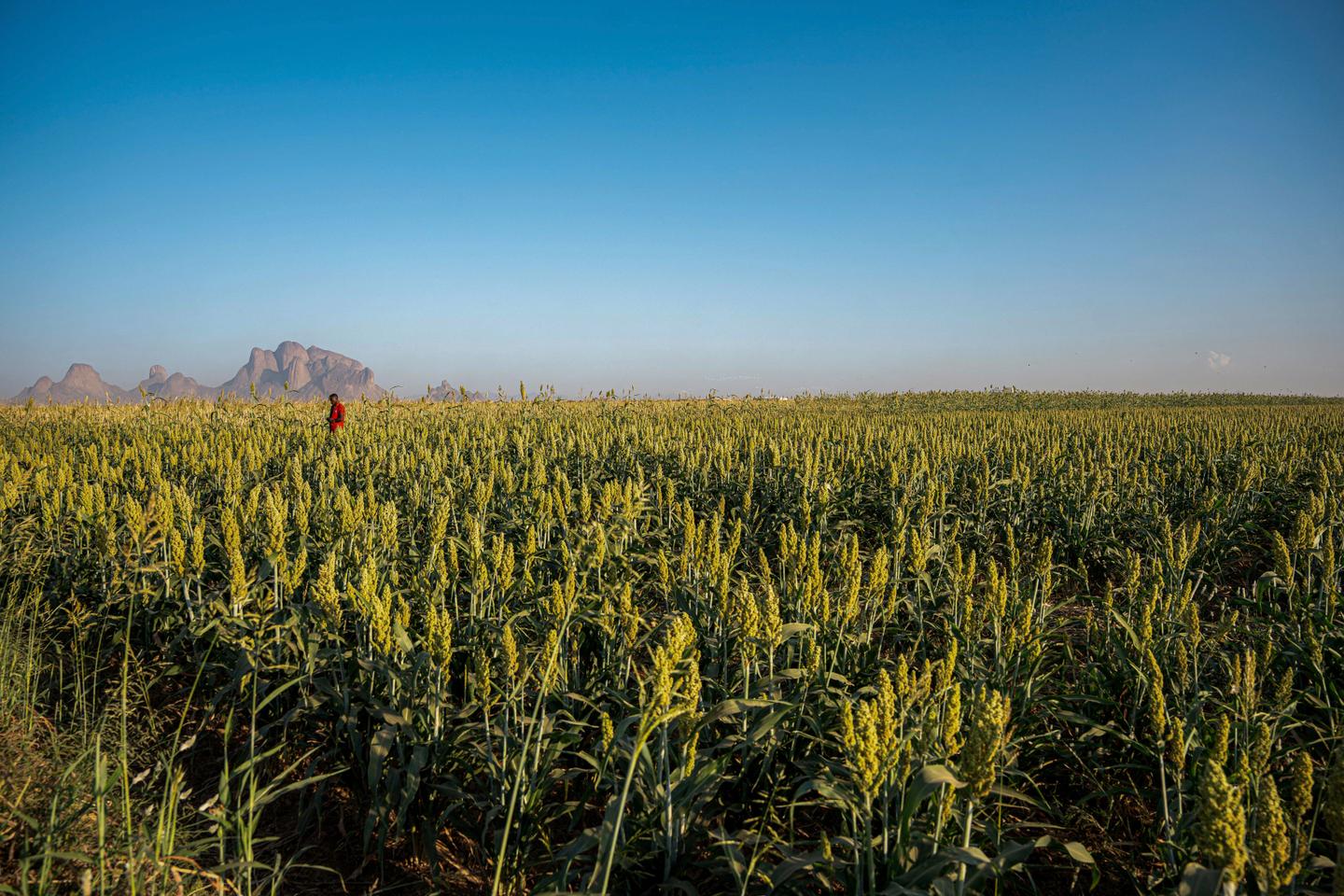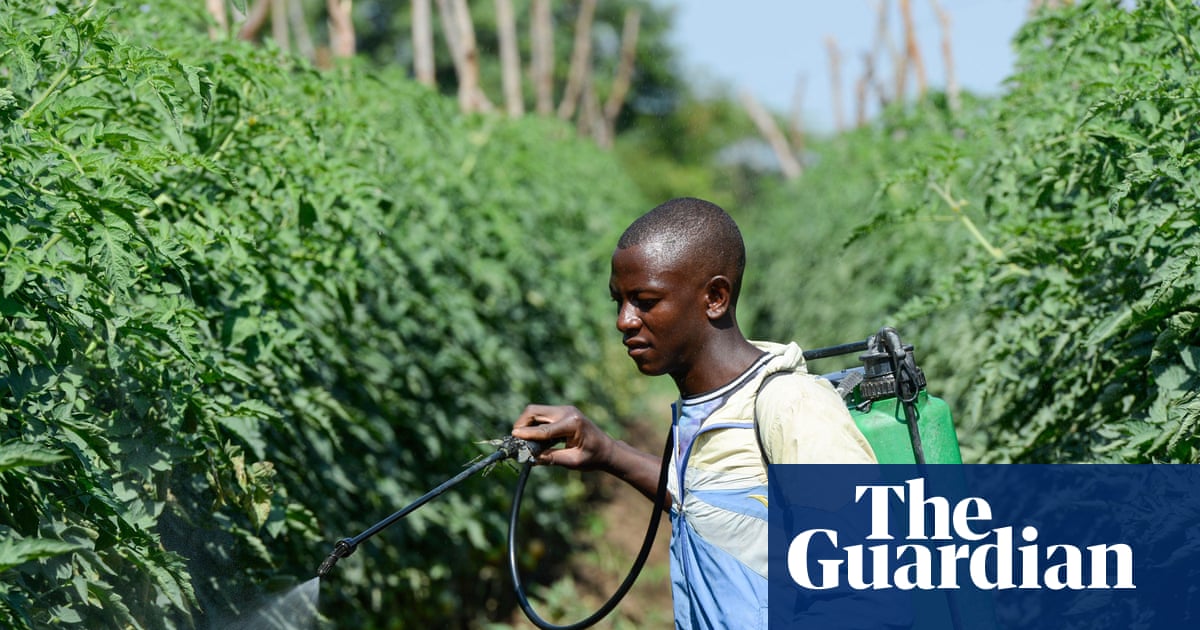
Food production in many African countries depends heavily on fertiliser imported from the Gulf through the strait of Hormuz
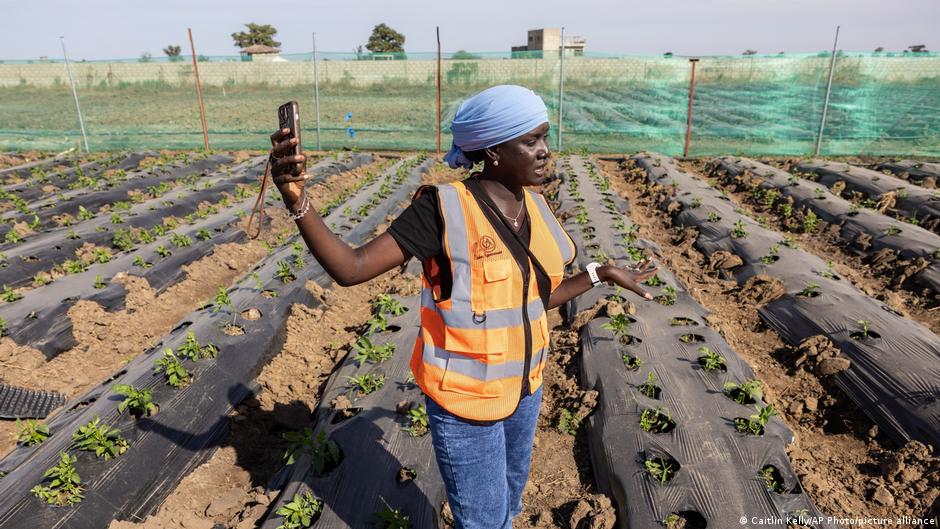
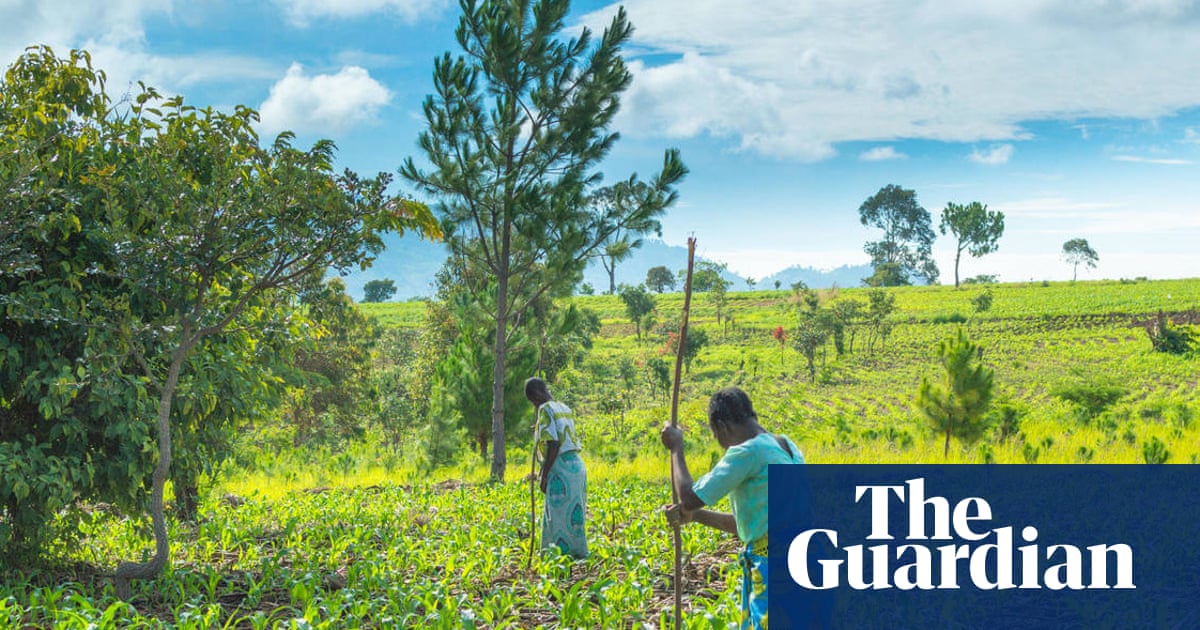
Countries in Africa, where farmers depend heavily on imported fertiliser and a large share of household income goes on food, are particularly vulnerable to supply chain disruptions caused by the war in the Middle East, experts have said.
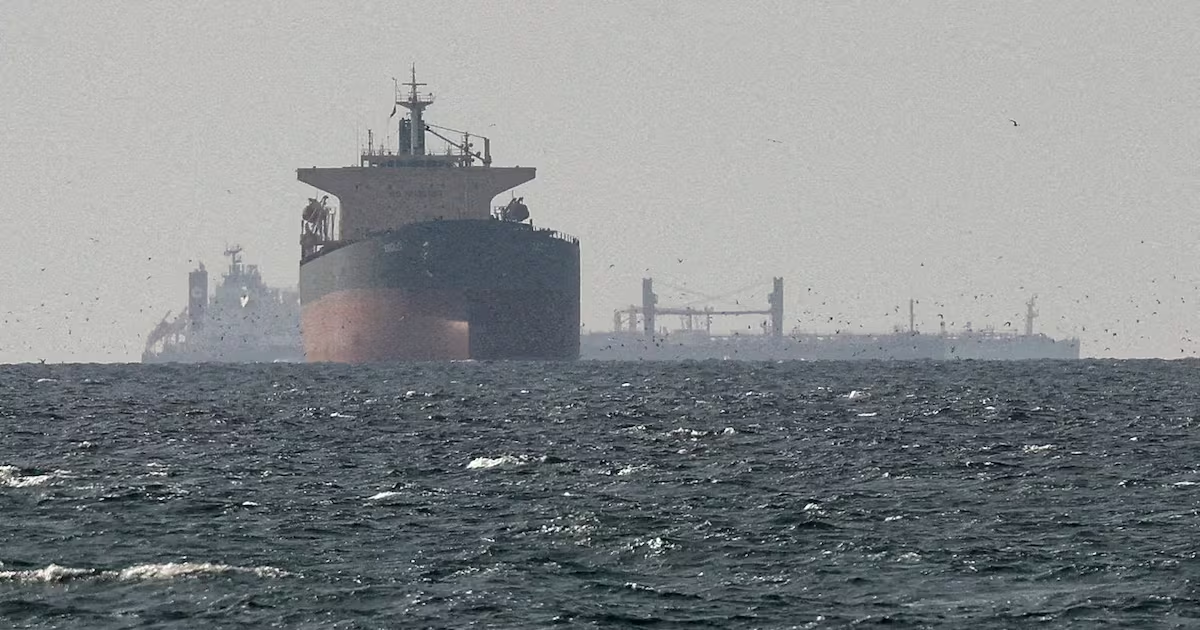
The conflict has drastically disrupted trade through the strait of Hormuz, a vital shipping lane not just for oil and gas but also for fertiliser, which is produced in vast quantities in the Gulf.
African countries rank among the most reliant on fertiliser imports by sea from the Middle East. A report by the UN’s trade and development agency (Unctad) says 54% of Sudan’s fertiliser arrives in this way. The figures for Somalia and Kenya are 30% and 26% respectively.
About one-third of seaborne trade in fertiliser, a vital agricultural input for productivity improvement, is transported through the strait of Hormuz.