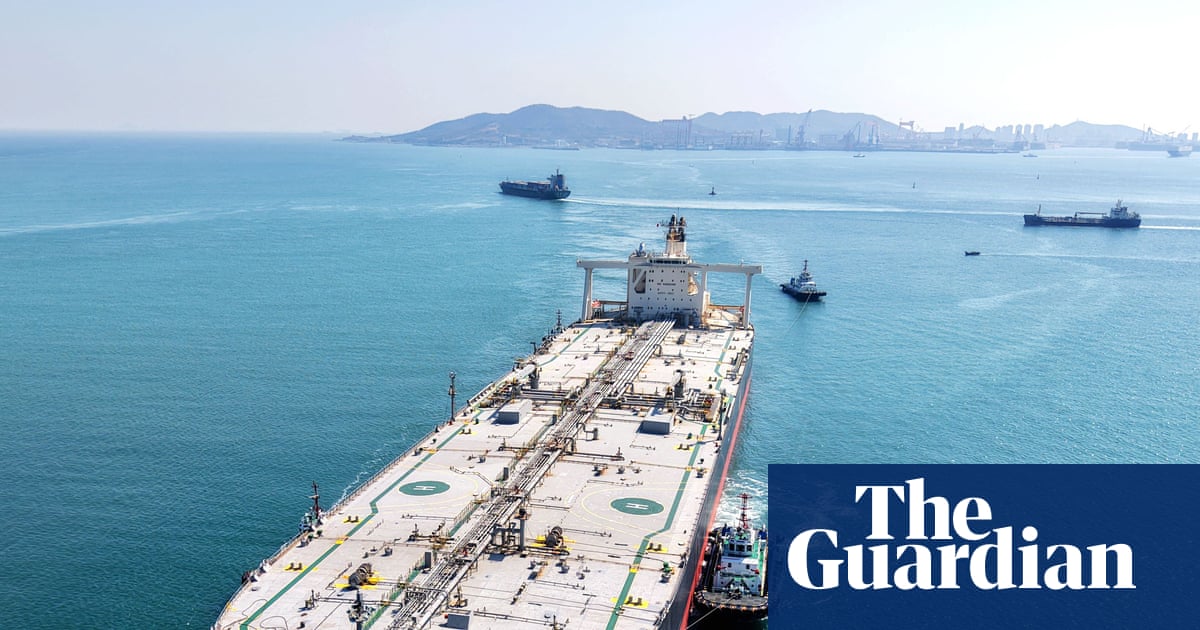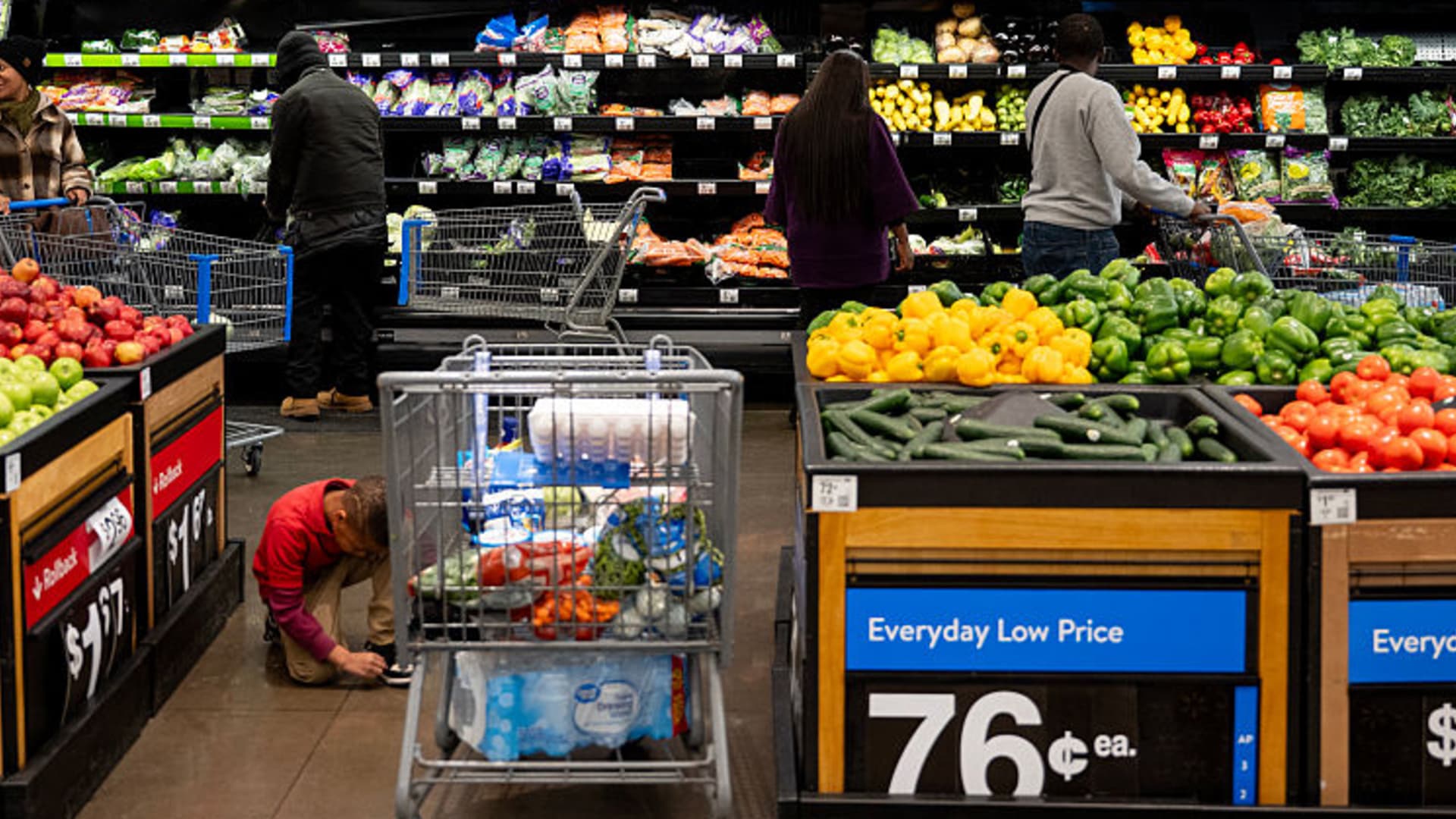
The Middle East conflict has disrupted trade through the Strait of Hormuz and its impact could ripple far beyond the energy markets, risking a spike in global food prices.
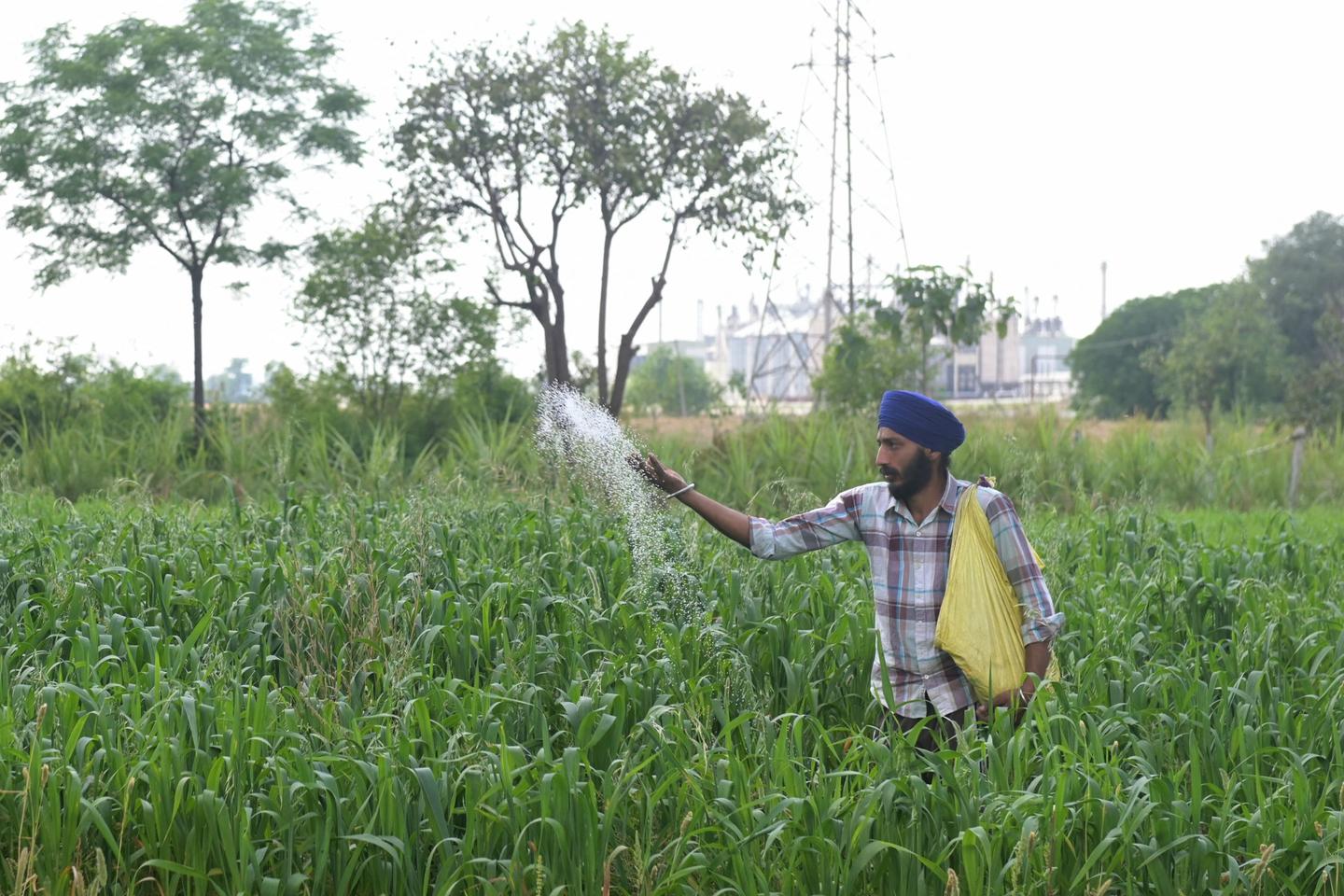
The strait is not only a key artery for oil and gas shipments but also for fertilizers critical to global agriculture. Analysts told CNBC disruptions could feed through to higher farming costs, reduced crop yields and ultimately more expensive food.
“Higher energy and input costs risk reigniting global food inflation just as retail food prices had returned to more historical levels in many countries,” according to the International Food Policy Research Institute, or IFPRI.
Raj Patel, a research professor at the University of Texas, also warned that fertilizer disruptions linked to the conflict could amplify global food pressures through several channels simultaneously.
“The short answer is: significant, and faster than people think,” Patel said. “The Strait of Hormuz is a fertilizer chokepoint. Qatar, Saudi Arabia, Oman, and Iran together supply a substantial share of the world’s traded urea and phosphates, and virtually all of it transits Hormuz.”