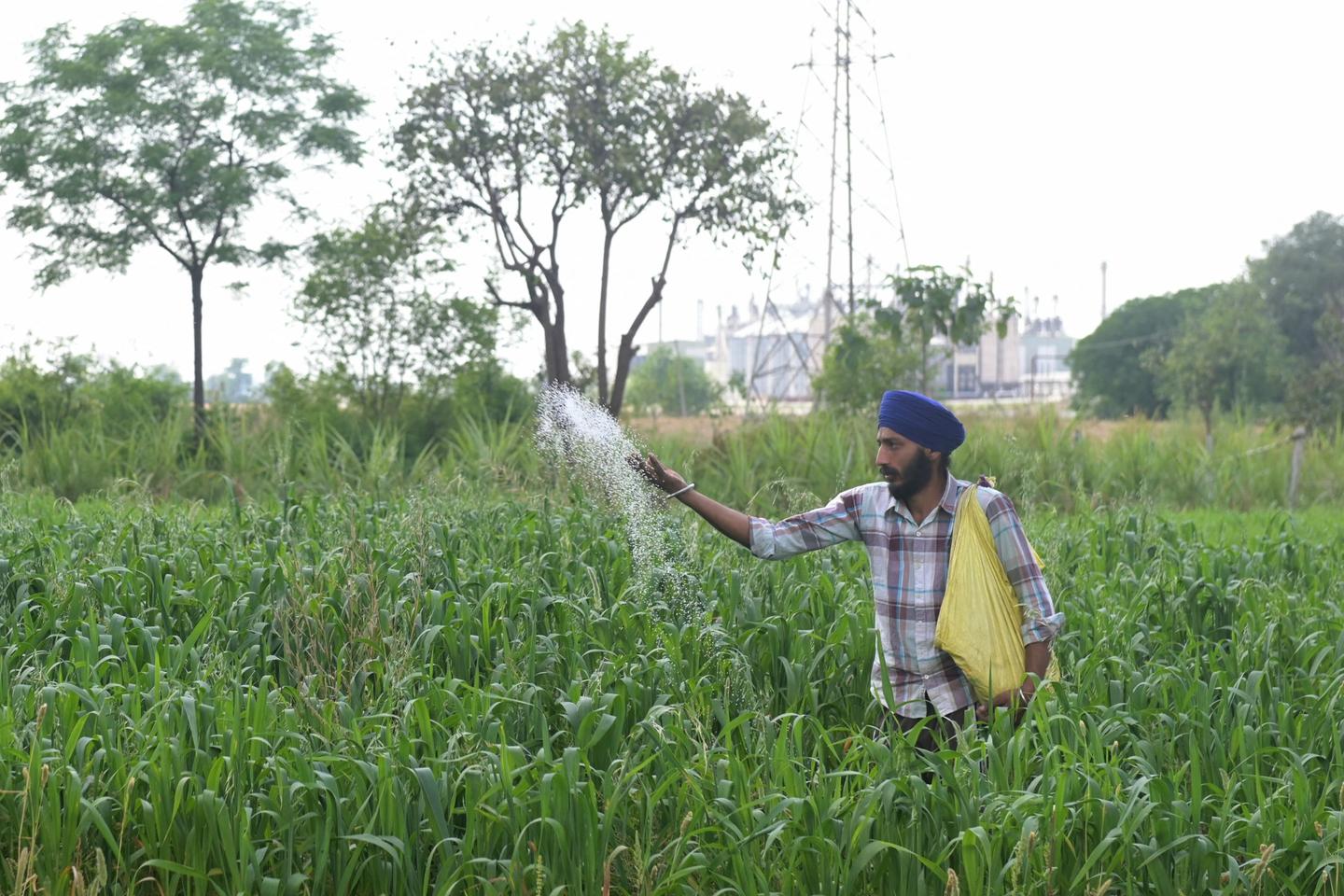
A farmer spreads fertilizer over a field near Amritsar, India, April 9, 2026. NARINDER NANU/AFP
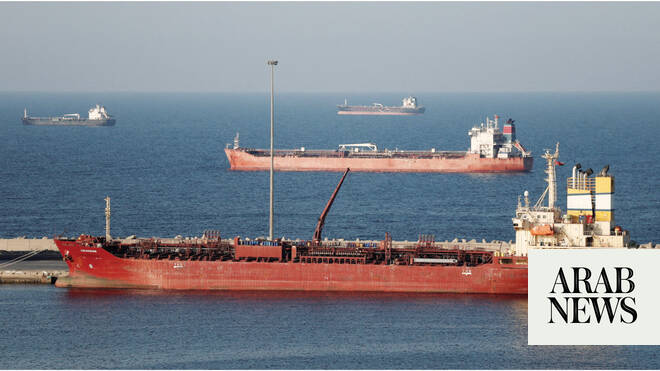
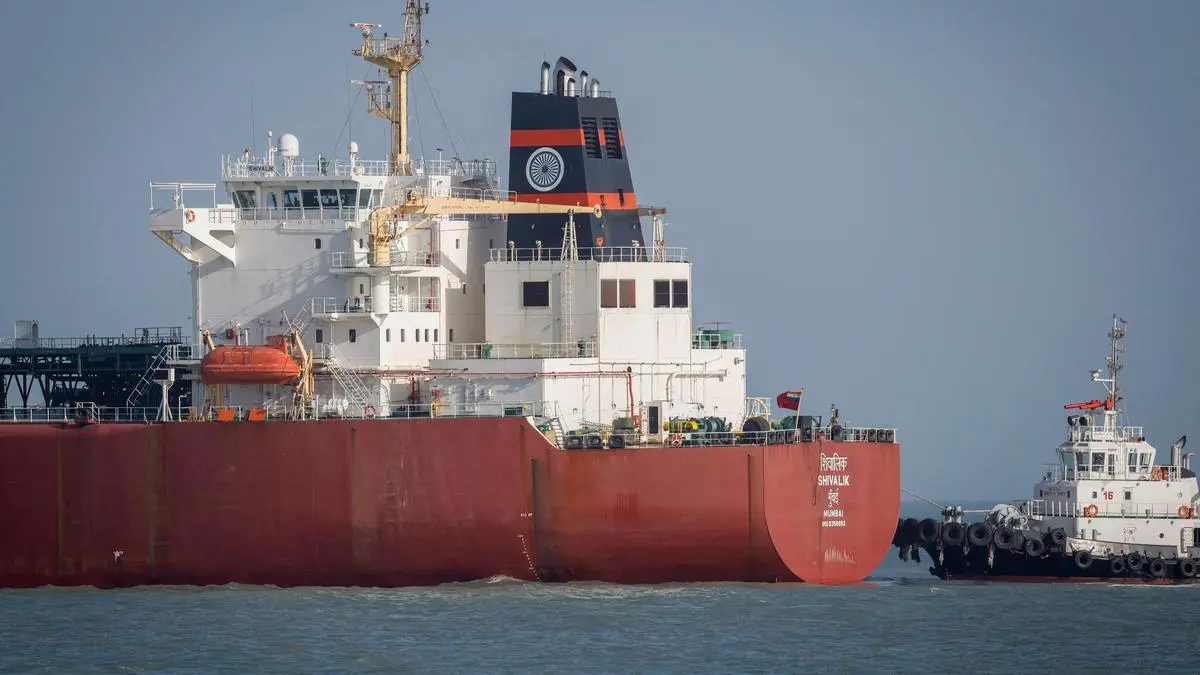
In the wake of the global energy crisis, could the conflict in the Middle East, triggered by US-Israeli strikes on Iran and Lebanon, also spark a new food crisis? Since late February, the blockade of the Strait of Hormuz – a strategic route in the Persian Gulf through which about one-third of the world's fertilizer production transits – has caused food prices to spike and raised fears of a future decline in agricultural production.
Only a few years have passed since the sharp rise in hunger caused by the Covid-19 pandemic and by Russia's 2022 invasion of Ukraine, and food insecurity figures have remained alarming. International organizations are outspoken about the cascading consequences that could result from the current geopolitical tensions. These domino effects highlight the vulnerabilities of global food systems, particularly their dependence on fossil fuels.
According to the World Food Programme (WFP), if the conflict lasts beyond June, around 45 million additional people could find themselves in acute food insecurity at the highest levels of its classification scale, adding to the 318 million individuals already affected.