LONDON: For much of the Global South, the US-Israel-Iran war is no longer a distant geopolitical crisis. It is showing up in farm budgets, fuel queues and food markets, as disruption in the Strait of Hormuz drives up costs and strains already fragile economies.
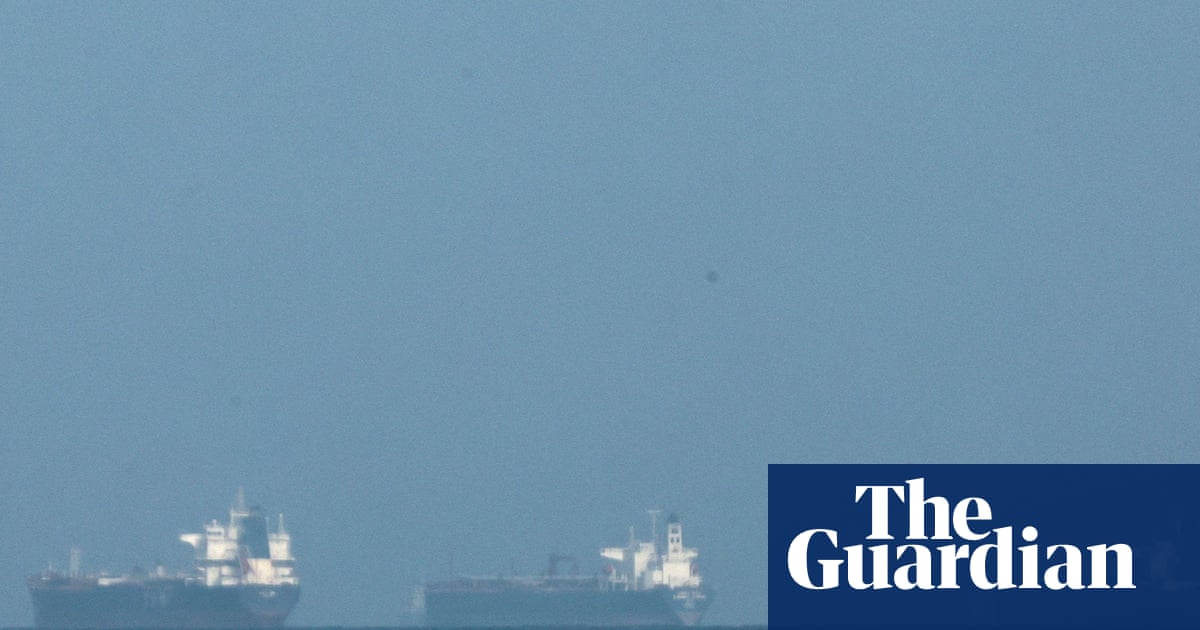
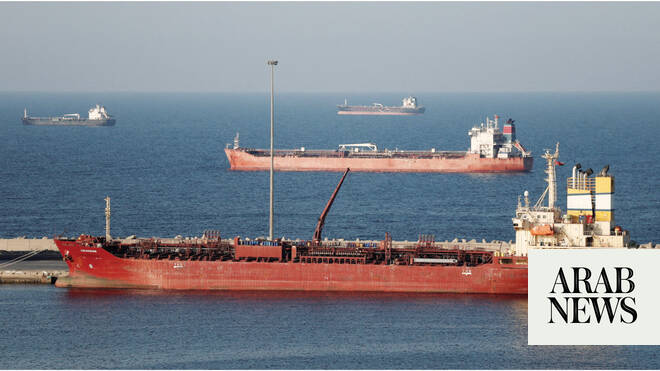
Iran’s blockade of Hormuz has rattled one of the world’s most important shipping lanes, while the US naval blockade ordered by President Donald Trump targets ships headed to or from Iranian ports rather than all traffic using the strait.
In Sudan, the consequences are already visible before sunrise.
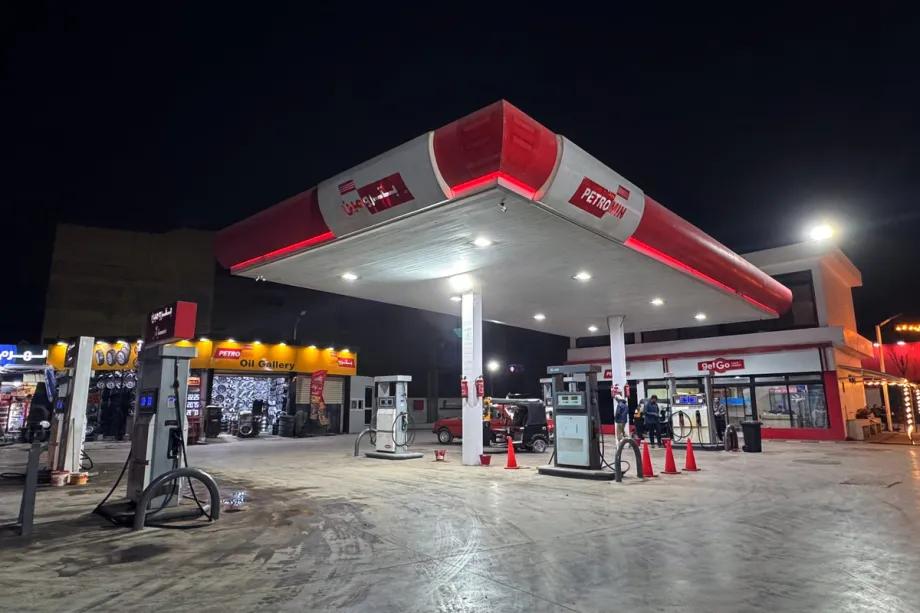
At a fuel station in Khartoum, the queue begins before dawn. Petrol prices climbed to 30,000 Sudanese pounds ($50) per gallon in early April, up from SDG 19,000 ($31.61) in February, and some analysts say they could hit SDF 35,000 ($58.24) by midyear as shortages deepen.
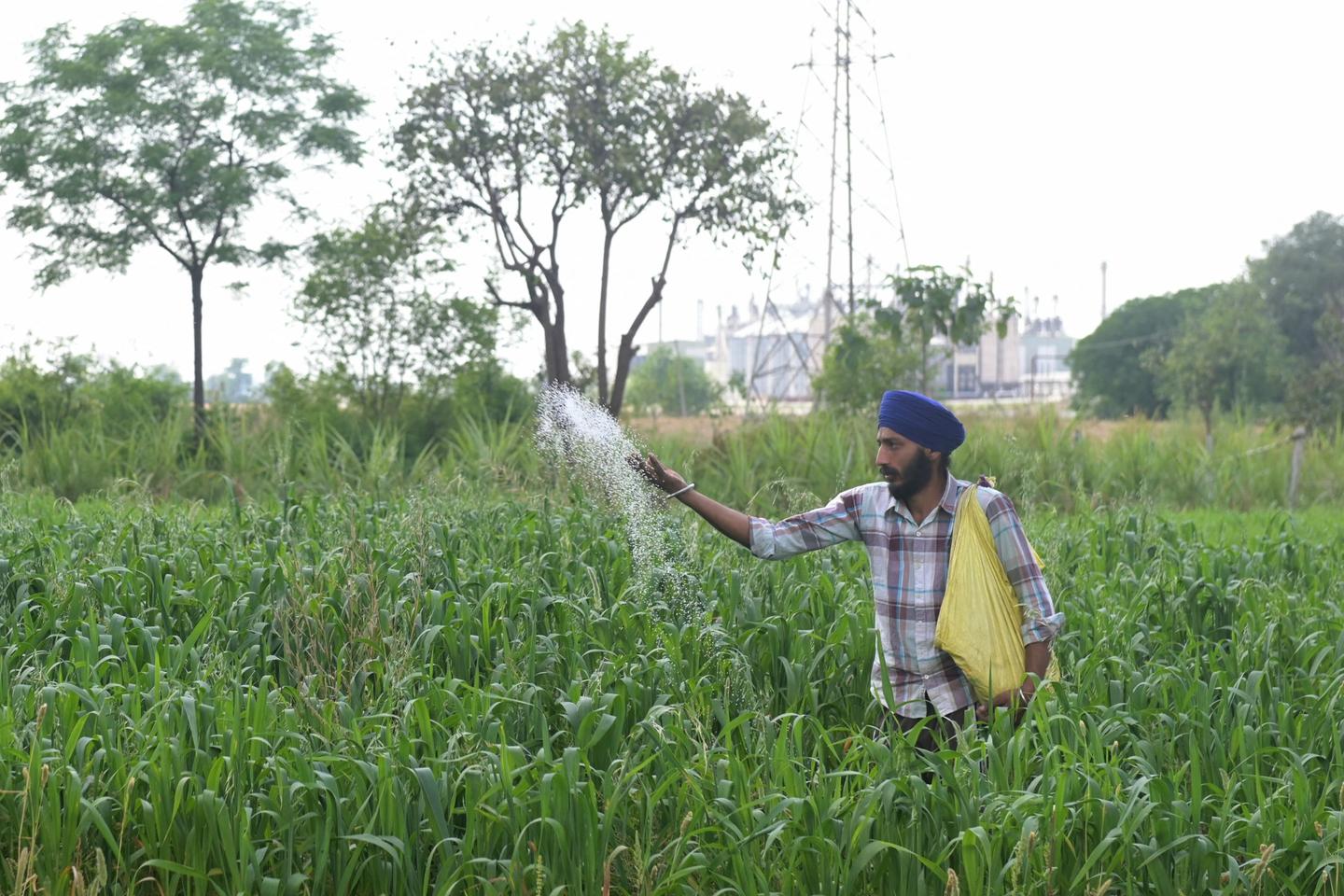
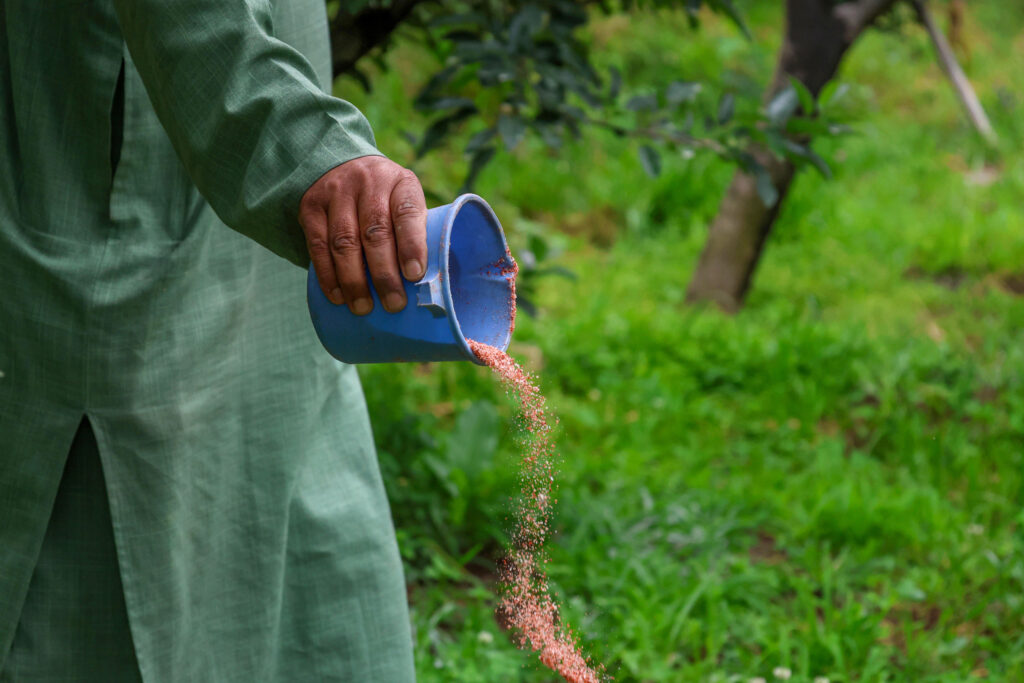
For farmers in Al-Qadarif and Al-Jazirah, who rely on diesel to power irrigation pumps and move seeds to market, the math is already becoming impossible. Sudan’s planting window opens in June, and time is running short.