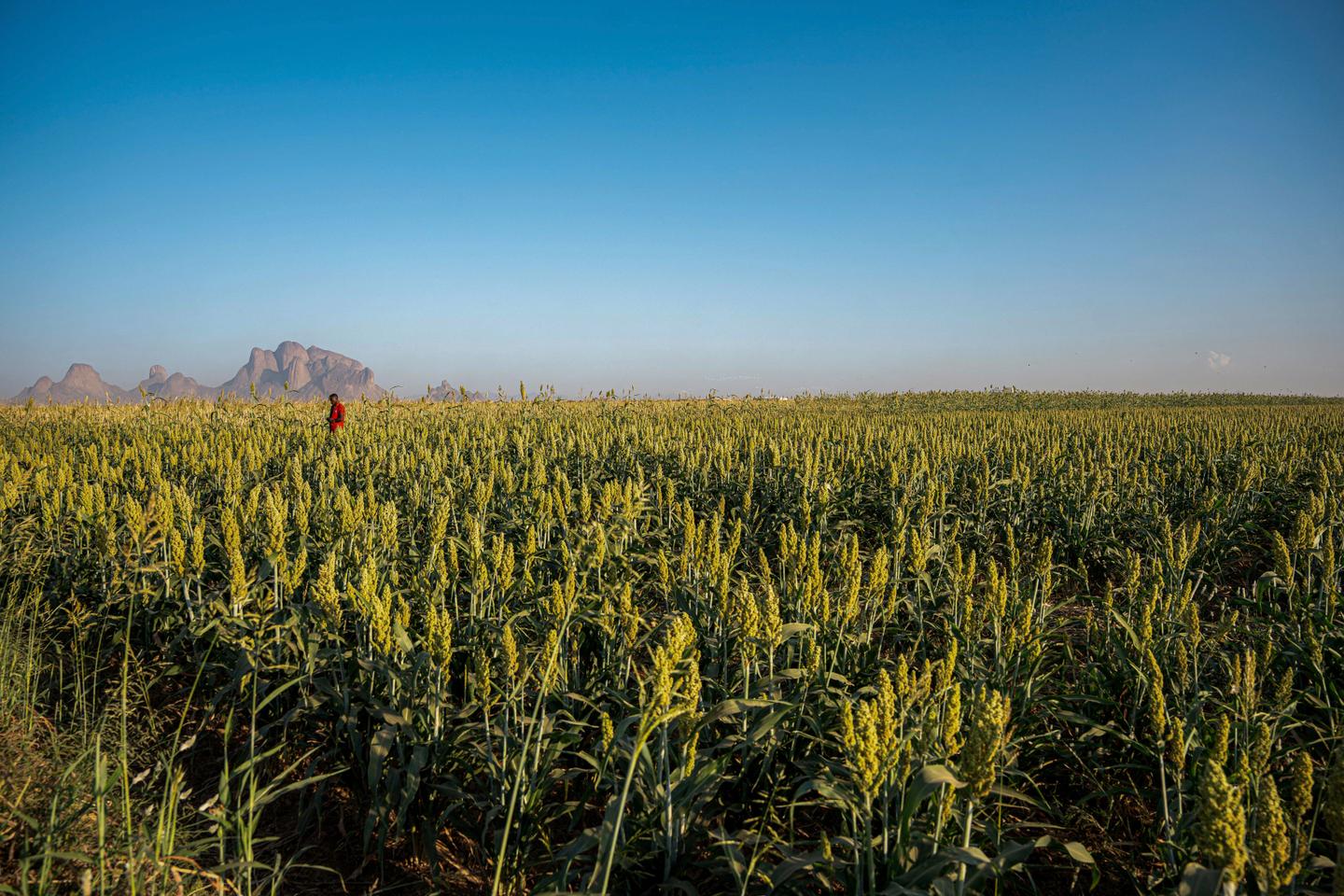
A Sudanese farmer in a sorghum field in Kassala State, Sudan, on November 18, 2025. AFP
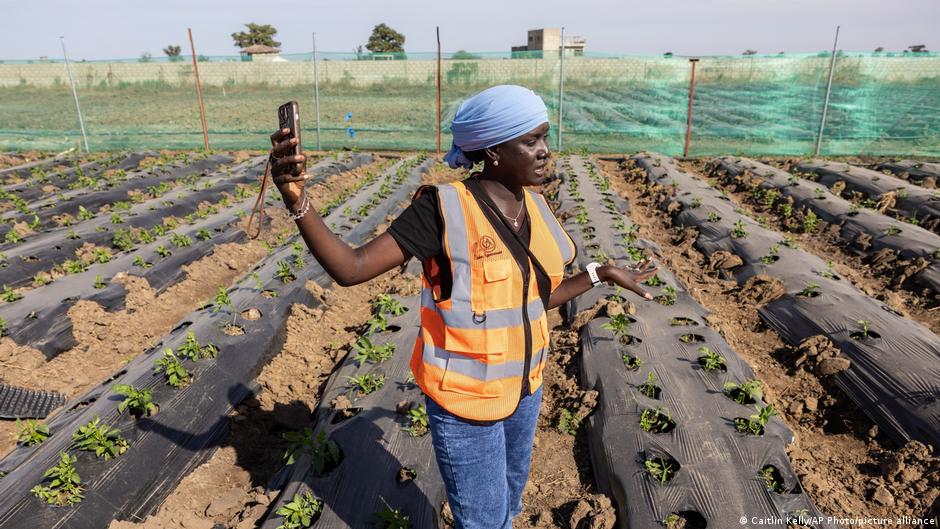
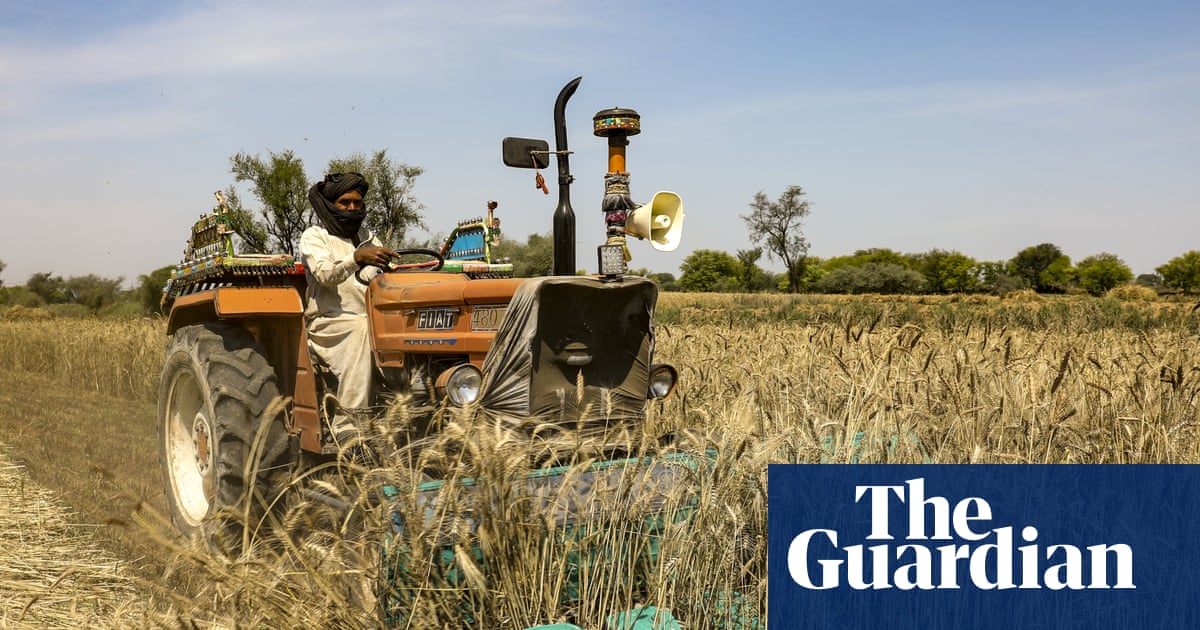
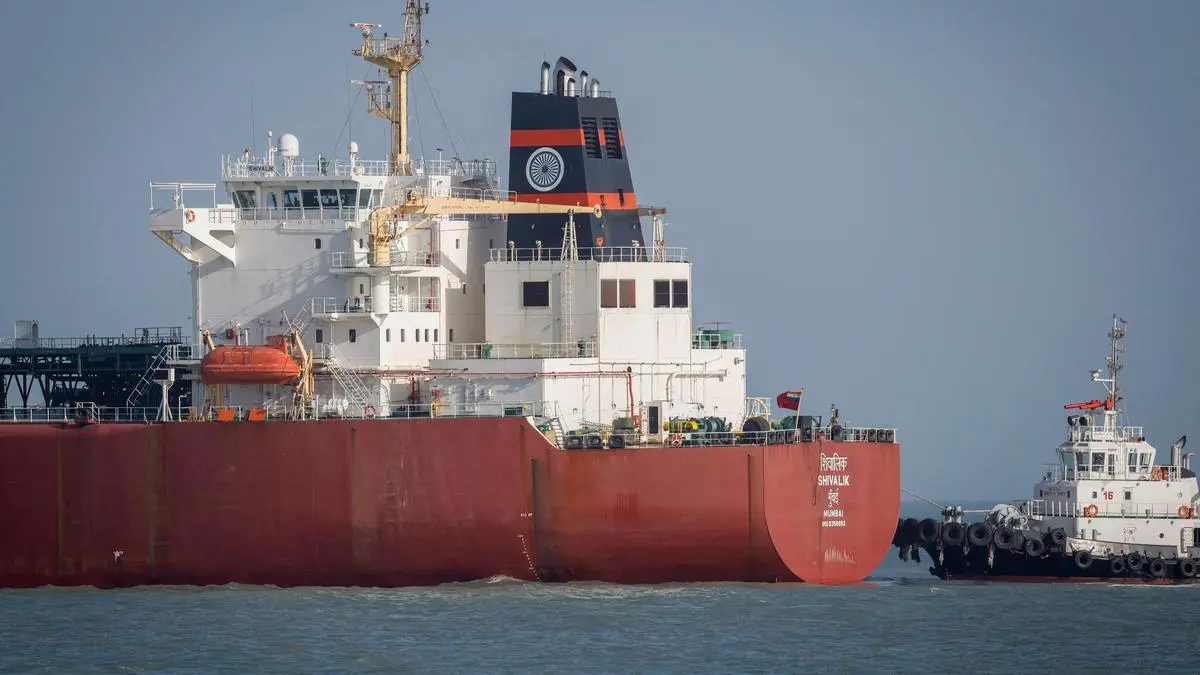
One disastrous consequence of the blockade of the Strait of Hormuz, which has largely gone unnoticed amid the war in Iran, which began on February 28, is now starting to be felt in the world's most fragile countries. At a time when the annual planting season has begun in much of the Sahel and the Horn of Africa, the conflict between the United States and Iran has shut down a significant portion of the world's fertilizer production, imperiling countries in the Global South and their crops. The situation risks aggravating hunger in regions that are already highly vulnerable due to armed conflict, extreme weather events and a looming El Niño, a cyclical natural phenomenon that triggers extreme weather events and threatens to devastate this year's harvests.
Subscribers only
El Niño's likely return sparks fears of worsening climate crisis
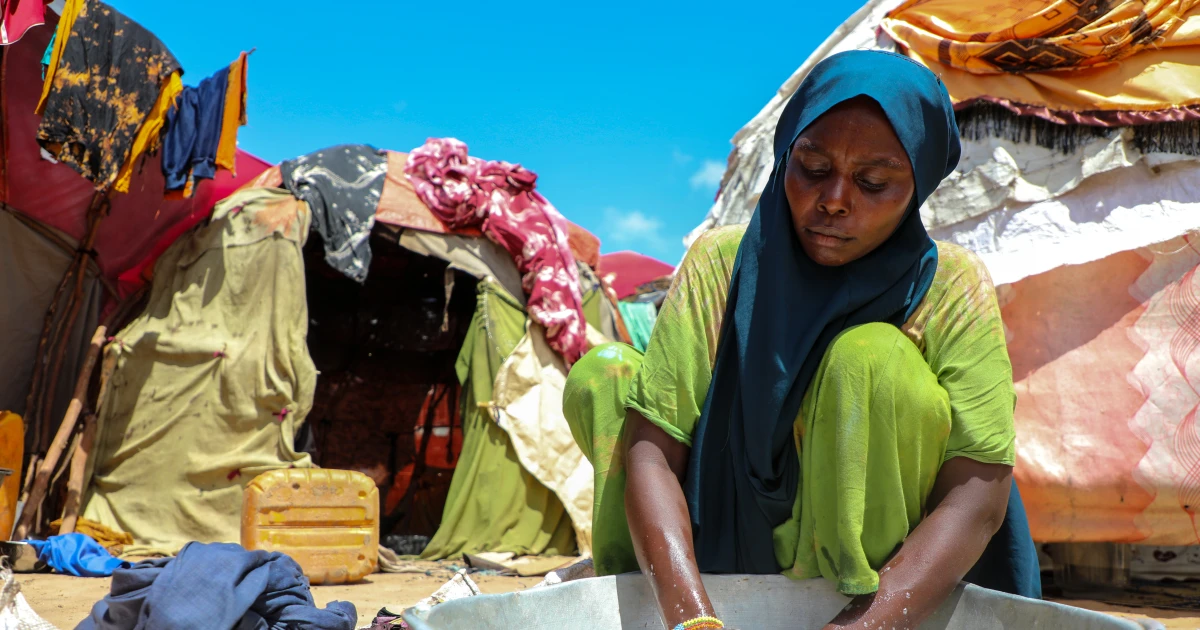
According to World Food Programme estimates, 45 million people are at risk of slipping into the most acute levels of food insecurity as a domino effect of the Middle East war, and joining the 318 million people already affected by food insecurity around the world.