Audio By Vocalize
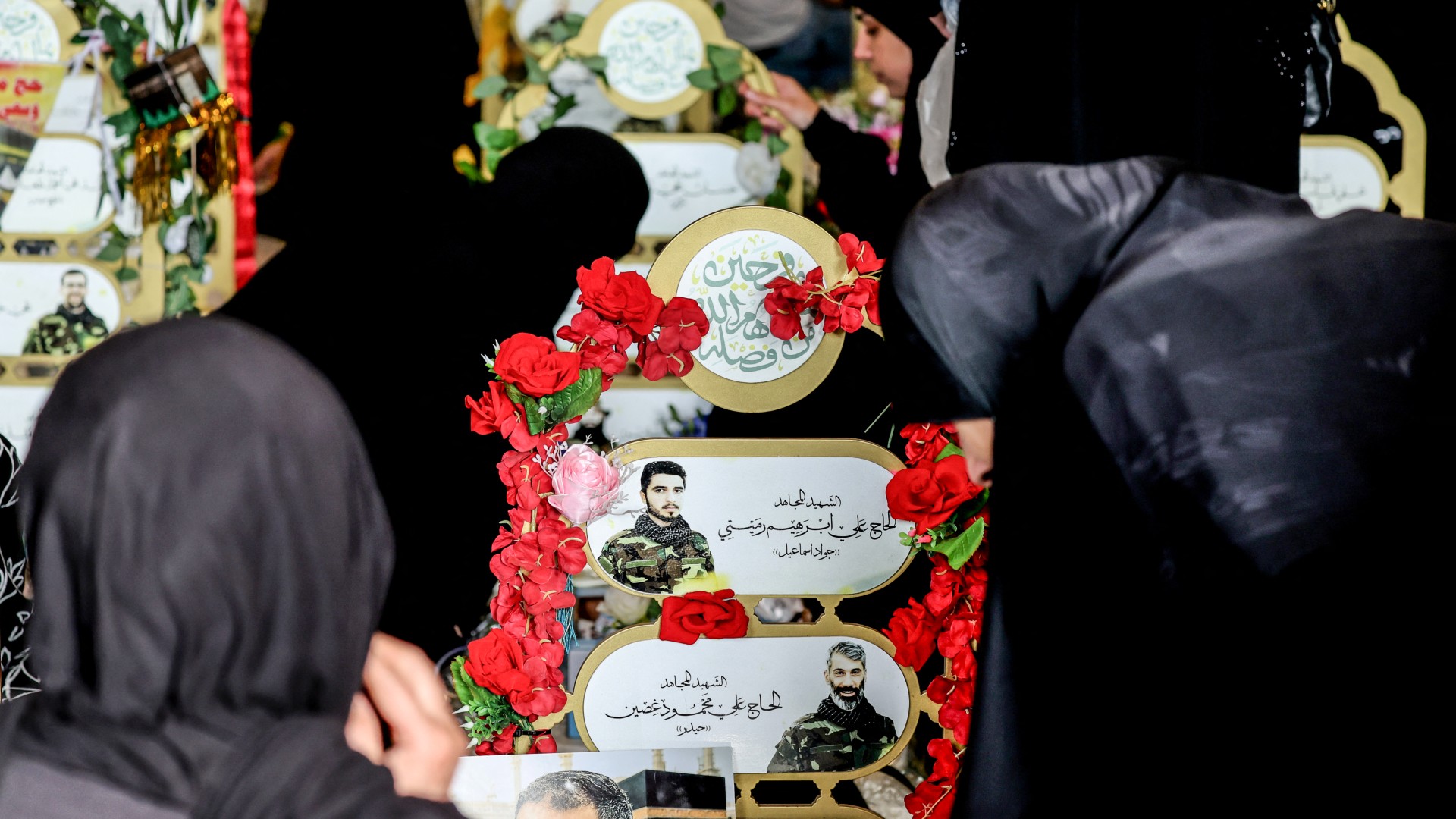
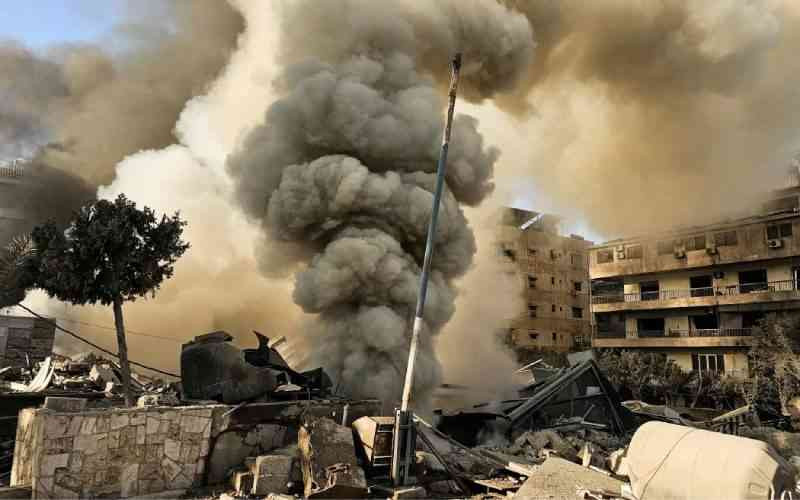
Smoke rises from the site of an Israeli airstrike on the southern suburbs of Beirut on March 3, 2026. [AFP]
The ongoing Middle East crisis is rapidly becoming more than a geopolitical conflict for Africa. It is exposing one of the continent’s greatest economic and strategic weaknesses: heavy dependence on imported refined petroleum products, despite possessing enormous oil and gas resources of its own. In several African cities, long queues of motorists have already formed at fuel stations as supply uncertainties trigger panic buying and rising prices.
Transport costs are increasing, electricity generation is becoming more expensive in some countries, and businesses are beginning to feel the pressure of higher operational costs. In some urban centres, protests linked to rising fuel and transport prices have emerged, reflecting growing frustration among citizens already struggling with the high cost of living. If the disruptions persist, they could increase economic pressure on households and governments, with potential risks to social and political stability.
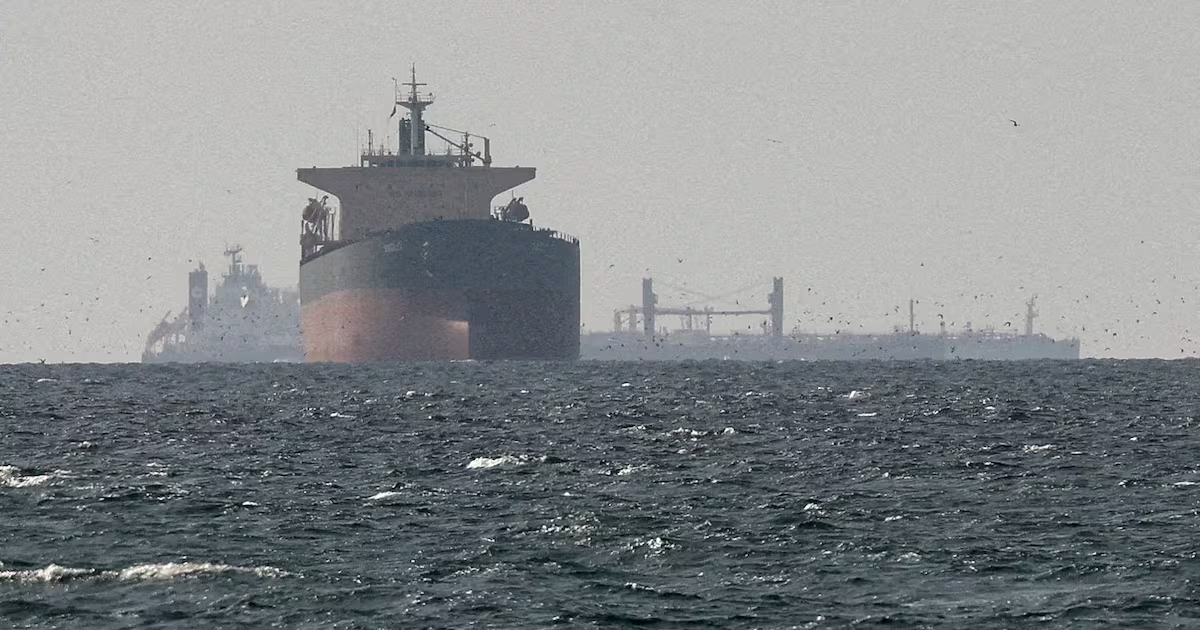
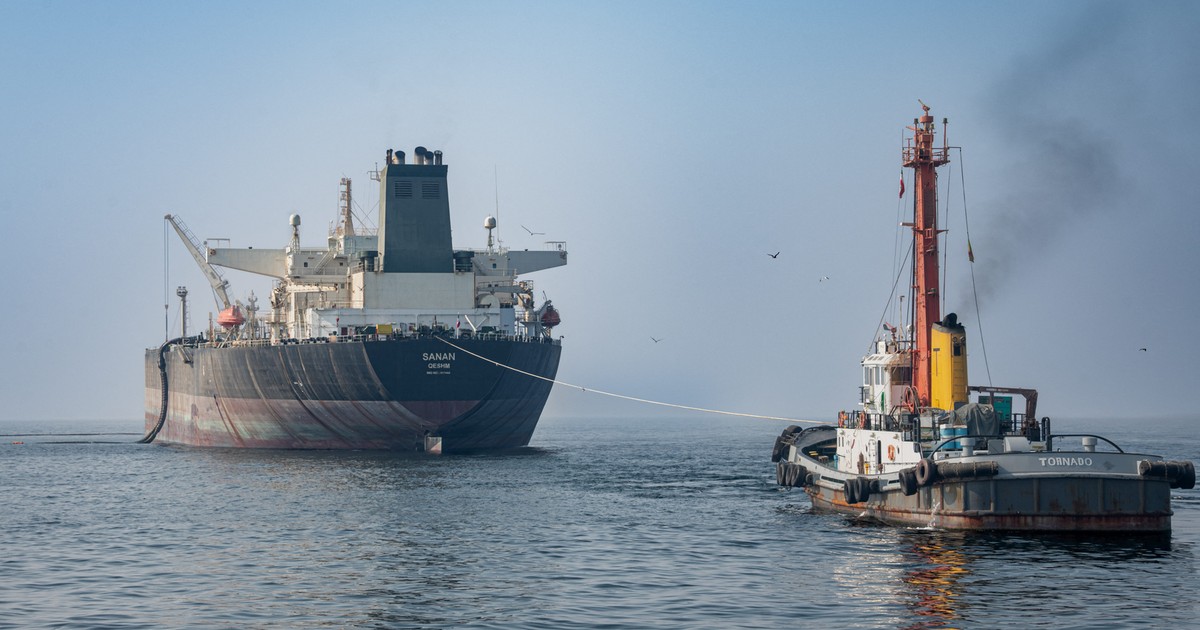
Africa is actually exposed to an estimated 600,000 barrels per day of petroleum products, which are typically transported from the Middle East into African markets, particularly diesel, petrol and aviation fuel. East Africa alone sources nearly 80 per cent of its refined petroleum products from Gulf suppliers such as Saudi Arabia, the United Arab Emirates, Kuwait and Oman. Any disruption in the Strait of Hormuz, Red Sea shipping lanes or Gulf supply chains therefore immediately affects African economies through shortages, delayed deliveries and rising costs.