Story audio is generated using AI
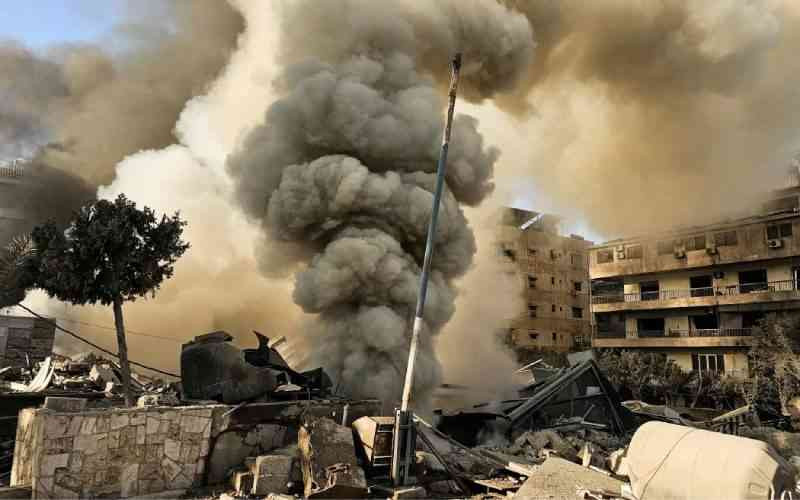
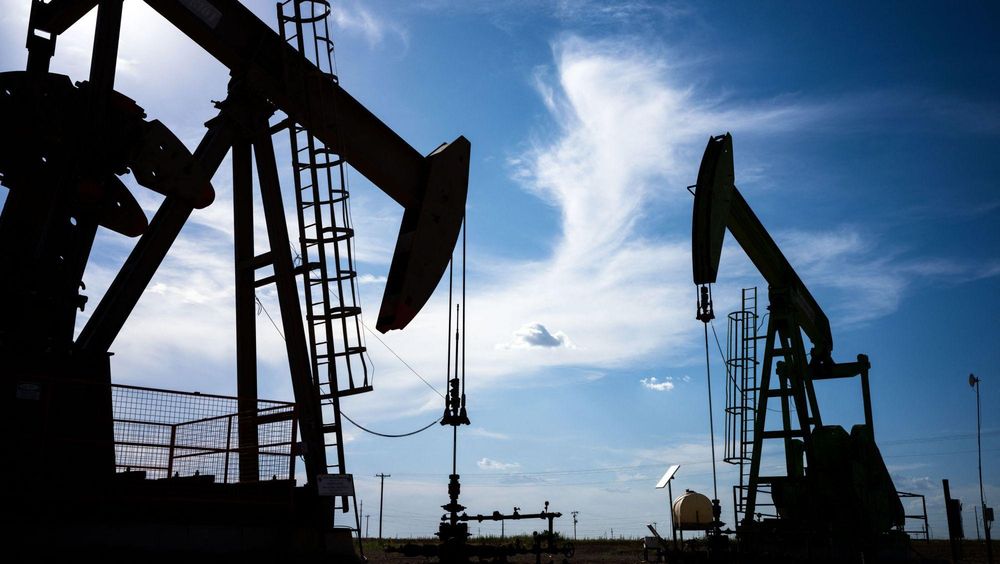
Economies in sub-Saharan Africa have broadened access to funding in recent years but still face the challenges of limited equity capital and debt, which come at a high cost. The war in the Middle East has made the situation worse with higher energy prices, inflation and other issues for hydrocarbon importers — which the majority of these economies are.
A borrower’s cost of debt mostly reflects a country’s interest rate environment, but also its mix of funding sources. The interest rates that banks and nonfinancial companies pay are influenced by a country’s policy rates and sovereign borrowing costs, though conditions in specific markets may loosen the link. In South Africa, Kenya and Nigeria, banks mostly rely on deposit funding, with a component of savings and term deposits which makes their cost of funding sensitive to policy-rate movements. Companies typically borrow at local policy rates plus a margin that depends on their credit quality.
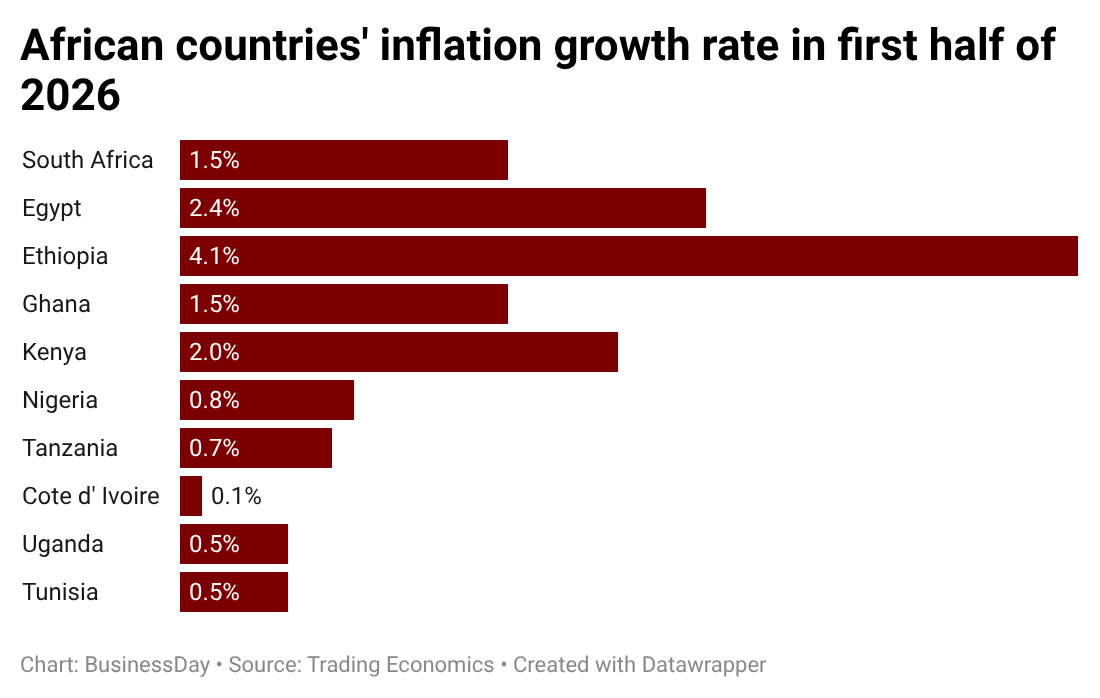
Across Sub-Sharan Africa, higher oil prices will halt a slowdown in inflation, posing risks to economic activity, especially for hydrocarbon importers. Most central banks in sub-Saharan Africa will face pressure to raise interest rates, contrasting with the monetary easing cycle of the previous year. The conflict will also put pressure on currencies, which may further fuel inflation.