Adil Edin / Unsplash
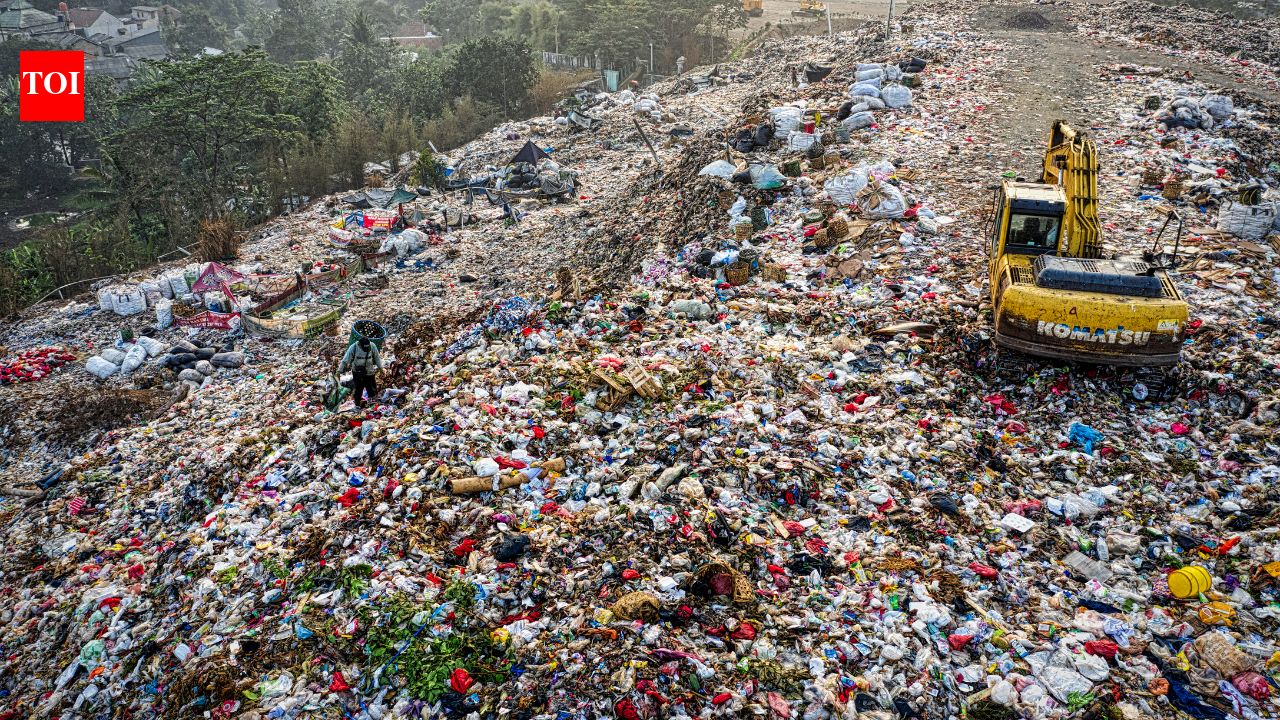
Americans generate 47 million tons of recyclable material every year and recover just 10 million tons of it. The rest disappears into a system that loses material at every stage — the home, the sorting facility, the export dock, the incinerator — and has been losing it at roughly the same rate for a decade, according to The Recycling Partnership's 2024 State of Recycling report. The national recycling rate sits at 32%. It was 35% in 2017. The infrastructure built to close that gap has not been funded. The habits assumed to drive it never fully formed.
Stagnation is part of what's driving investment in AI-powered waste sorting. The companies behind it are building technology to extract value from a broken system, not repair it. To understand why those failures persist, it helps to trace where the material actually goes.
The biggest loss happens before any truck pulls up. Of everything that goes unrecycled, 76% is never collected at all. Every other failure in the system — the contaminated bale, the overseas shipment that never sailed — is a rounding error next to that.
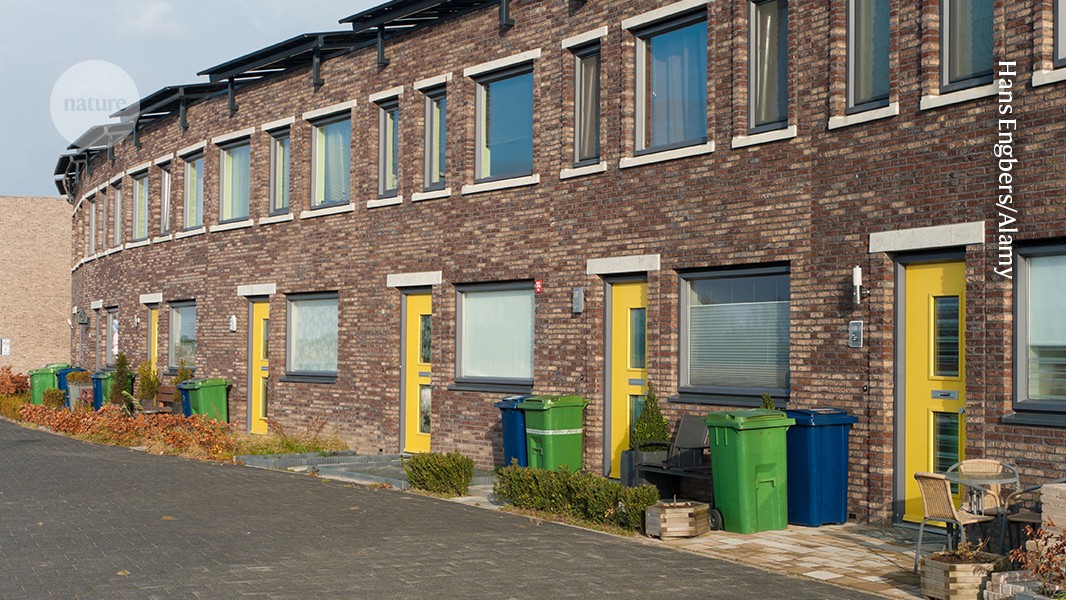
While 73% of U.S. households have some form of recycling access, that figure drops to 37% for multifamily homes such as apartment buildings, condos, and duplexes. About 20 million households, or 63% of all multifamily residences, are simply cut off. Even among those who do have access, only 59% actually use it. And those who do use it put a little above half of their recyclable material in the right bin.