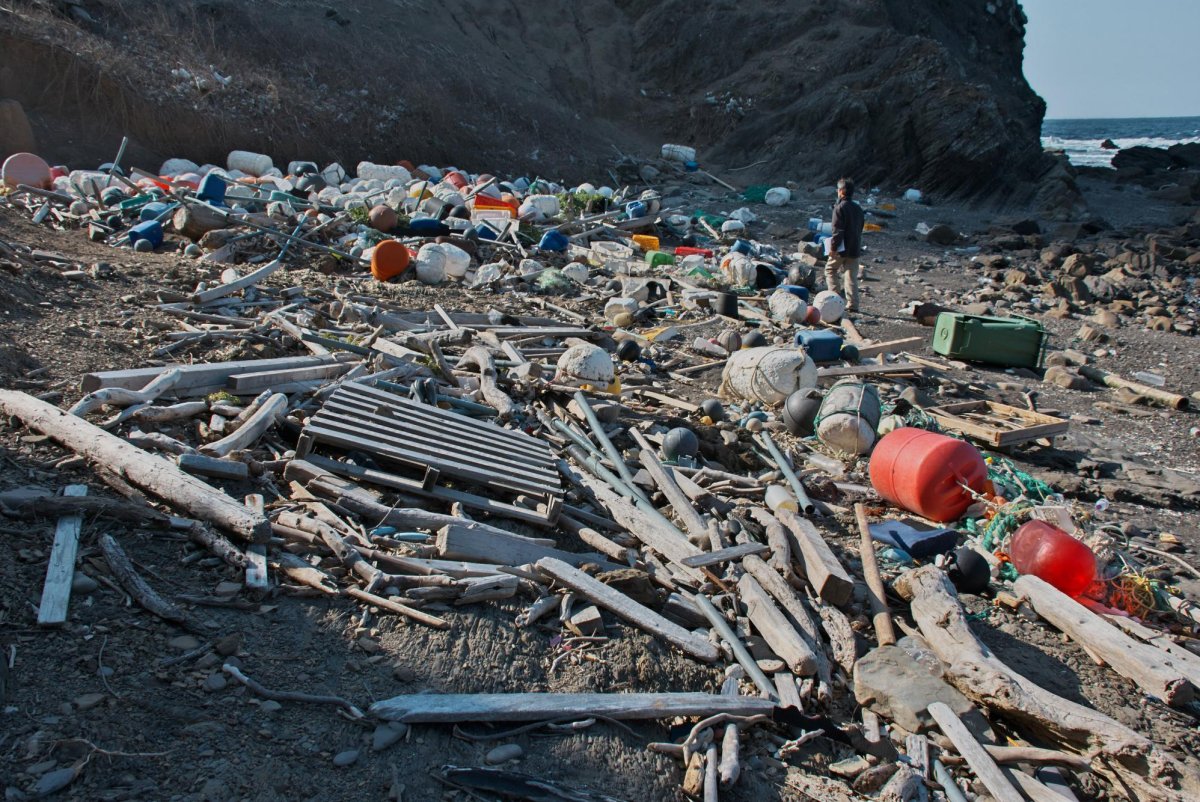
Drifted marine plastic wastes at the Kujika beach in Japan's Tsushima, Nagasaki-Prefecture, in 2023. File Photo by Keizo Mori/UPI | License Photo
Picture a pile of trash the size of Manhattan and taller than one and a half Empire State Buildings. That's how much plastic waste the world is predicted to be generating every year by 2050 if nothing is done to change course.
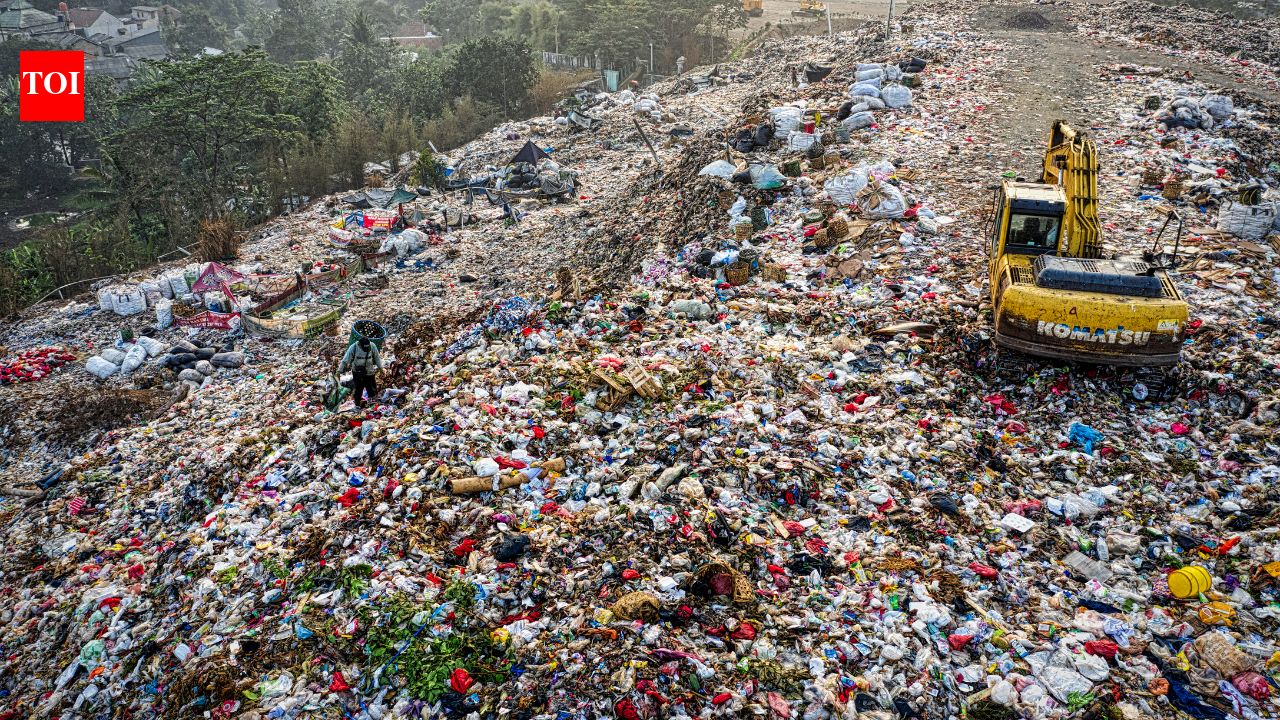
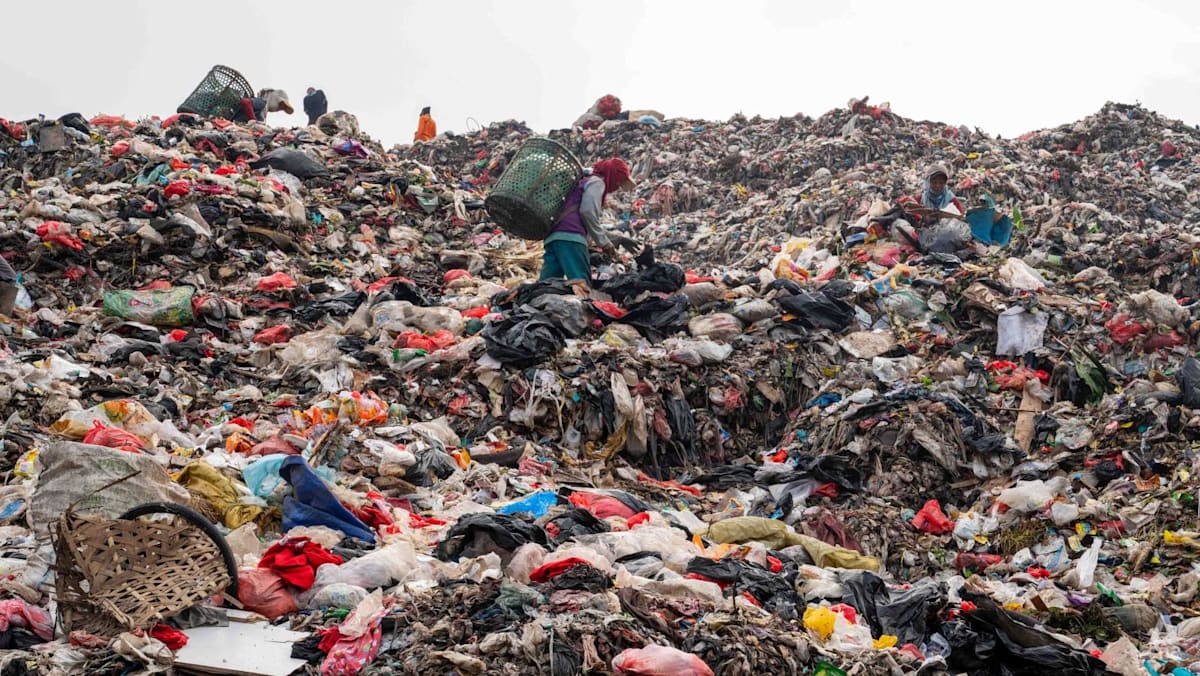
It's easy to think of recycling as the solution, but the vast majority of plastic waste now ends up in landfills, or worse.
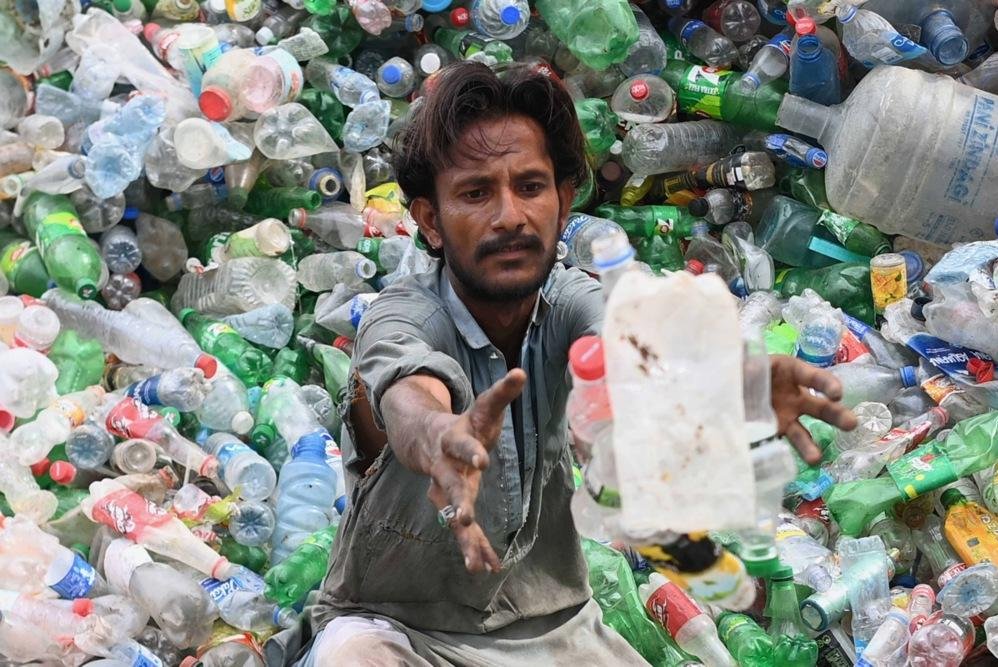
A large amount of plastic waste gets shipped overseas. In a new study, my colleague and I analyzed what happens when plastic waste is shipped to lower- and middle-income countries, where open burning is a common way of dealing with excess waste. The result, we found, is pronounced increases in toxic air pollution.
Plastic waste burning and health impacts