The Organisation for Economic Cooperation and Development says that, despite the huge environmental issue, ways to curb the demand for plastics are widely underused
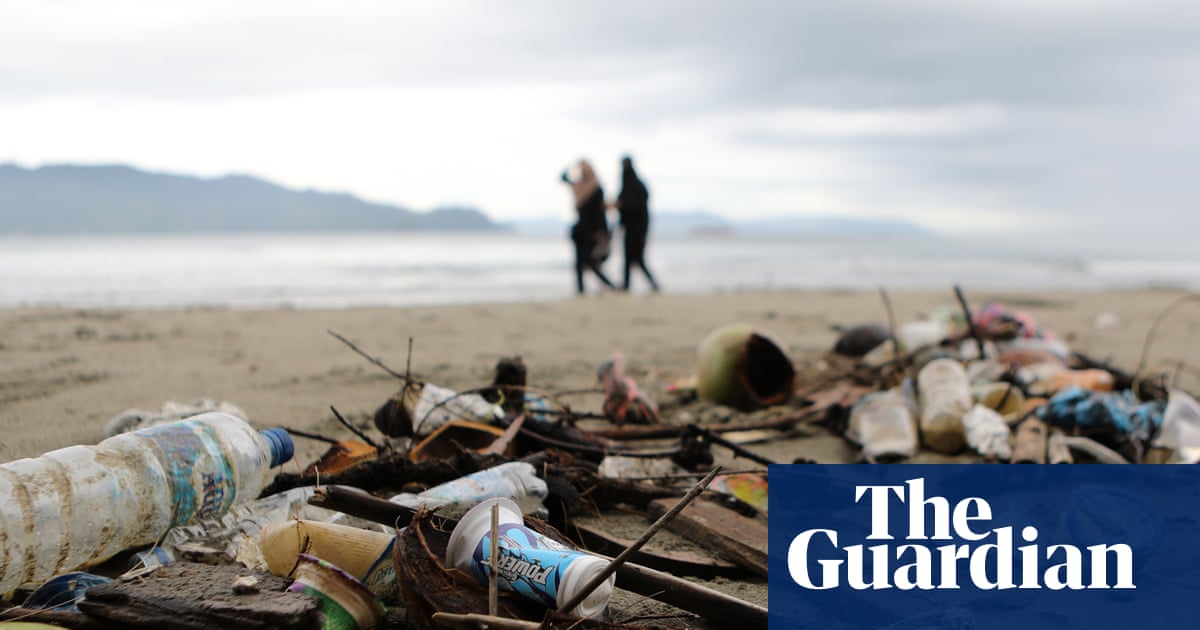
Plastic waste leakage into the environment in Southeast Asian countries, plus China, Japan and South Korea, could increase by nearly 70 per cent by 2050 from 2022 levels without effective measures to reduce the pollution, according to an OECD report released recently.
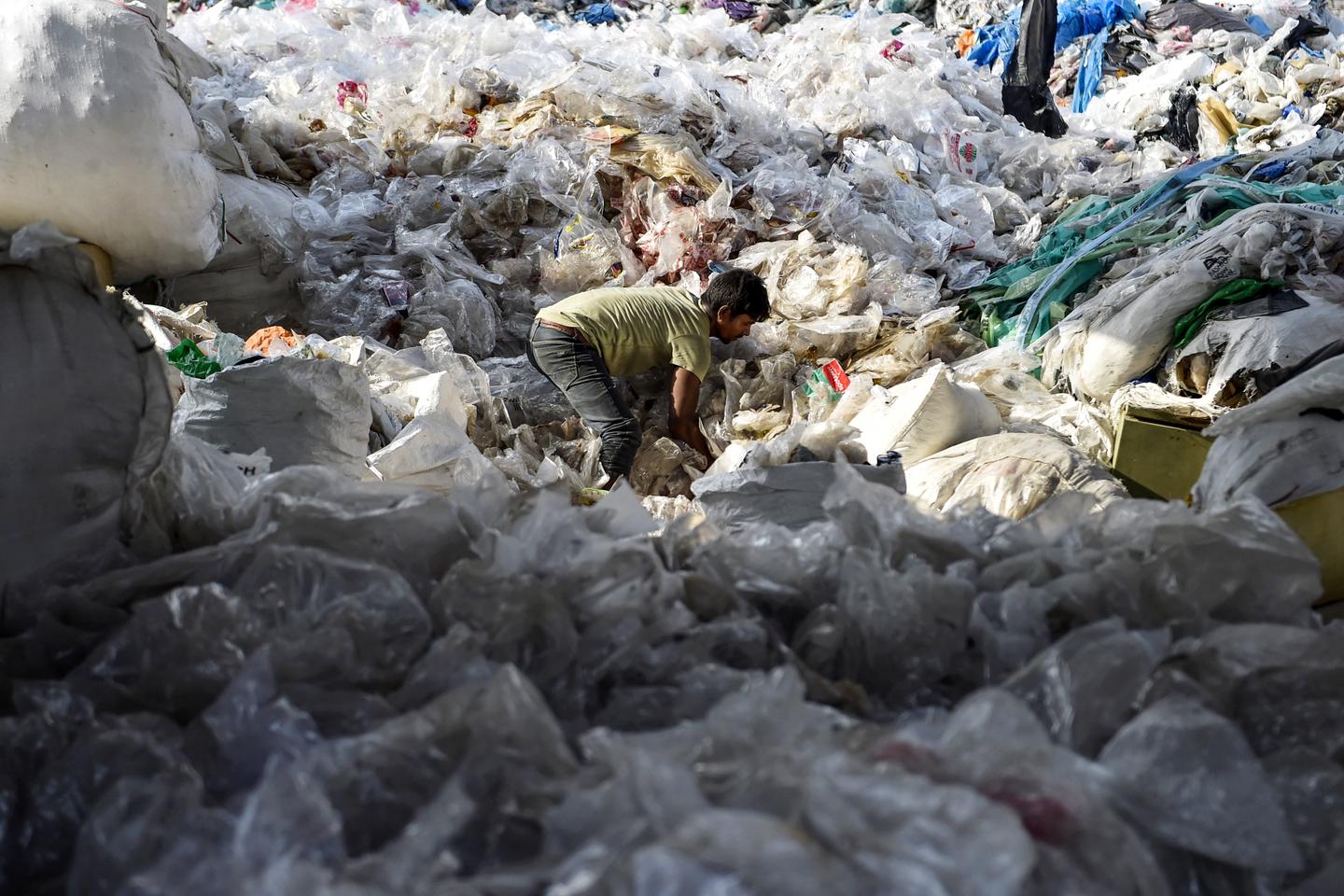
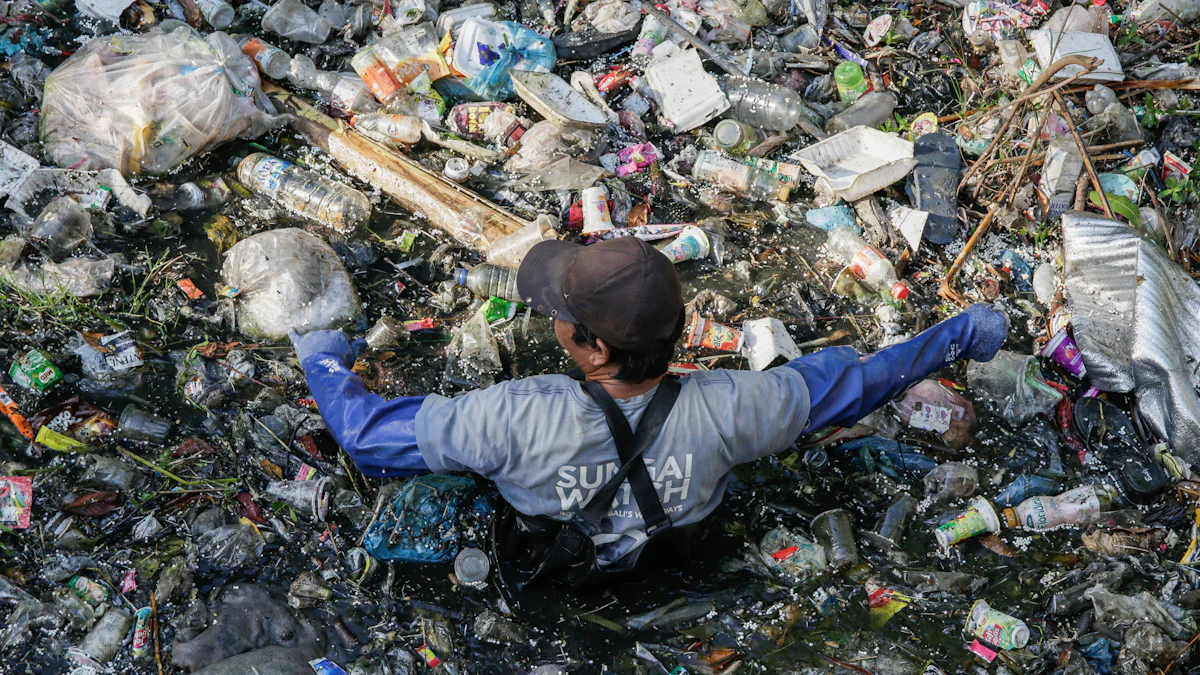
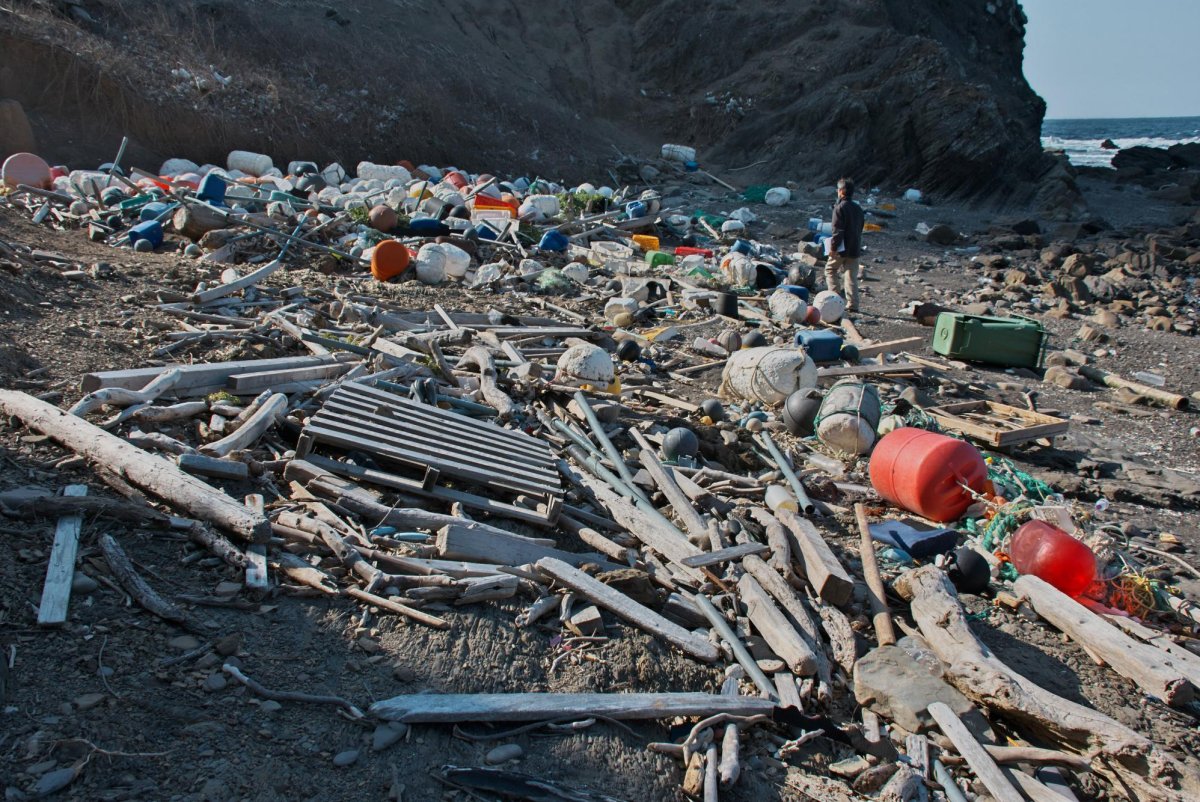
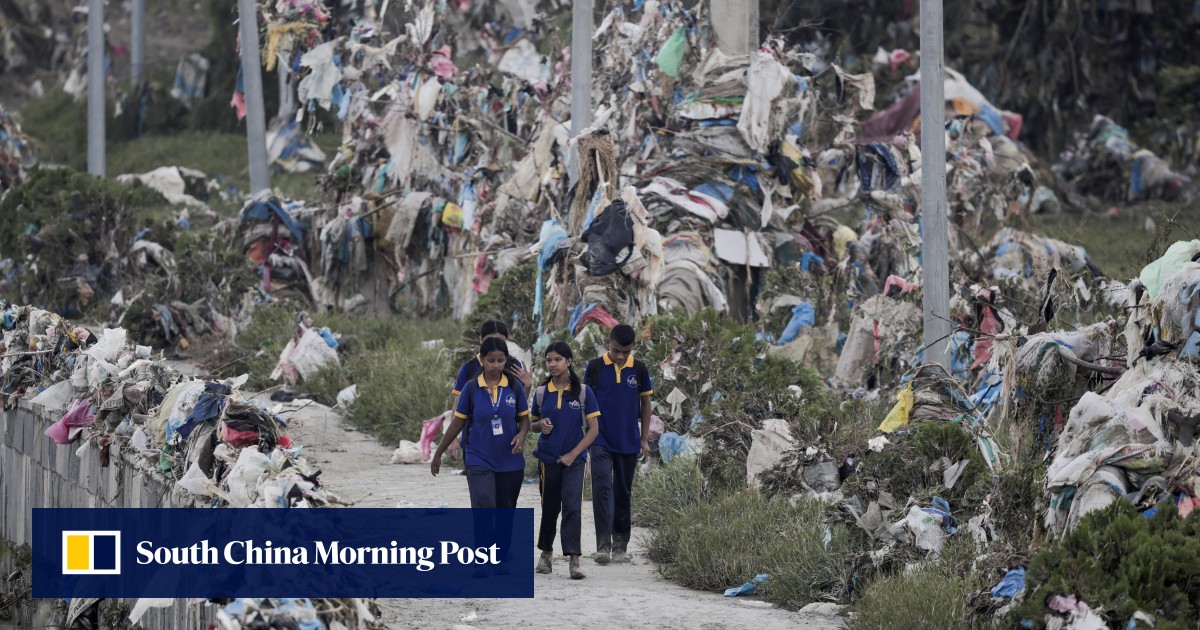
Describing the region as a “hotspot for plastic pollution”, the Organisation for Economic Cooperation and Development said in its report that mismanaged plastic waste remains a major concern, with 8.4 million tons leaking into the environment there in 2022.
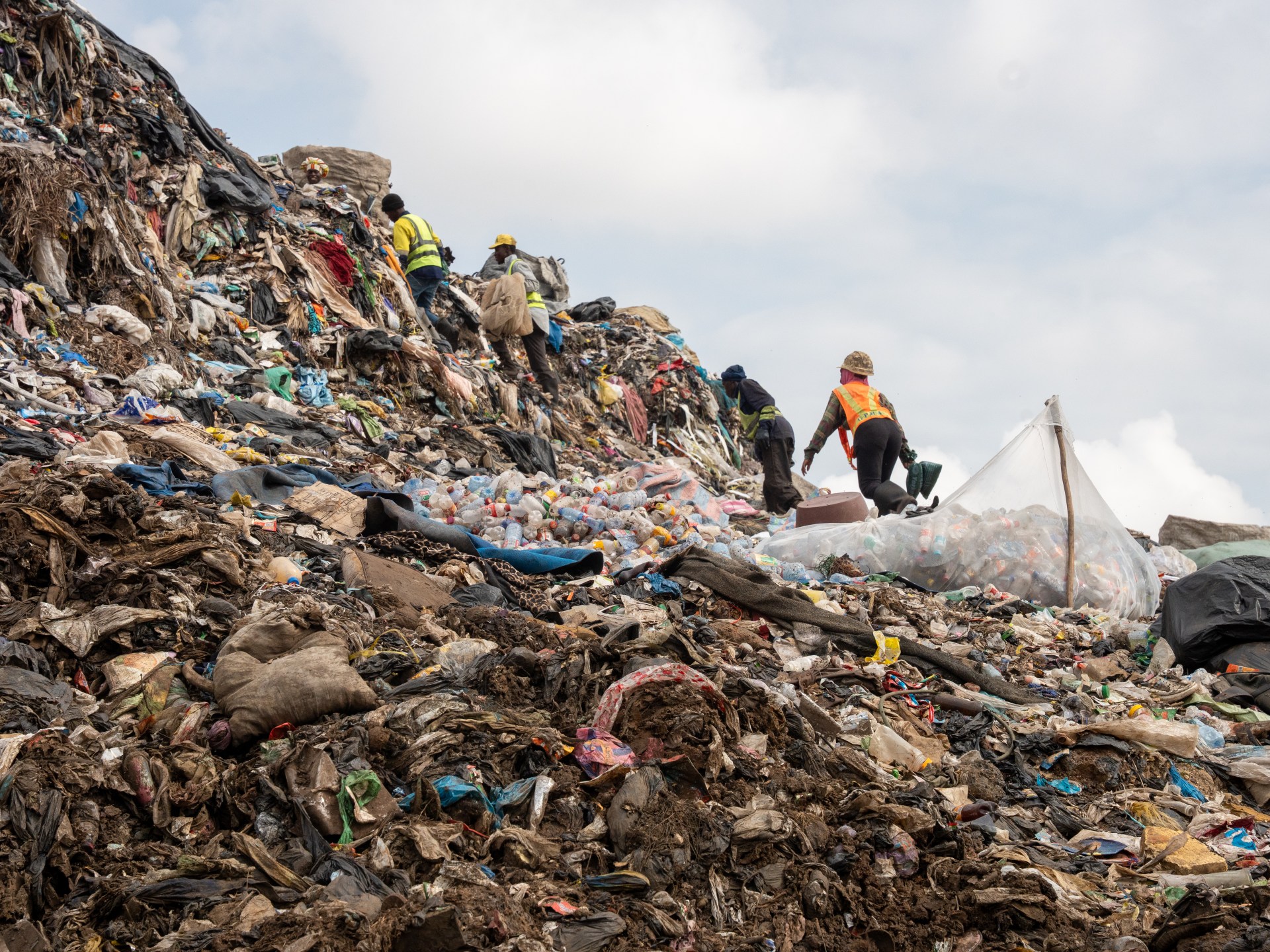
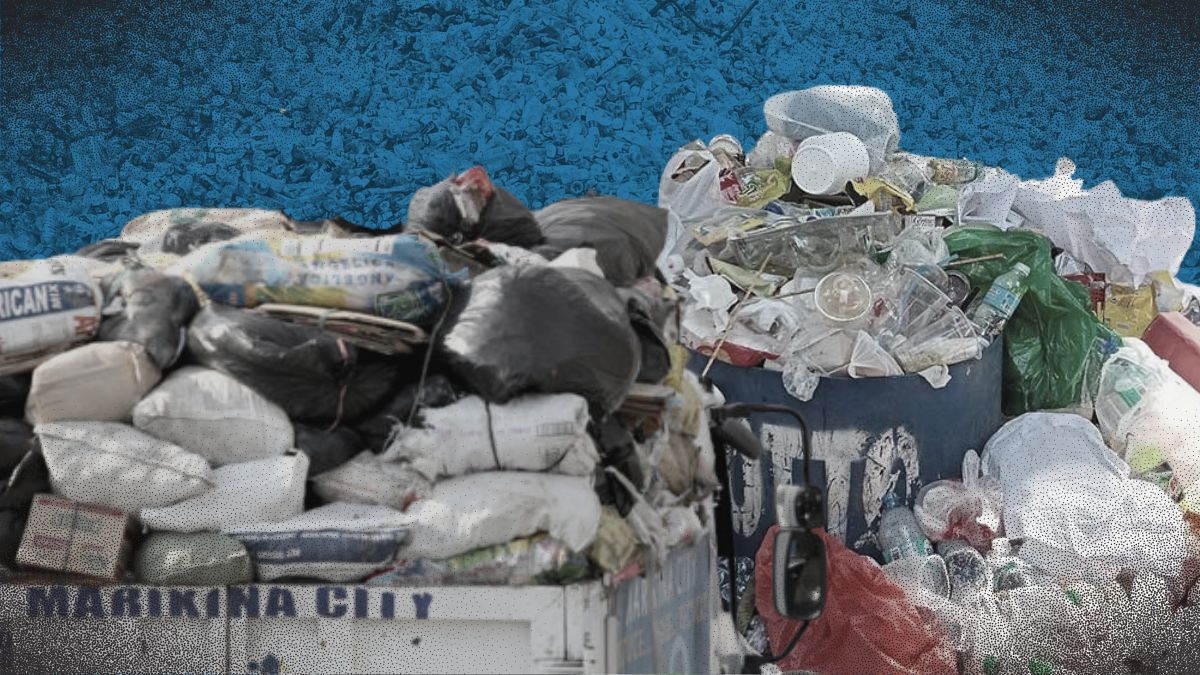
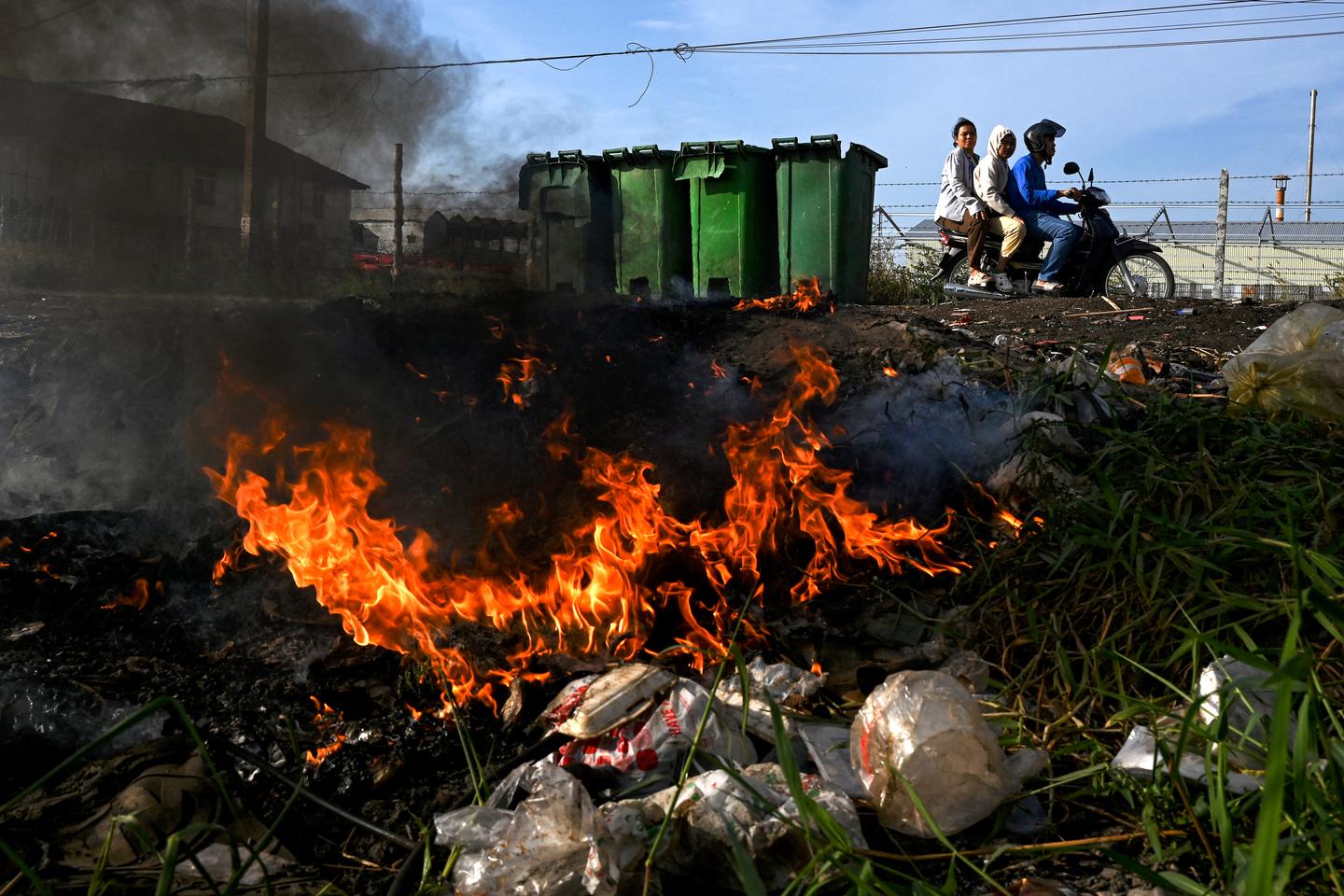
“Informal and unsafe practices, such as open burning and dumping, persist in most Asean countries and China, especially in rural areas,” the Regional Plastics Outlook said, referring to the 10-member Association of Southeast Asian Nations.
Plastic waste is a major environmental issue, polluting rivers and oceans and posing health risks to wildlife and humans as microplastics enter the body.