Delegates at UN treaty talks must not allow negotiations to be derailed again by fossil fuel interests
P
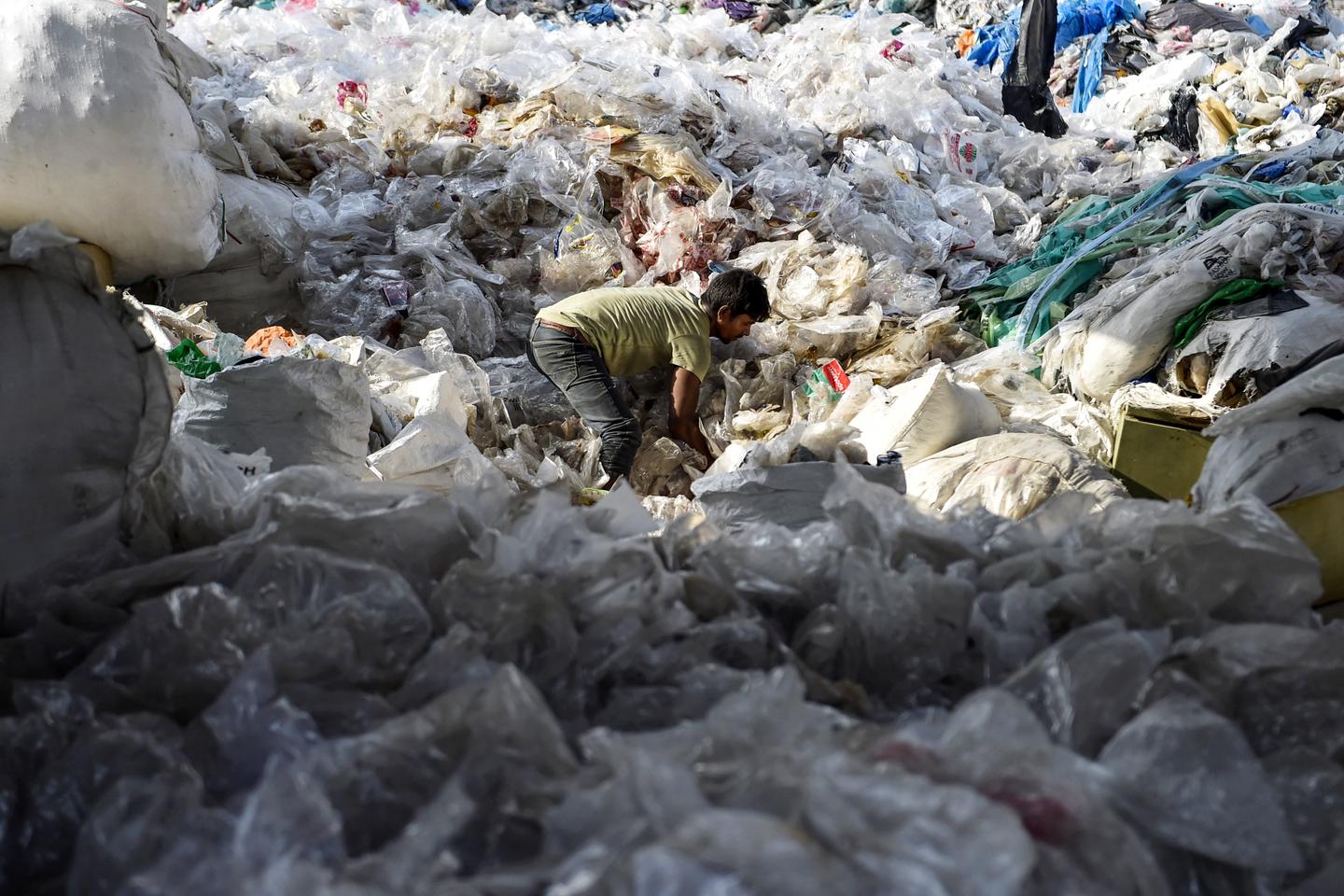
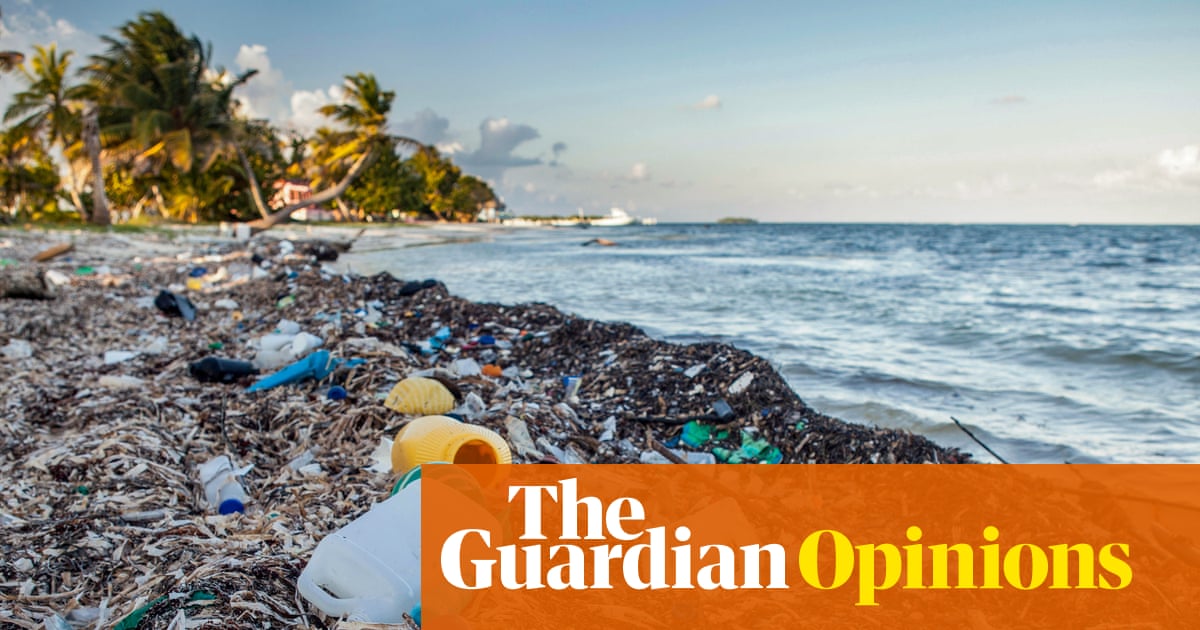
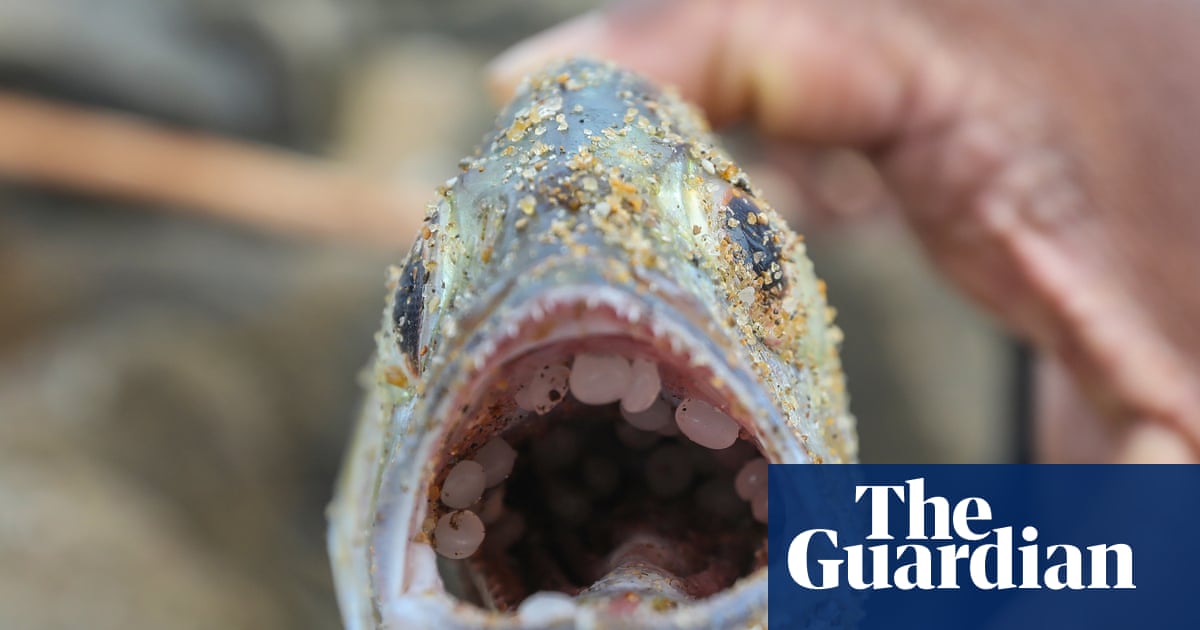
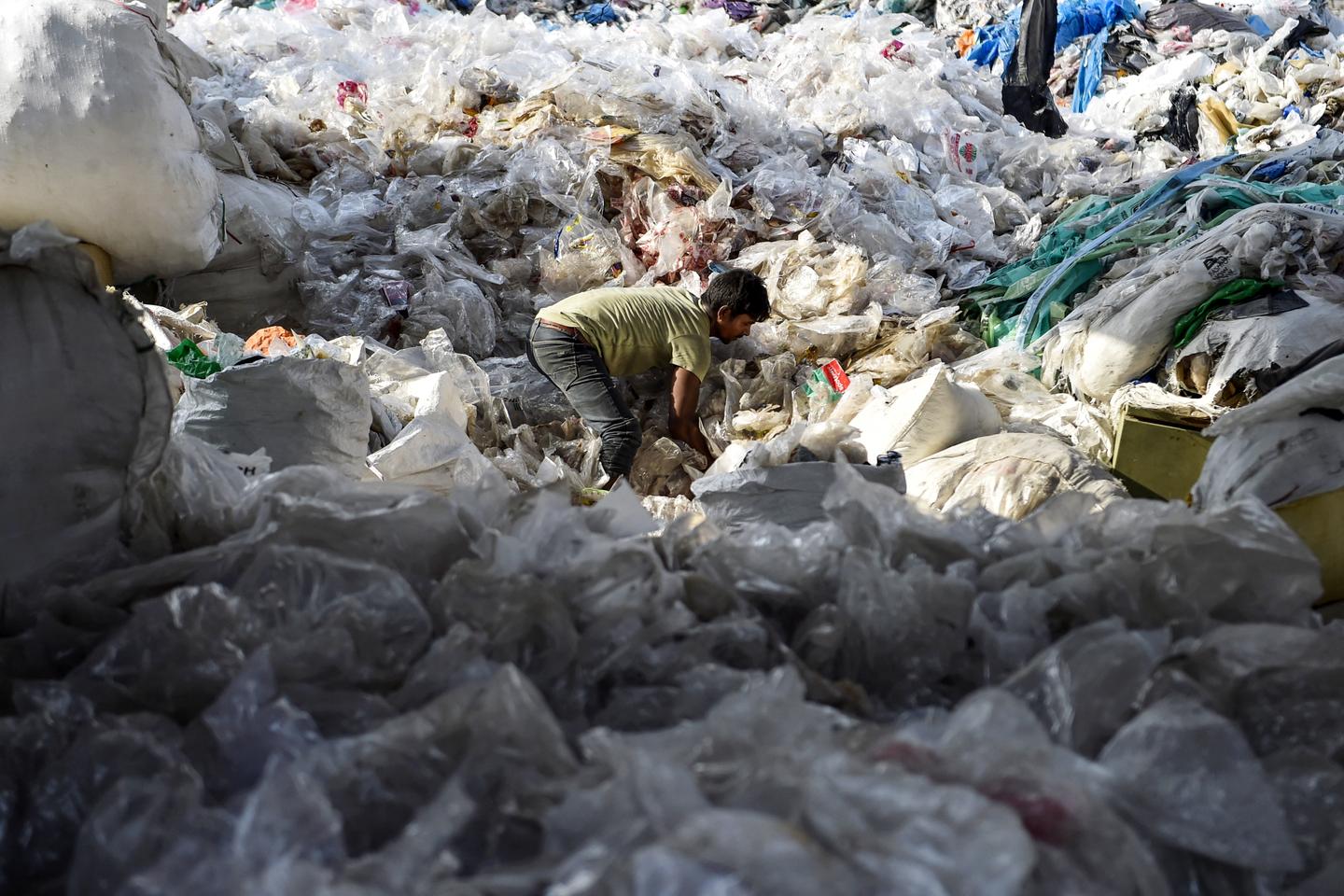
lastic pollution has reached the most remote and inaccessible parts of our beleaguered planet. It has been found in Greenland’s ice cap, near the summit of Mount Everest, and in the deepest depths of the western Pacific Ocean. Nature programmes have sounded the alarm over a human-made crisis that has become an environmental scourge and a serious threat to our health. Yet global production of plastics is on course to triple to more than a billion tonnes a year by 2060, after increasing by more than 200 times over the past 75 years.
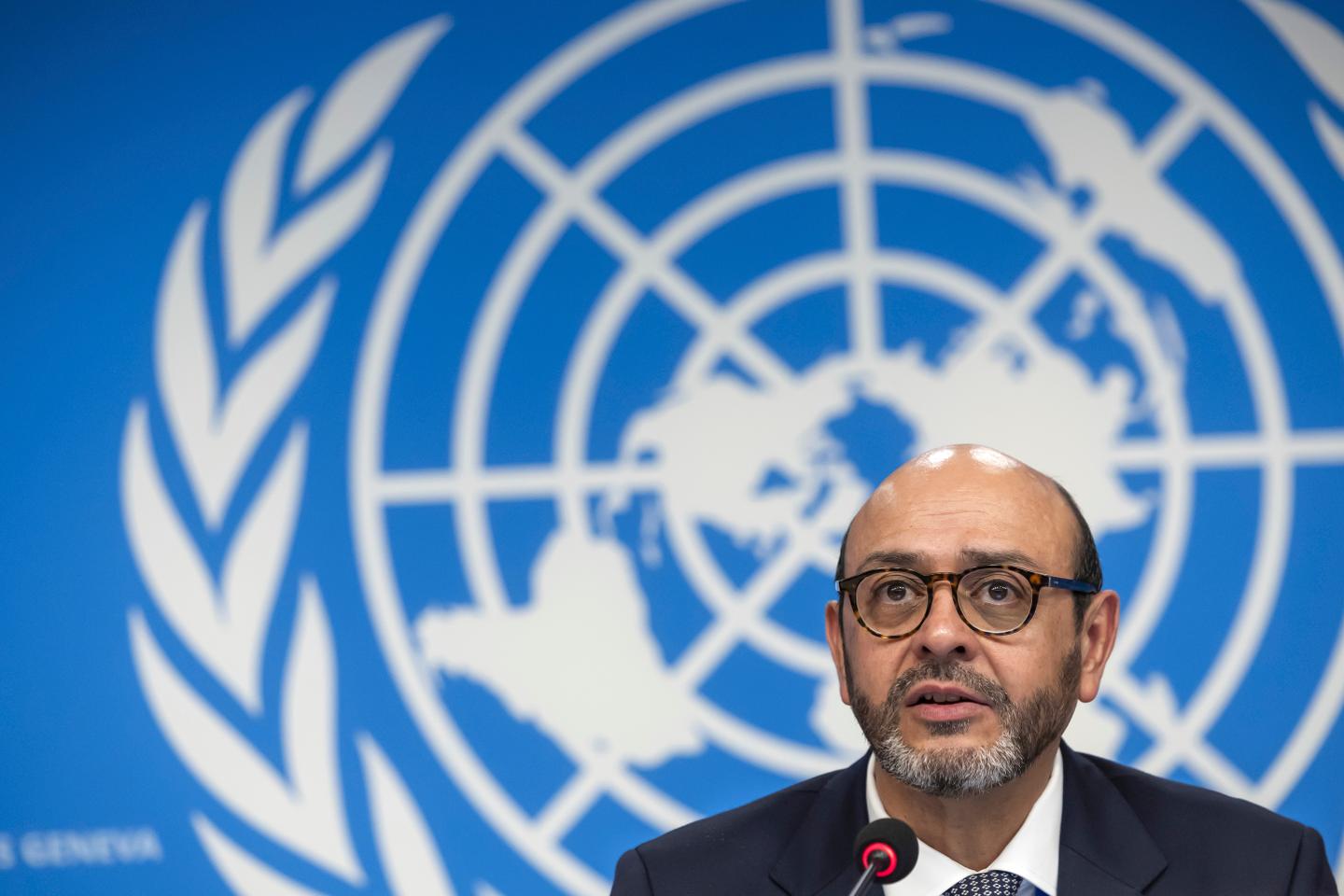
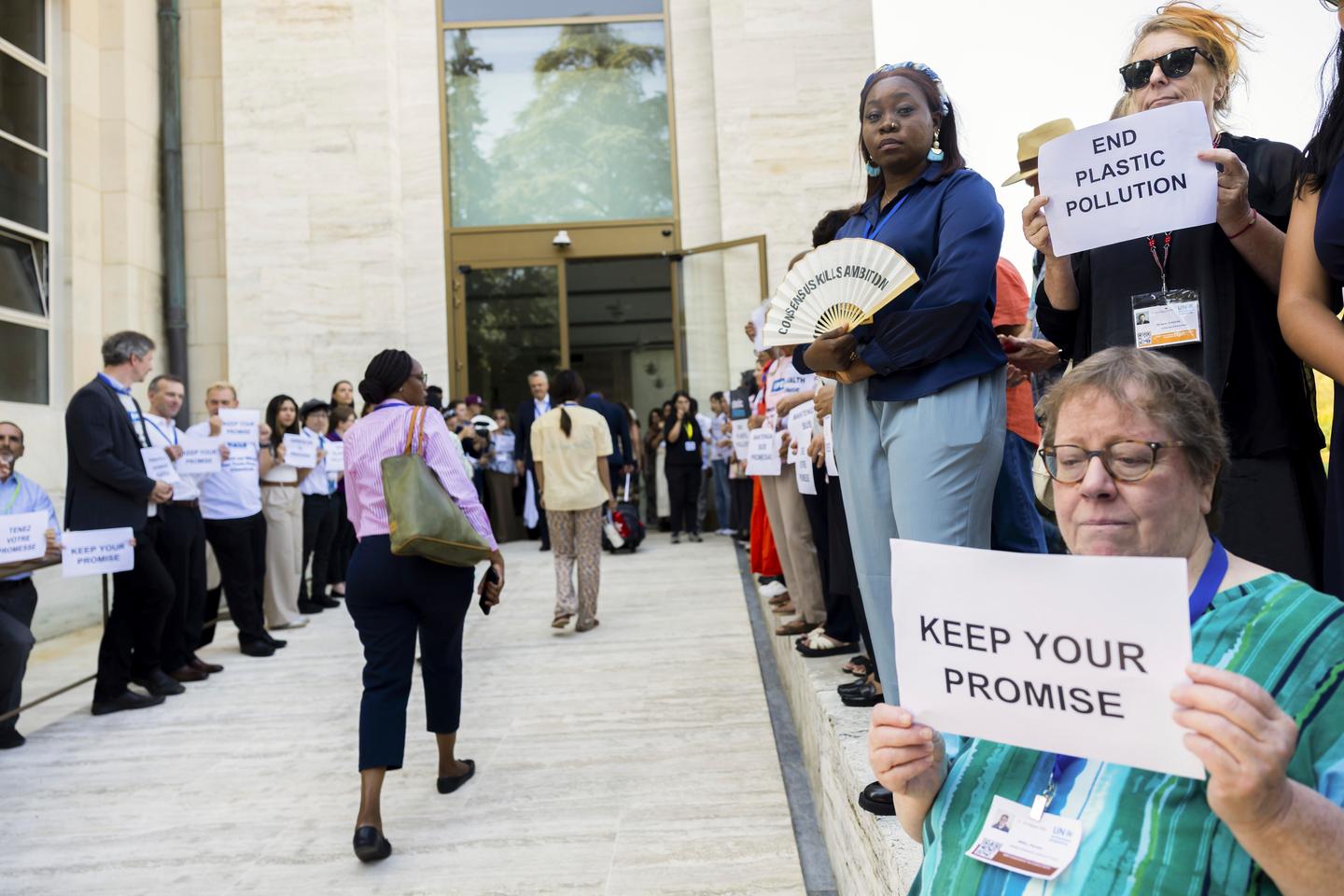
This gloomy backdrop should inject a sense of urgency into UN-convened talks in Switzerland this week, aimed at agreeing a binding global plastics treaty. In 2022, when 173 countries committed to work towards such an accord, there was widespread relief that at last a multilateral route was to be taken towards solving a quintessentially global problem. Sadly, as delegates gather in Geneva, there are reasons to be fearful.
As major oil-producing countries seek to circumvent the consequences of the green transition, the fossil fuel-based manufacture of plastics has become a key battleground. During five rounds of negotiations, over three years, a “petrochemical bloc” led by Russia and Saudi Arabia has stalled and obstructed attempts to agree a reduction in production. And as a recent investigation by the Guardian laid bare, corporate capture of the talks has also become a significant problem. Industry lobbyists have sought to dominate and divert the debate, promoting implausible panaceas in the form of new recycling technologies and other mitigating measures.