https://arab.news/6t2hd
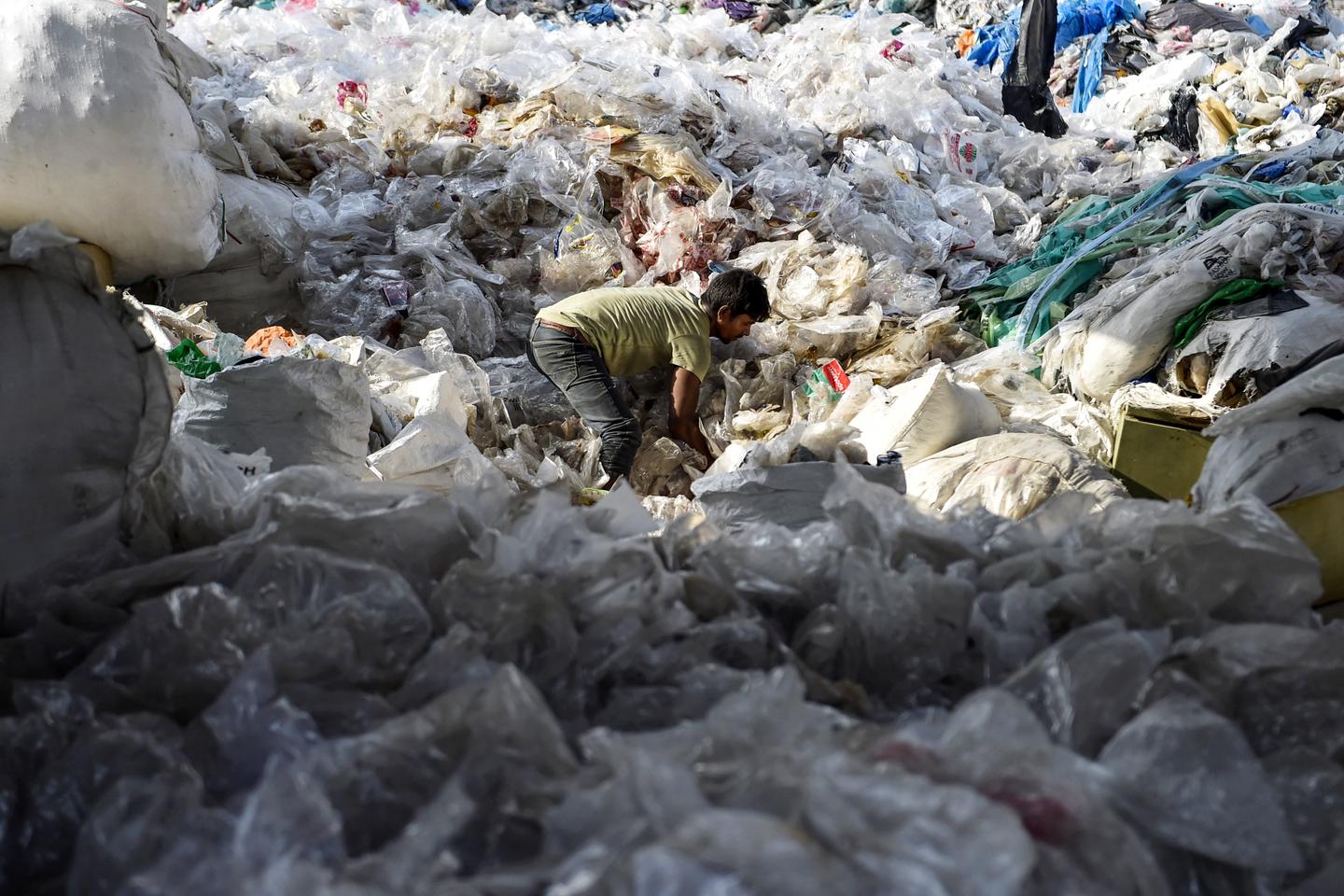
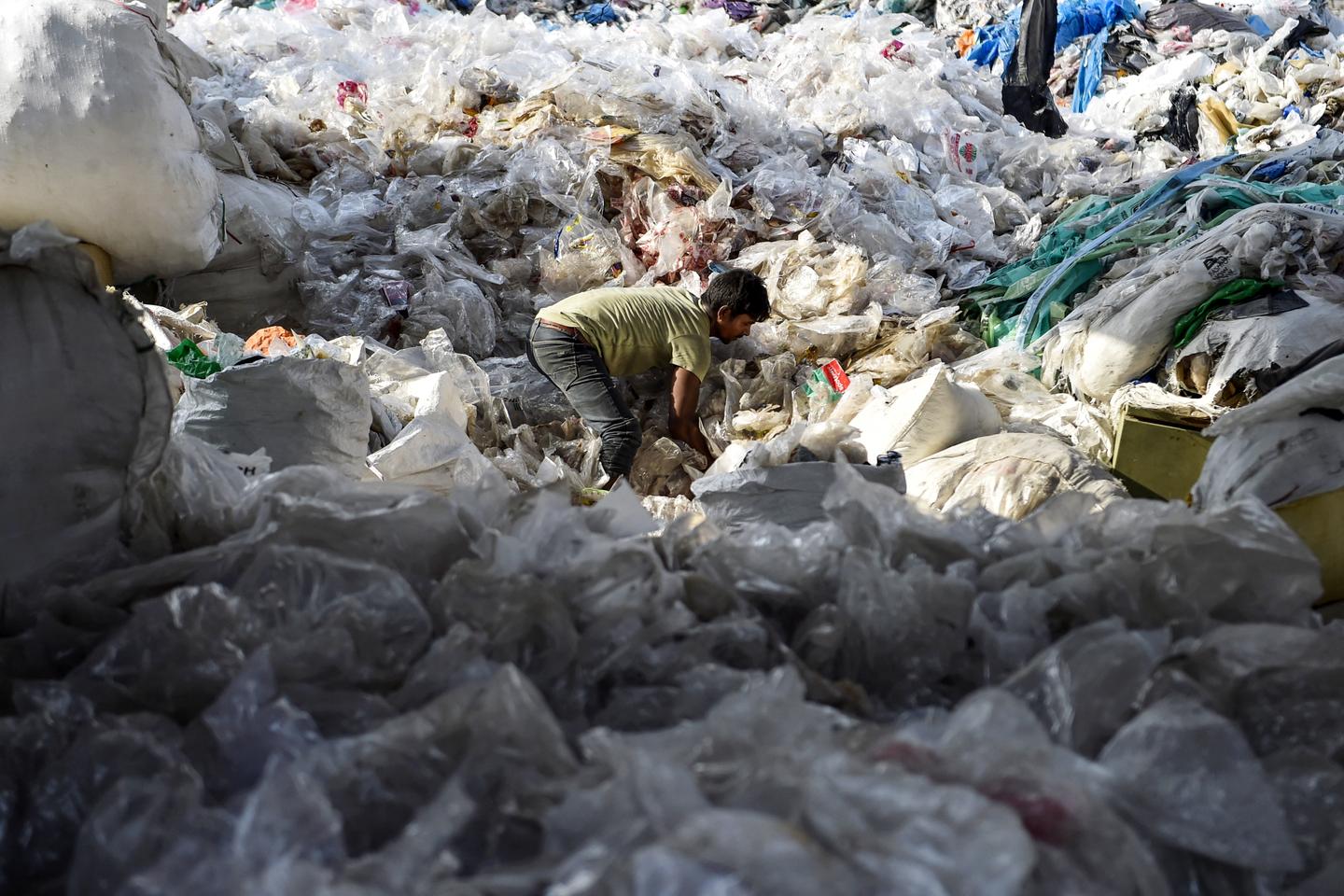
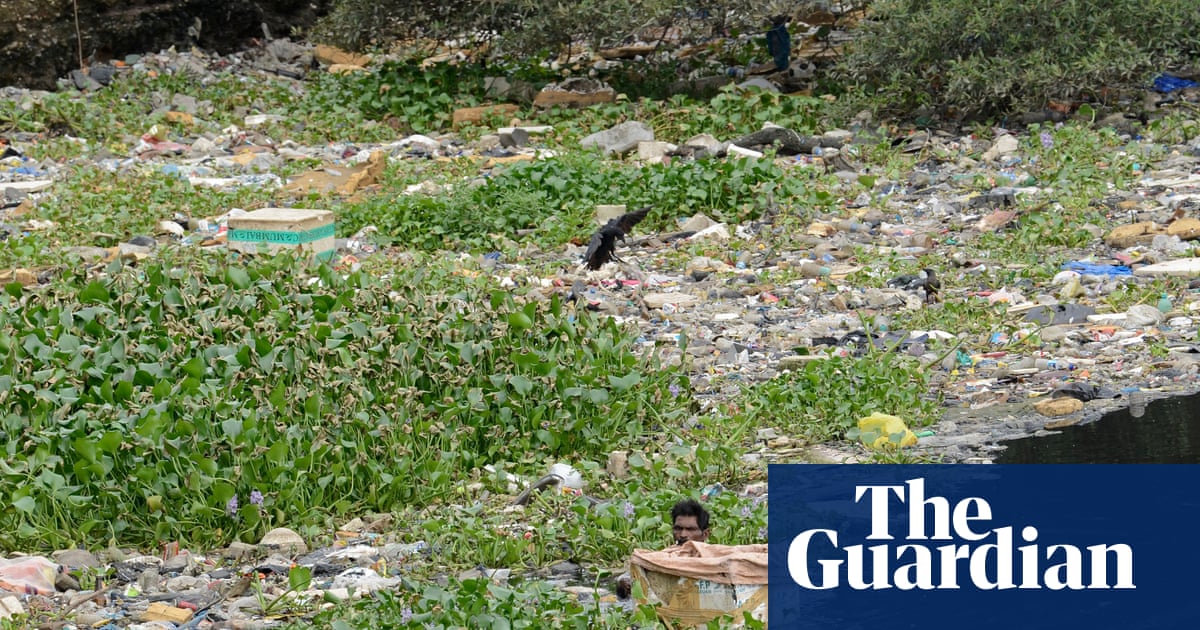
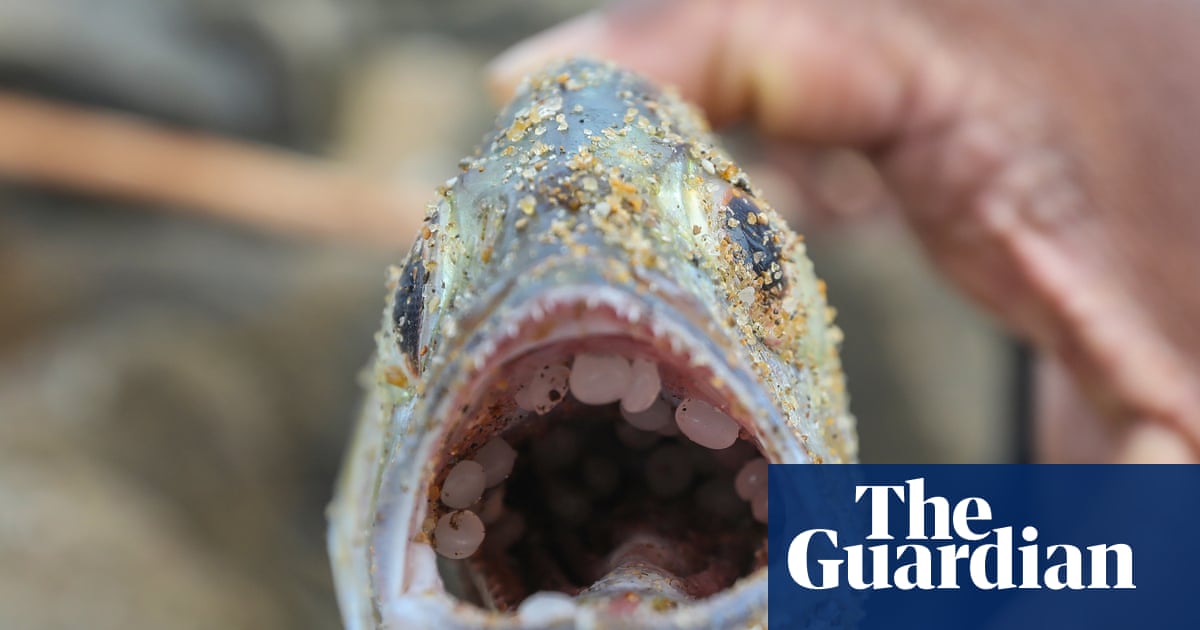
No one can contest the fact that plastic and microplastics have been found in Arctic sea ice, the bellies of whales, Earth’s atmosphere and oceans, as well as human blood vessels and digestive systems. That is why governments have been for years under increasing pressure to unite in action against this global threat but to no avail.
A recent study by The Lancet, a highly respected British medical journal, warned that plastic pollution is a “grave, growing, and under-recognized danger” to human health that is causing disease and death from infancy to old age, and costing the world at least $1.5 trillion a year in health-related economic losses.
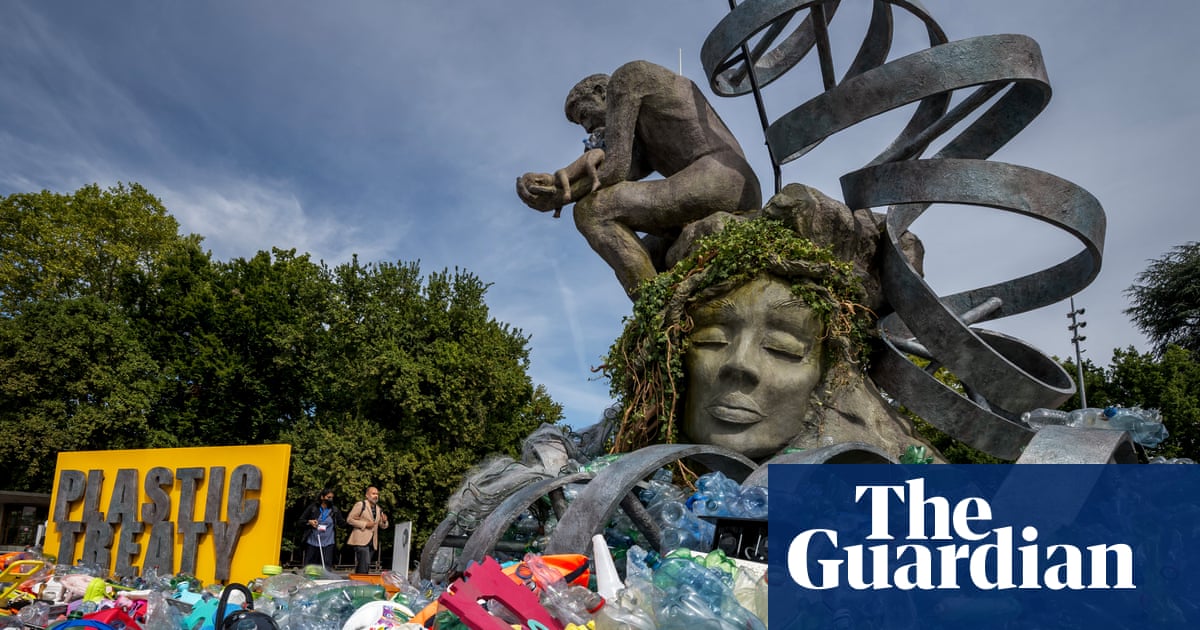
The report comparing plastic to air pollution and lead said that the impact on health could be mitigated by laws and policies. But talks this week in Geneva on a global treaty on plastics may well fail — as have the previous five meetings convened by the UN — for lack of consensus between over 180 nations on whether to endorse a pact to limit production and phase out harmful chemicals from the manufacturing process, or to focus only on recycling and treating waste, better recycling, and future technological breakthroughs to decompose plastic harmlessly.