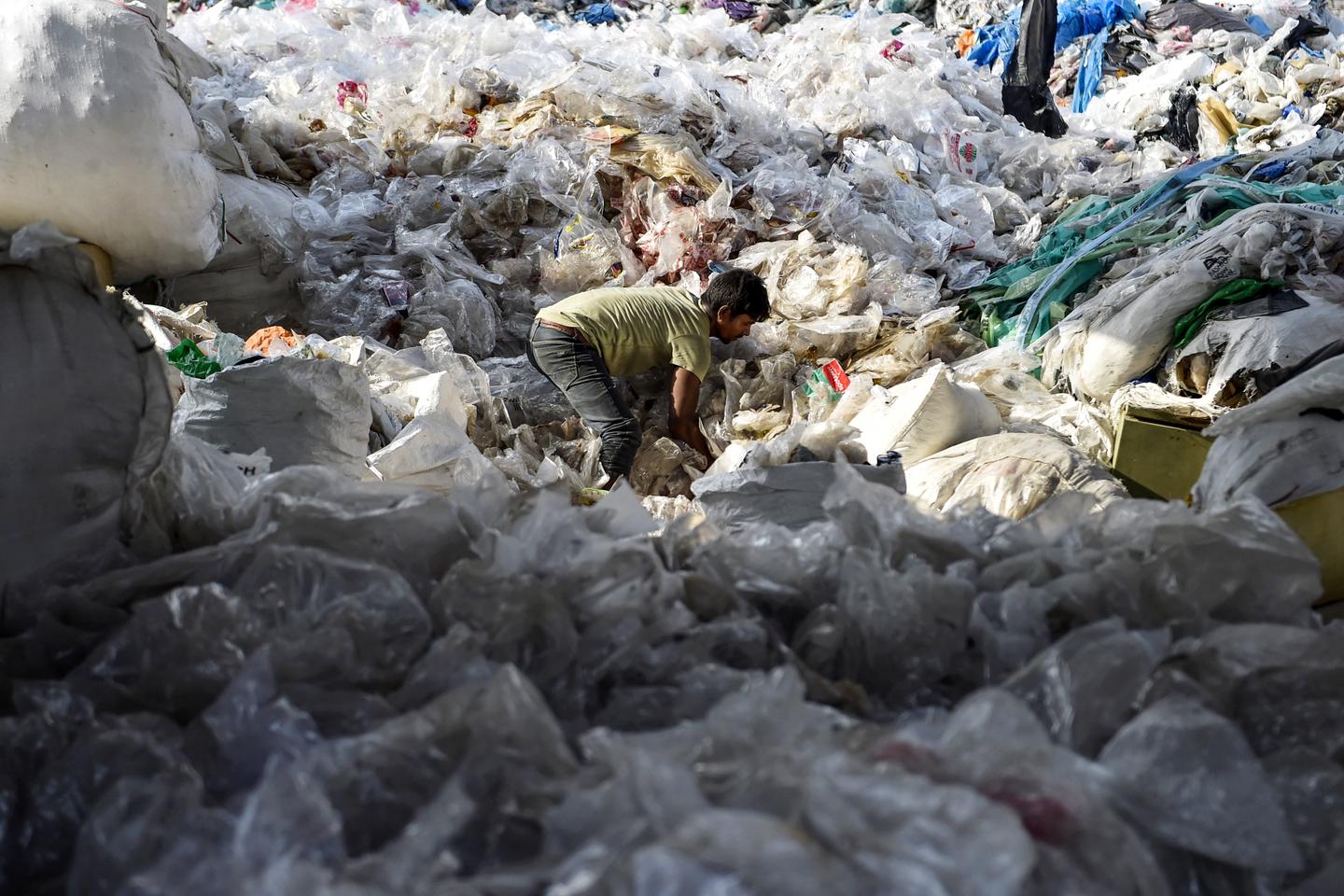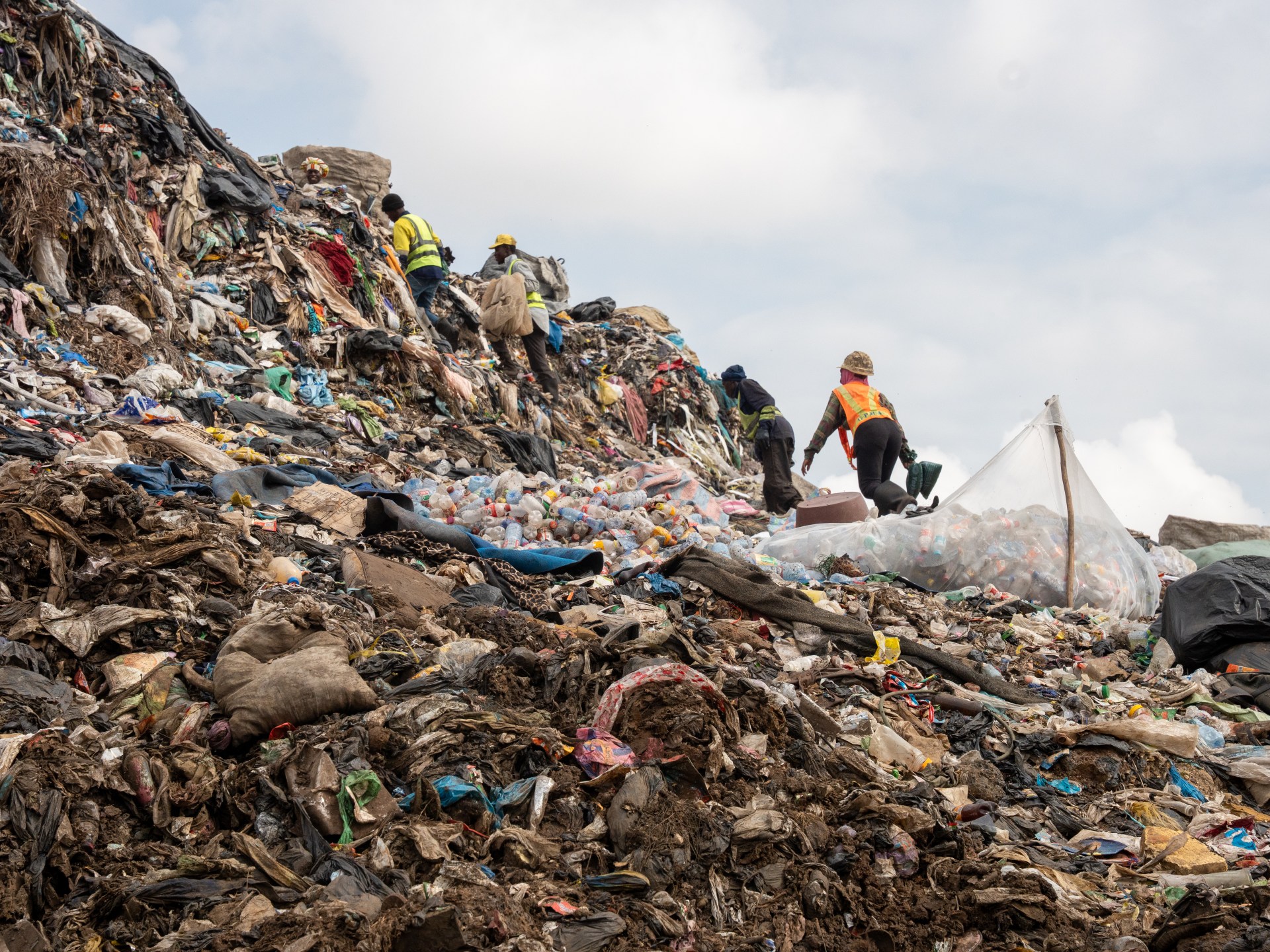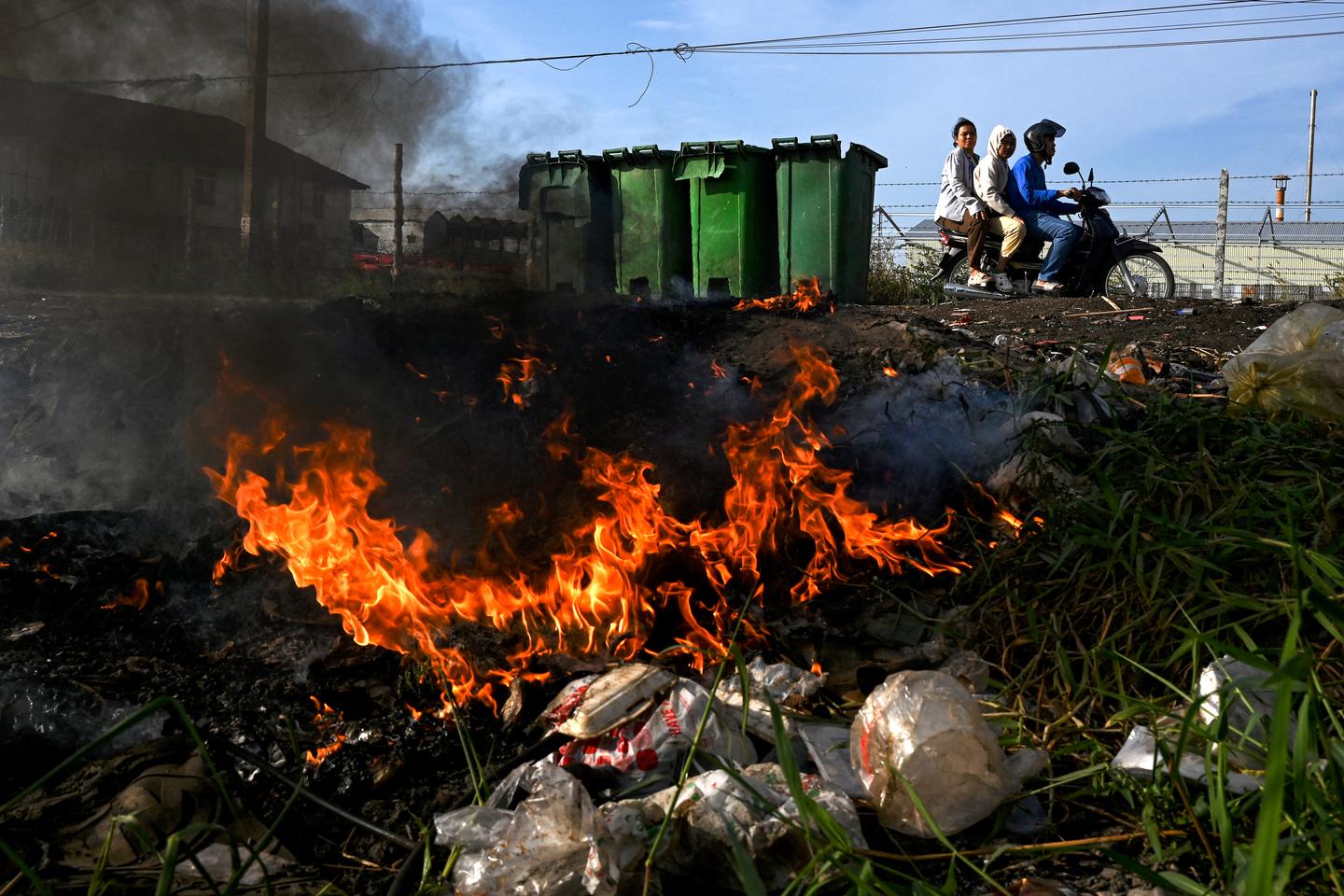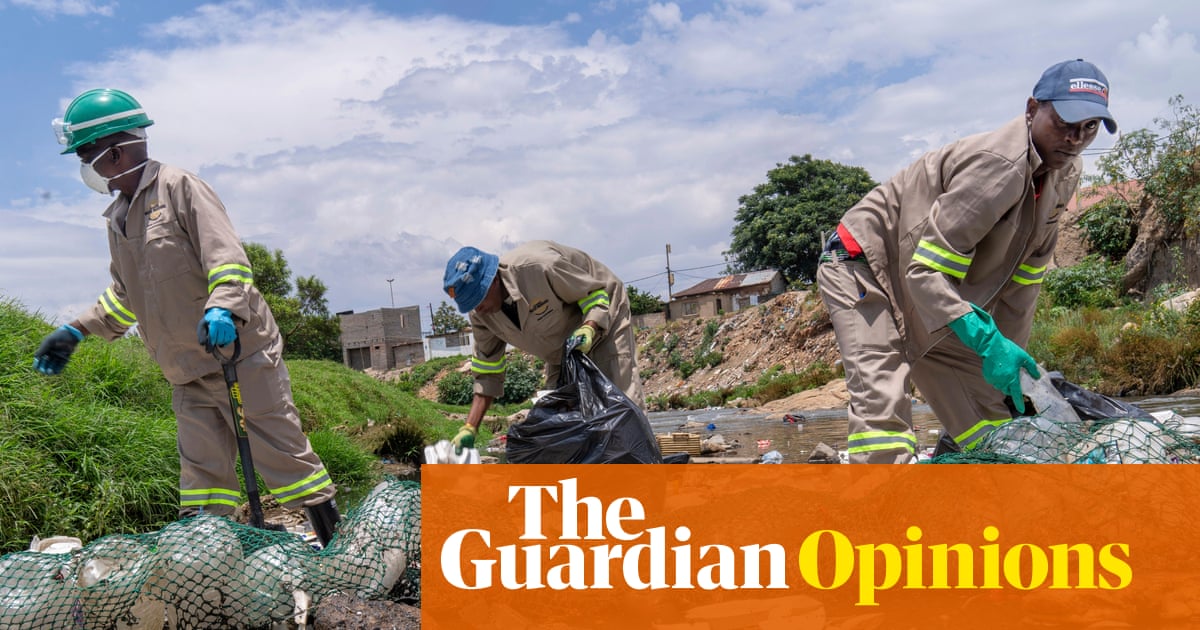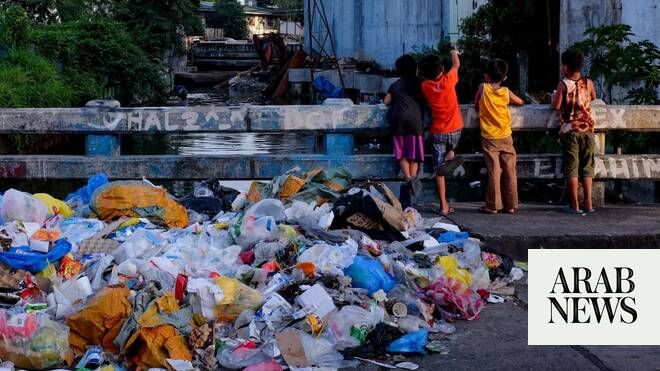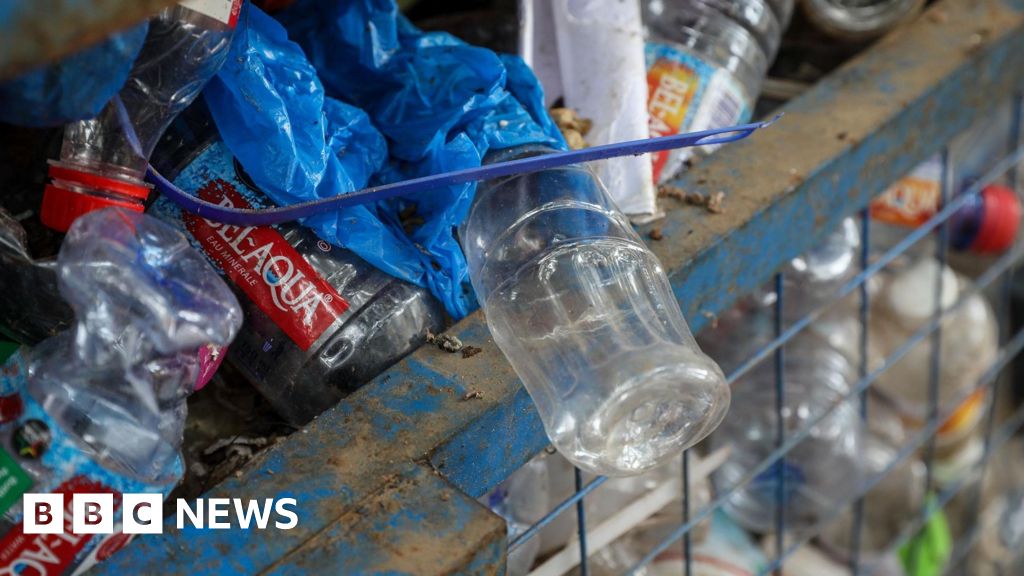
Plastic production has exploded in the last century - to some it has been a miracle product while to others it is a pollution nightmare.
Scientists have estimated that there are nearly 200 trillion pieces floating in the world's oceans, and this could triple if no action is taken.
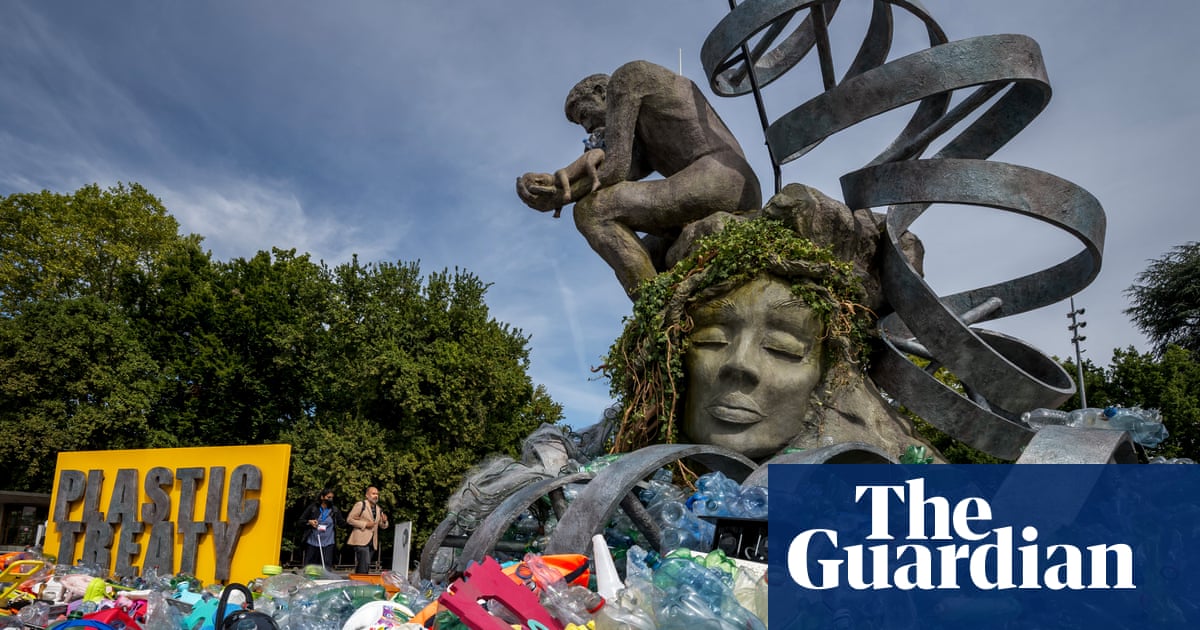
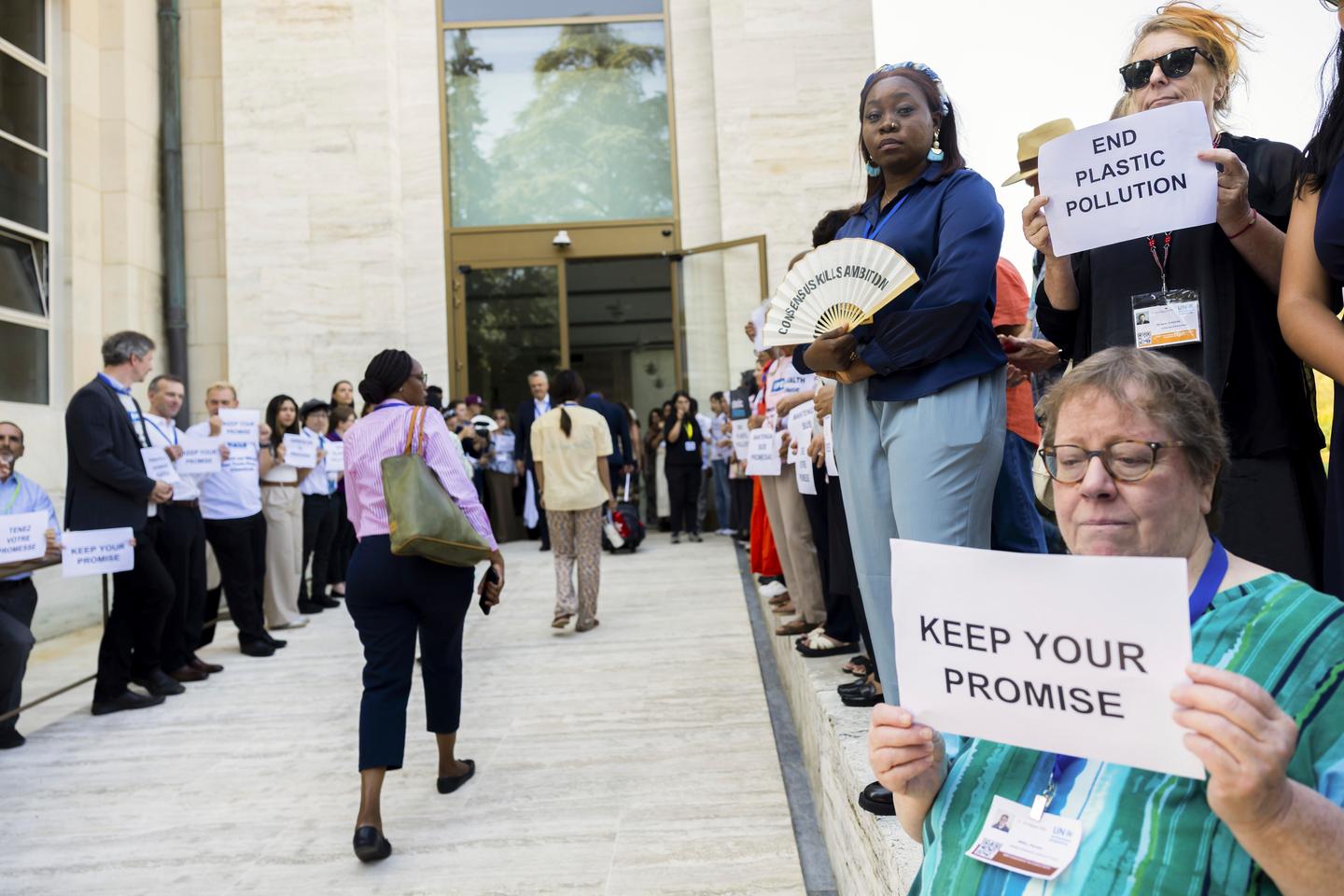
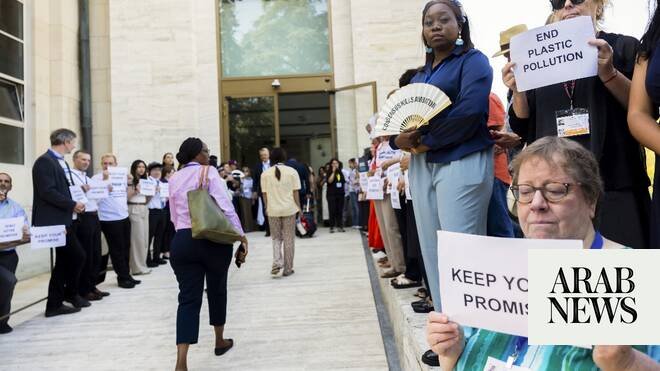
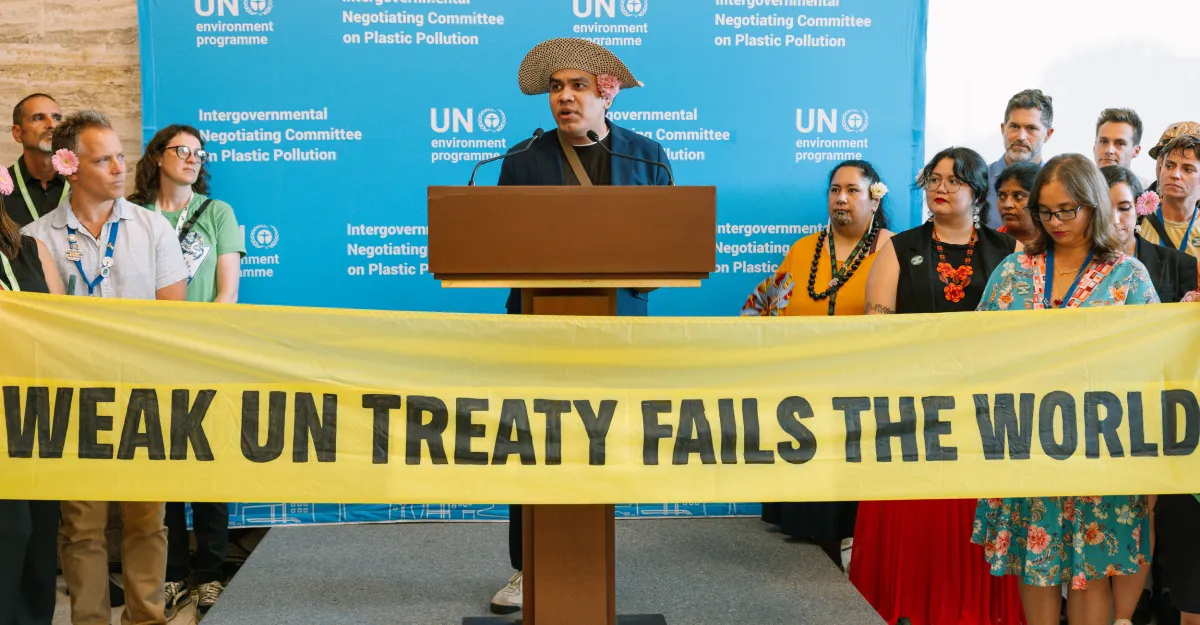
In 2022, countries agreed to develop a legally binding global treaty to cut the waste and the harmful chemicals some plastics contain - but after two years no agreement has been reached.
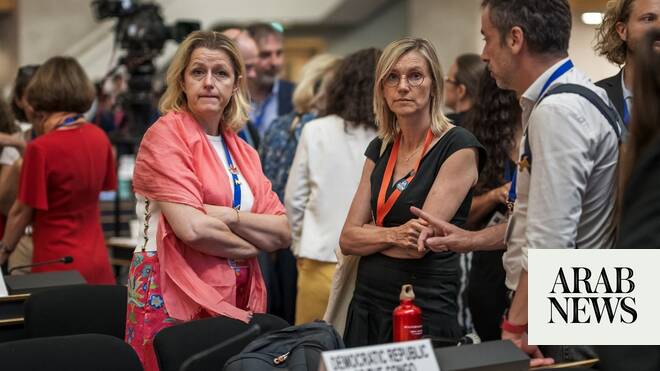
On Tuesday, the world's nations meet again at a UN conference in Geneva - could they finally agree how to curb the plastic excesses?
Human societies have used plastics that occur naturally in the environment for hundreds of years, in the form of rubber, horn and shellac.