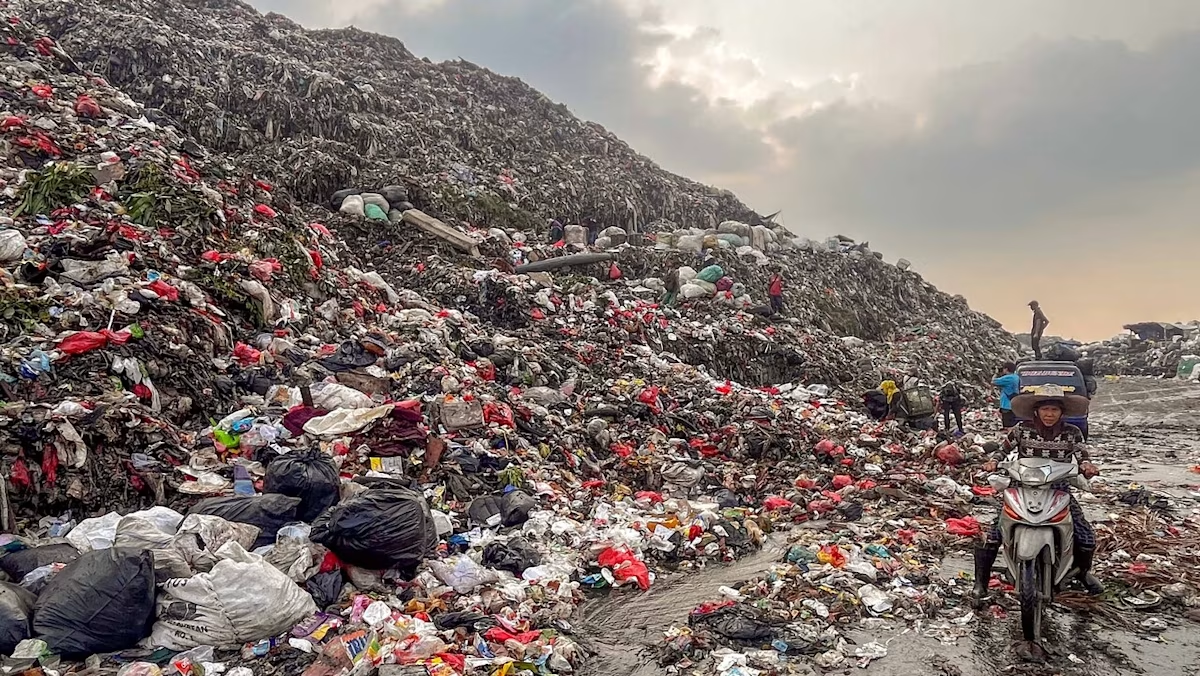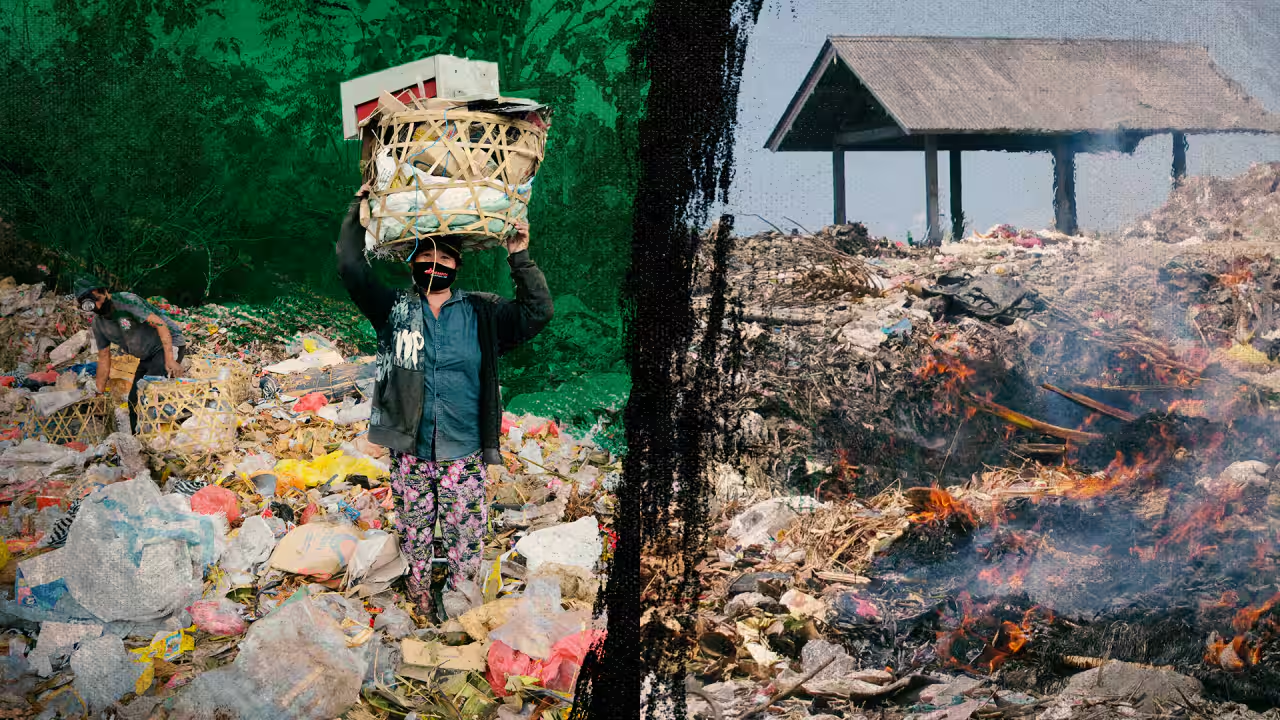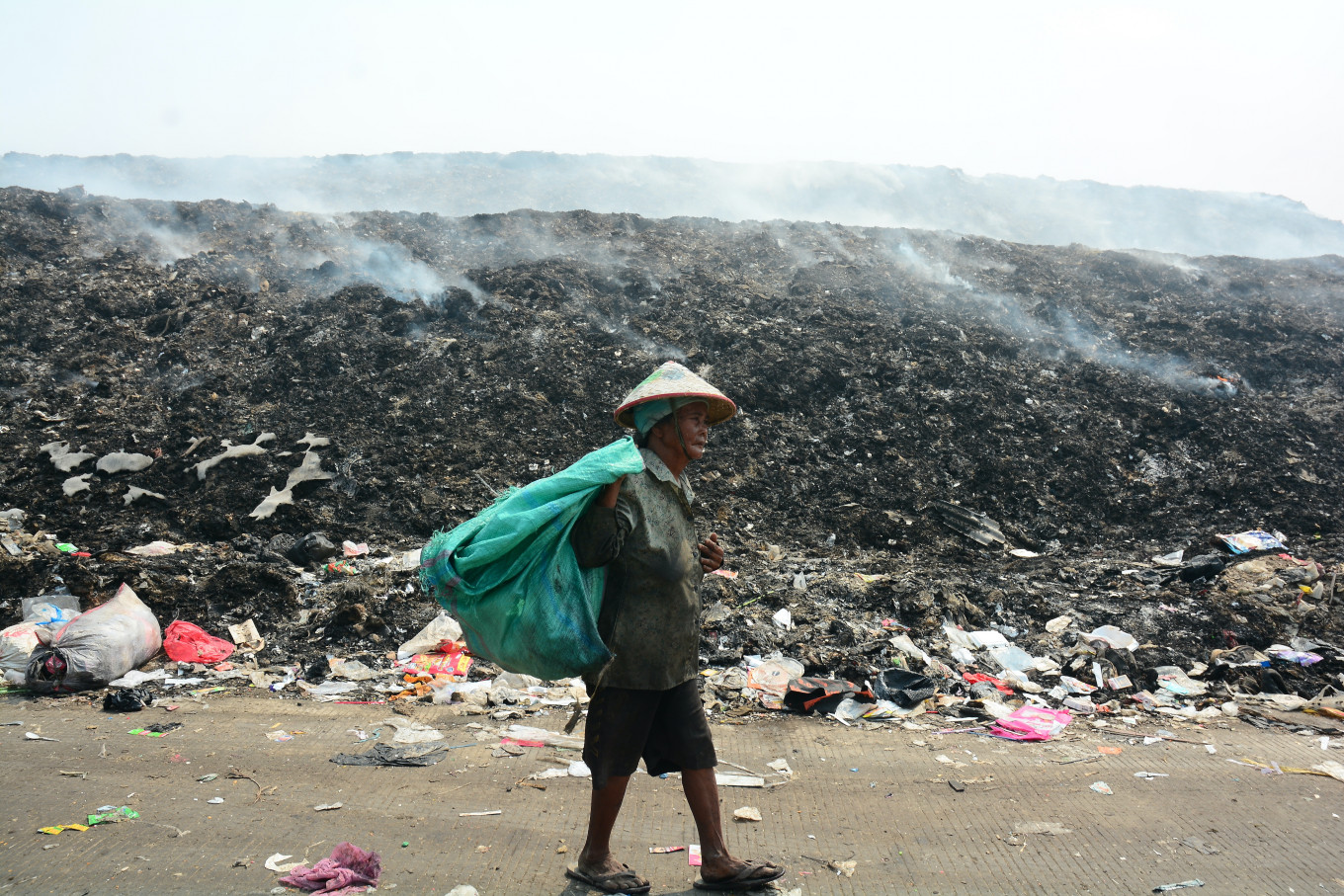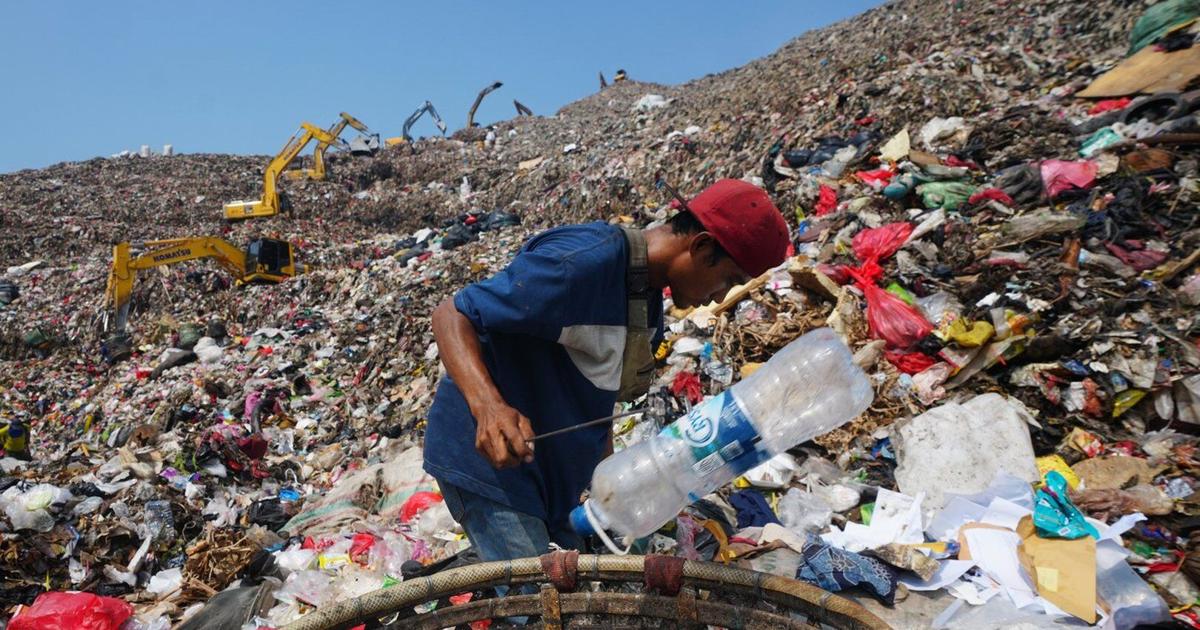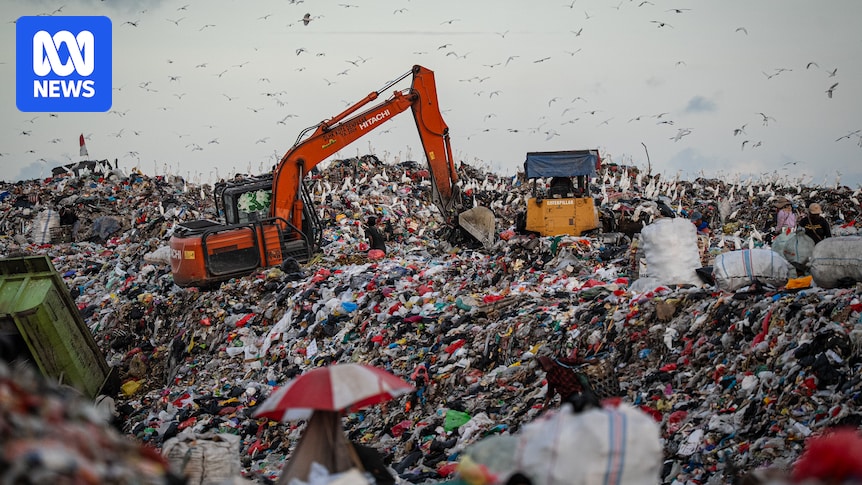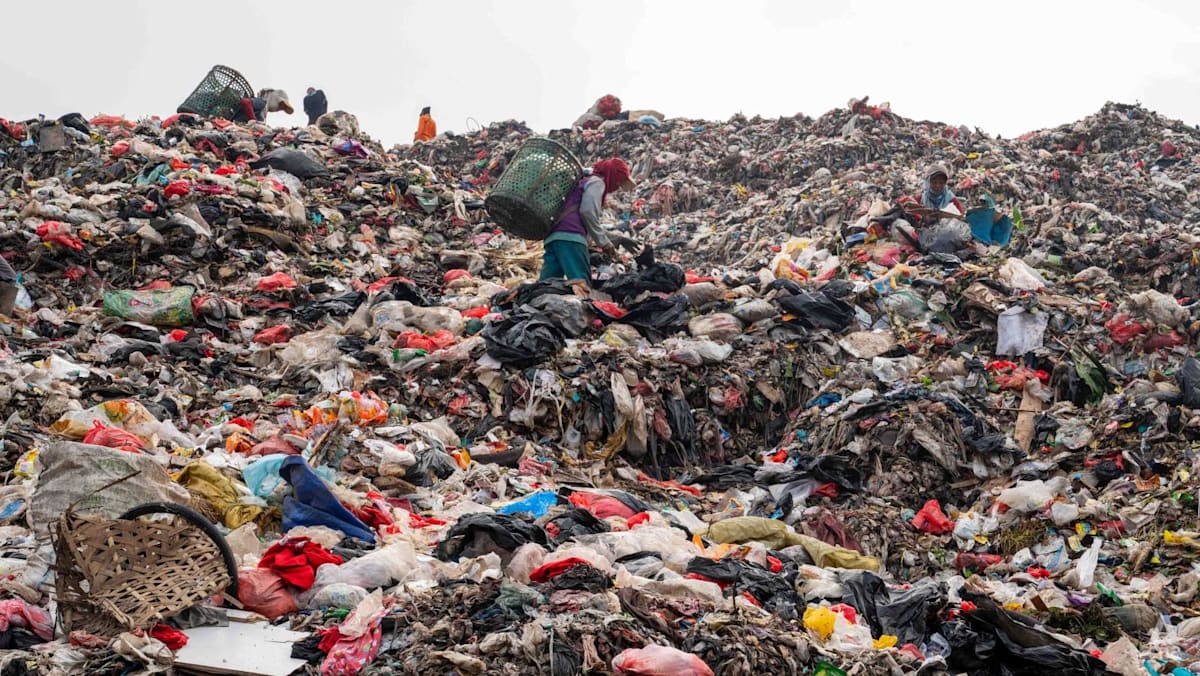
DENPASAR/JAKARTA: With its sandy beaches and lush paddy fields, Bali has long been sold as Indonesia’s picture-perfect island paradise. But to locals, especially those living in southern Bali, their streets have been far from dreamy, with piles of trash filling up parts of the island in recent months. Since Apr 1, residents in Bali have had to separate organic and inorganic waste. Organic waste has largely been barred from the island’s biggest landfill, Suwung, which serves the heavily populated and tourism-driven south. Under the new regulation, residents are supposed to compost or send their waste to recycling centres.Inorganic waste can be sent to a newly established small inorganic landfill in southern Bali.Organic waste is biodegradable waste such as fruits and eggshells that originate from plants or animals. Inorganic waste is non-biodegradable waste originating from non-living, synthetic, or mineral-based materials, such as bottles and styrofoam.The rule was meant to push households and businesses to sort and process waste at the source, rather than sending everything to a landfill already at breaking point.But many residents were still confused and struggling to do so when CNA spoke to them two weeks after the new rule was enforced. “I am confused. But after I learned how to separate the waste, it is not even collected,” said domestic worker Kuswati in Jimbaran, southern Bali, who goes by one name.Bali’s waste problem has had serious consequences. Last September, the island suffered deadly floods caused by waterways blocked by trash, among other factors, which claimed the lives of 17 people.The island offers a glimpse of the waste crisis unfolding in Indonesia.
IN FOCUS: With landfills almost full, Indonesia grapples with ‘ticking time bomb’ of waste crisis
Indonesia is counting on waste-to-energy plants to tackle its waste crisis, but experts say it’s no substitute for reducing trash at the source.
3,014 words~14 min read