Academia
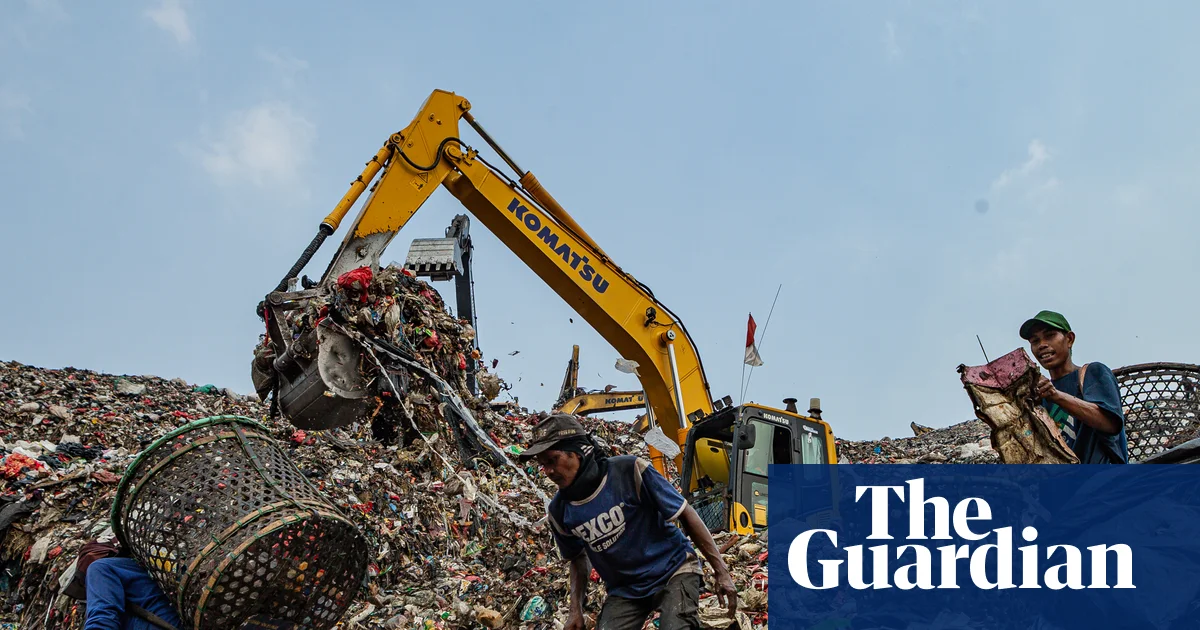
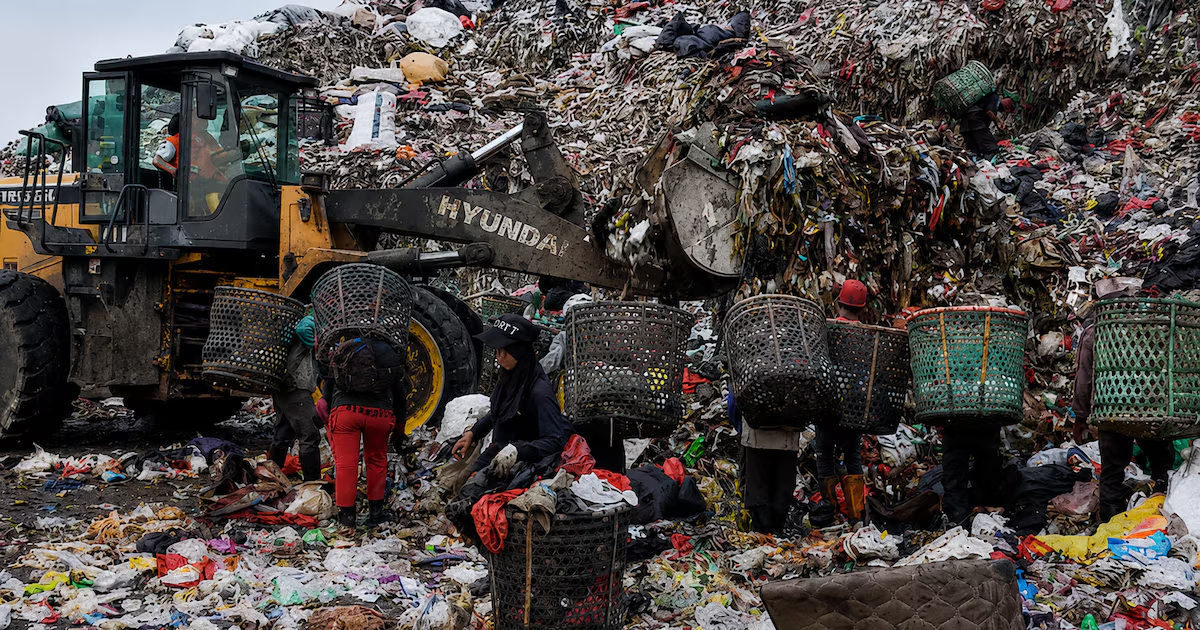
While the Jatiwaringin landfill fire has exposed the volatile reality of Indonesia’s mismanaged waste, a much larger environmental time bomb is ticking in Bantar Gebang at the gates of Greater Jakarta.
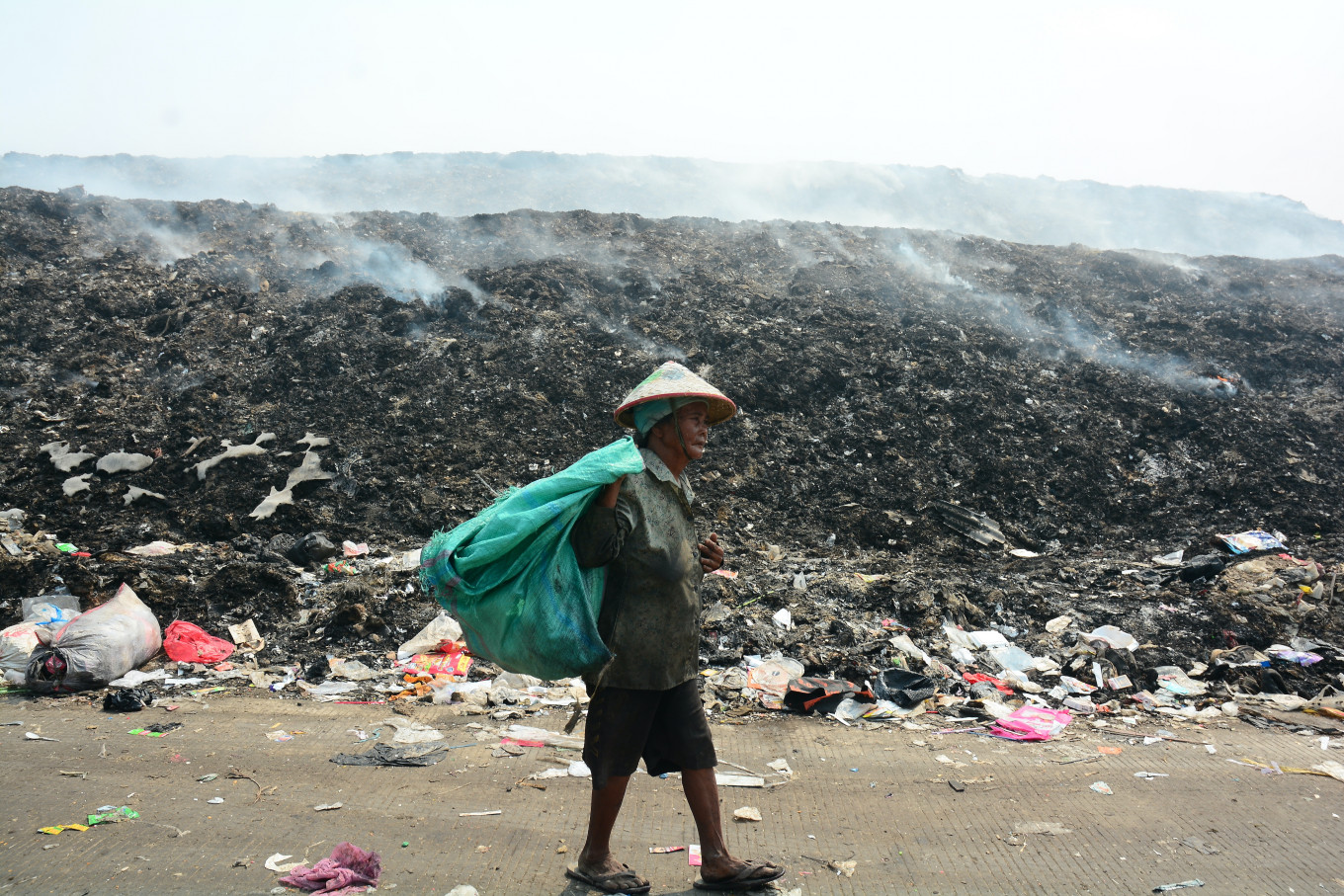
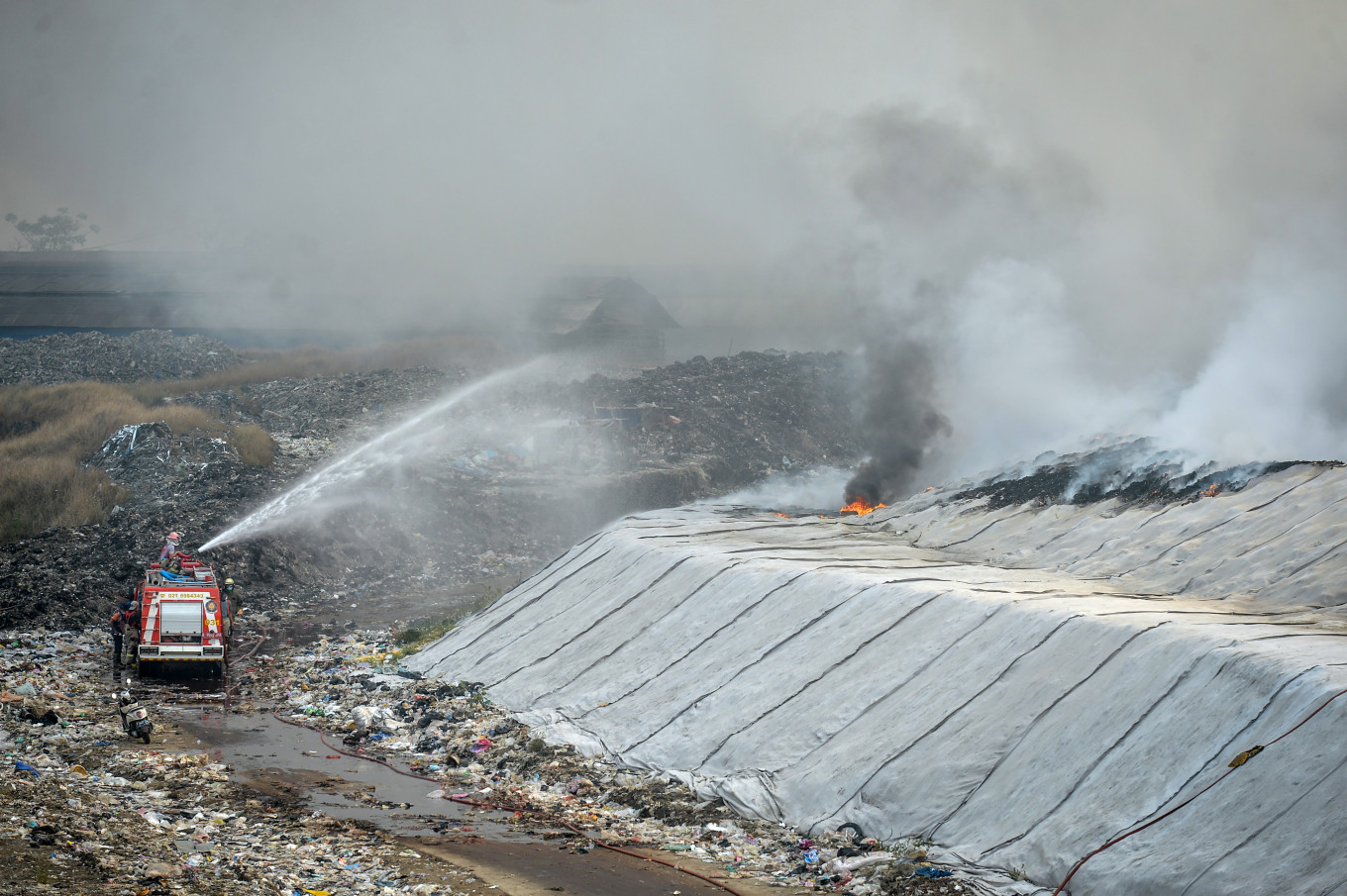
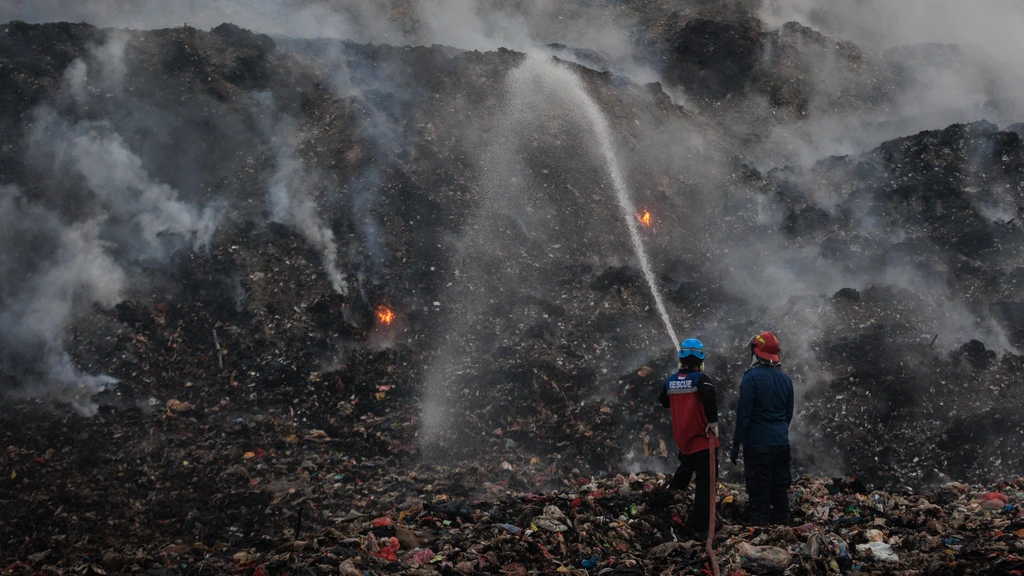
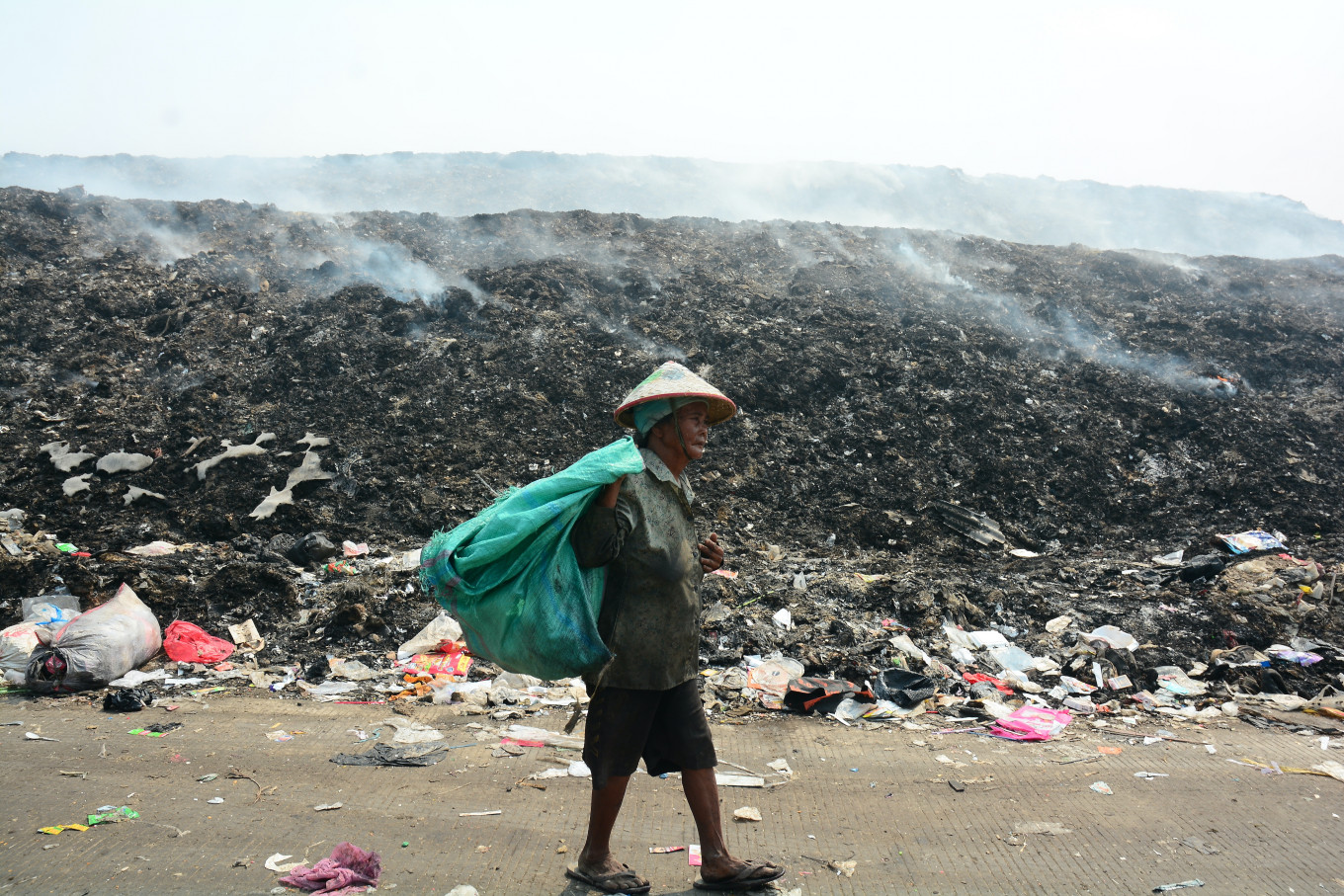
A trash picker walks past a large mound of burning garbage on July 4, 2026, at the Jatiwaringin landfill in Tangerang regency, Banten. (JP/Iqro Rinaldi)
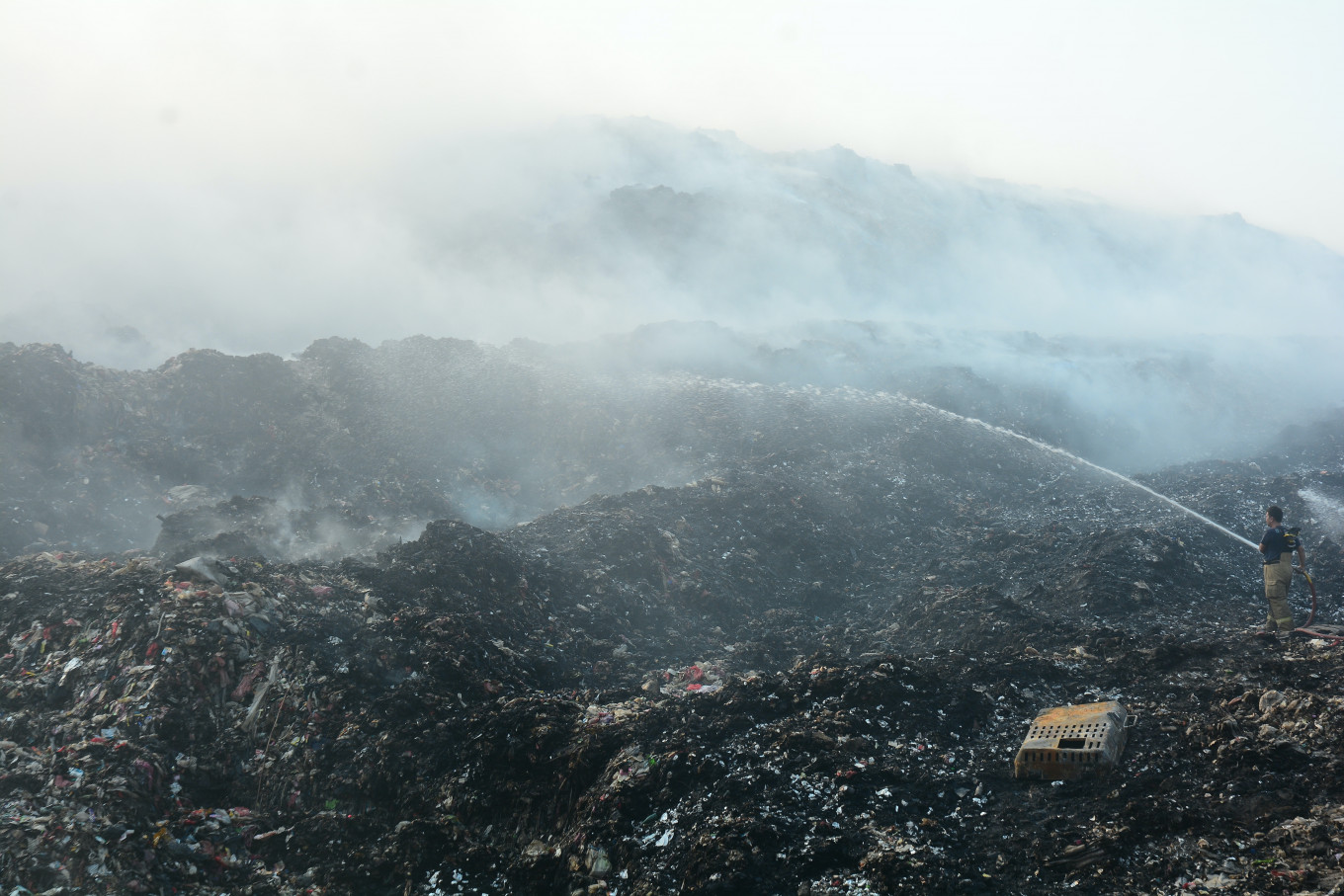
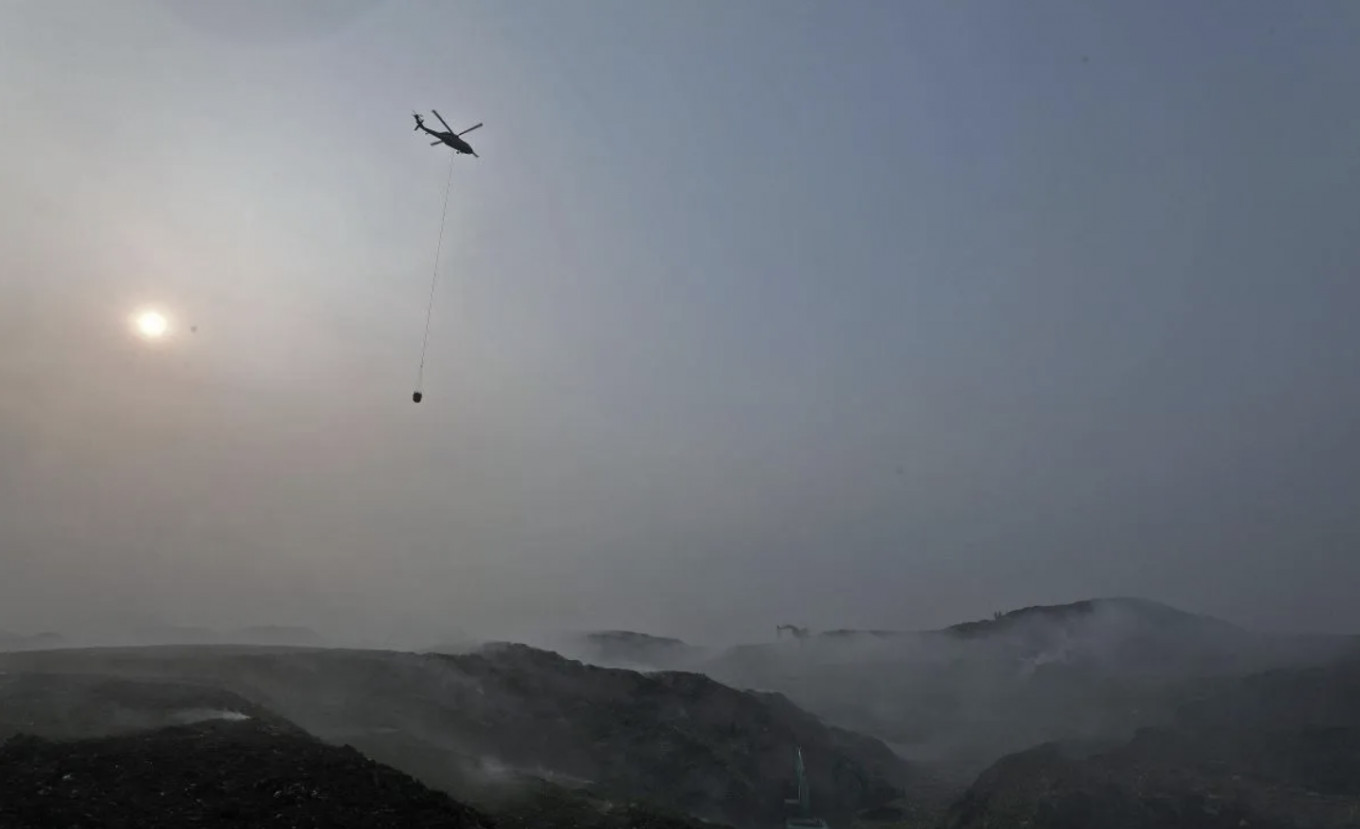
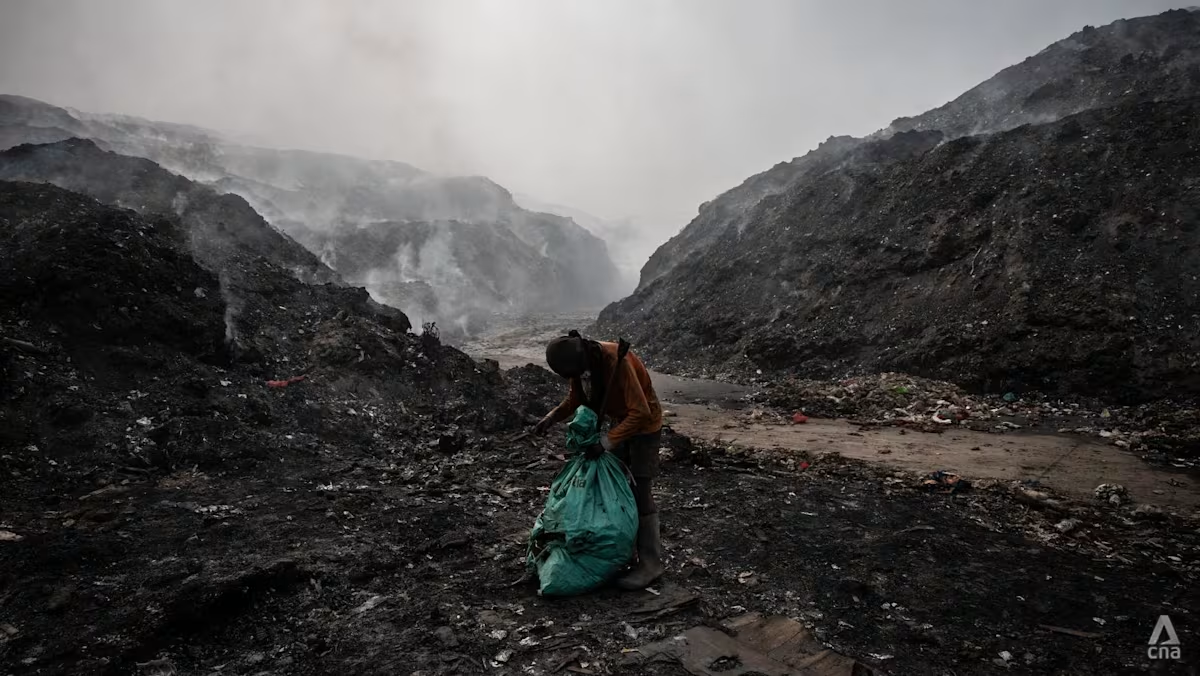
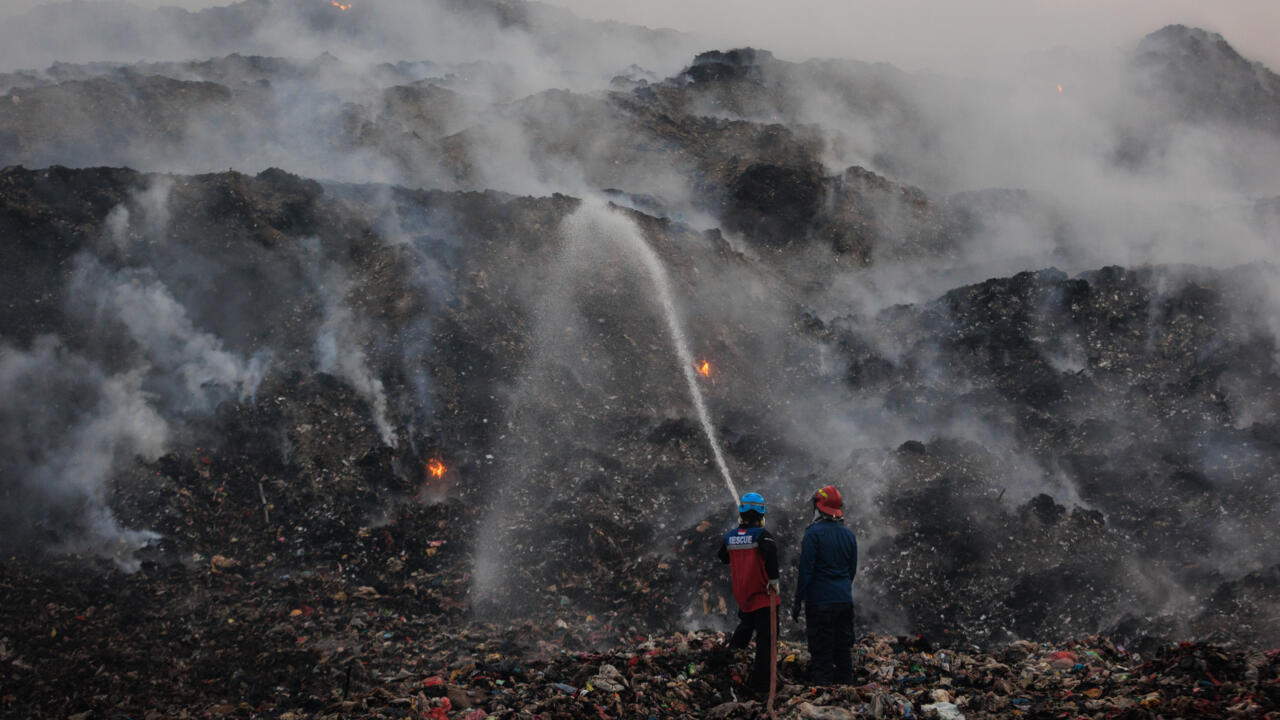
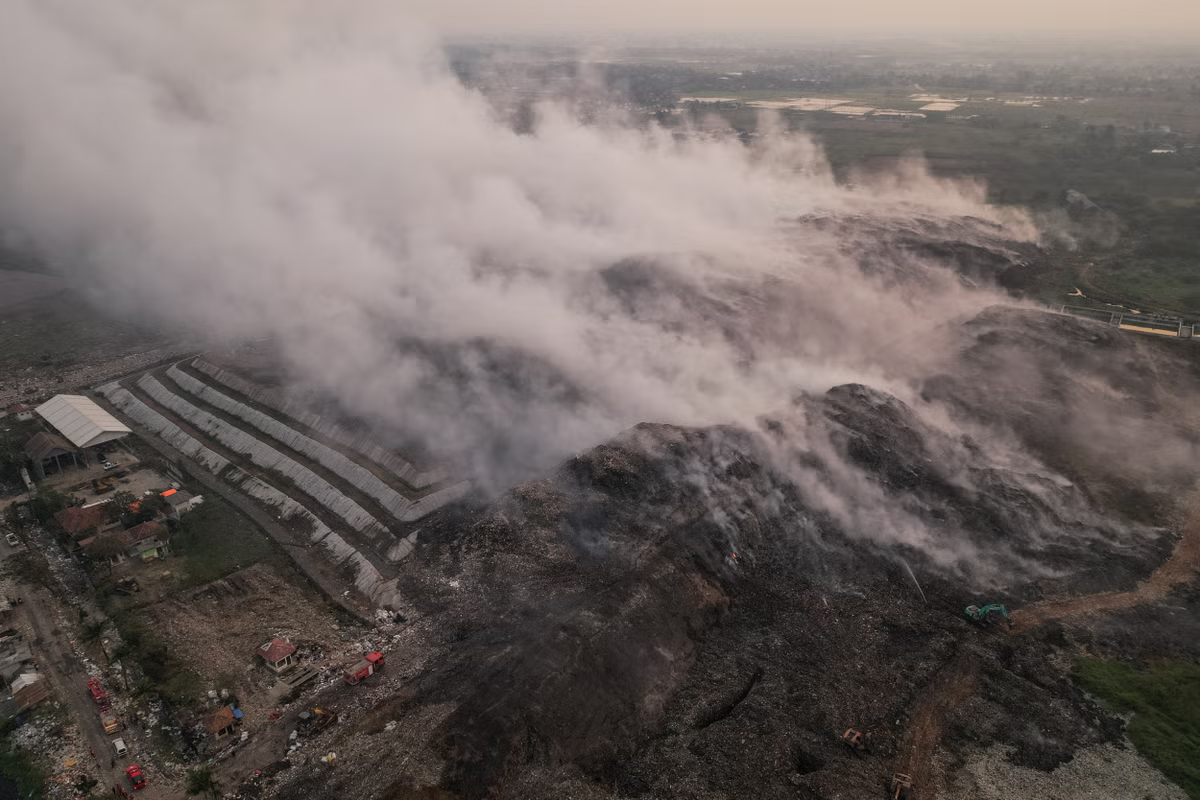
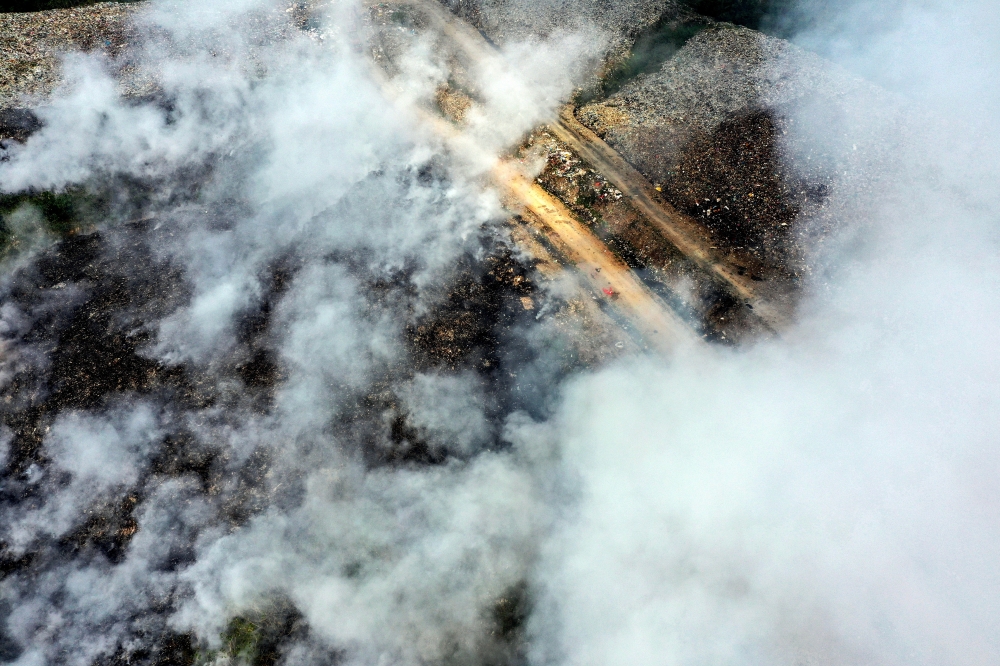
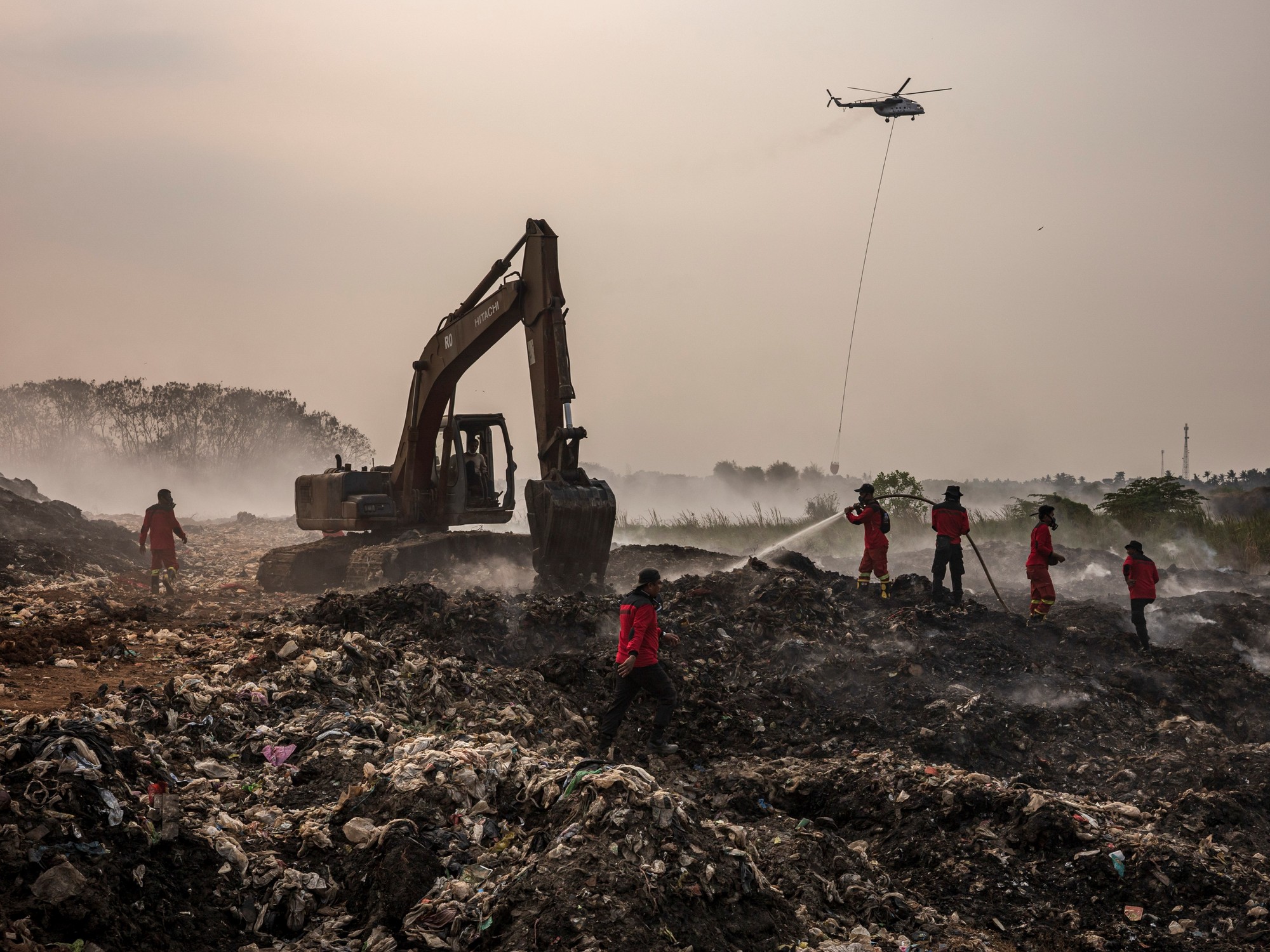
As extreme temperatures gripped parts of the Northern Hemisphere in late June, a severe fire erupted at the Jatiwaringin landfill in Mauk district, Tangerang regency, Banten. Within eight days of the initial outbreak on June 30, the flames had expanded from 3 to 15 hectares, devouring nearly half of the 33 ha facility.The disaster forced hundreds of residents to evacuate to a nearby village hall, leaving dozens displaced and suffering from acute respiratory infections due to the dense, billowing smoke produced. Despite the deployment of four firefighting helicopters and hundreds of emergency personnel, the deep-seated embers beneath the mountain of refuse remained notoriously difficult to extinguish.
The underlying mechanics of the fire are scientifically clear. The accumulation of methane gas (CH4), a by-product of the anaerobic decomposition of organic waste, creates a highly volatile environment. When exposed to soaring ambient temperatures, the risk of spontaneous ignition skyrockets.