Photo by Brent Lewis/The Denver Post via Getty Images
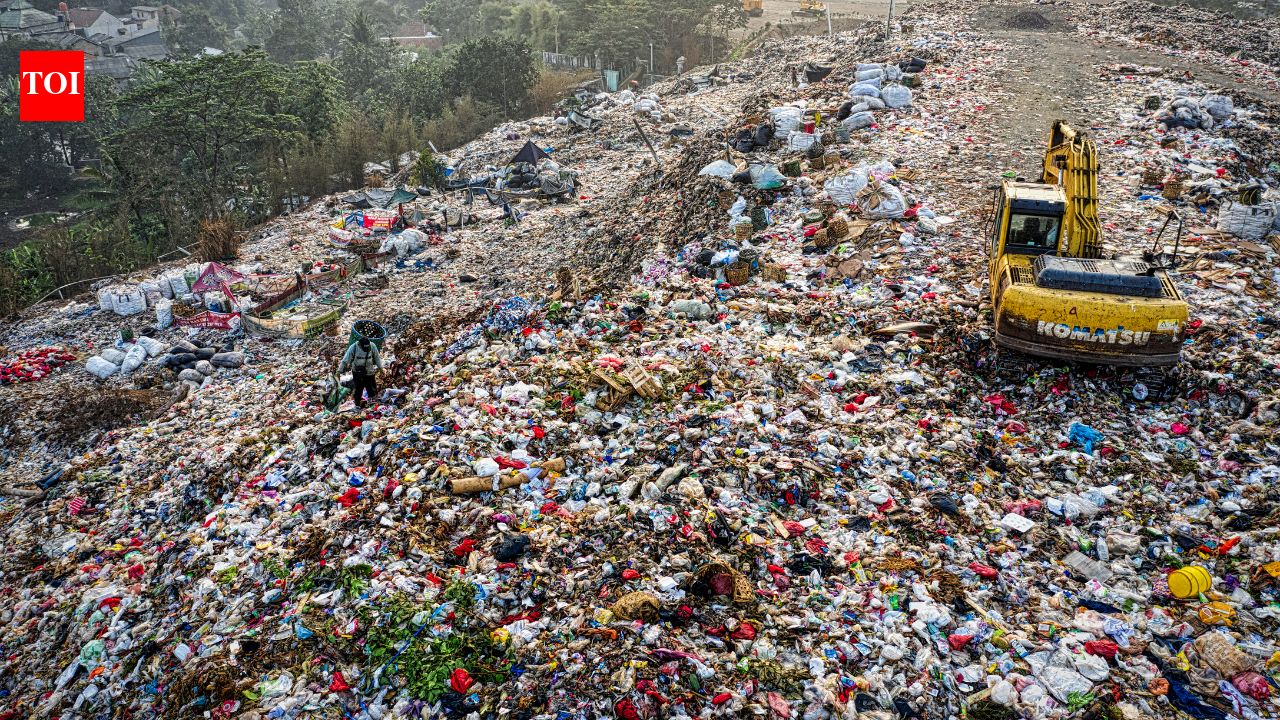
Americans are really, really good at throwing things away. The country produces nearly 300 million tons of trash a year, and billions of dollars in reusable materials end up in landfills, even after passing through recycling bins.
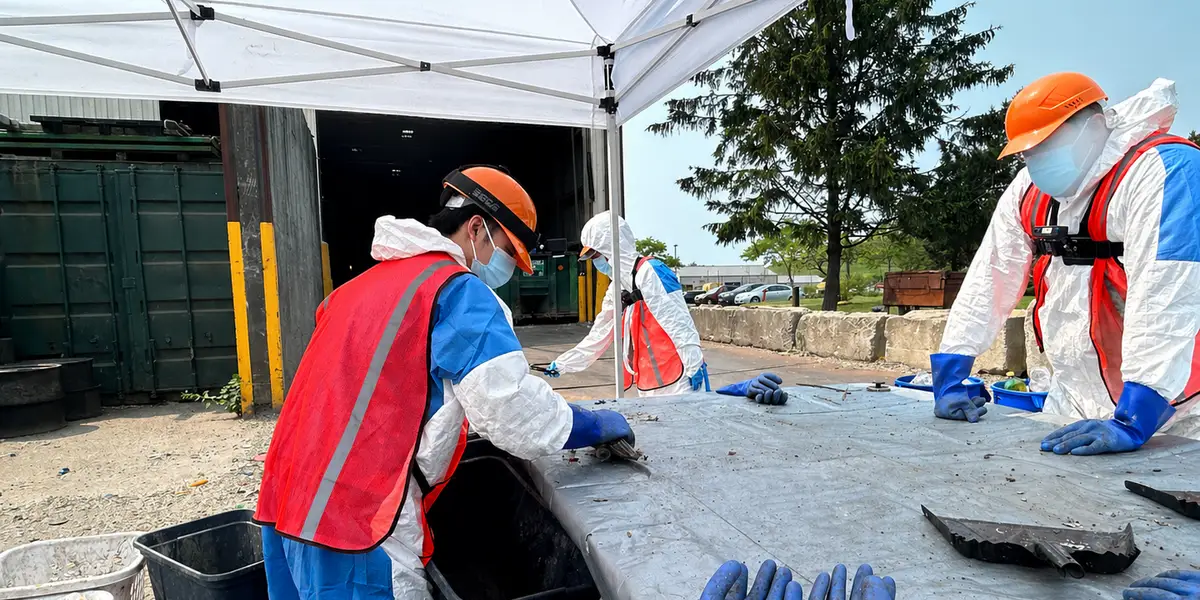
The problem has always been sorting it all — pulling the wheat from the chaff or in this case, the aluminum can from the dirty diaper. To do that, the industry has historically relied on either shredding everything and trying to separate it mechanically, or paying people to stand over conveyor belts and pick things out by hand. Neither approach scales well. Shredding produces contaminated, low-value material. Manual sorting is slow, expensive, and increasingly hard to staff. Either way, pulling valuable materials out of waste costs about as much as the materials are worth.
Like just about every other industry right now, recycling is betting that AI can change the calculus. A growing number of companies are deploying computer vision, robotic pickers, and massive training datasets of waste to identify and separate individual items on a conveyor belt. It's not just startups: Waste Management, the country's largest trash hauler, is spending more than $1.4 billion automating its recycling facilities. AMP, a Colorado-based company, is taking it a step further, building entire facilities that run on AI from the start.