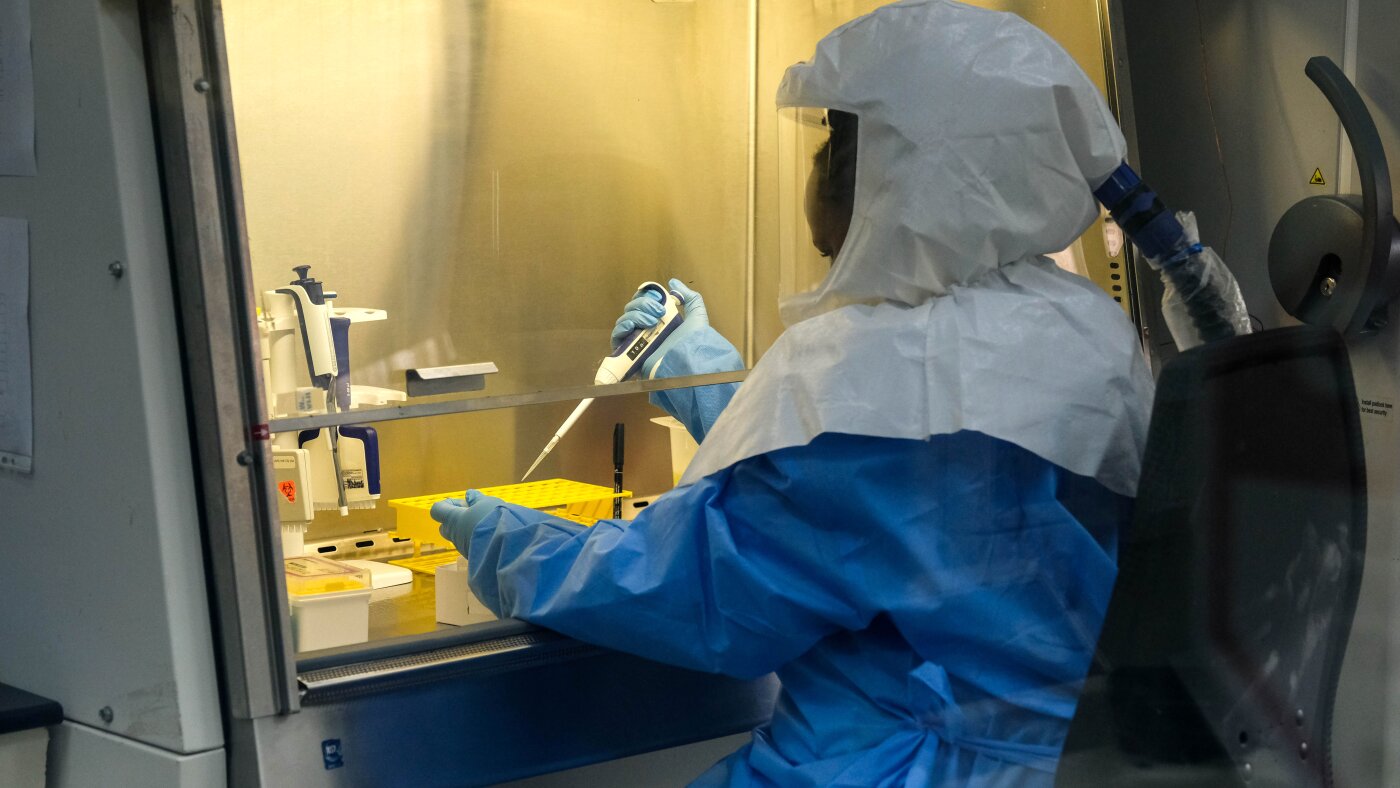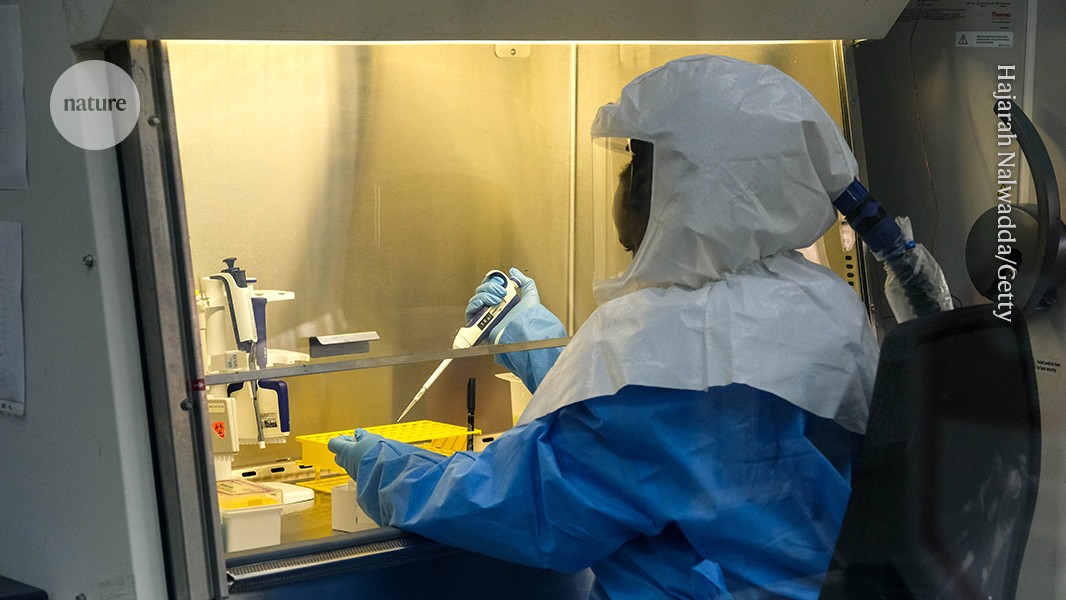
A technologist processes Ebola samples in a virus-surveillance laboratory in Uganda.Credit: Hajarah Nalwadda/GettyJust six years after the COVID-19 pandemic, the world seems to be moving away from pandemic preparedness, rather than towards it. A surge in Ebola cases in the eastern Democratic Republic of the Congo (DRC) illustrates this clearly. The DRC is no stranger to Ebola but, weeks after the latest outbreak in its Ituri province was declared on 15 May, the country is struggling to contain the disease: more than 850 cases have now been reported.Ebola outbreak spirals out of control: how might it have started?Diseases are likely to emerge in regions such as Ituri that are weakened by overlapping crises, political instability and health insecurity, and with fragile health-care infrastructure, workforce shortages, widespread health misinformation and limited laboratory capacity. But there is no excuse for being unprepared this time.The DRC has a long history of containing Ebola by isolating people with the disease and tracing and quarantining their contacts (D. Mukadi-Bamuleka et al. Emerg. Infect. Dis. 29, 1–9; 2023). A variety of diagnostic tools, therapeutics and vaccines has become available since the 2014–16 Ebola outbreak in West Africa, when international funding for research and development was increased. Nevertheless, the country’s health-care professionals were caught off guard. Why?First, this virus, known as Bundibugyo (Orthoebolavirus bundibugyoense), is a relatively rare species of Ebola. This is only the third time it has caused an outbreak.Early diagnostic tests failed to detect Bundibugyo. The latest outbreak seems to have started several weeks before it was declared, but remained under the radar of the DRC’s surveillance system for viral haemorrhagic fevers.Can mRNA vaccines transform the fight against Ebola?The first known case was in a health-care worker who developed symptoms on 24 April and died in Bunia. The regional health centre in Bunia, where people were initially tested, wasn’t able to identify the virus, because it had access only to a diagnostic machine called GeneXpert. This system, made by Cepheid in Sunnyvale, California, detects only the most common species: Zaire ebolavirus (Orthoebolavirus zairense).Diagnostic testing for Bundibugyo and other Ebola species relies on the RealStar virus-screening kit made by Altona Diagnostics in Hamburg, Germany, as well as on genome sequencing of the virus. This kit is available in Kinshasa, but is not readily available elsewhere in the country. Moreover, the test includes manual RNA-extraction steps and is therefore more complex and labour-intensive for laboratories to perform than are tests using the automated GeneXpert platform.It therefore took until 15 May for the DRC to declare the outbreak. On the same day, Uganda did the same, after people with the infection had travelled from Bunia to Kampala and one had died. The World Health Organization (WHO) announced a public health emergency of international concern on 17 May, and the Africa Centres for Disease Control and Prevention in Addis Ababa did similarly on 18 May.
Better diagnostics could have limited this Ebola outbreak
Quick identification of viruses holds the key to minimizing their spread.
477 words~2 min read