As the ongoing Bundibugyo Ebola outbreak spreads across the Democratic Republic of the Congo and Uganda, global attention has understandably focused on the absence of licensed vaccines and therapeutics for this rare species of Ebola virus.
Yet one of the outbreak’s most consequential failures has received far less attention: our inability to rapidly and reliably diagnose the pathogen in the first place.
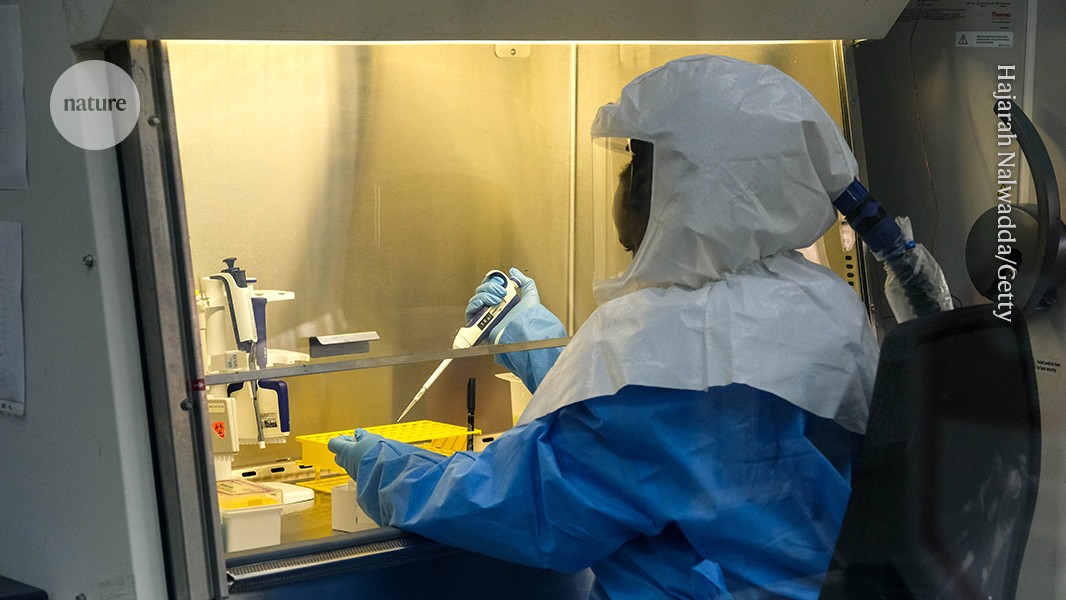
The current epidemic, which has caused more than 1,300 confirmed cases and over 375 confirmed deaths in DRC and has spread into neighboring Uganda, initially evaded detection not because clinicians failed to recognize viral hemorrhagic fever, but because many of the diagnostic tools deployed on the frontlines were designed for a different outbreak.
The GeneXpert assays routinely used during Ebola responses were developed primarily to detect Zaire ebolavirus (EBOV), the species responsible for the devastating West African epidemic of 2014-2016 and most subsequent Ebola outbreaks. They did not reliably detect Bundibugyo ebolavirus (BDBV). As a result, patients with Ebola initially tested negative, allowing transmission to continue undetected for critical weeks.
This should be a wake-up call.