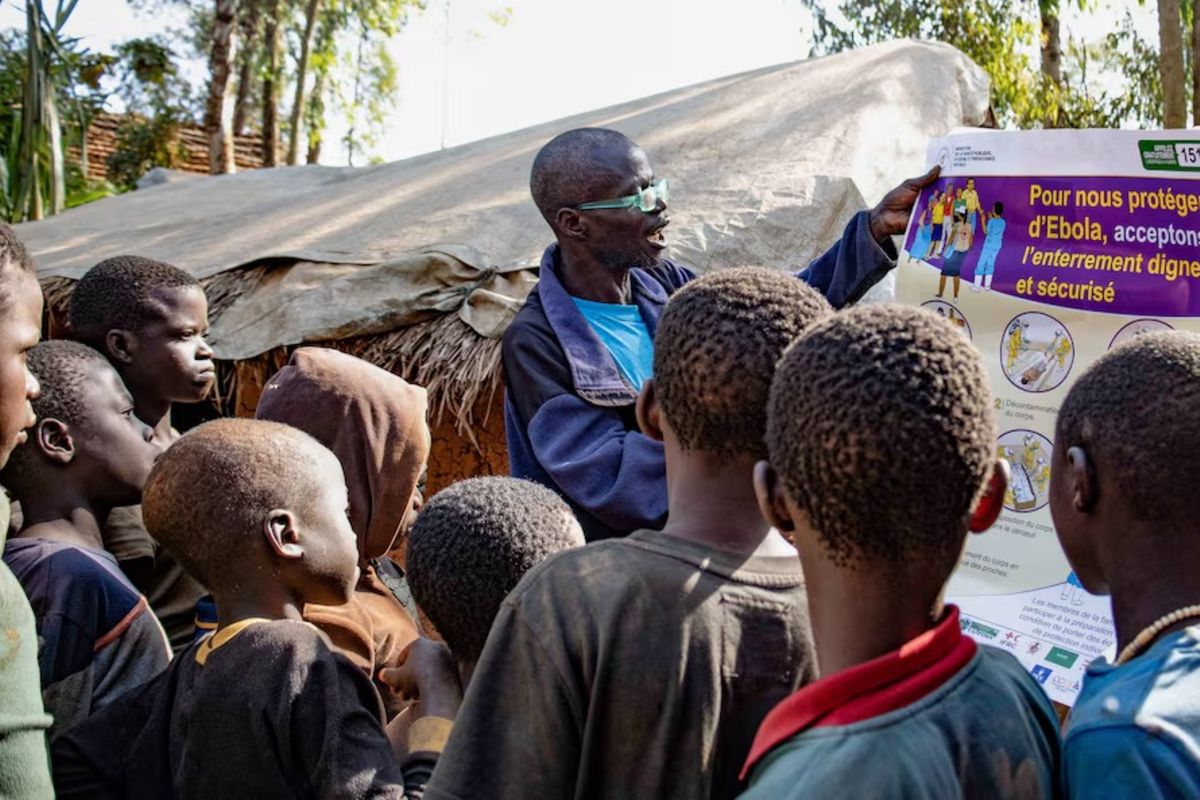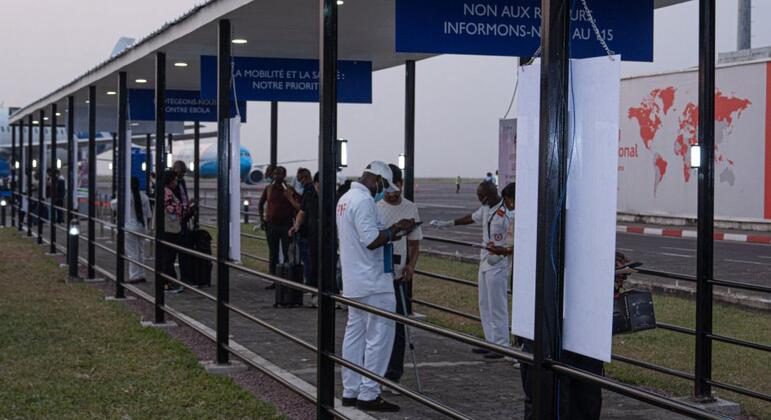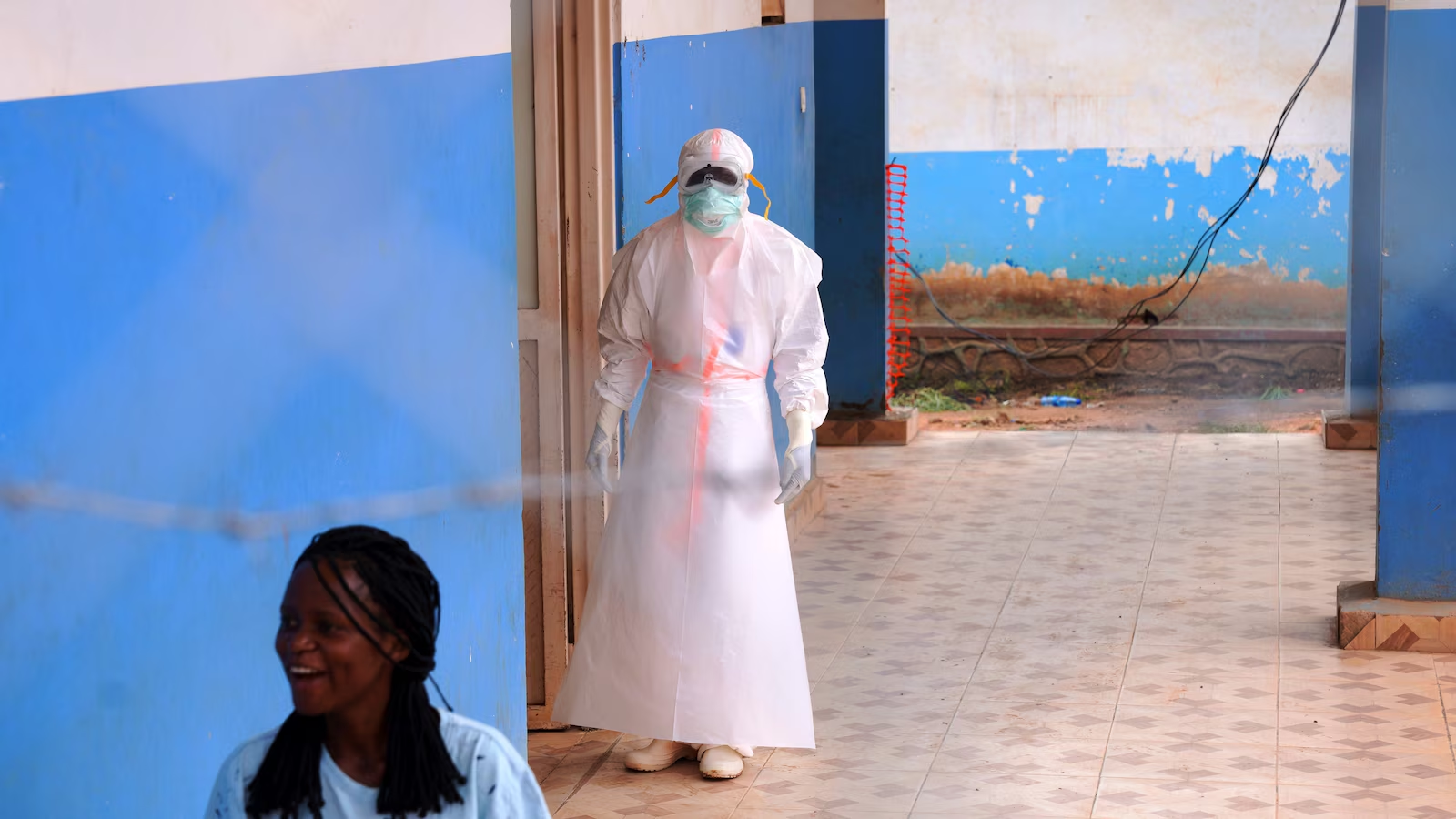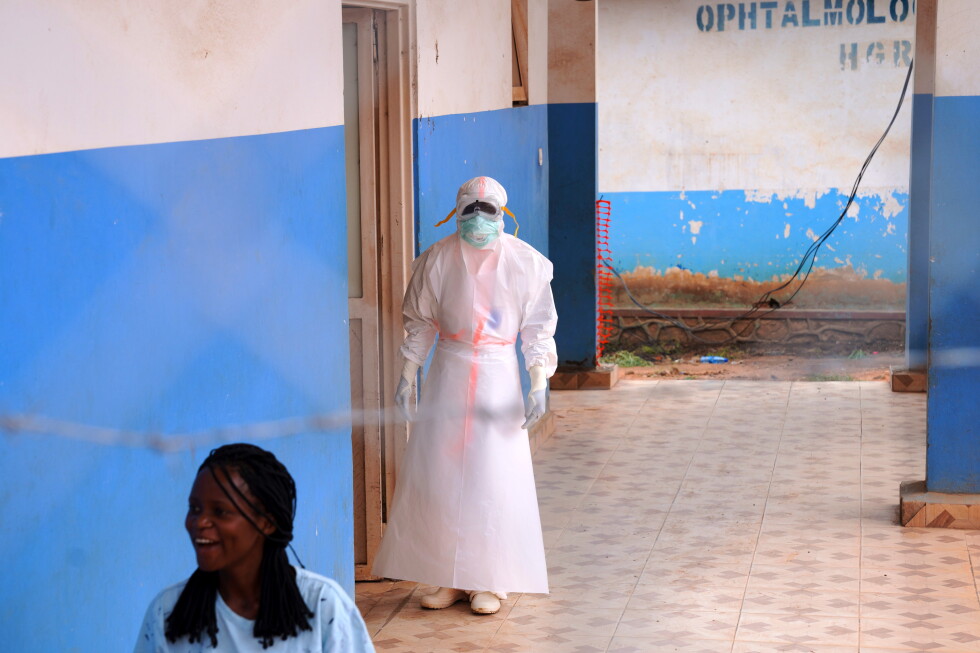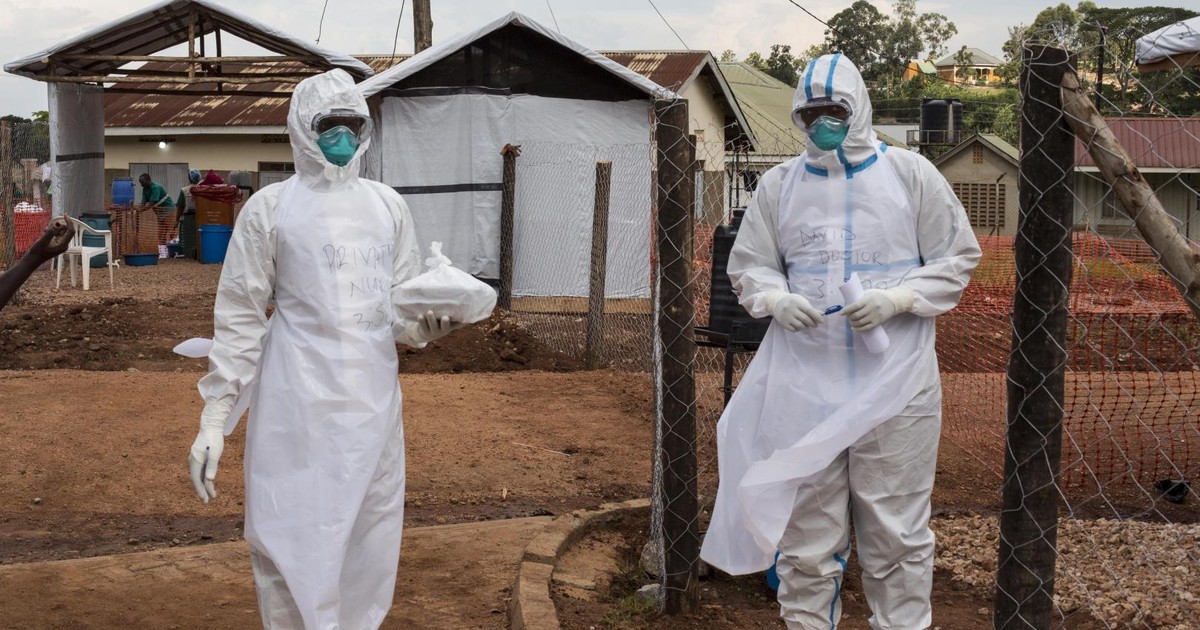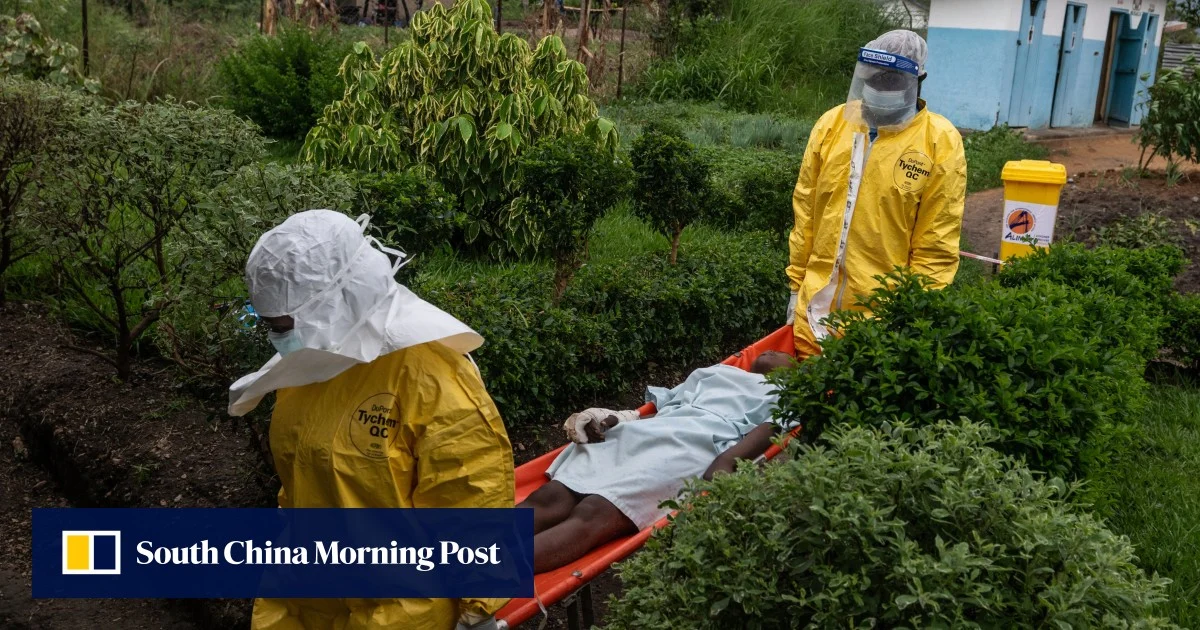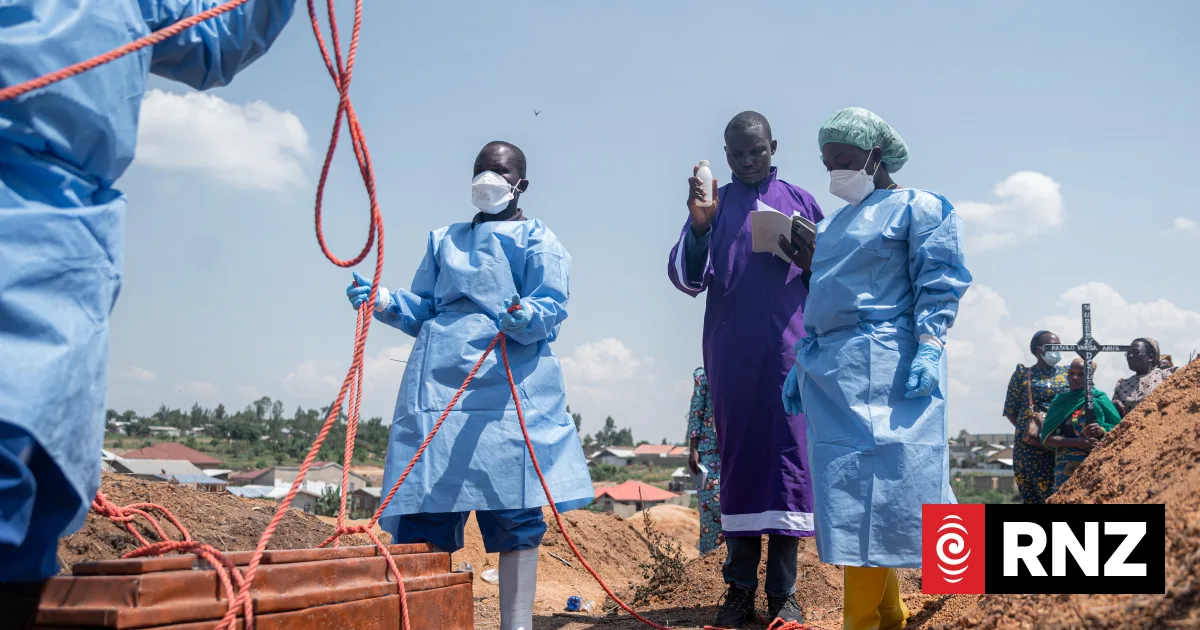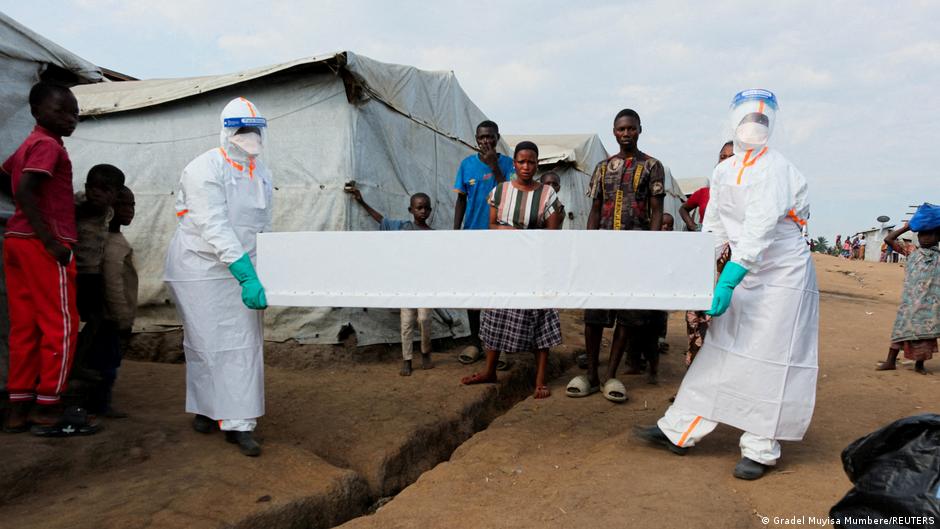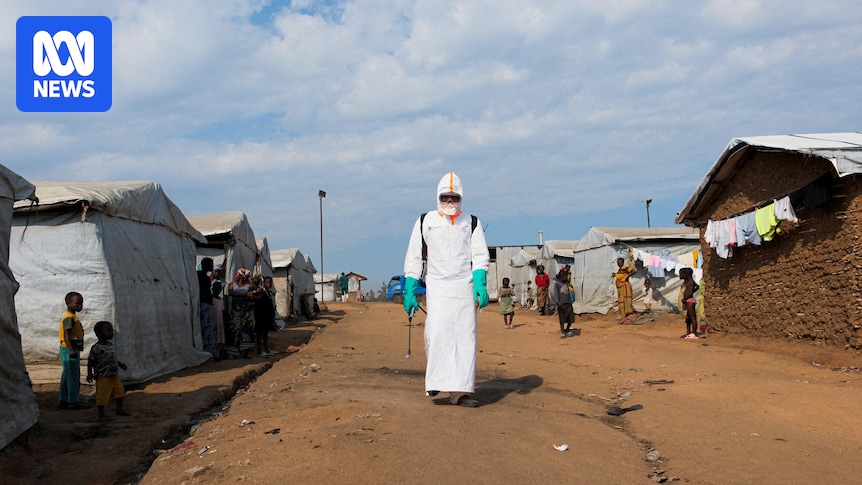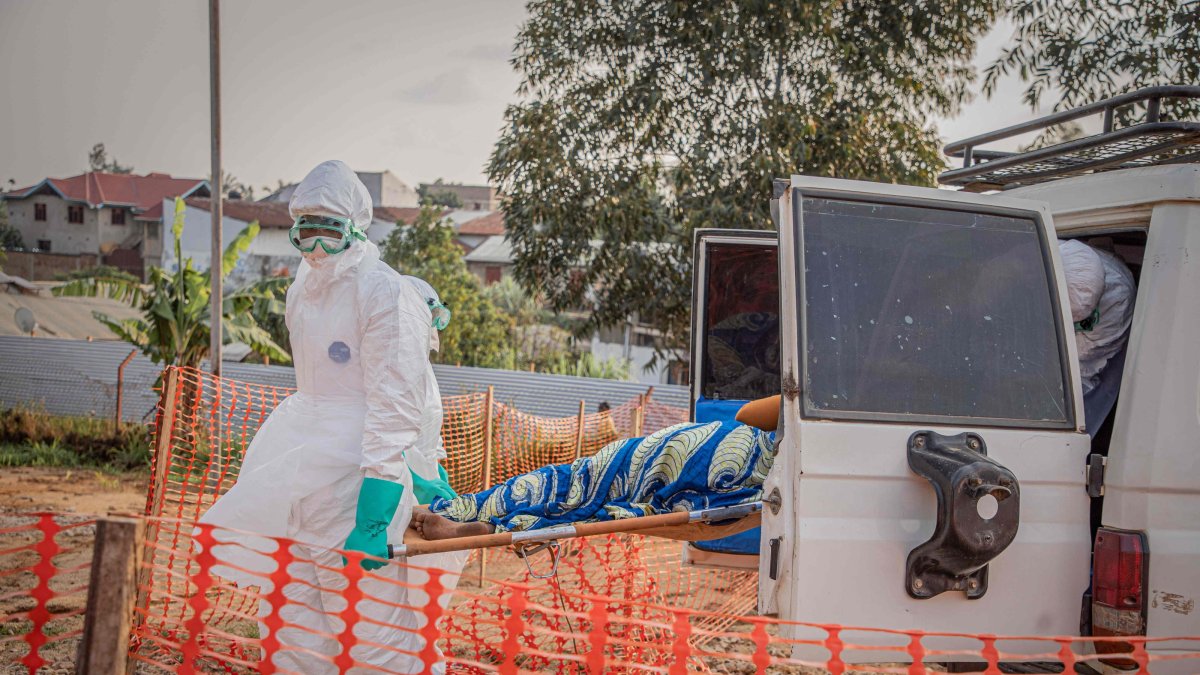
Scientists are racing to understand a growing Ebola Bundibugyo outbreak in the Democratic Republic of the Congo as medics warn that key knowledge gaps are slowing detection and treatment of patients.
Since the outbreak was declared in mid-May, Congo’s government has reported more than 1,100 cases and nearly 300 deaths, making it the largest recorded outbreak of the Bundibugyo strain to date. Uganda has also reported 20 confirmed cases and two deaths across the border.
“We’re facing an outbreak that we are, to be honest, only just beginning to understand,” World Health Organization emergencies director Chikwe Ihekweazu told a news briefing Wednesday.
Only two previous Bundibugyo outbreaks have been recorded, in Uganda in 2007 and in Congo in 2012, together accounting for about 200 cases. The strain differs from Ebola Zaire, which drove the 2014 to 2016 West Africa epidemic, but it belongs to the same filovirus family and causes similar symptoms, including fever, vomiting, diarrhea and, in some cases, bleeding.
Lesser-known threat